This is a pretty amazing study.
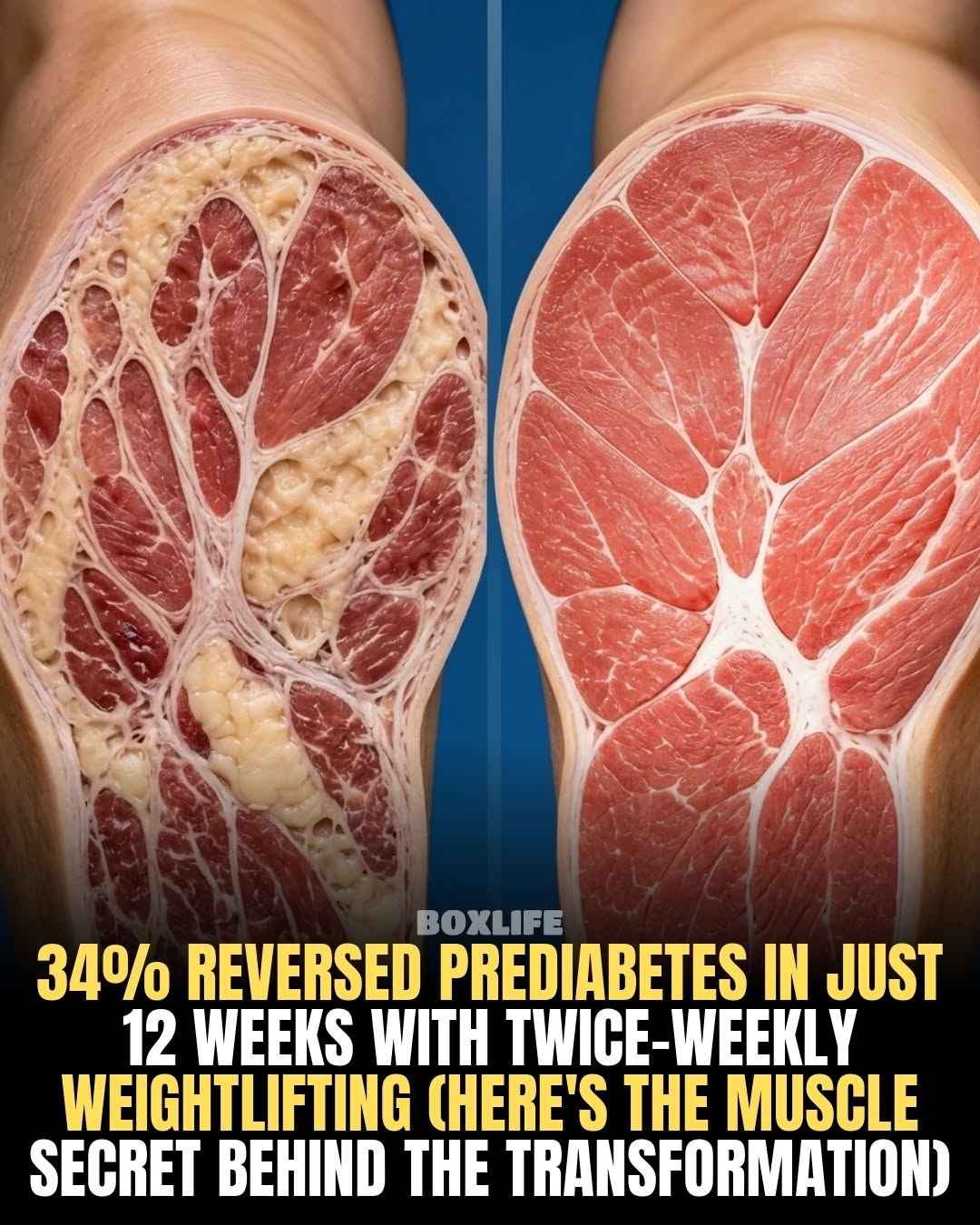
Just 2 days/week of resistance training for 12 weeks reversed prediabetes in 1/3 of the participants in the trial.
People in the trial used basic gym machines like leg presses and chest presses—nothing, fancy, complicated, or potentially unsafe. Heavy weights were not used. The program used low-to-moderate weights, but focused primarily on compound exercises that target multiple muscle groups at once.
Link to full article:
 BoxLife Magazine34% Reversed Prediabetes in Just 12 Weeks With Twice-Weekly Weightlifting (Here's the Muscle Secret Behind the Transformation)Lifting weights twice a week might be one of the most powerful tools for reversing prediabetes, according to groundbreaking research that challengesboxlifemagazine.com
Link to full study:
Paper · PLoS One · 2017Resist diabetes: A randomized clinical trial for resistance training maintenance in adults with prediabetes.Conclusion: Resistance training is an effective, maintainable strategy for reducing prediabetes prevalence and increasing muscular strength. Future research which promotes RT initiation and maintenance in clinical and community settings is warranted.pmc.ncbi.nlm.nih.govQuoted:
The Resist Diabetes Trial, led by researcher Brenda M. Davy and published in 2017, studied sedentary adults aged 50-69 who had been diagnosed with prediabetes. These weren’t elite athletes or gym regulars—they were everyday people who hadn’t been exercising regularly.
Participants followed a straightforward program: twice-weekly resistance training sessions using standard gym equipment including leg press, chest press, rows, and shoulder presses.
After 12 weeks, more than one-third of participants had blood sugar levels that returned to normal ranges. They had effectively reversed their prediabetes diagnosis through strength training alone.
Quoted:
The mechanism centers on how muscle tissue functions as a metabolic powerhouse. Exercise physiologists describe muscle mass as acting like a “glucose sink”—the more muscle someone carries, the better their body can clear glucose from blood circulation.
During resistance exercise, muscle contractions create immediate demand for glucose as fuel. This process improves insulin sensitivity both during workouts and for hours afterward.
One 60-minute full-body resistance session can lower insulin and triglyceride levels within 24 hours, demonstrating rapid metabolic benefits.
Multiple systematic reviews and meta-analyses have confirmed what the Resist Diabetes Trial first demonstrated: resistance training can reduce HbA1c levels, improve glucose tolerance, and lower insulin resistance in both prediabetic and diabetic populations.
The numbers are striking. Studies show resistance training can cut fasting insulin by up to 30% within eight weeks.
Interestingly, research suggests that low-to-moderate load resistance training produces the greatest improvements in fasting blood glucose. This means people don’t need to lift extremely heavy weights to see benefits—consistency and proper form matter more than maximal strength.
A summary of the results of the Resist Diabetes Trial:
(from Gemini AI)
In the Resist Diabetes trial, 34% of adults successfully reversed their prediabetes (achieving normal blood sugar levels, or normoglycemia) after the first 3 months of supervised resistance training. This improvement was largely maintained, with 30% of participants remaining free of prediabetes at the final 15-month mark.
Key Results of the Trial
- The "Muscle Clock" Effect: For every 1% increase in a participant's fat-free muscle mass, their odds of reversing prediabetes and restoring normal glucose levels increased by 18%.
- Strength Improvements: Participants saw substantial strength gains by month 3, which they maintained through month 15. Chest press strength improved by 21% and leg press strength increased by 14%.
- Body Composition: The program successfully reduced waist circumference and overall body fat while increasing total lean body mass.
- SCT vs. Standard Care: Surprisingly, the program using Social Cognitive Theory (SCT) behavioral counseling did not show a statistically greater reduction in prediabetes prevalence compared to the standard care group—both methods were similarly effective at helping adults transition to independent training.
- Retention and Safety: The study had a high 76% retention rate over the 15 months, proving that community-based weight lifting is a safe and highly sustainable lifestyle intervention for older adults.
#resistancetrainingHD #prediabetesHD #insulinresistanceHD #diabetesHD #muscleHD #insulinHD #a1cHD #glucoseHD