AI summary & key facts
Louis confirms, with caveats about the picture's exaggeration, that hair follicles depend on blood supply, so restricted flow to the legs (most commonly PAD) can make hair on shins, ankles, feet and toes stop growing. Sudden hair loss with cold feet, leg pain on walking, numbness or slow-healing wounds warrants medical review.
- Follicles can enter a permanent resting phase when blood supply is restricted
- Warning signs: cold feet, leg pain when walking, numbness, slow-healing wounds, skin colour changes
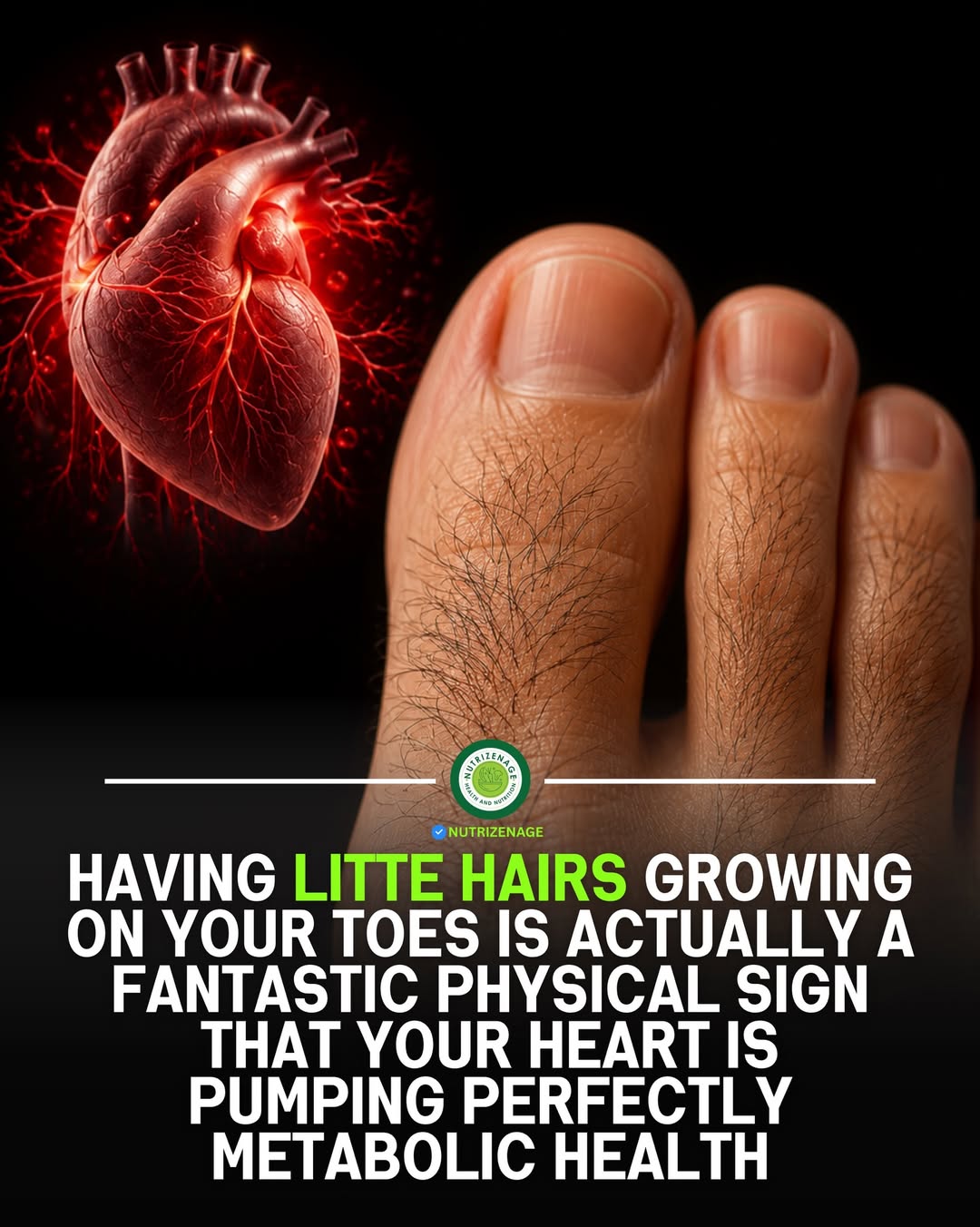
This is actually true (although the caption on the picture is obviously exaggerated). While it sounds unexpected, hair follicles are highly active structures that depend heavily on a continuous supply of oxygen and nutrient-rich blood.
When blood flow to the lower extremities is restricted—most commonly due to Peripheral Artery Disease (PAD)—the body prioritizes keeping vital tissues alive over non-essential functions like growing hair. As a result, hair follicles on the shins, ankles, feet, and toes can shift into a permanent resting phase and fall out.
#padHD #toehairHD
Most people never think twice about the tiny hairs growing on their toes—but they can sometimes offer a clue about blood flow to your feet.
Hair follicles need a steady supply of oxygen and nutrients delivered through healthy circulation. That’s why many healthcare professionals include an examination of the feet when assessing vascular health. If you naturally have small hairs on your toes, it often suggests that blood is reaching the area well.
On the other hand, if toe hair suddenly disappears, especially along with symptoms like cold feet, leg pain while walking, numbness, slow-healing wounds, or changes in skin color, it could be worth discussing with your healthcare provider. Toe hair alone is not a reliable test for heart health, but it can be one small piece of the overall picture.
Remember, circulation is influenced by many factors, including staying physically active, not smoking, managing blood pressure, controlling blood sugar, and maintaining healthy cholesterol levels.
#HeartHealth #BloodCirculation