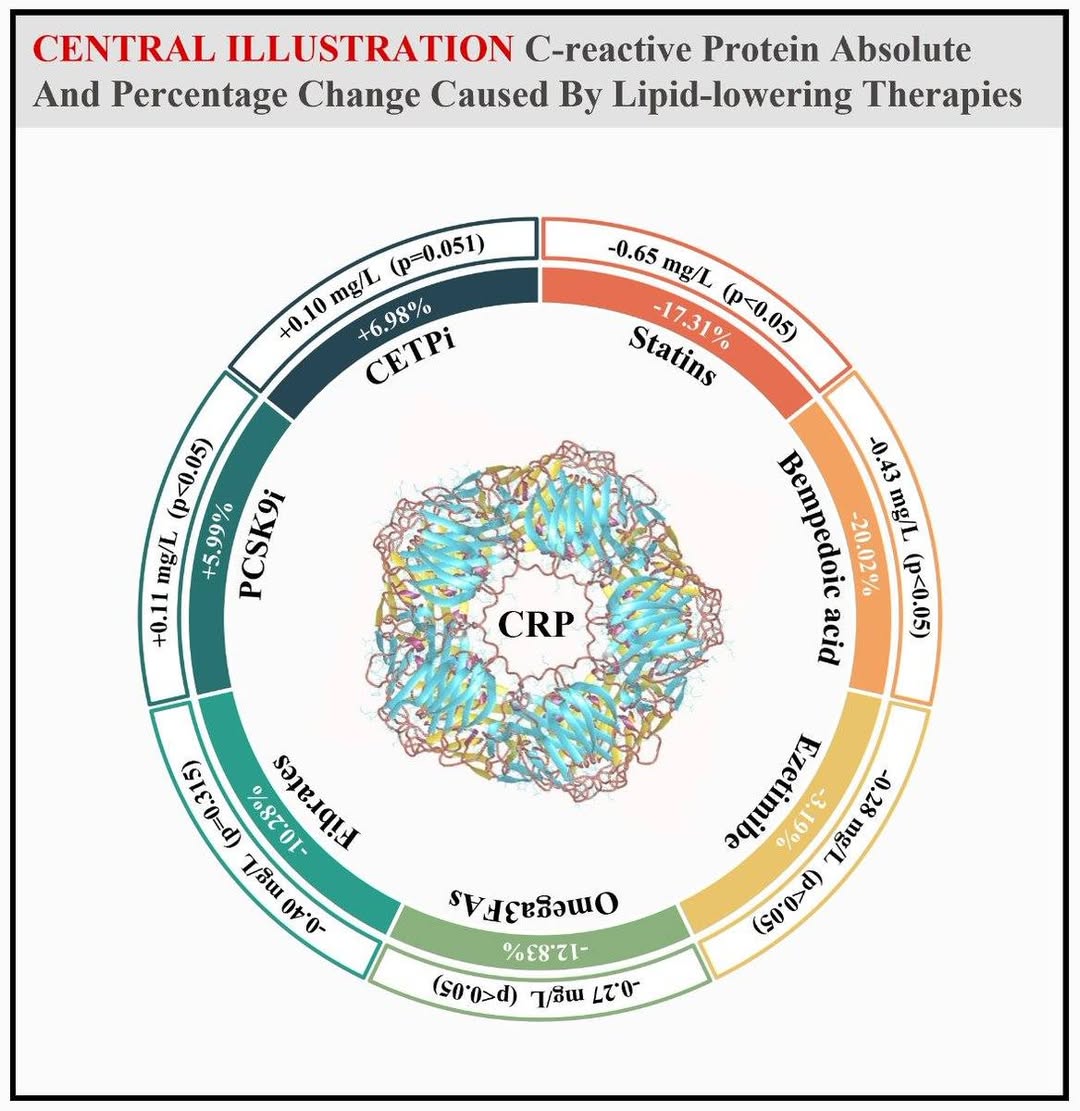
A leading theory for WHY statins lower inflammation and hsCRP is the stabilizing effect that they have on plaque.
It is the unstable plaque that generates much of the inflammation in the first place.
“The JUPITER trial, years ago, was the first to show that rosuvastatin can lower hsCRP by 37%.”
Reference for video clip:
Video · TikTokon TikToktiktok.com————-
If you watch the entire video in the reference above, he makes a very important point:
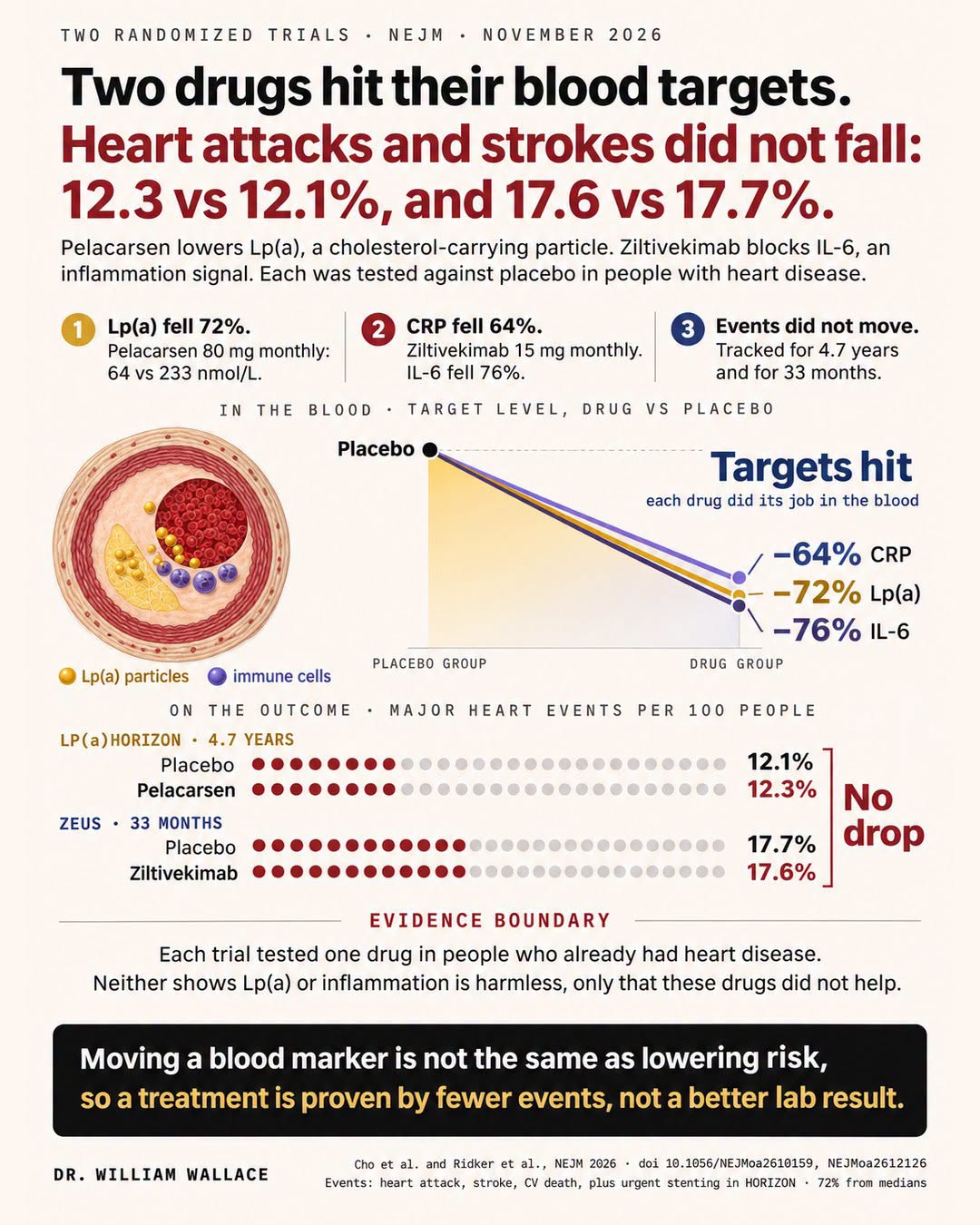
The anti-inflammatory interventions that have worked the best against CVD (like statins or diet) address the underlying upstream causes of the inflammation— instead of just blocking the inflammation downstream after it has already occurred.
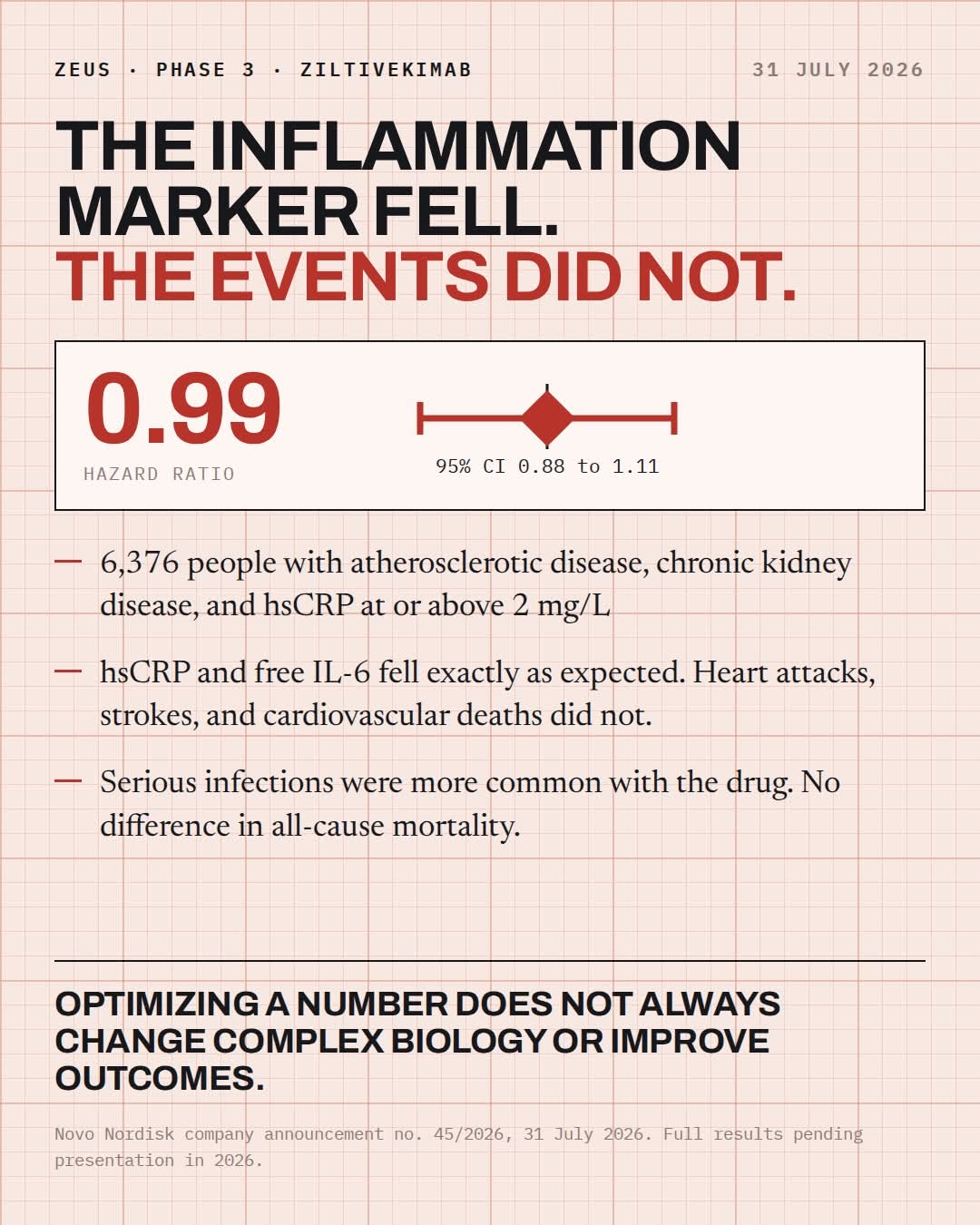
For example, blocking IL-6 with drugs may have failed because it left the underlying inflammatory cause of the high IL-6 unaddressed. The same is true for NSAIDS and corticosteroids. These are all effective at lowering hsCRP and other inflammatory markers downstream, but they actually make heart disease worse, not better.
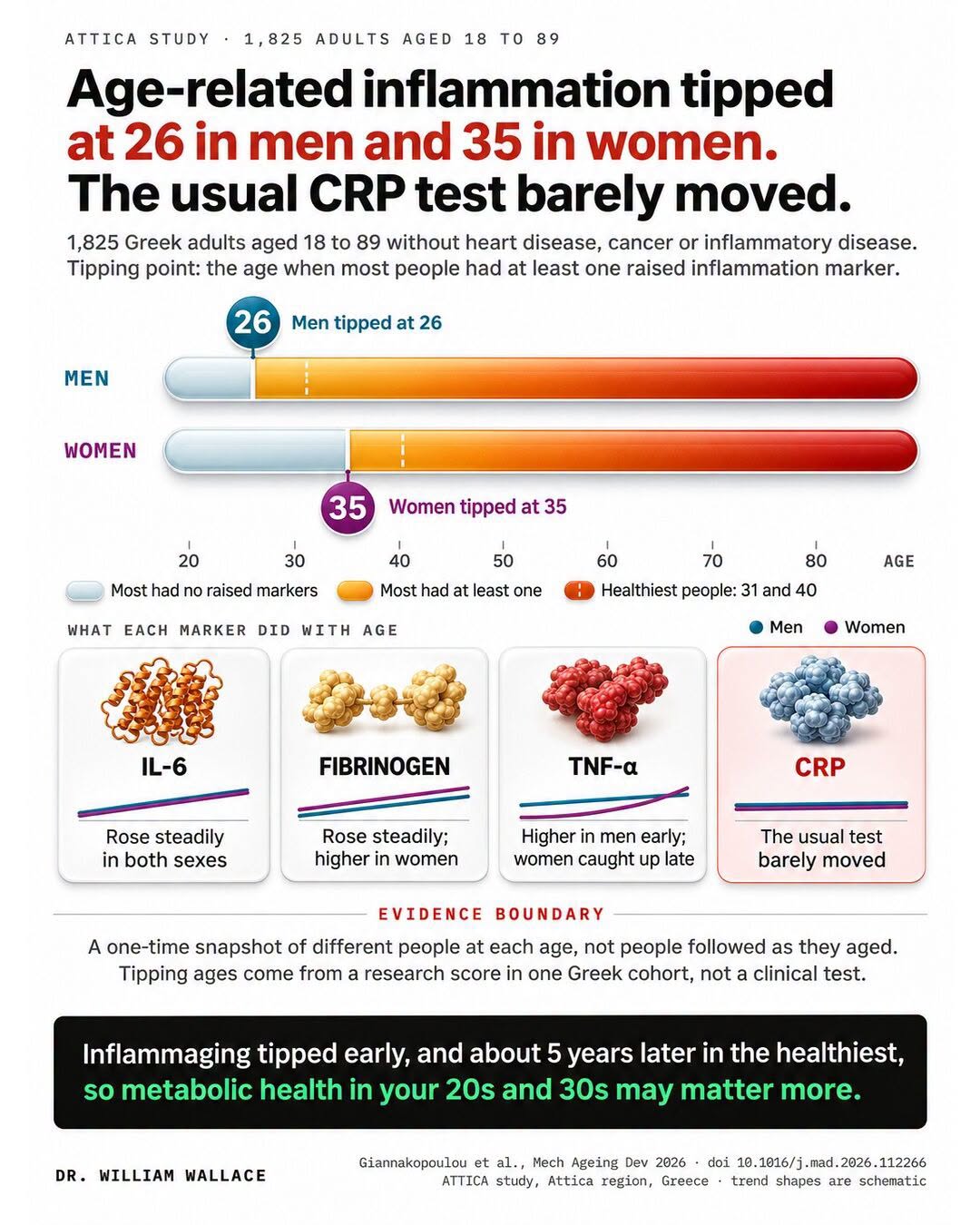
None of this means that inflammation is not a causal factor in heart disease. What it does mean is that we may have to address it upstream close to the causal source for anti-inflammatory interventions to be effective. Diet and exercise are still the best way to do this.
#statinsHD #statinsinflammationHD #hscrpHD #inflammationHD #rosuvastatinHD #jupiterHD #il6HD #nsaidsHD #corticosteroidsHD