HD-OPM Archive
Topics › Supplements & vitamins

CoQ10 may reduce gum bleeding and inflammation in periodontitis (11-trial meta-analysis)

Louis Nervegna · Aug 24, 2026 · ♥ 35 reactions · 8 comments · original Facebook post
Supplements & vitaminsInflammation & CRP
AI summary & key facts

Louis notes the CoQ10 taken for heart health might also reduce gum disease. A 2022 meta-analysis of 11 clinical trials found CoQ10, topical or oral, lowered gum bleeding and gingival inflammation alongside standard periodontal treatment.

The CoQ10 that you take for your heart might also be improving your oral health by preventing gum disease (periodontitis).

Link to journal paper:

Paper · J Evid Based Dent Pract · 2022THE EFFECT OF COENZYME Q10 ON PERIODONTITIS: A SYSTEMATIC REVIEW AND META-ANALYSIS OF CLINICAL TRIALS.Conclusion: Our findings encourage administration of coenzyme Q10 gel in periodontitis based on its meaningful effect on Plaque Index, Bleeding Index, gingival index, clinical attachment level and Pocket Depth. Future studies with better qualities are required for a better conclusion.pubmed.ncbi.nlm.nih.gov
#coq10HD #periodontitisHD #periodontaldiseaseHD

Research cited

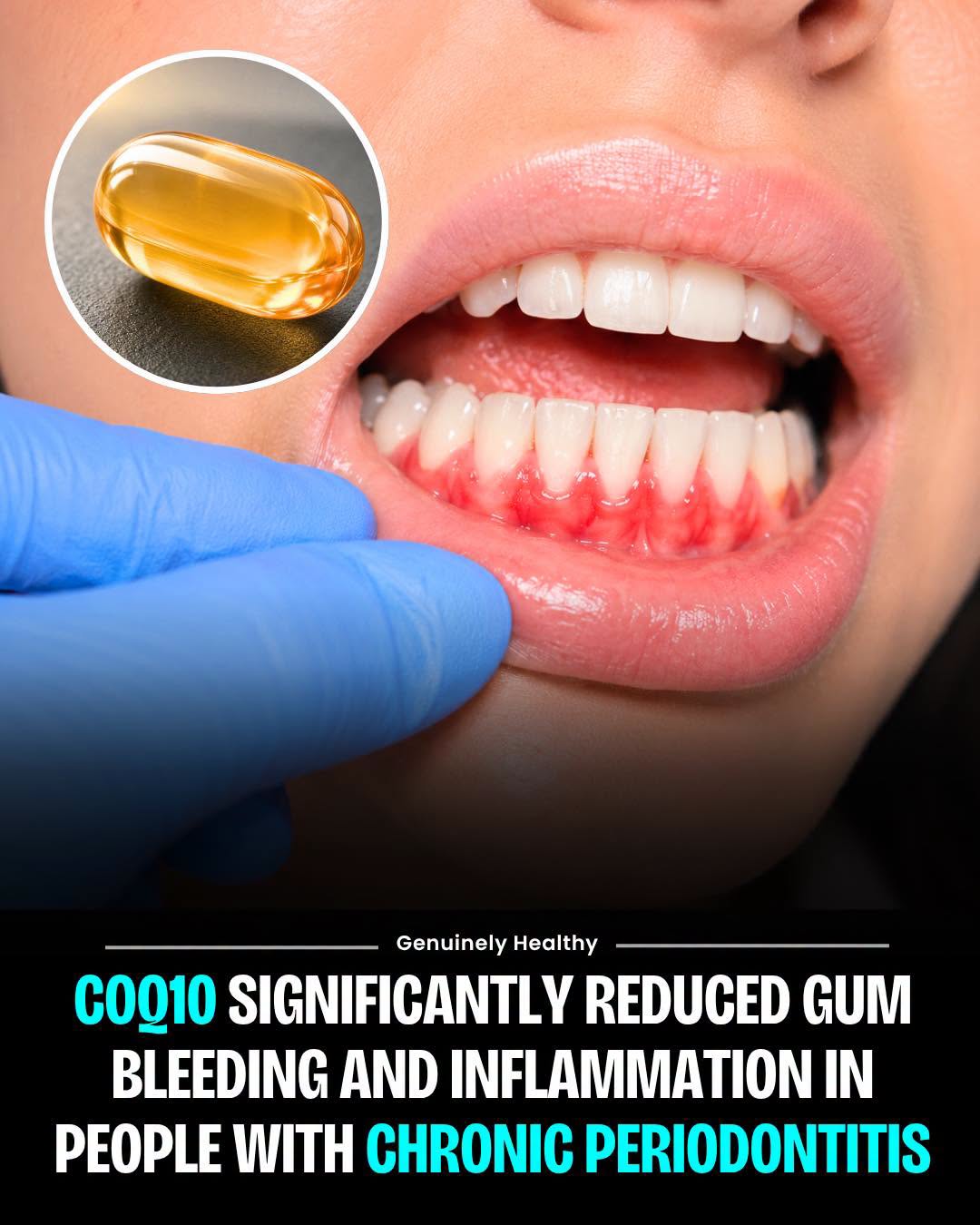
Research suggests that Coenzyme Q10 (CoQ10) may significantly reduce gum bleeding and inflammation in people with chronic periodontitis, especially when used alongside standard periodontal treatment such as scaling and root planing.

Clinical studies using CoQ10—either applied directly to periodontal pockets or taken orally—have reported improvements in measures such as gingival inflammation, bleeding on probing, periodontal pocket depth, and clinical attachment.

A 2022 systematic review and meta-analysis of 11 clinical trials found significant reductions in both bleeding and gingival inflammation with CoQ10 supplementation.

May be an image of text that says 'Genuinely Healthy GenuinelyHealthy Hea COO10 SIGNIFICANTLY REDUCED GUM BLEEDING AND INFLAMMATION IN PEOPLE WITH CHRONIC PERIODONTITIS'
← newer: Nattokinase looks promising but is unproven and is no substiolder: Caffeic acid in coffee activates the NR4A1 receptor and may →