HD-OPM Archive
Topics › Nuts, fish, coffee, tea, cocoa & other foods

Caffeic acid in coffee activates the NR4A1 receptor and may explain health benefits

Louis Nervegna · Aug 23, 2026 · ♥ 6 reactions · 0 comments · original Facebook post
Nuts, fish, coffee, tea, cocoa & other foodsInflammation & CRP
AI summary & key facts

Louis shares a study suggesting caffeic acid, not just chlorogenic acid, may drive coffee's health benefits by activating the stress-protective receptor NR4A1 (Nur77). Caffeic acid is unrelated to caffeine and also found in turmeric, thyme, sage and olive oil.

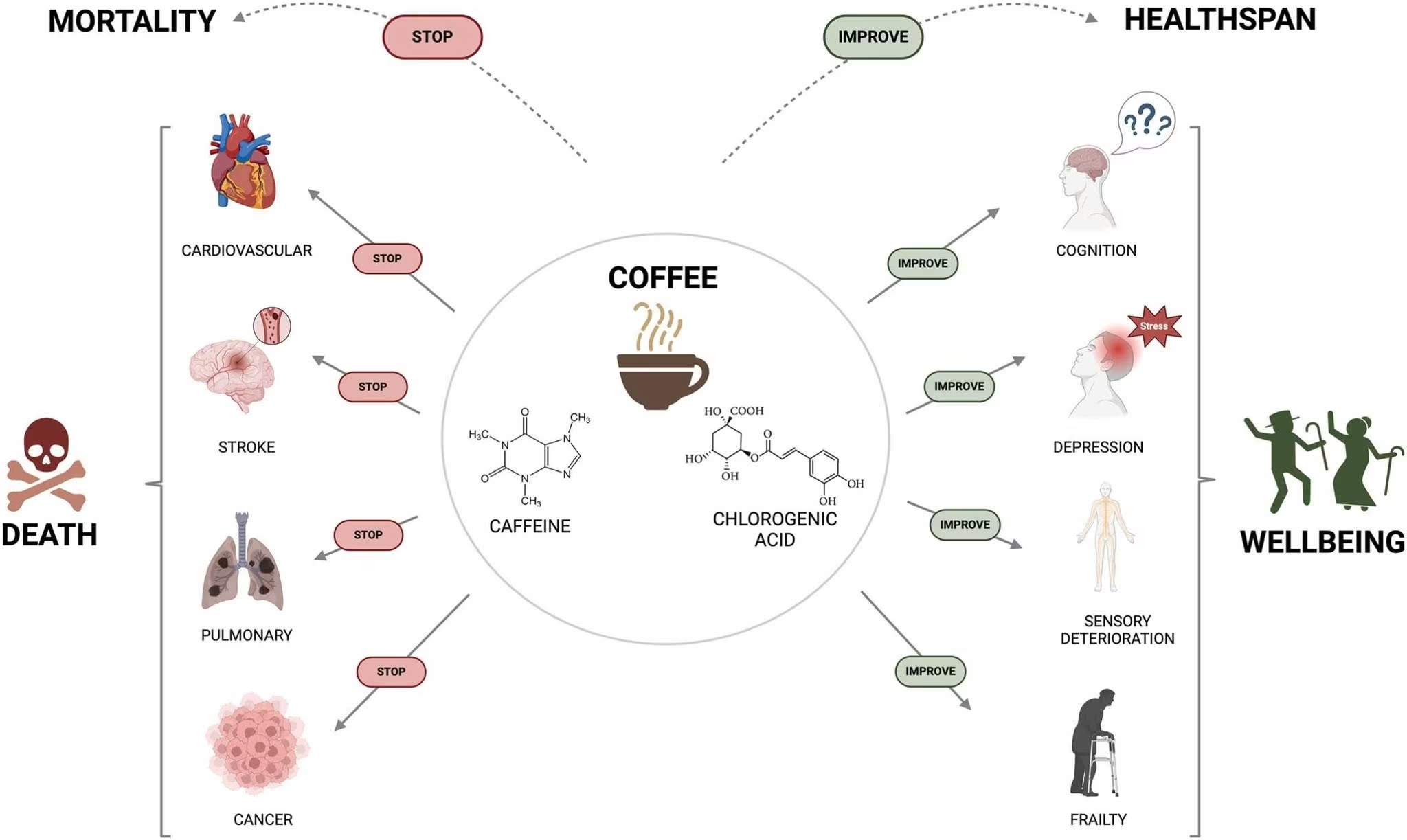
Chlorogenic acid seems to get a lot of the credit when it comes to the health benefits of coffee, but a new study suggests that caffeic acid might be playing a big role too.

(Despite its name, caffeic acid is chemically unrelated to caffeine. It is found in most plants, but is particularly high in coffee.)

#coffeeHD #caffeicacidHD

Research cited

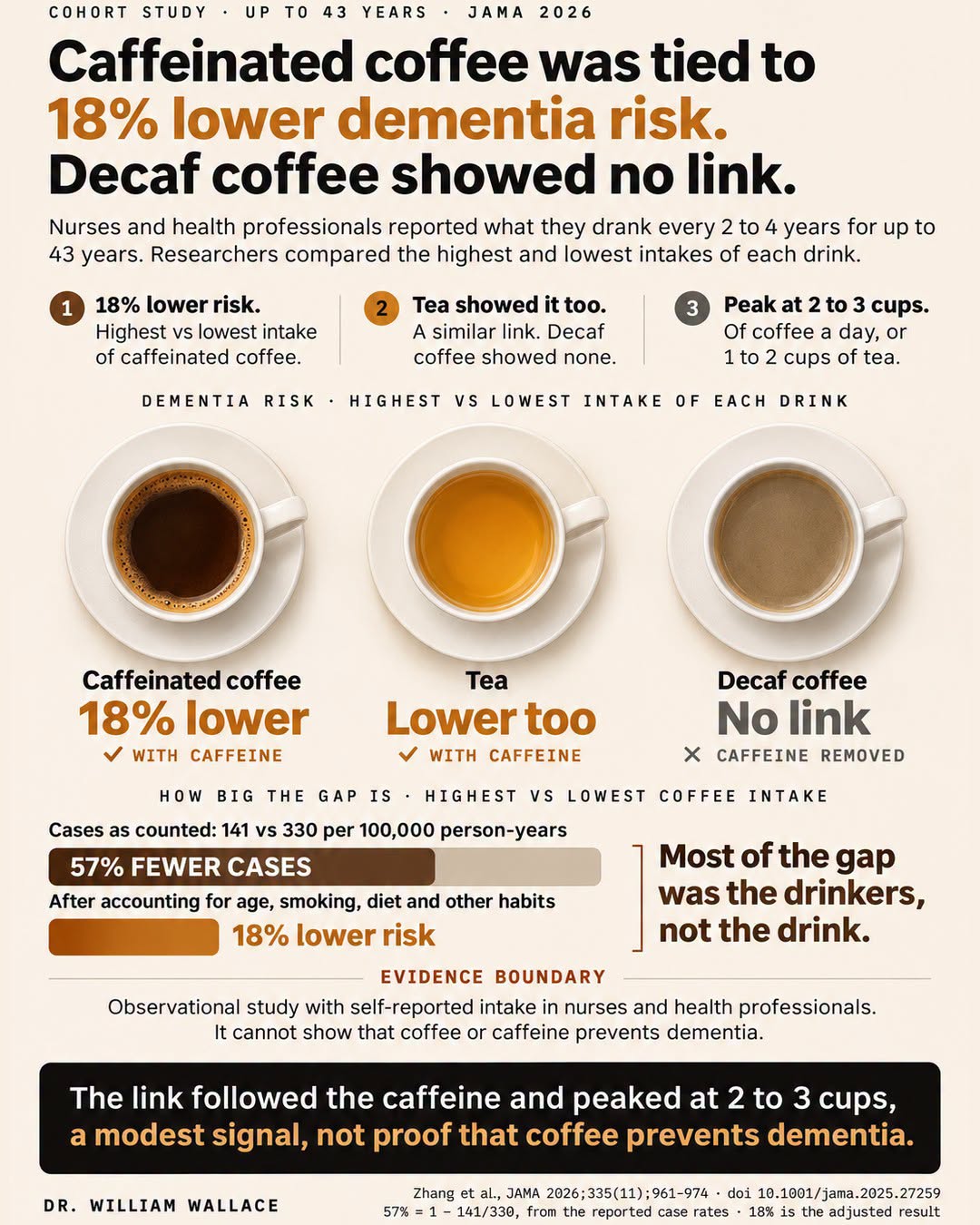
Caffeinated coffee has repeatedly been shown to provide benefits for health and aging - though the exact amount to consume and the mechanisms it uses have been incompletely explained. A new study solves some of the mystery by showing compounds in coffee, particularly caffeic acid, activate a receptor that helps protect cells from stress, inflammation, and damage (NR4A1, also called Nur77). Some other great sources of caffeic acid include turmeric, thyme, sage, and olive oil. Coffee may help the body fight stress and aging through a hidden cellular switch (ScienceDaily)

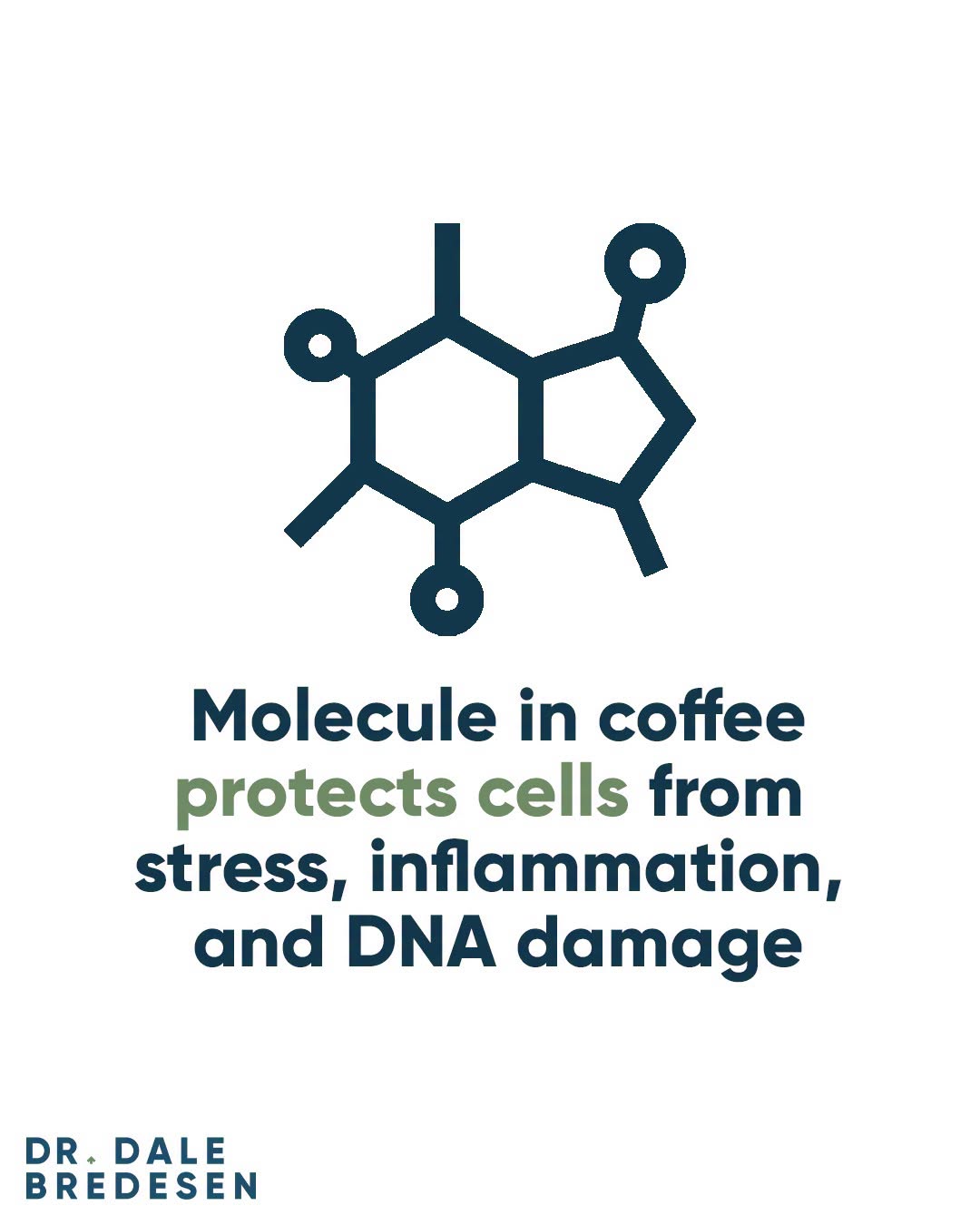
May be an image of text that says 'शरੰ Molecule in coffee protects cells from stress, inflammation, and DNA damage DR. DALE BREDESEN'
← newer: CoQ10 may reduce gum bleeding and inflammation in periodontiolder: Dietary choline may protect mitochondria and slow brain-cell →