Depression, obesity, Alzheimer’s and heart disease are all wildly different diseases, yet all are influenced by diet. This shared vulnerability points to metabolism—the way we harvest energy from the food we eat and use it to power our cells.
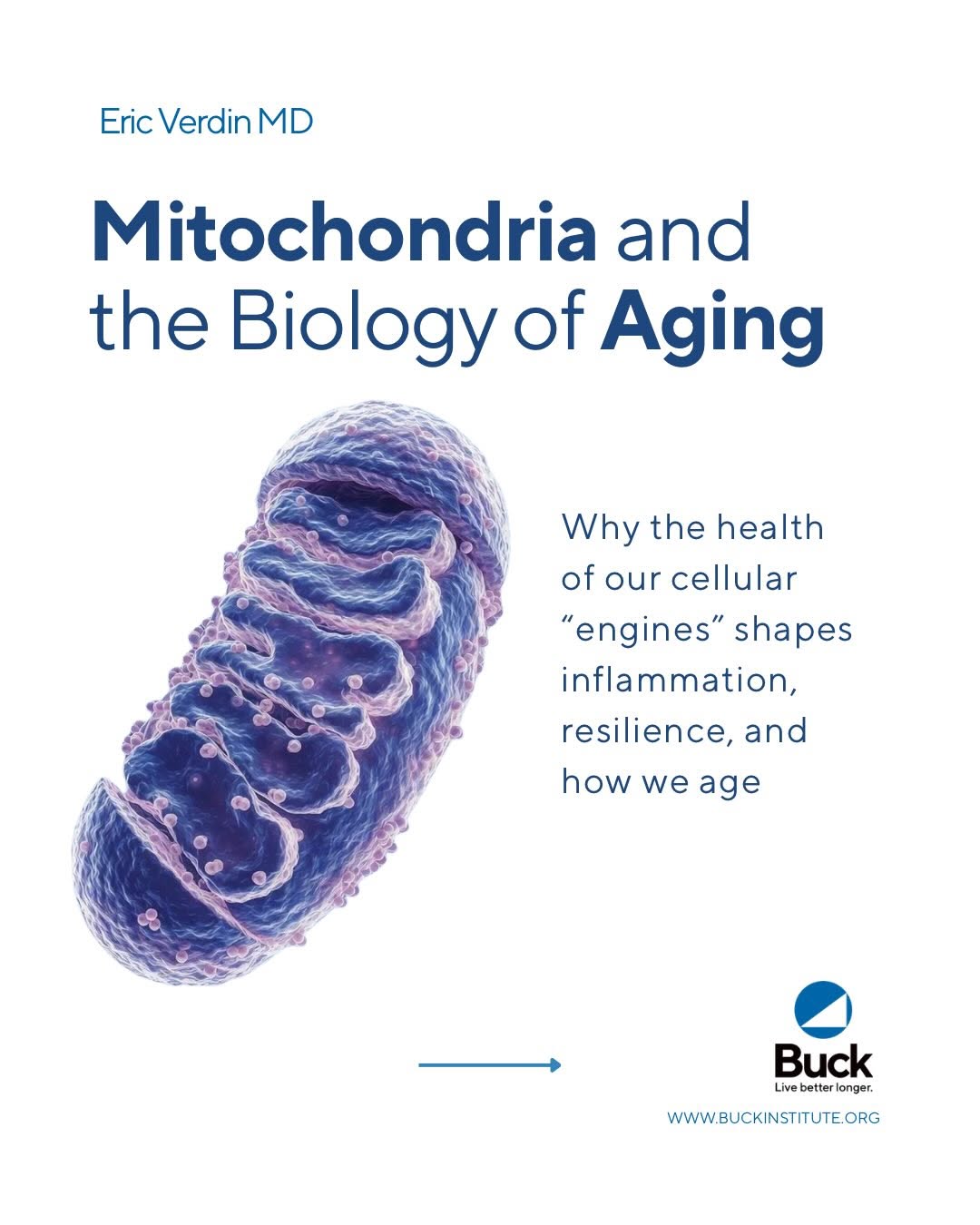
A growing number of scientists are making the big claim that many chronic diseases we treat as separate failures of separate organs may share one deeper problem: cells struggling to extract and use energy from food. At the heart of this argument lie mitochondria, the microscopic organelles that convert energy into adenosine triphosphate, which drives virtually every reaction in the body.
Disruptions in cellular energy can have very different consequences throughout the body. “If it’s in the muscle, you get muscular degeneration, myopathies, things like that. If it’s in the heart, you get different types of heart disease,” says Matt Kaeberlein, former director of the Healthy Aging and Longevity Research Institute. The claim that mitochondrial dysfunction is a factor in mental health disorders as well as physical ones is surprising to many people. But the brain is the most energy-hungry organ in the body.
As mitochondrial dysfunction has become a familiar suspect in disease and aging, efforts to tinker with it now range from a cottage industry of supplements to experimental interventions involving gold nanoparticles. But the hacks have thus far disappointed. For now the boring advice has better evidence than the hacks: eat lightly, sleep well, get exercise.
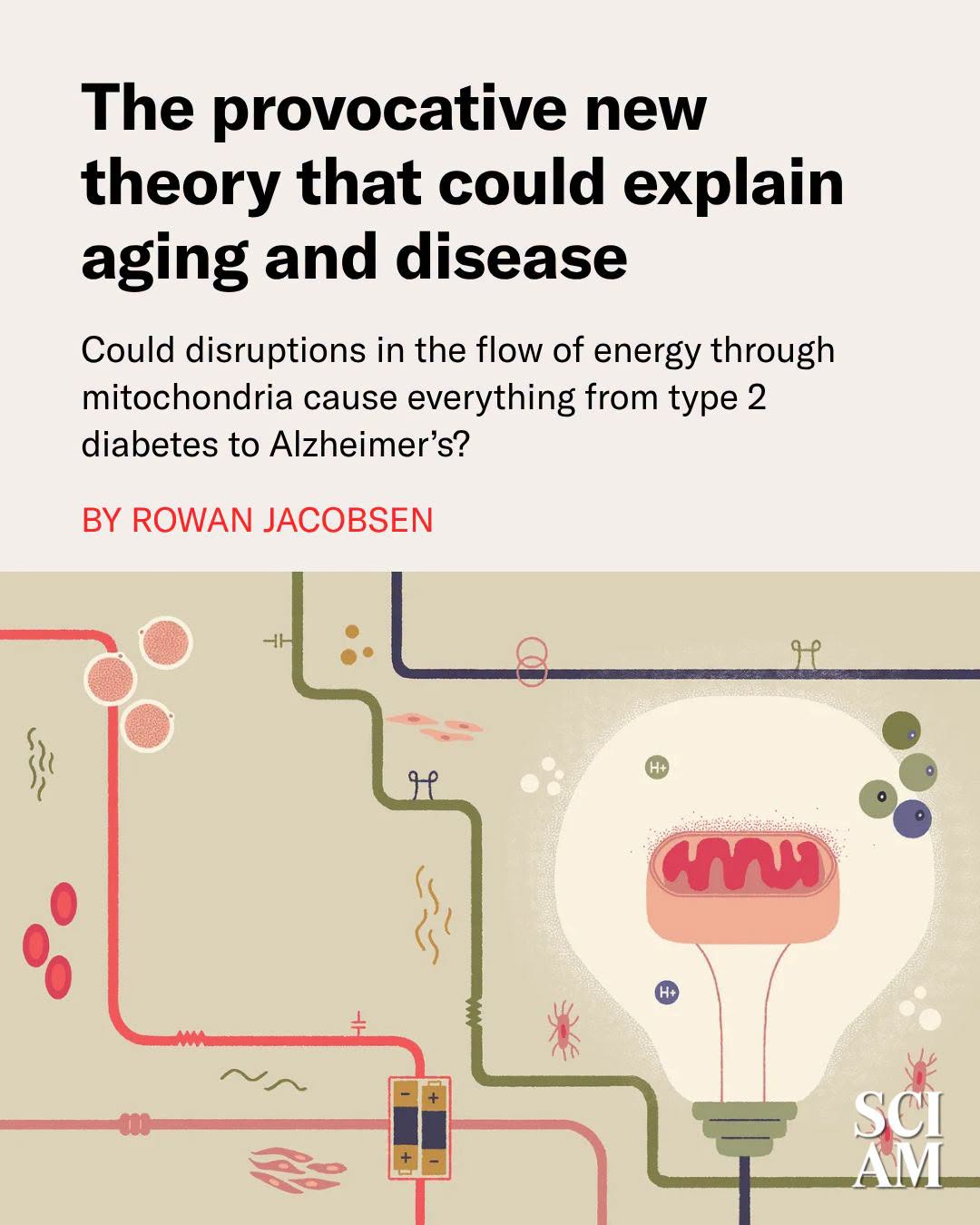
Rather than fixing parts piecemeal after they break down, we can ask what keeps us all happily humming along in the first place. The provocative new theory that could explain aging and disease (scientificamerican.com)