AI summary & key facts
Louis argues statins are not toxic to muscle in most people. Myalgia occurs in some, possibly with a genetic susceptibility, while rhabdomyolysis is very rare (about 1 in 100,000, or 1 in 10,000 conservatively). Switching statins (e.g., to pravastatin or pitavastatin) or using non-statin LDL drugs can help, and low-dose statins are being studied as a treatment for sarcopenia.
- Rhabdomyolysis from statins about 1 in 100,000 (maybe 1 in 10,000)
- Many who get myalgia on one statin tolerate another such as pravastatin or pitavastatin
- A 2023 hypothesis paper proposes short-term low-dose statins for acute sarcopenia
- Non-statin LDL drugs exist that do not cause myalgia
Statins & Muscle Pain
Statins can cause myalgia (muscle pain) in some people. That is well known. These people suffer from a genetic mutation that makes them more susceptible to statin-induced myalgia. Eventually, we will have a simple genetic test that tells us exactly who will get myalgia from statins and who will not.
↪ Statin muscle side effects may stem from HMG-CoA reductase gene variants
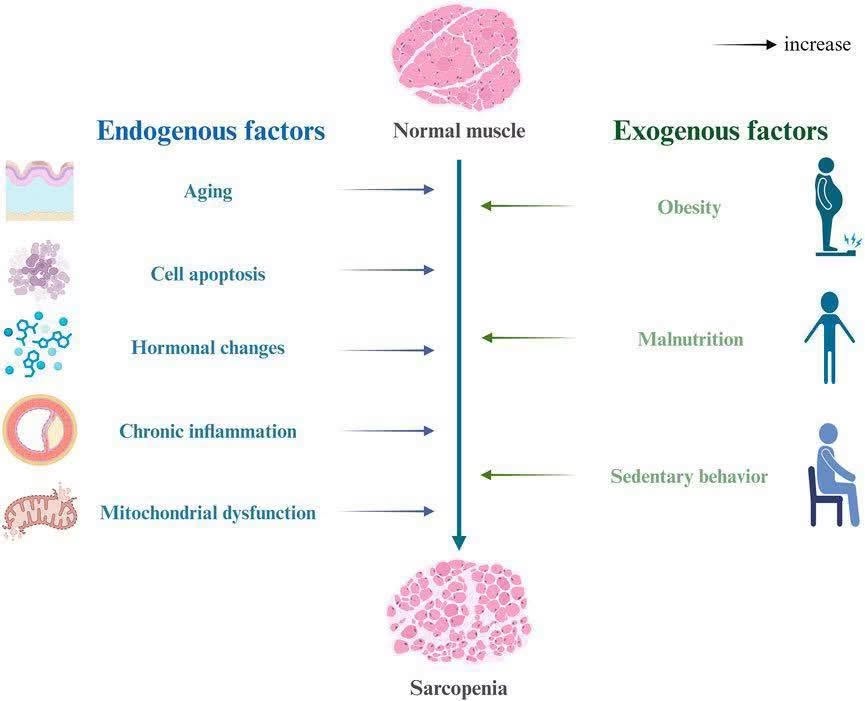
Myalgia is pain in the muscle, not atrophy of the muscle. They are two different things. Myopathy severe enough to cause atrophy is very rare from statins. Newer research is actually hinting that statins— like metformin— actually have beneficial effects on muscle in the long term. In fact, statins are now being studied as a possible preventative and treatment for age-related muscle atrophy (sarcopenia). And so is metformin.
↪ Statin muscle toxicity overstated: rhabdomyolysis ~1 in 100,000; sarcopenia use studied
↪ Metformin reduced muscle atrophy and fibrosis during bed rest in older adults
Many people who get myalgia from one particular statin do not get it when switching to a different statin, e.g. after switching to pravastatin or pitavastatin.
There are also multiple new LDL lowering drugs to try in place of statins which do not cause myalgia.
The idea that statins are toxic to muscle in normal doses used to treat high cholesterol is just plain wrong.
This is not true in people who do not experience myopathy.
Serious muscle-related side effects like rhabdomyolosis (muscle breakdown) from statins are very rare. Rhabdomyolosis from statins occurs in 1 out of 100,000 people, or maybe 1 in 10,000 if being conservative. This is very different from myopathy (muscle pain) which is relatively common with statins. They are two very different things.
In fact, statins are being studied as a potential treatment for sarcopenia (age-related muscle loss) in old people.
The hormetic effects that statins exert in the mitochondria of muscle tissue may have important benefits to muscle in the long term. They may prevent sarcopenia by slowing down the aging process in muscle.
Quoted:
“The authors propose that short-term use of low-dose statins may be a promising option for preventing and treating acute sarcopenia. This hypothesis is based on the mechanisms of action of statins, which demonstrate hormesis-like effects with no direct muscle-toxic effects at low doses, as well as muscle-beneficial indirect effects through other body systems such as the immune-endothelial system and the gut microbiota at low doses. Additionally, supportive observational studies suggest beneficial muscle effects in inflammatory subgroups of older people, with a safe track record of statins in older people at short-term low doses.”
.
PaperScienceDirect articlesciencedirect.com
Metformin is also being studied as a treatment for sarcopenia. Its mechanism also involves hormetic effects on mitochondria in muscle tissue.
↪ Metformin reduced muscle atrophy and fibrosis during bed rest in older adults
We know the cause of statin induced myopathy.
It only occurs in people that have a genetic susceptibility.
↪ Statin muscle side effects may stem from HMG-CoA reductase gene variants
In most people, myopathy is not an issue from statins. These people do not experience any negative effect on muscle from statins. In fact, the statins may be protecting the muscle tissue in the long term via hormetic mechanisms.
#myopathyHD #statinsHD #sarcopeniaHD #hormesisHD #metforminHD #microbiomeHD #muscleHD #agingHD #longevityHD #mitochondriaHD #myalgiaHD #statinsmyalgiaHD #statinsmuscleHD