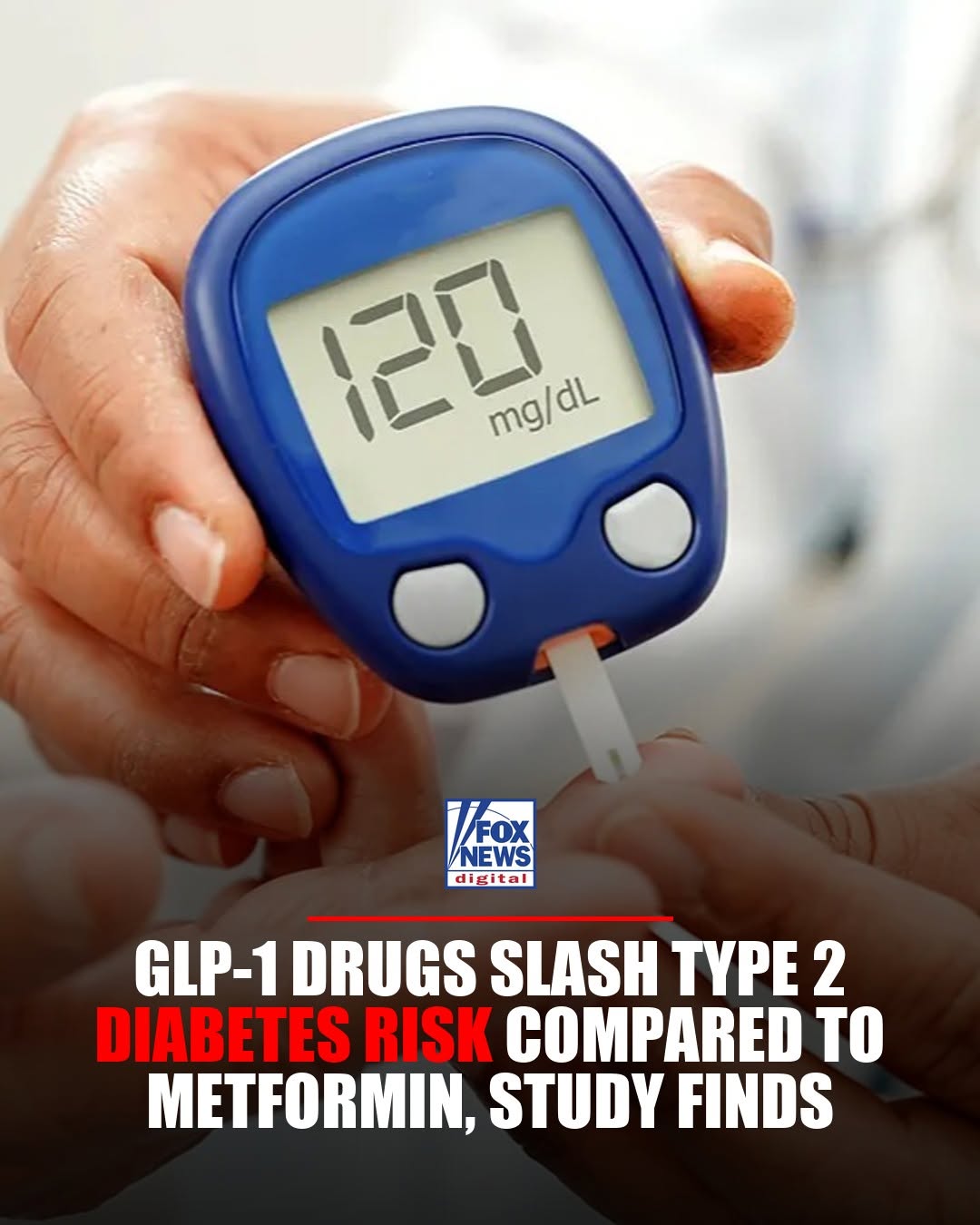
In obese patients with prediabetes, use of GLP1 agonist drugs was associated with 31% lower risk of developing full-blown diabetes than use of metformin.
Compared to metformin, GLP1 drugs were also associated with 41% lower overall mortality, as well as 20% less strokes, 15% less heart attacks, 25% less heart failure, and less atrial fibrillation.
My note:
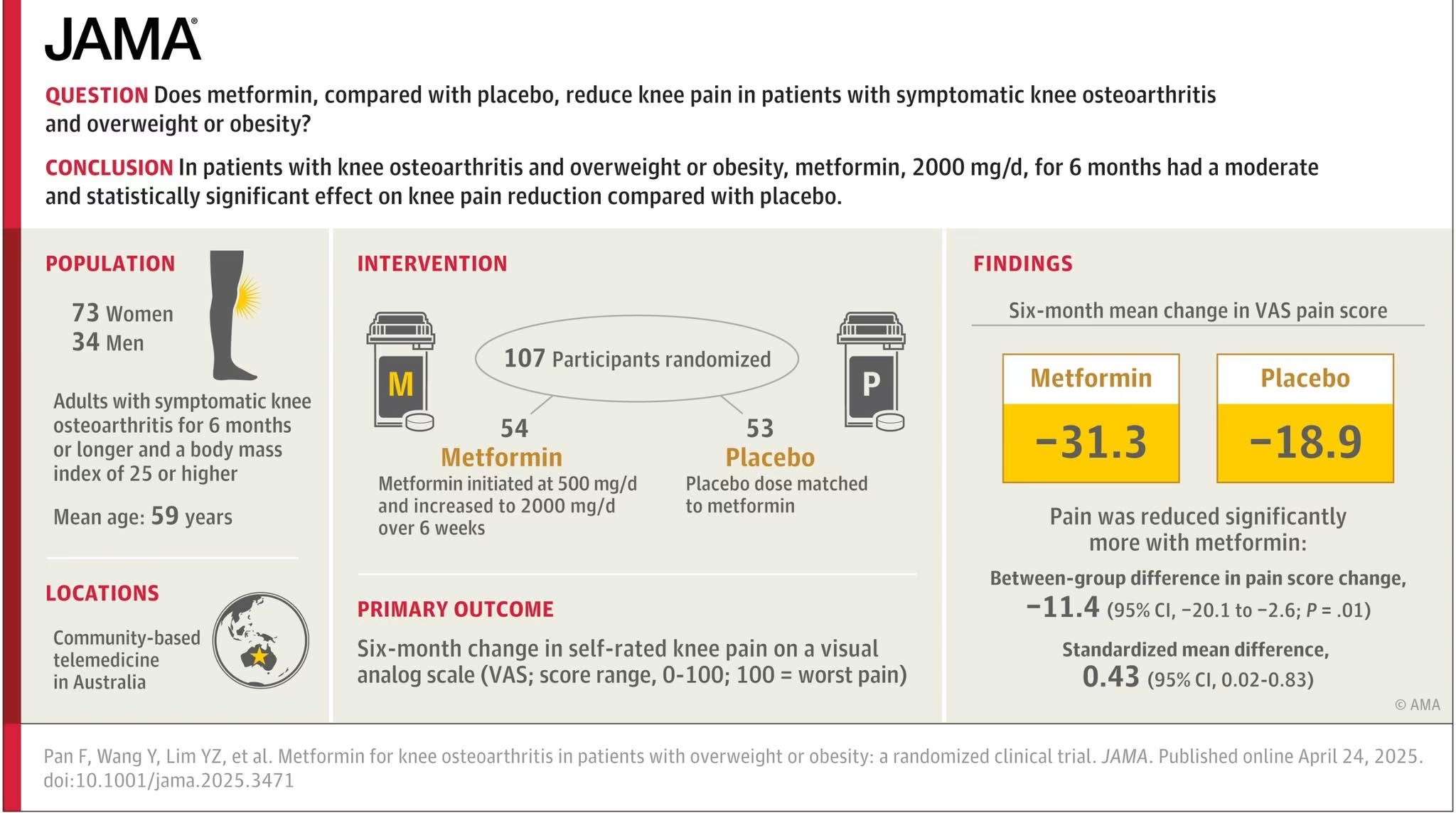
This is impressive, given that previous randomized trials have shown metformin by itself modestly lowers the risk of prediabetes developing into diabetes.
The diabetes result makes a lot of sense, because diabetes is fundamentally caused by accumulation of ectopic fat in the liver and pancreas. GLP1 drugs directly target this ectopic fat. They address the root cause.
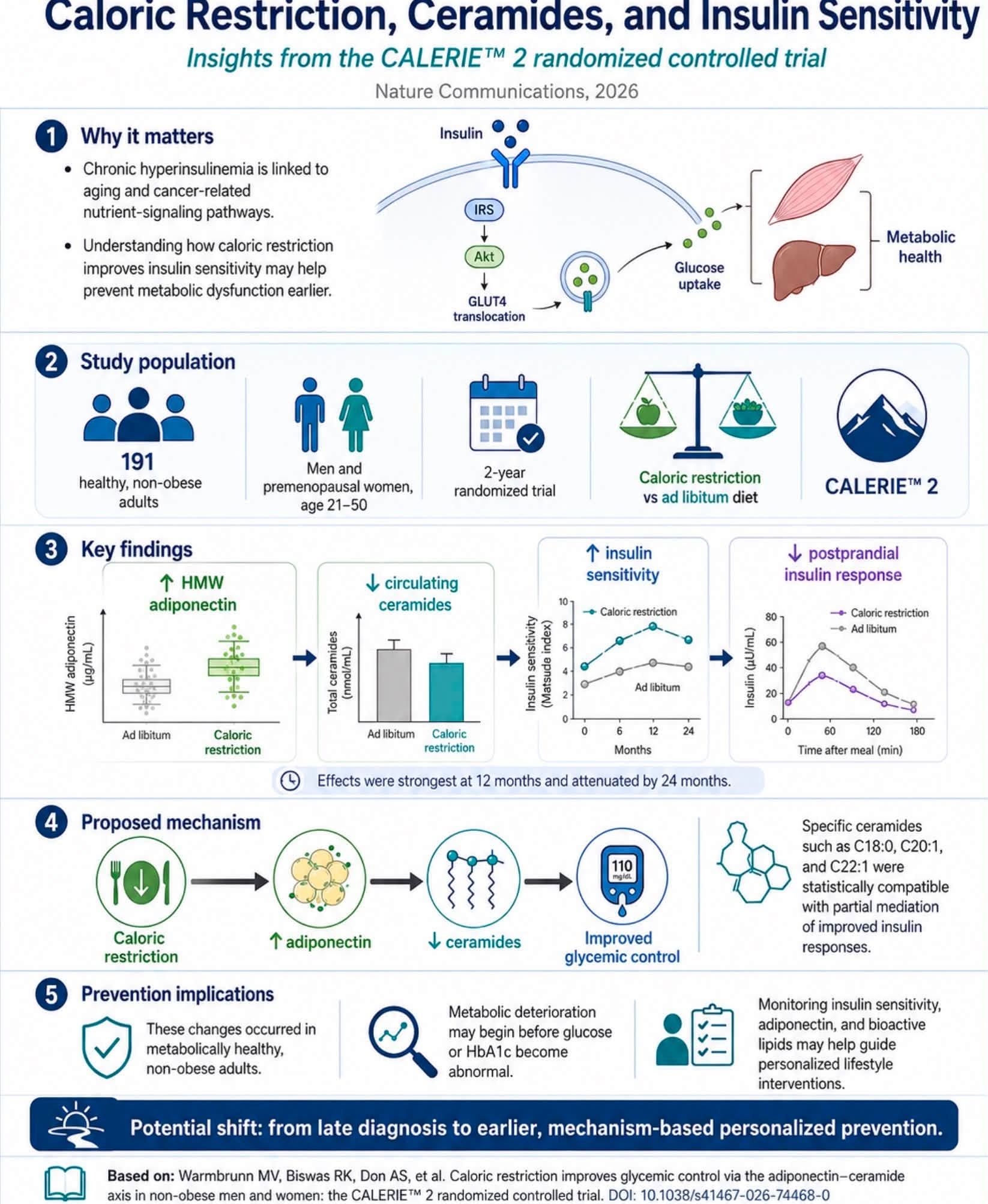
The other results seem to be a testament to the power of caloric restriction.
Quoted:
Adults with prediabetes and obesity who took GLP-1-based medications had a 31% lower risk of developing type 2 diabetes and a 41% lower risk of death compared with those taking metformin.
The findings, which come from a large observational study, are set to be presented at the American Heart Association’s Scientific Sessions 2026 this weekend in Chicago. They have not yet undergone the full peer review process.
The study involved health records for 256,492 adults with prediabetes and obesity, averaging 52 years of age.
Approximately half of the group received GLP-1 (glucagon-like peptide-1 receptor agonists) medications – including semaglutide, tirzepatide, liraglutide and dulaglutide – and half received metformin.
Based on a three-year follow-up, in addition to the lower risk of diabetes and all-cause mortality, GLP-1–based medications were associated with 20% fewer strokes, 15% fewer heart attacks and 25% fewer cases of heart failure.
“The 41% lower risk of death from any cause surprised me most," study author Vinicius de Sousa Barzon Serra, M.D., a research fellow in the department of cardiovascular medicine at the Mayo Clinic in Scottsdale, Arizona, told Fox News Digital.
“I expected GLP-1 medications to do better than metformin on blood sugar and diabetes risk, because they lead to much more weight loss. I was also struck that the benefit appeared across many outcomes, including heart attack, stroke, heart failure and atrial fibrillation."
“Most earlier research on these medications focused on people who already had diabetes," Serra noted. "Our study suggests the prediabetes stage may be an important time to consider them, rather than waiting until they develop type 2 diabetes."
#glp1HD #metforminHD #glp1prediabetesHD #glp1mortalityHD #glp1cvdHD #glp1heartfailureHD #glp1afibHD #caloricrestrictionHD