HD-OPM Archive
Hashtags

#glp1

79 posts

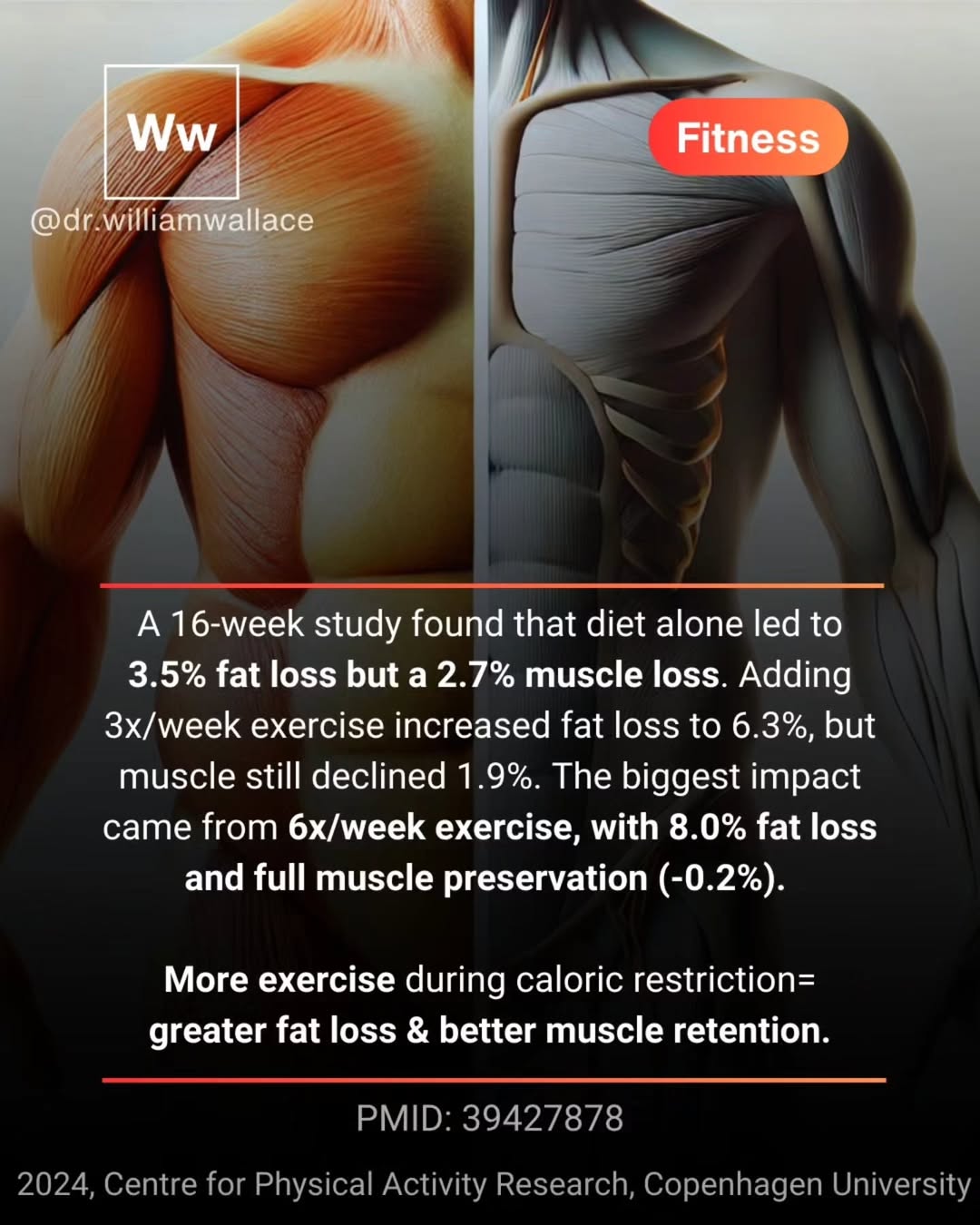
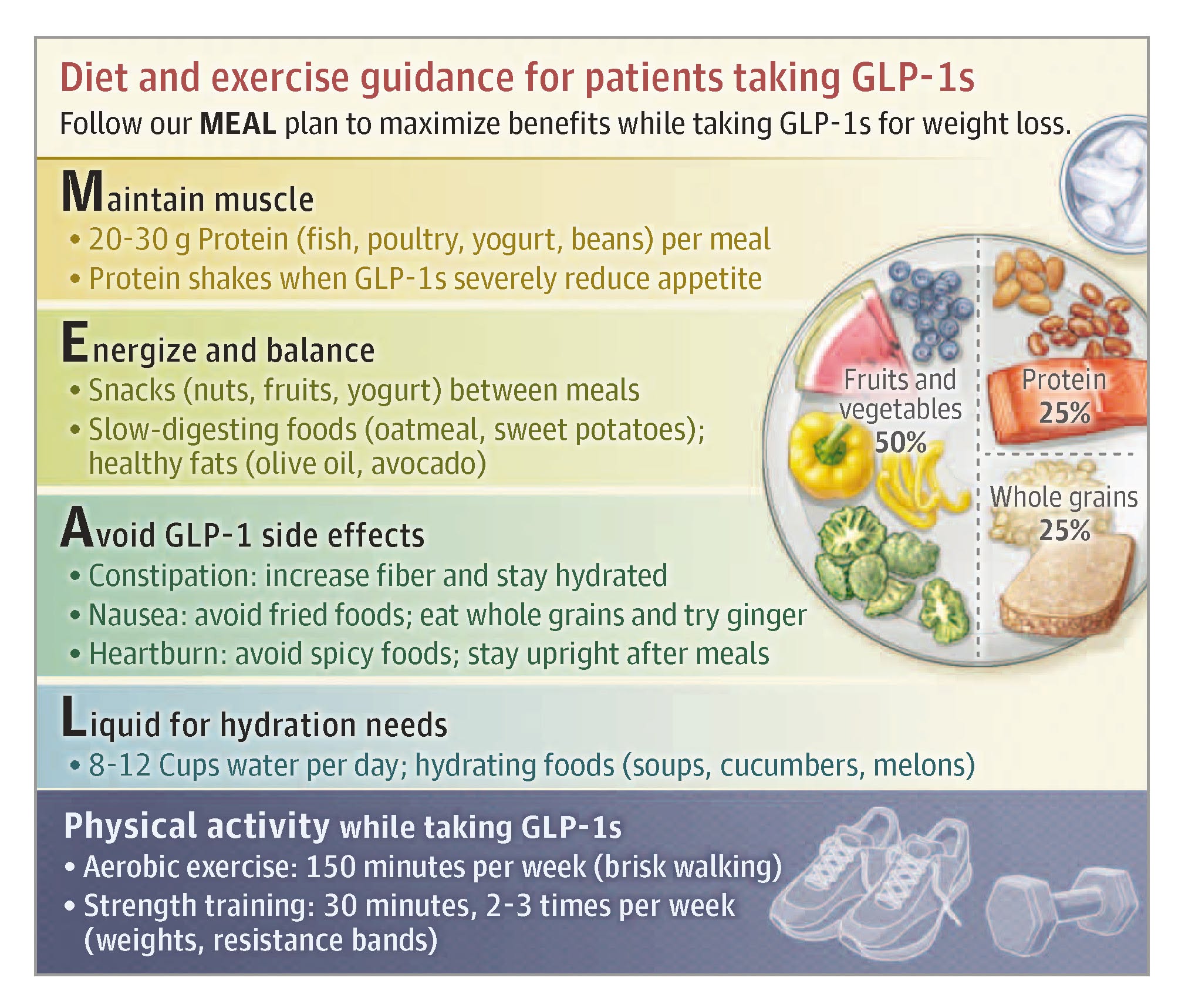
Resistance exercise preserves muscle during calorie restriction and GLP-1 weight loss

Mar 16, 2025 · Louis Nervegna ♥ 23 · 💬 8 Exercise & fitness

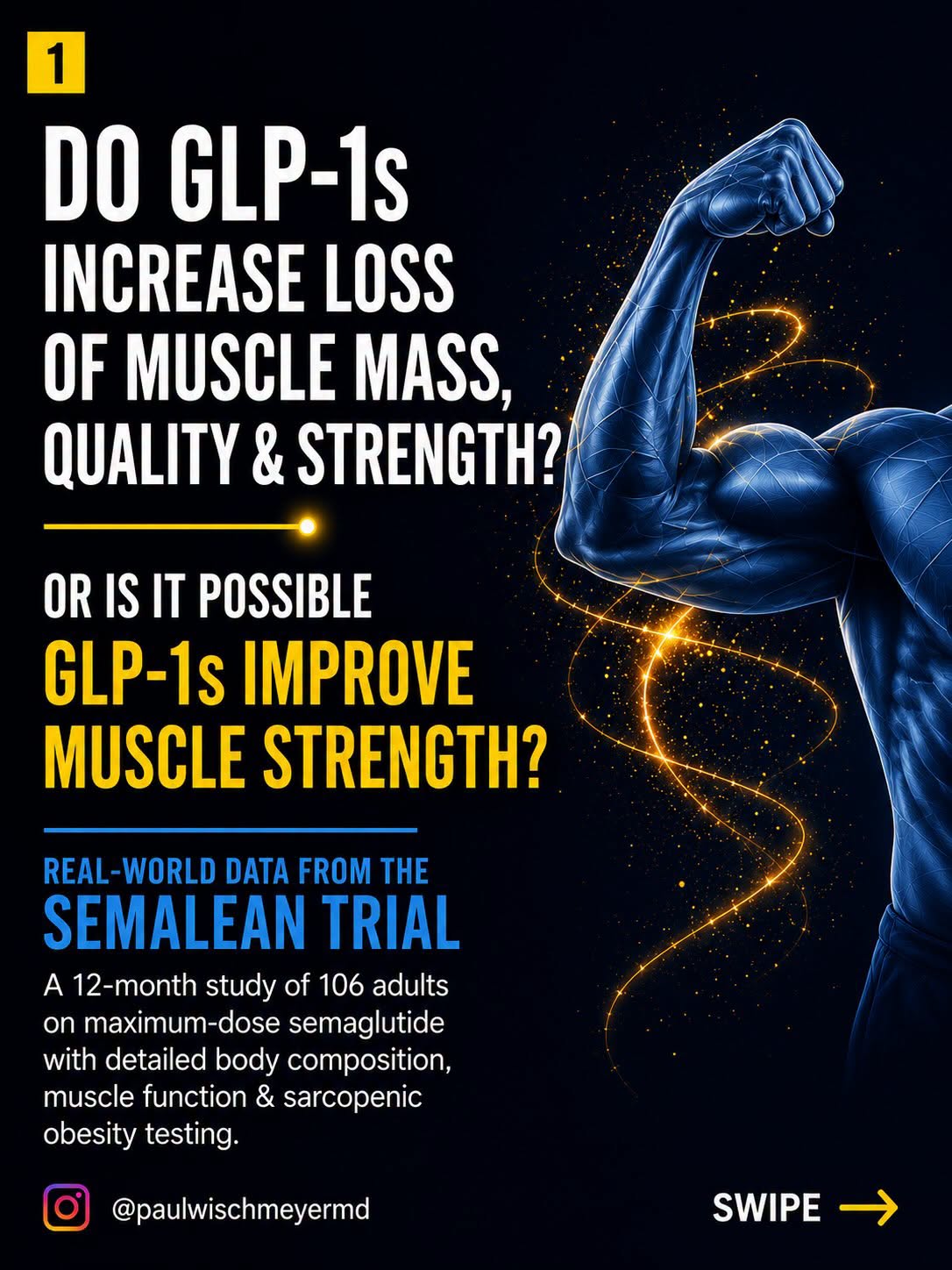
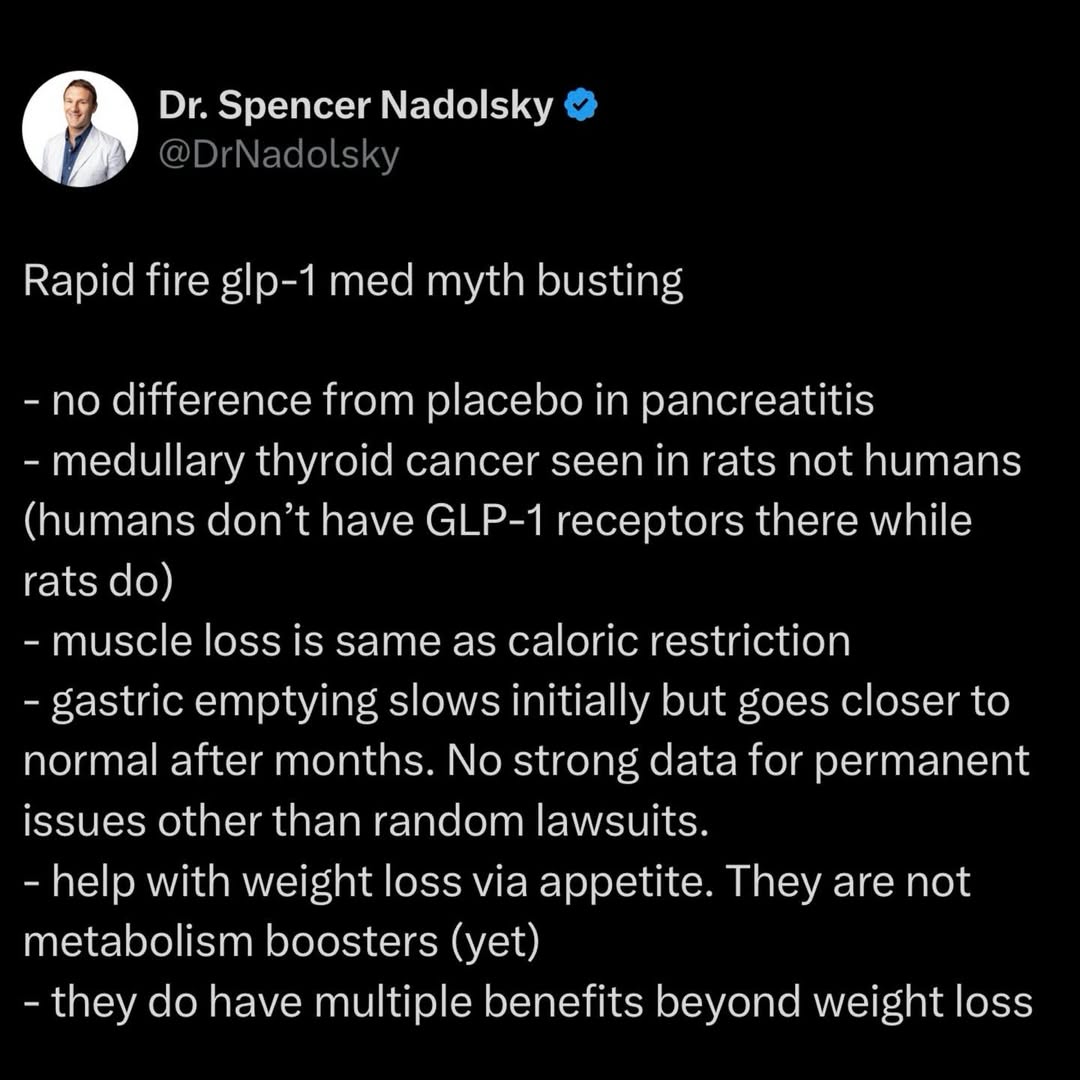
Louis argues that most muscle lost during calorie restriction can be prevented by resistance exercise without raising protein intake, citing over 70 RCTs in which exercise drives nearly all strength gains and extra protein adds only about 5% over 22 weeks. He applies this to GLP-1 drugs, saying their muscle loss comes from calorie restriction rather than a drug side effect. The shared study (16 weeks, 82 people with type 2 diabetes) showed that high-dose exercise with diet fully preserved muscle.

Semaglutide cut inflammation 38% in SELECT; biggest drops tracked with fewer events

Aug 21, 2026 · Louis Nervegna ♥ 20 · 💬 4 GLP-1 drugs (semaglutide, tirzepatide)

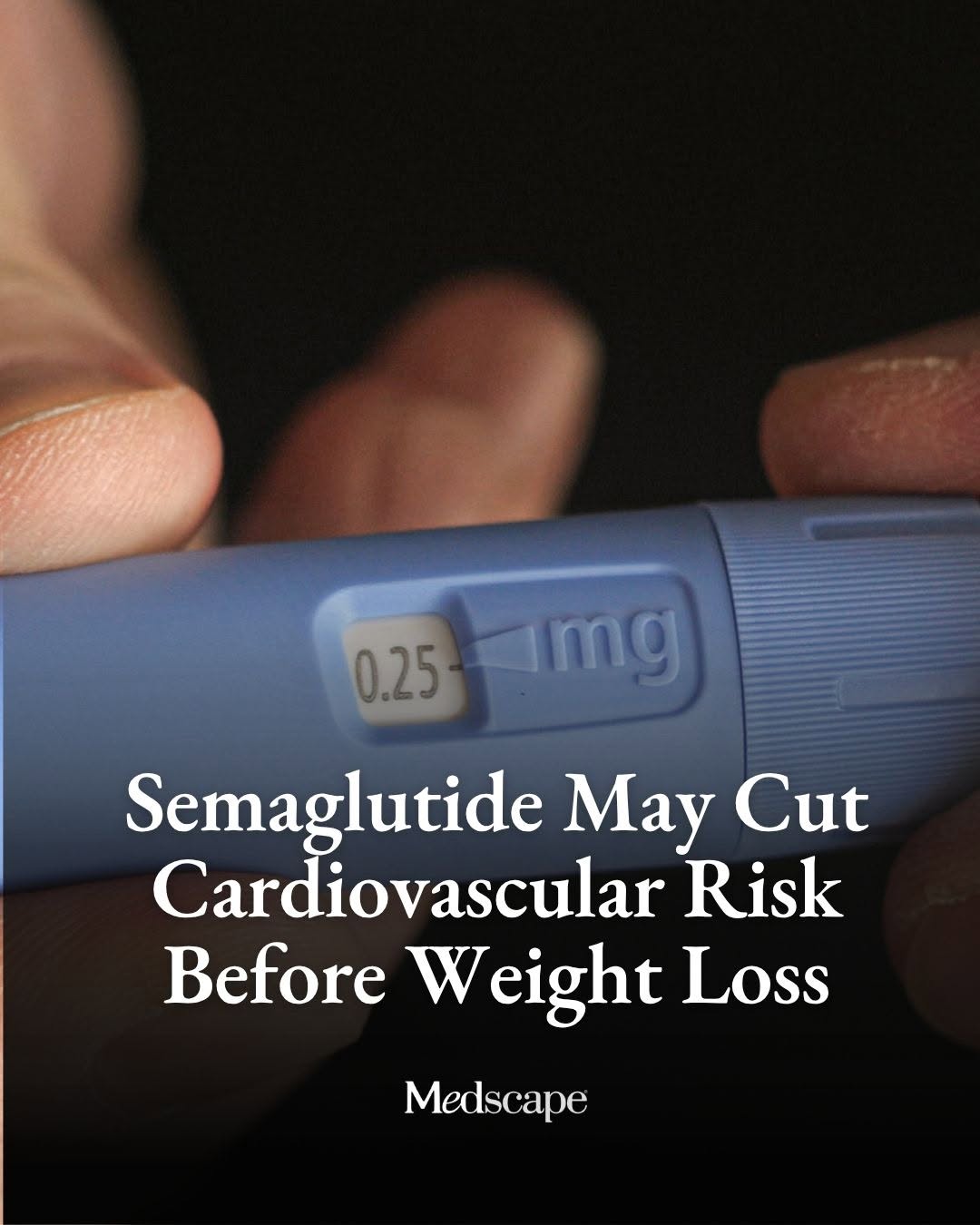
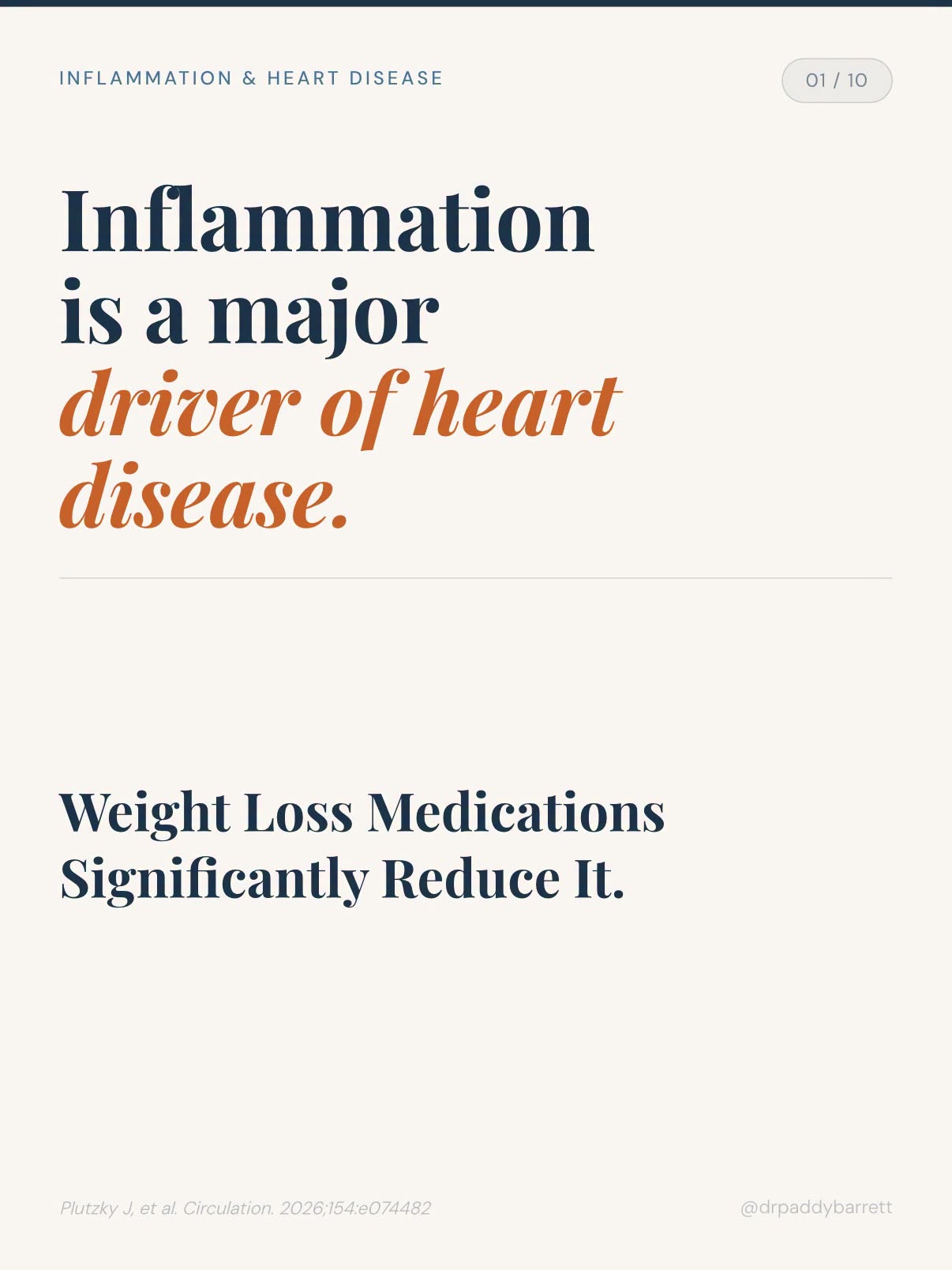
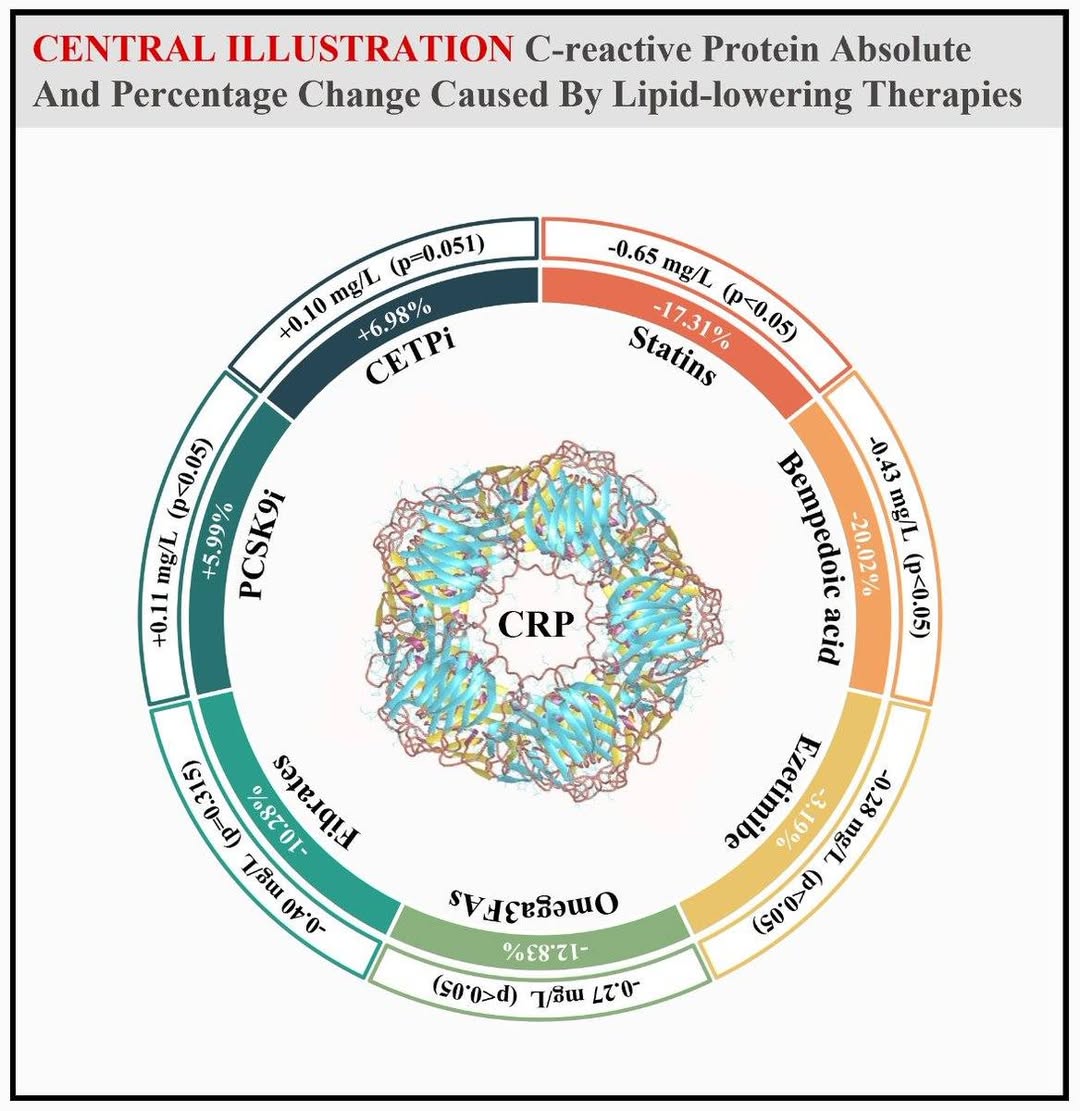
A new analysis of the SELECT trial asks why semaglutide reduced cardiovascular events. Inflammation markers fell 38% versus placebo, early and even in people who lost little weight, and those with the biggest drops had the fewest events. Modelling suggests part of the drug's benefit runs through lower inflammation, though this shows a link rather than proof of cause.

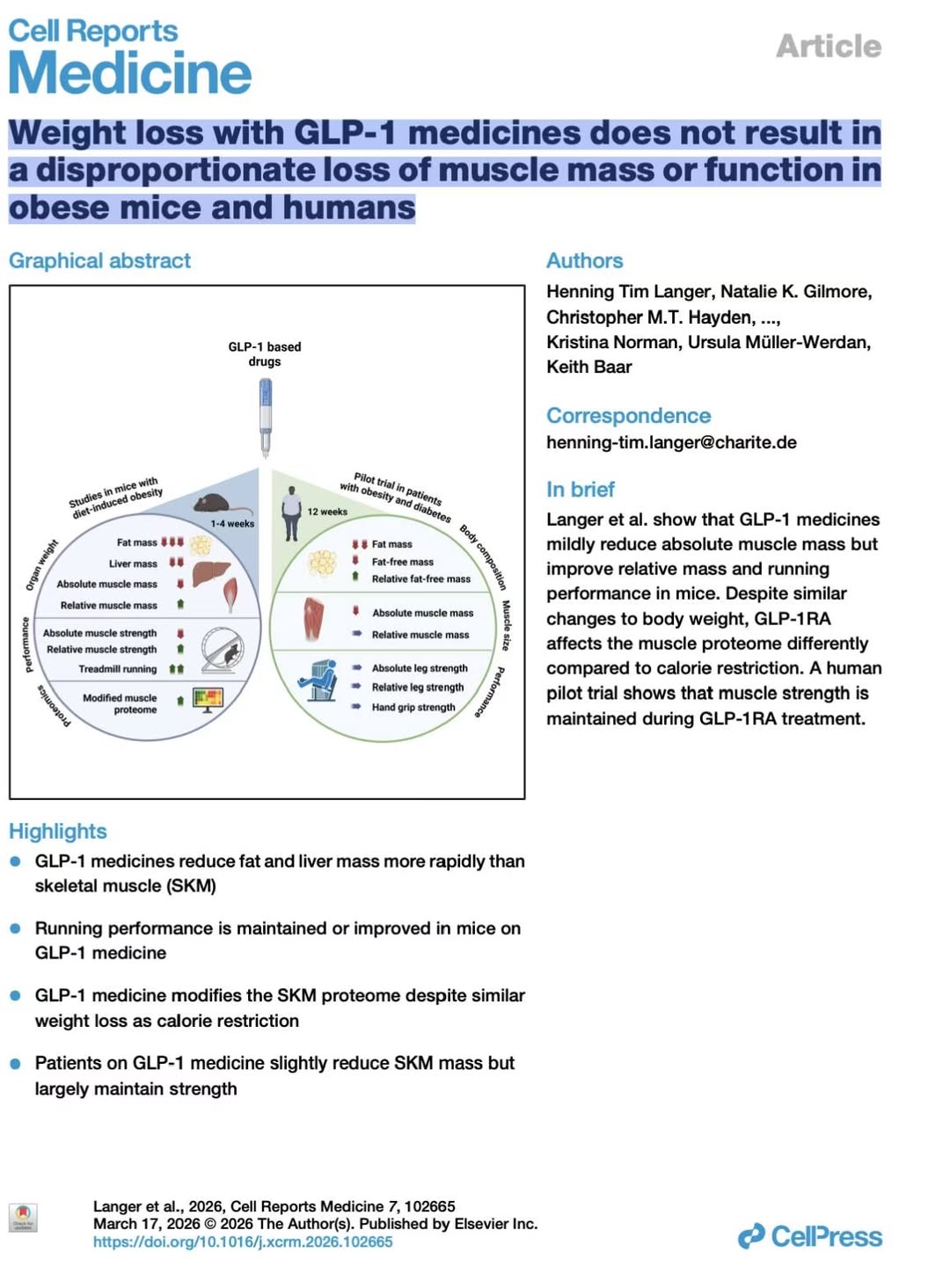
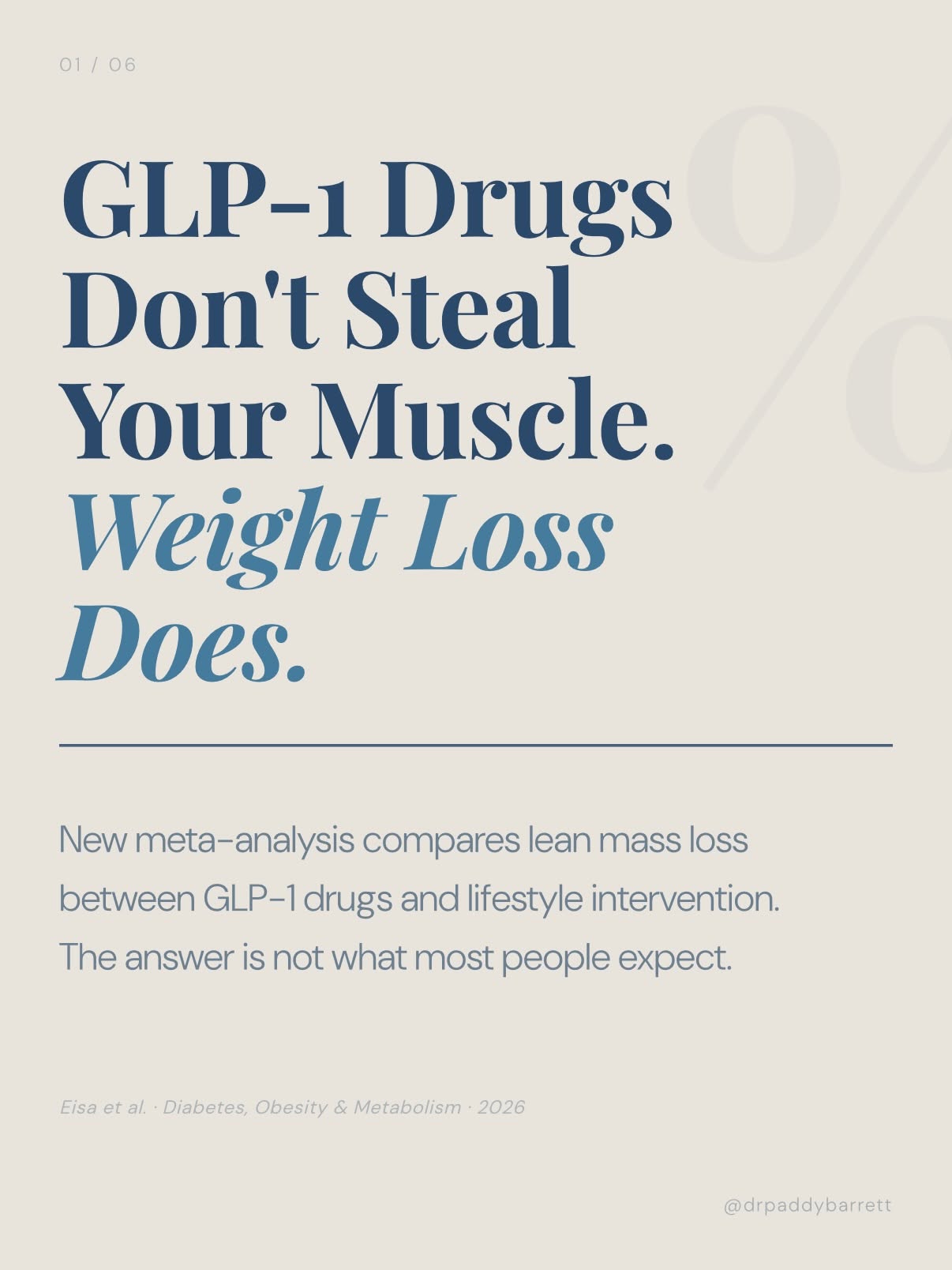
GLP-1 drug muscle loss matches calorie restriction: about 25% of weight lost

Mar 01, 2026 · Louis Nervegna ♥ 8 · 💬 9 GLP-1 drugs (semaglutide, tirzepatide)

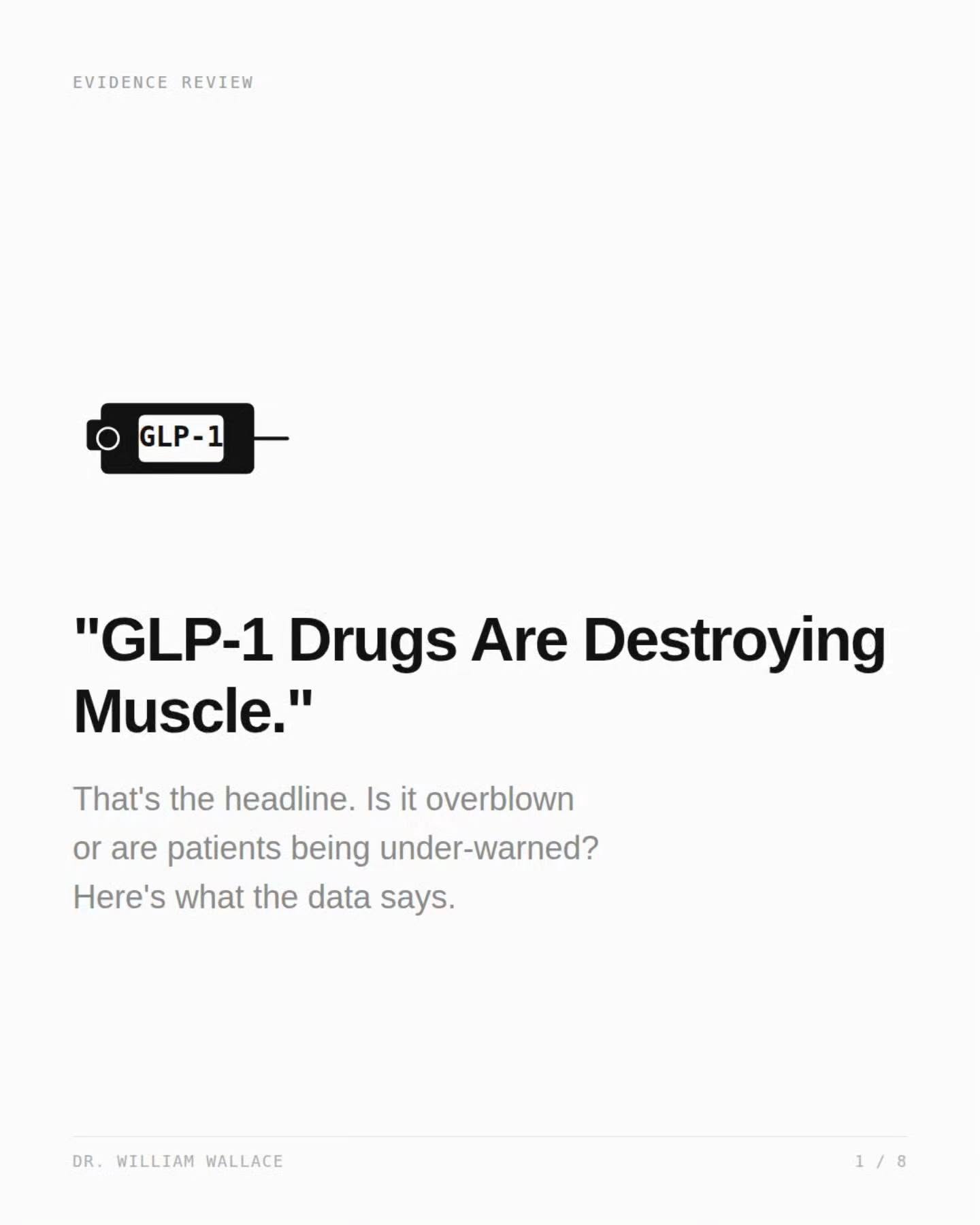
Louis summarizes meta-analytic evidence that lean mass loss on GLP-1 drugs is about 25% of total weight loss, matching diet trials and bariatric surgery, suggesting calorie restriction rather than the drug itself drives it. He cautions higher protein may blunt benefits of calorie restriction in mice, though human relevance is unknown.

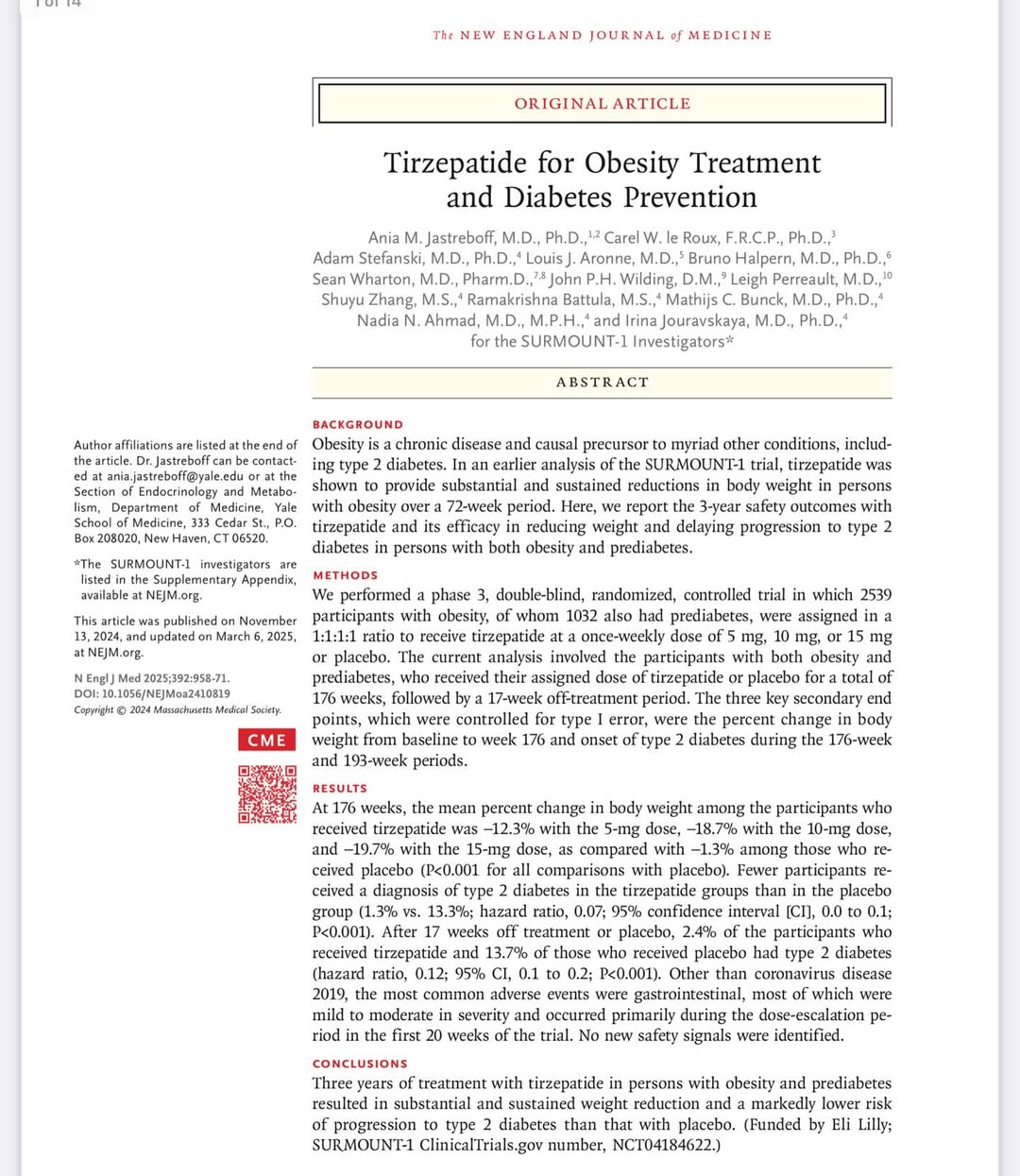
Tirzepatide cut 3-year diabetes incidence to 1.3% vs 13.3% in SURMOUNT-1

Mar 06, 2025 · Louis Nervegna ♥ 12 · 💬 5 GLP-1 drugs (semaglutide, tirzepatide)

Louis shares Luigi Fontana's post on the 3-year SURMOUNT-1 results and adds that weight loss clears fat from liver and pancreas, the main cause of insulin resistance and beta-cell dysfunction, so any diet producing major weight loss can do the same. The shared post also warns about muscle/bone loss and nutrient deficiencies without exercise and good nutrition.

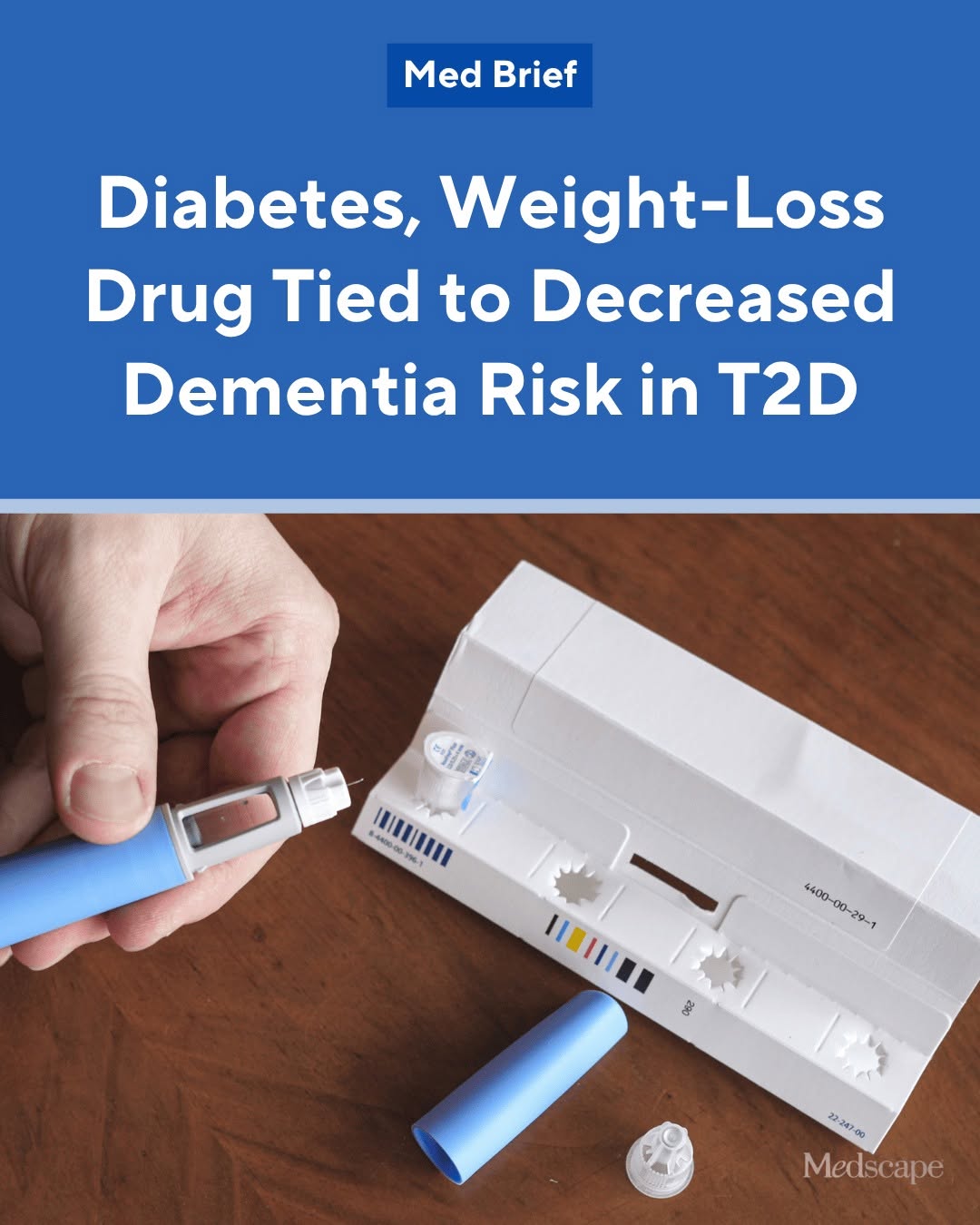
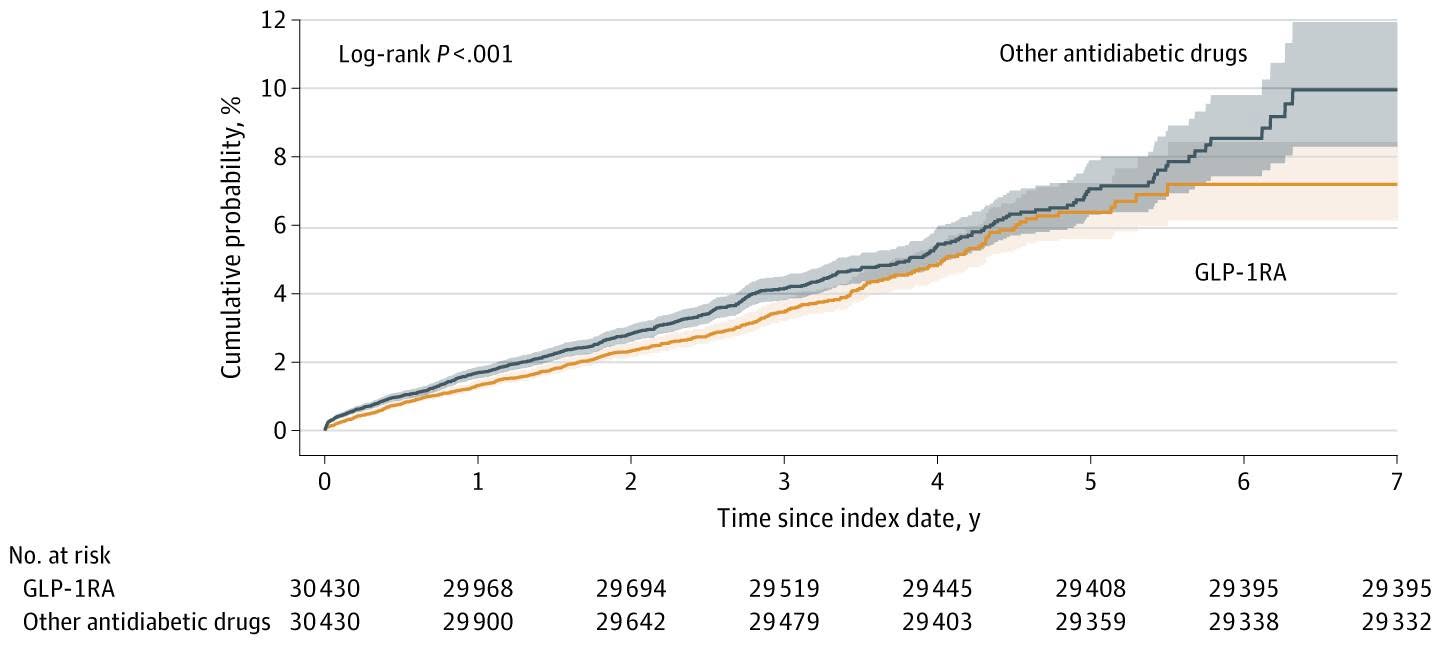
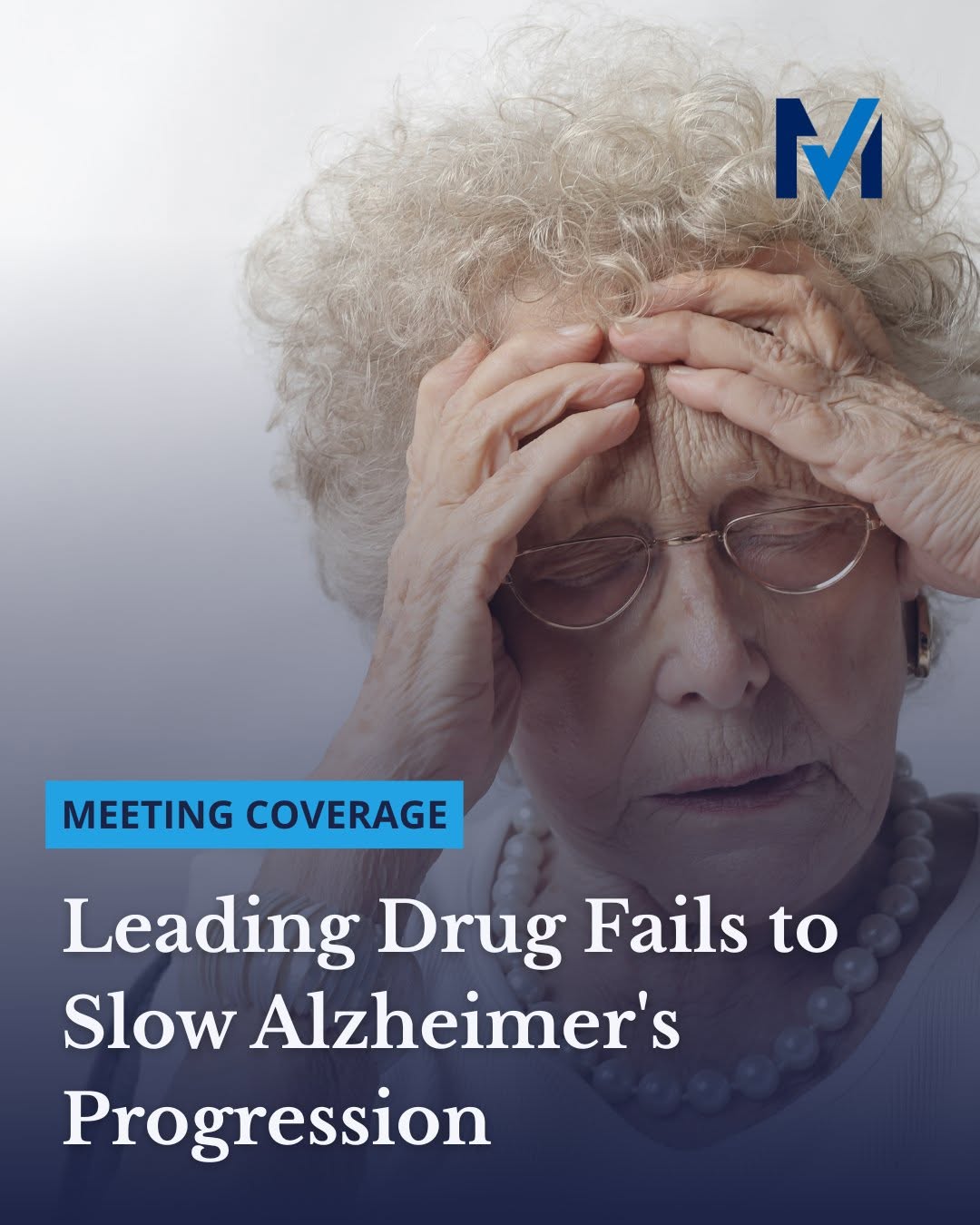
Semaglutide linked to 20-46% lower Alzheimer's-related dementia risk in type 2 diabetes

Jun 30, 2025 · Louis Nervegna ♥ 11 · 💬 4 GLP-1 drugs (semaglutide, tirzepatide)

Louis argues the real headline is that calorie restriction is associated with lower dementia risk since GLP-1 drugs act as calorie restriction in a pill. The shared report states semaglutide was associated with a 20-46% reduced risk for AD-related dementia in type 2 diabetes versus other antidiabetic drugs, strongest for vascular dementia.

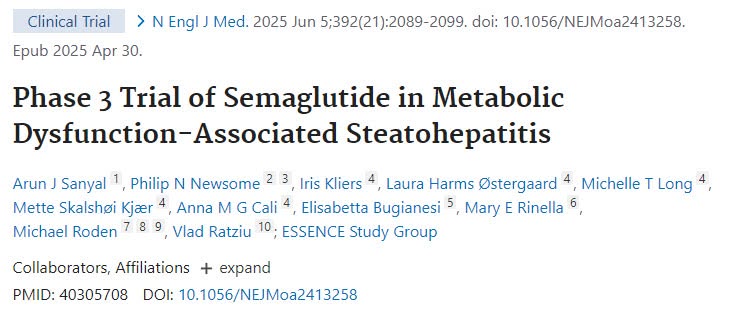
Semaglutide improved MASH inflammation and fibrosis in the Phase 3 ESSENCE trial

Jun 08, 2025 · Louis Nervegna ♥ 5 · 💬 4 GLP-1 drugs (semaglutide, tirzepatide)

The post argues that liver and pancreas fat drive diabetes, insulin resistance and metabolic syndrome, and that fat leaves the liver early on a diet, which is why GLP-1 drugs work well in fatty liver disease. The shared summary describes the ESSENCE trial of weekly semaglutide 2.4 mg in biopsy-proven MASH with fibrosis stage 2-3 and lists open questions such as cirrhosis and durability.

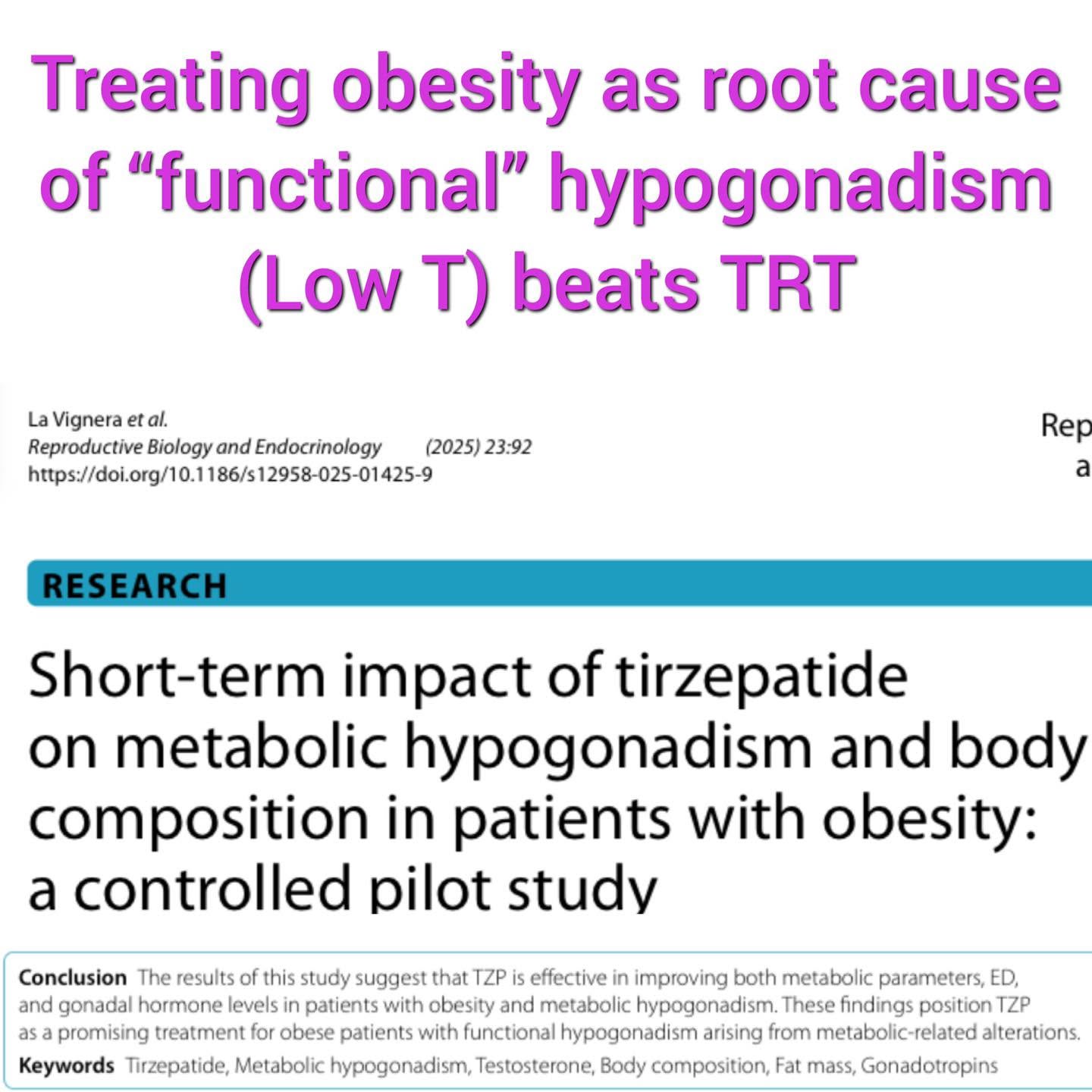
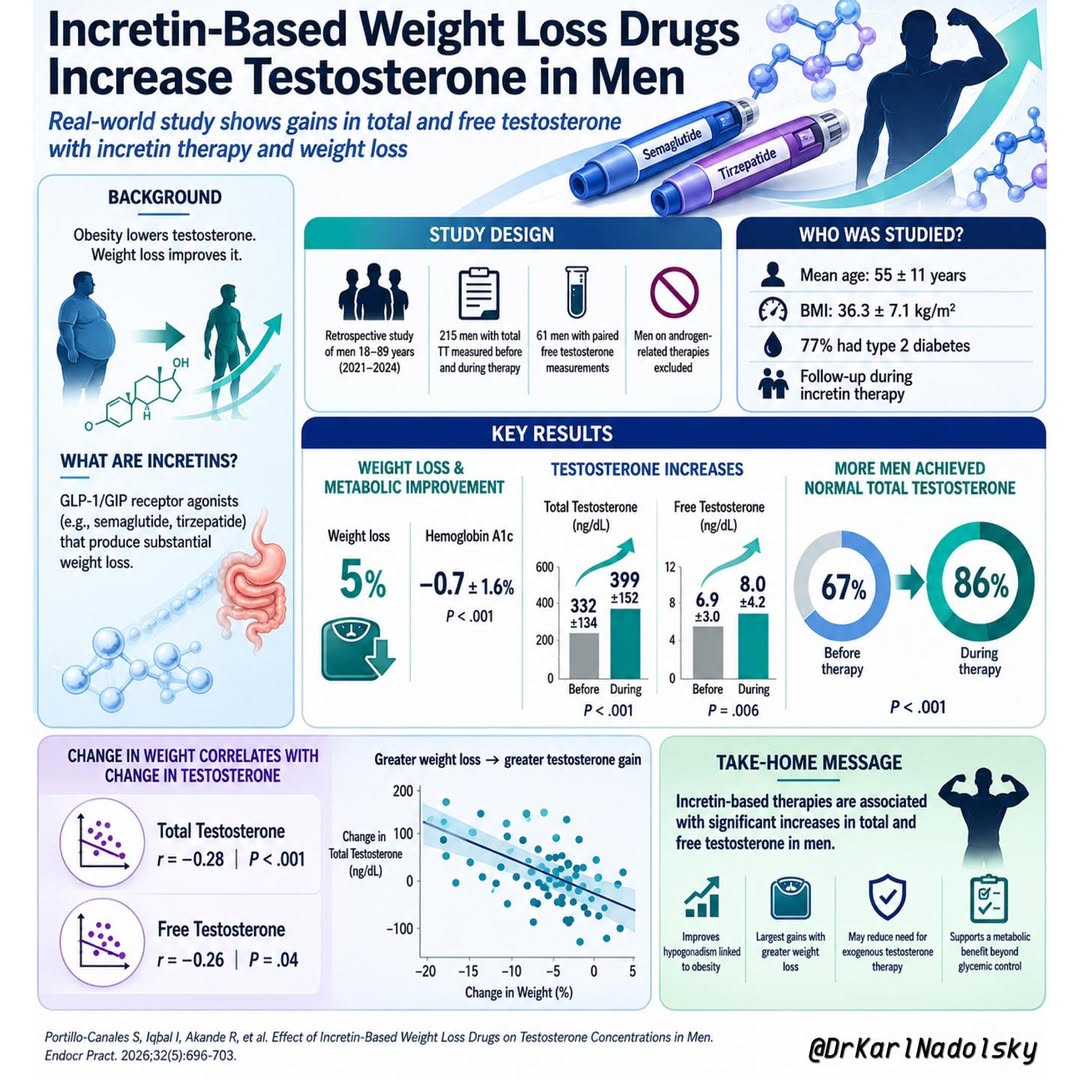
Tirzepatide beat testosterone therapy for raising testosterone in obese men (pilot, n=83)

Jul 19, 2025 · Louis Nervegna ♥ 13 · 💬 1 ↩ 2 GLP-1 drugs (semaglutide, tirzepatide)

Louis argues that low testosterone in middle-aged men is mainly driven by visceral fat and should be treated by fat loss rather than TRT. The shared pilot study in 83 men with obesity found tirzepatide plus lifestyle gave the greatest weight and fat loss and raised testosterone, LH and FSH more than lifestyle alone or TRT.

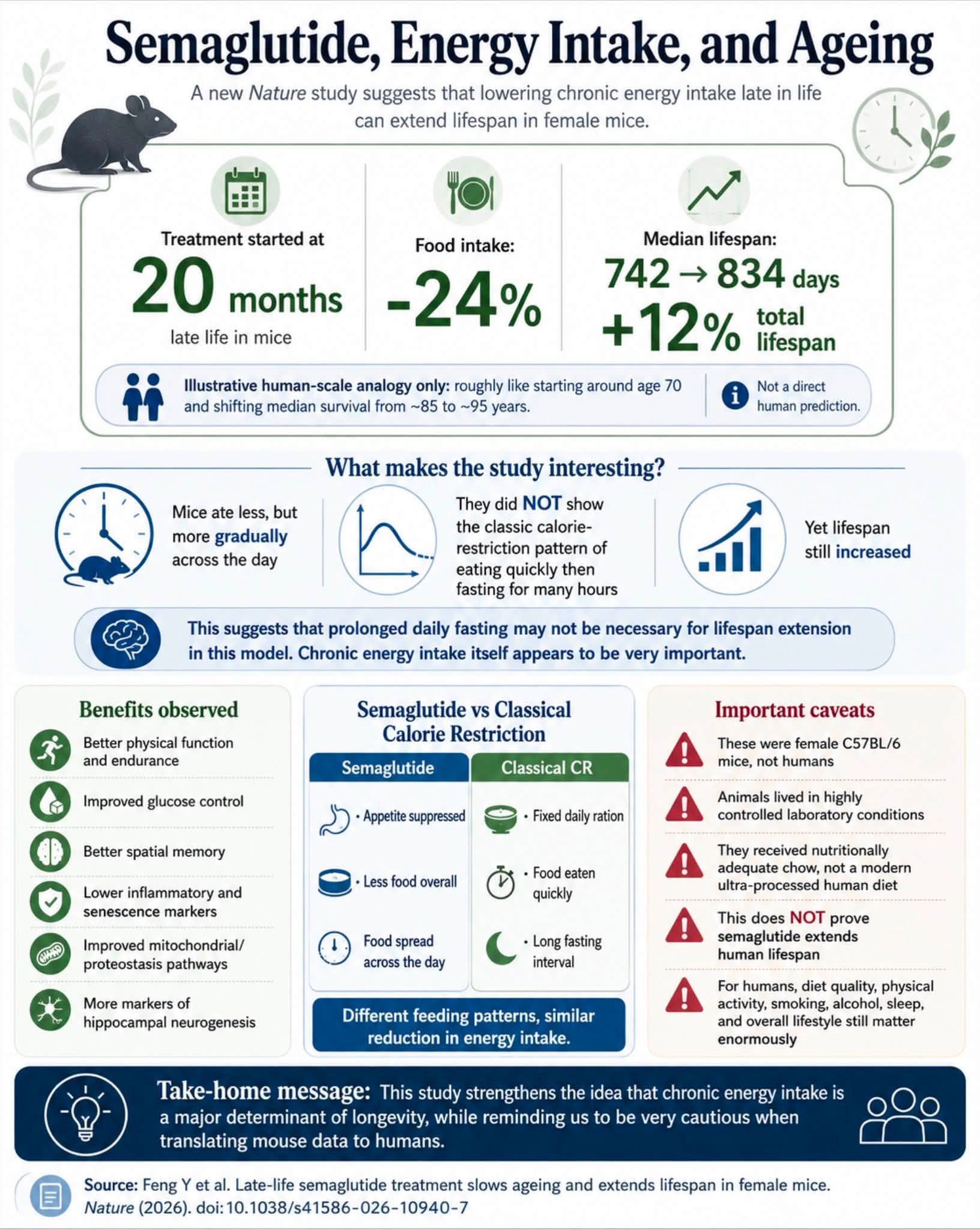
Semaglutide extended lifespan 12% in elderly female mice, hinting GLP-1 slows aging

Oct 29, 2026 · Louis Nervegna ♥ 3 · 💬 3 GLP-1 drugs (semaglutide, tirzepatide)

A Nature study found elderly female mice given semaglutide lived 12 percent longer than controls, regained curiosity and memory, and improved across hallmarks of aging. Louis notes the main mechanism is almost certainly calorie restriction. Researchers suggest slowed aging could explain GLP-1's benefits across heart, kidney, liver and brain conditions.

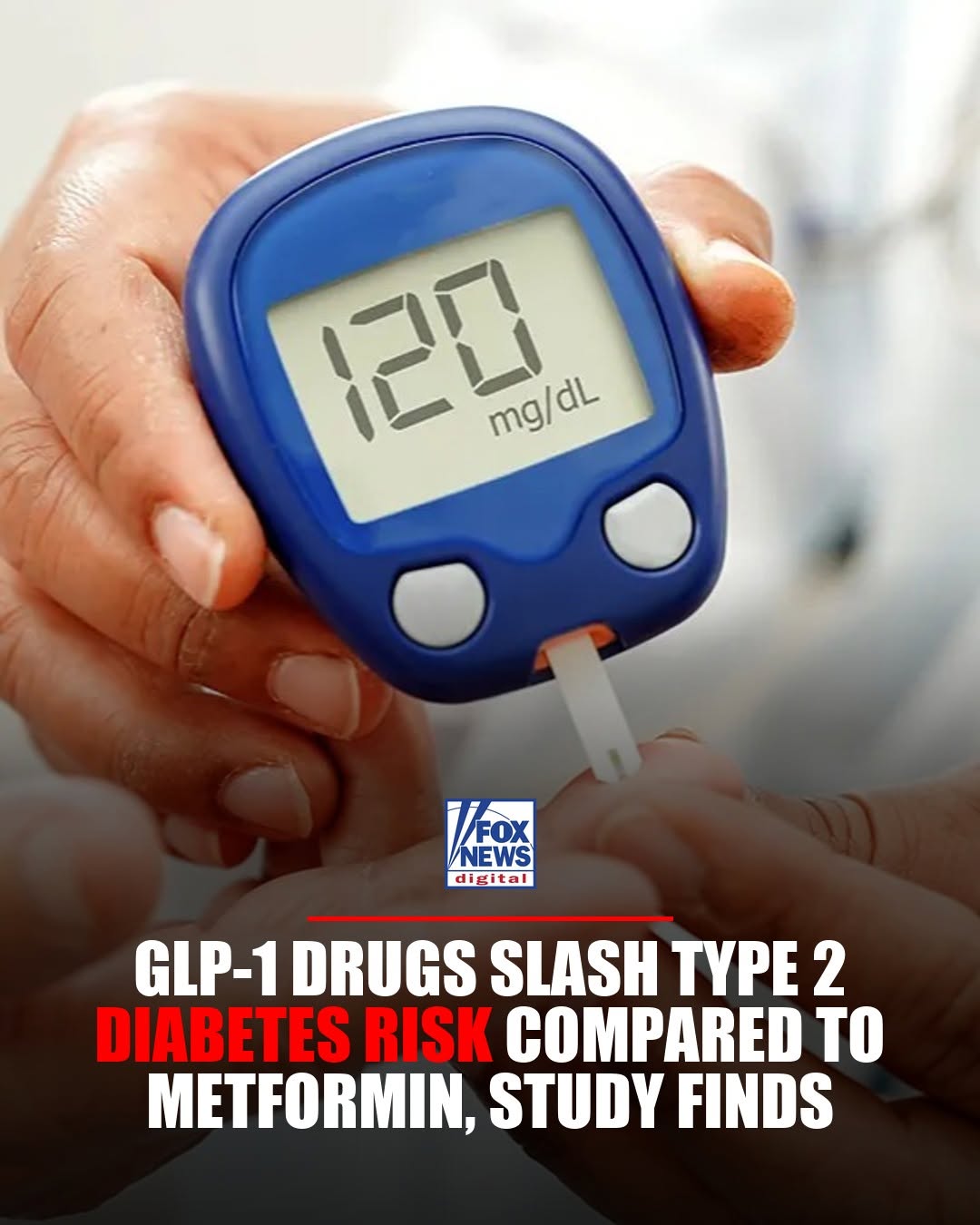
GLP-1 drugs vs metformin in obese prediabetes: 31% less diabetes, 41% lower mortality

Nov 06, 2026 · Louis Nervegna ♥ 7 GLP-1 drugs (semaglutide, tirzepatide)

Louis shares a large observational AHA 2026 study of 256,492 adults with prediabetes and obesity: GLP-1 users had 31% lower risk of type 2 diabetes and 41% lower mortality than metformin users. They also had fewer strokes, heart attacks and heart failure cases. The data are unpublished, observational and not yet peer reviewed, and Louis ties the results to ectopic fat and calorie restriction.

ARPA-H PROSPR program ($144M) funds first phase 3 aging trials of three drugs

May 20, 2026 · Louis Nervegna ♥ 9 Aging & longevity

Eric Verdin's shared post says ARPA-H awarded $144 million to seven teams to lay groundwork for human aging trials, including a phase 3 in healthy adults in their 60s testing rapamycin, an SGLT2 inhibitor and semaglutide. The key gap is a validated aging biomarker regulators accept. Louis adds that age is the biggest CVD risk factor.

Semaglutide extended elderly female mouse lifespan 12%; calorie restriction already known

Sep 14, 2026 · Louis Nervegna ♥ 5 GLP-1 drugs (semaglutide, tirzepatide)

A shared Nature study report says elderly female mice on semaglutide lived 12% longer and improved on aging hallmarks, matching or beating caloric restriction on several measures. Louis notes calorie restriction slowing aging in animals is well established. The caveats: inbred female mice, possible muscle loss in older people, and no human data.

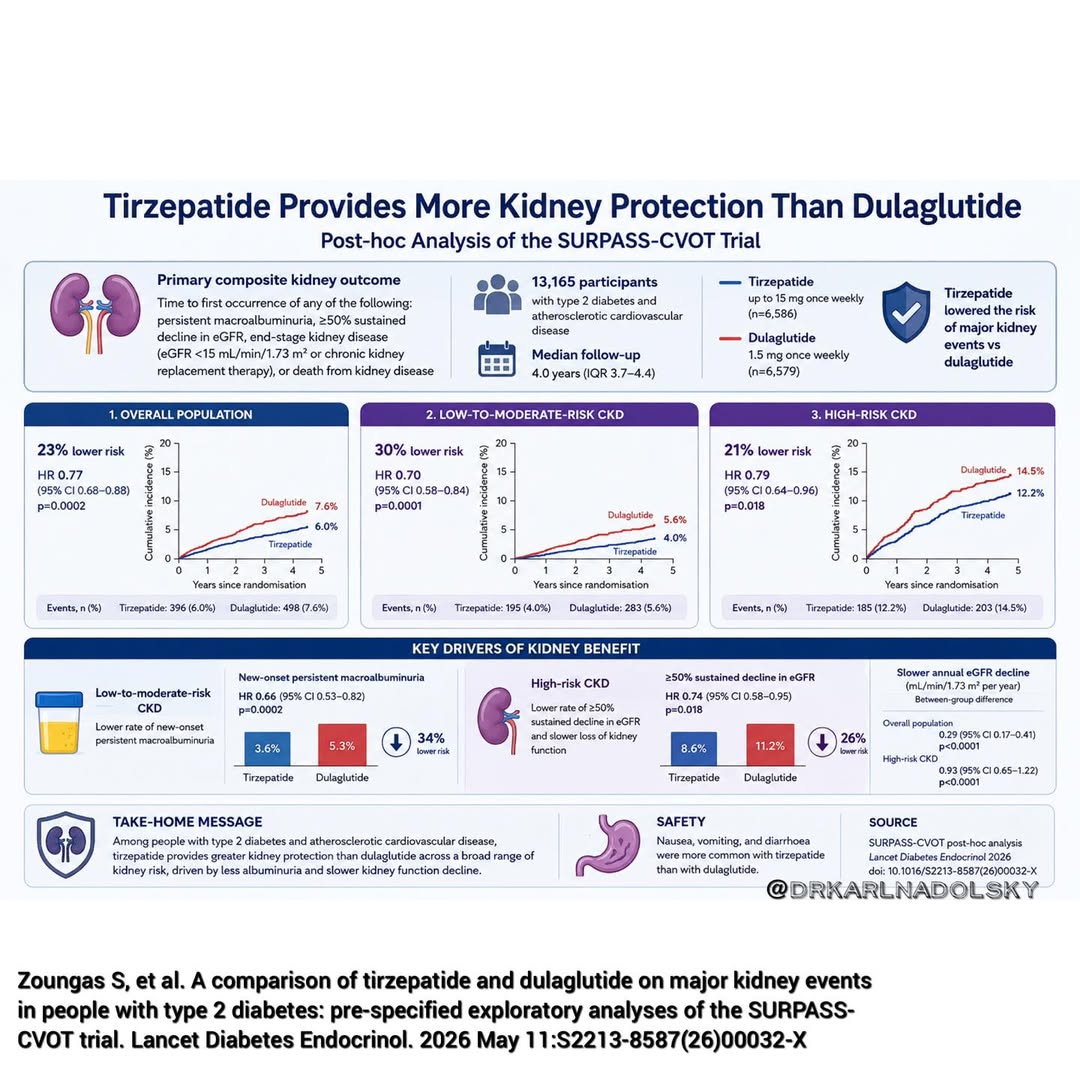
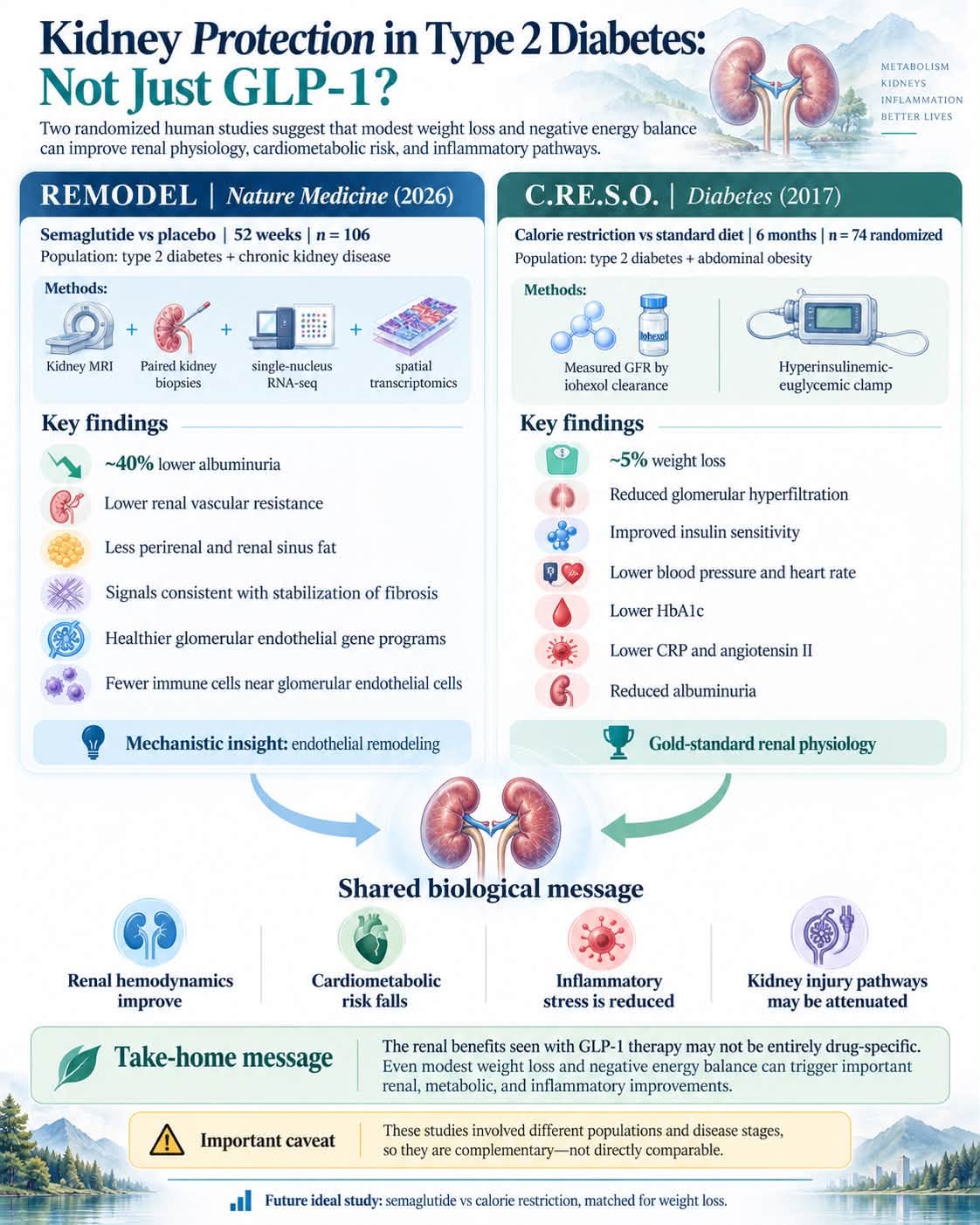
Semaglutide REMODEL trial: 40% less albuminuria, and a calorie-restriction interpretation

Oct 01, 2026 · Louis Nervegna ♥ 1 GLP-1 drugs (semaglutide, tirzepatide)

A Nature Medicine mechanistic study (REMODEL) found semaglutide in people with type 2 diabetes and chronic kidney disease cut albuminuria by 40% and reduced kidney and perirenal fat, with biopsy changes in glomerular endothelial cells. The poster argues the kidney benefit stems from negative energy balance rather than anything special about GLP-1 drugs, which simply make calorie restriction easier.