Some clarification on CRP as a marker for inflammation:
- The CRP and hs-CRP tests measure the exact same thing. The hs-CRP test is just a more accurate and sensitive version of the test. It can detect smaller increases in CRP that the regular test can miss.
- CRP and hs-CRP are measures of systemic inflammation anywhere in the body. They are NOT specific just to the heart or vasculature. Inflammation anywhere in the body can raise these levels. (In fact, there is no accepted commercial blood test that can accurately measure inflammation only in the vasculature.)
- Your CRP levels will temporarily increase dramatically whenever your immune system gets activated. For example, infections, colds, vaccinations, injuries, wounds, surgery, allergic reactions, intense exercise, etc. will all temporarily raise CRP. You should not get a test during this temporary period.
- The goal in heart disease is to measure the silent background inflammation when your immune system is not acutely activated. This is sometimes also referred to as chronic inflammation or sterile inflammation. This level is generally low— that’s why you need the more accurate hs-CRP test as opposed to the regular CRP test. The regular CRP test, on the other hand, is sufficient for measuring high levels like you would see in an autoimmune disease.
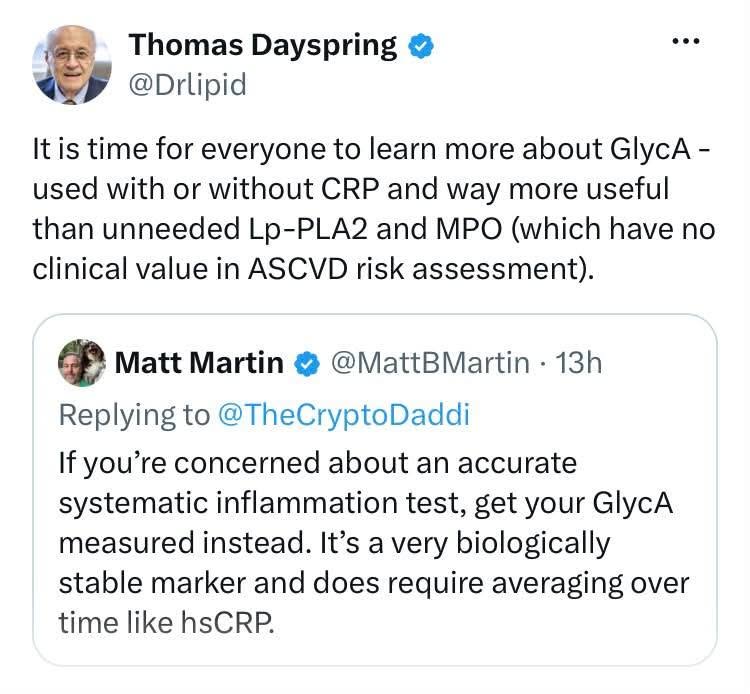
- Because CRP fluctuates so much on a day to day basis, you can not rely on any single measurement. You never know when your immune system is acutely activated (you may have a minor cold and never even know it). You must measure it multiple times over a long period of time and average the results to get an accurate measure of your true level of silent/chronic/sterile inflammation.
- If you have any type of inflammatory disease, e.g. arthritis, psoriasis, autoimmune diseases, etc, you very likely have high hs-CRP. The inflammation involved with the disease process causes an increase in CRP.
- CRP is measured directly in the blood. It is not calculated from other blood parameters, such as your lipid levels. You can not somehow estimate or calculate it yourself without getting an actual test for CRP
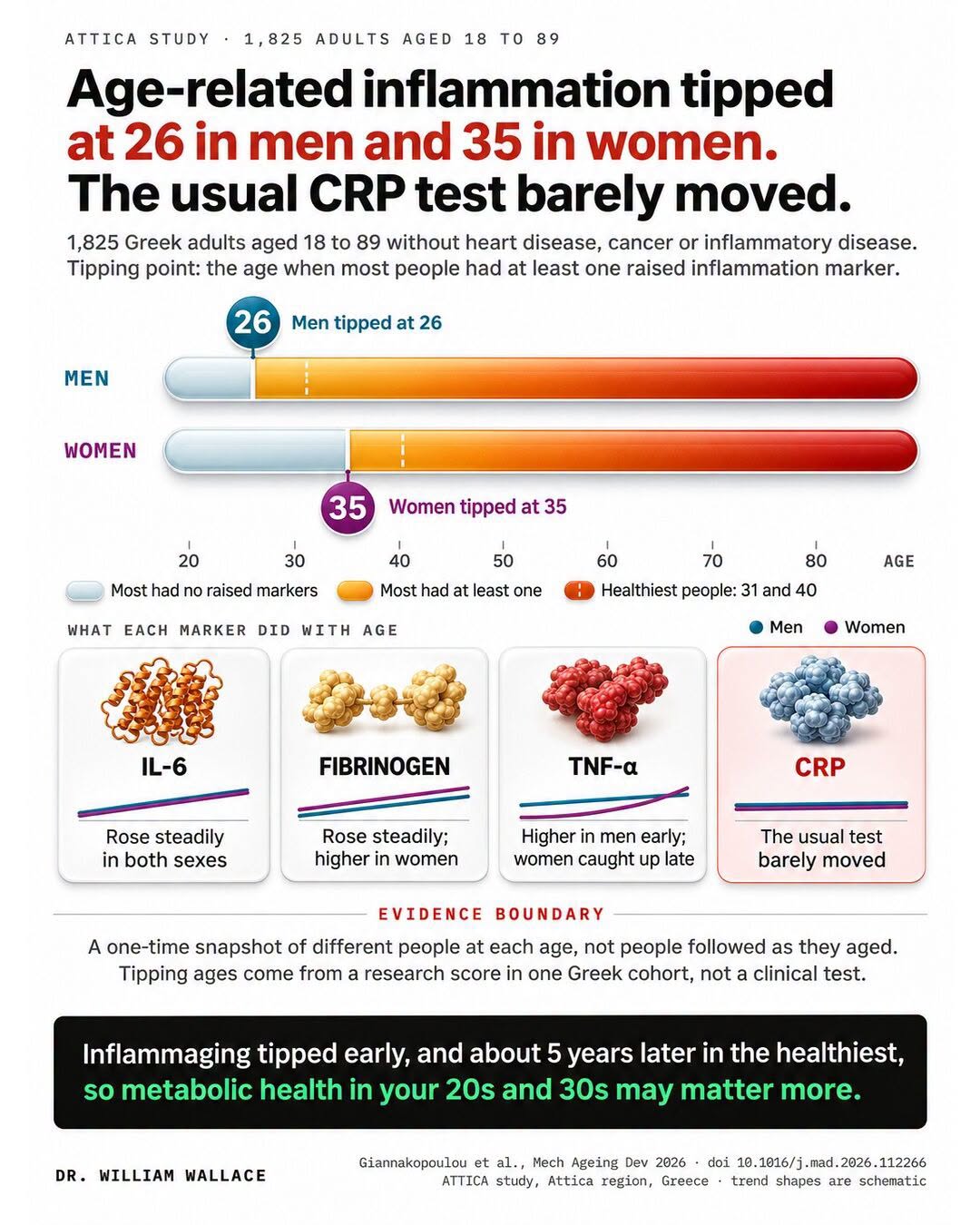
- CRP naturally goes up with age. The aging process itself directly causes chronic inflammation. This is sometimes referred to as “inflammaging”. It gets harder and harder to keep your hs-CRP low as you get older, but you should try.