This video is an excellent summary of my own views on how aging works, and why we should fight against it using any of the tools at our disposal.
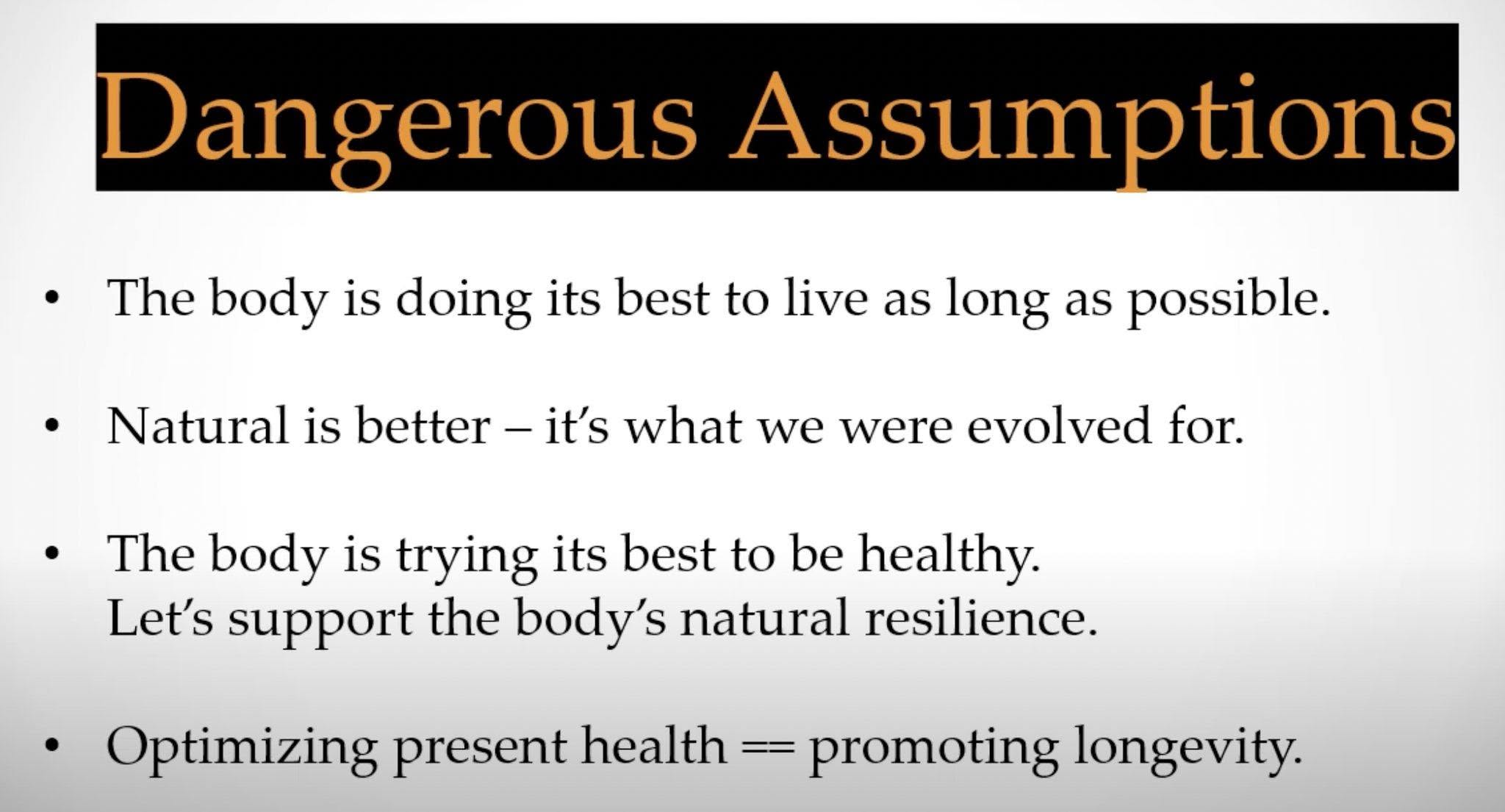
Mitteldorf's explanation of aging as a programmed, adaptive trait rather than mere wear-and-tear resonates deeply with my understanding of the biological evidence.
His articulation of the various self-destructive mechanisms our bodies employ - from inflammation, to auto immunity, to telomere attrition - highlights just how active and deliberate the aging process seems to be.
This perspective shifts our understanding of longevity from passive acceptance to active intervention.
The video, a presentation by Josh Mitteldorf from a 2024 iPAK seminar, explores the evolutionary origins of aging and its implications for anti-aging research. Mitteldorf challenges the conventional view that aging is a byproduct of evolutionary trade-offs and instead argues that aging is a programmed, purposeful process. He emphasizes that the body actively participates in aging, contradicting the widely accepted "selfish gene" theory of evolution. According to Mitteldorf, this realization opens new possibilities for anti-aging strategies, particularly those focused on interfering with the biological mechanisms that drive aging.
Mitteldorf highlights several biological processes that contribute to aging, such as inflammation, telomere attrition, autoimmunity, and apoptosis (programmed cell death). These processes, initially protective, become destructive with age, supporting the idea that the body is not simply wearing down but is actively programmed to age. He presents evidence from genetics, including experiments on animals like worms, where the deletion of specific genes can significantly extend lifespan. Mitteldorf sees aging as a form of population regulation, which conflicts with the dominant theory of evolution focused on individual survival and reproduction. He argues that aging serves a larger ecological purpose by preventing overpopulation.
The presentation also delves into practical implications for anti-aging research, suggesting that instead of trying to repair aging cells, we should target the body's signaling mechanisms. Mitteldorf advocates for exploring exosome therapy, a promising new approach that has shown success in rejuvenating old rats. He concludes by stressing that while healthy living can optimize lifespan, true life extension will require more radical interventions, such as those that disrupt the body's programmed aging process.
 ▶Video · YouTube · Josh MitteldorfEvolutionary origin of aging, and why it matters for anti-aging researchAging is not something that happens to us -- it is an active function of the body. To evolutionary biologists, this is a surprise, maybe a shock. But there's lots of diverse evidence that it's true. Once we know that aging is "on purpose", we can devise strategies for slowing or even reversing aging. There are modest anti-aging strategies that anyone can…youtube.com