HD-OPM Archive
Hashtags

#genetics

23 posts

Statin muscle side effects may stem from HMG-CoA reductase gene variants

May 03, 2024 · Louis Nervegna ♥ 27 · 💬 24 ↩ 3 Statins

Louis shares an Atlantic article on a proposed mechanism for statin-related muscle symptoms: people at higher risk likely carry variants in genes coding for HMG-CoA reductase, which statins then further inhibit. Extreme versions of the same gene defects cause a very rare limb girdle muscular dystrophy. Louis calls it a definitive answer; the article is journalism rather than a primary paper.
What to try for statin muscle pain: lower dose, other statins, non-statins; beware nocebo

Feb 17, 2025 · Louis Nervegna ♥ 14 · 💬 18 Statins

Louis explains that statin muscle pain is often genetic, linked to HMG-CoA reductase gene variants, so CoQ10 usually fails though it is harmless. Practical steps include lowering the dose, switching statins (pitavastatin or pravastatin often tolerated) or using non-statin drugs, while recognizing that much reported muscle pain may be nocebo.

Mendelian randomization in 1 million people: statin-like genetics cut dementia risk 76-82%

Nov 06, 2025 · Gokhan Can ♥ 11 · 💬 17 Brain health & dementia

Summarises Dr Stanfield's video on a Mendelian randomization study of over a million people. Short RCTs show no cognitive harm or benefit and observational studies suggest protection; genetic variants mimicking lifelong statin and ezetimibe action were linked to 76-82% relative dementia risk reduction, implying long-term benefit missed by short trials. The video also notes treating hearing loss, vision loss and midlife depression.

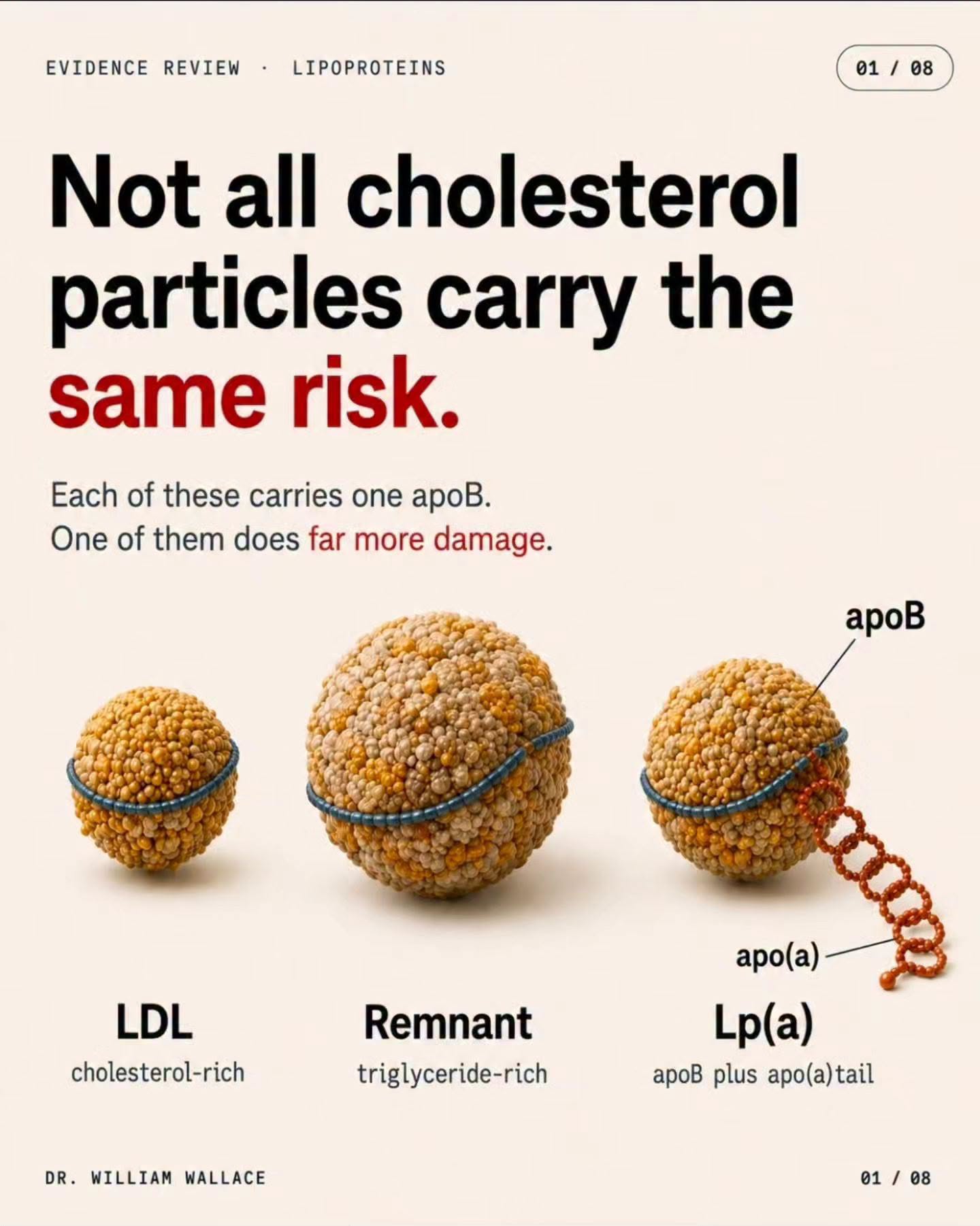
Lipoprotein(a) explained: 80-90% genetic, stable for life, a risk factor beyond LDL

Oct 05, 2024 · Gokhan Can ♥ 12 · 💬 8 Lp(a)

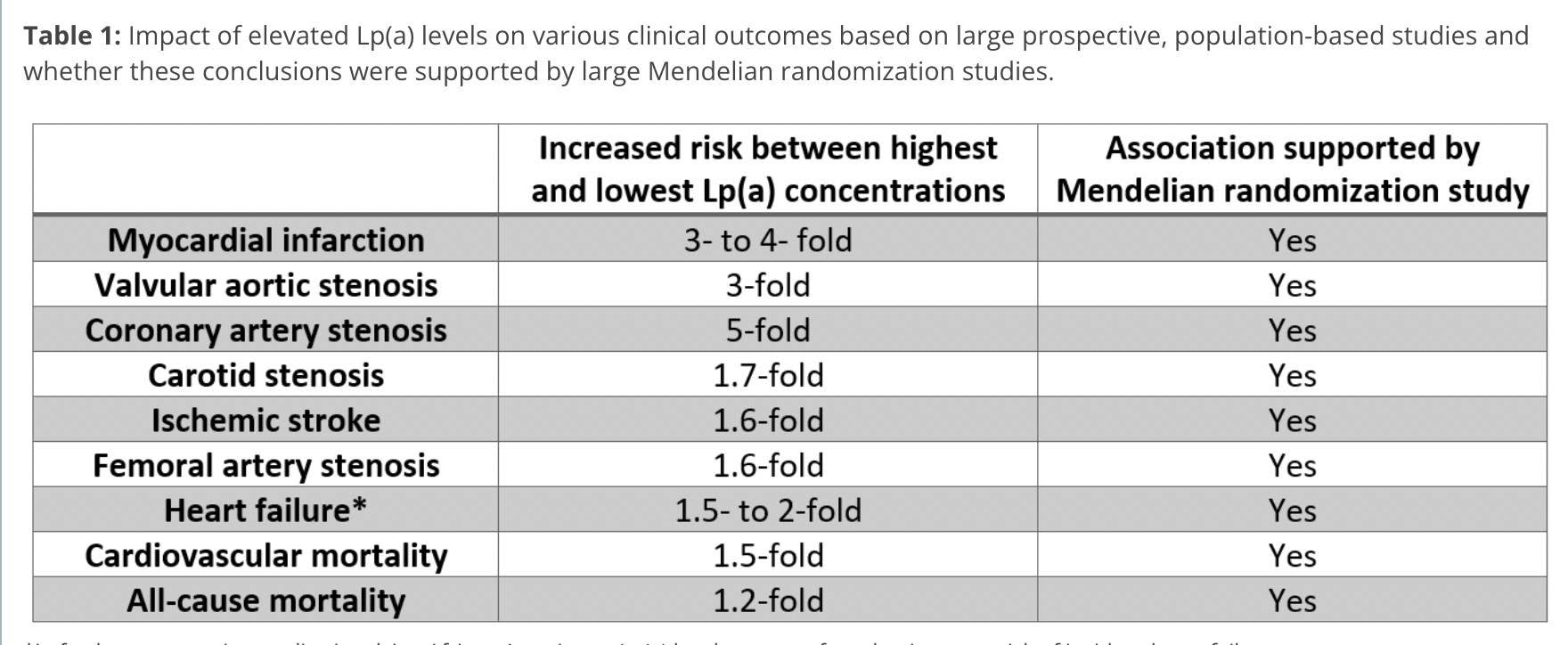
Explainer on Lp(a): an LDL-like particle with apo(a) attached, 80-90% genetically determined, fully expressed by 1-2 years of age, and elevated in about 1 in 5 US individuals (1.4 billion globally). Levels above 50 mg/dL or 125 nmol/L raise ASCVD risk, possibly via impaired fibrinolysis and cholesterol deposition, and may occur with normal lipid panels.

How LDL causes atherosclerosis: oxidation, inflammation, foam cells and genetics

May 19, 2024 · Gokhan Can ♥ 12 · 💬 9 LDL, ApoB & lipid panel

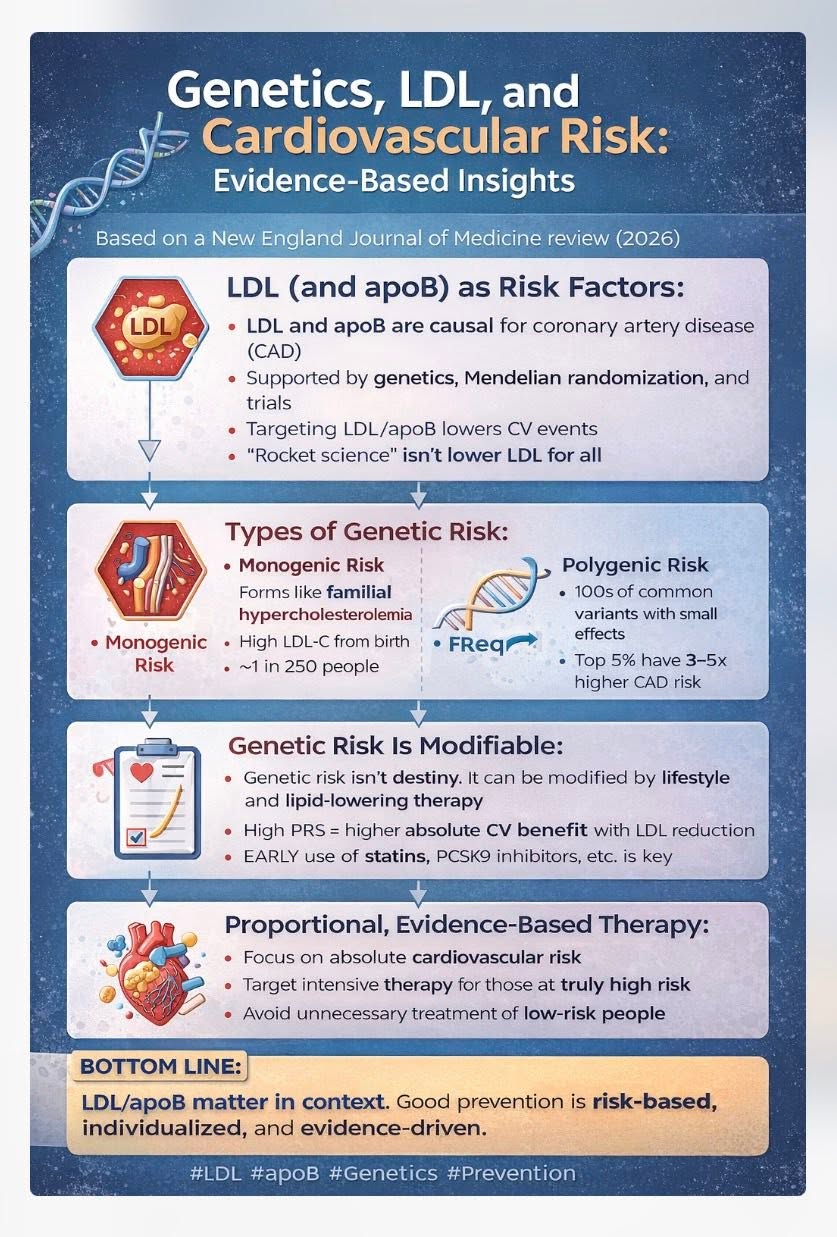
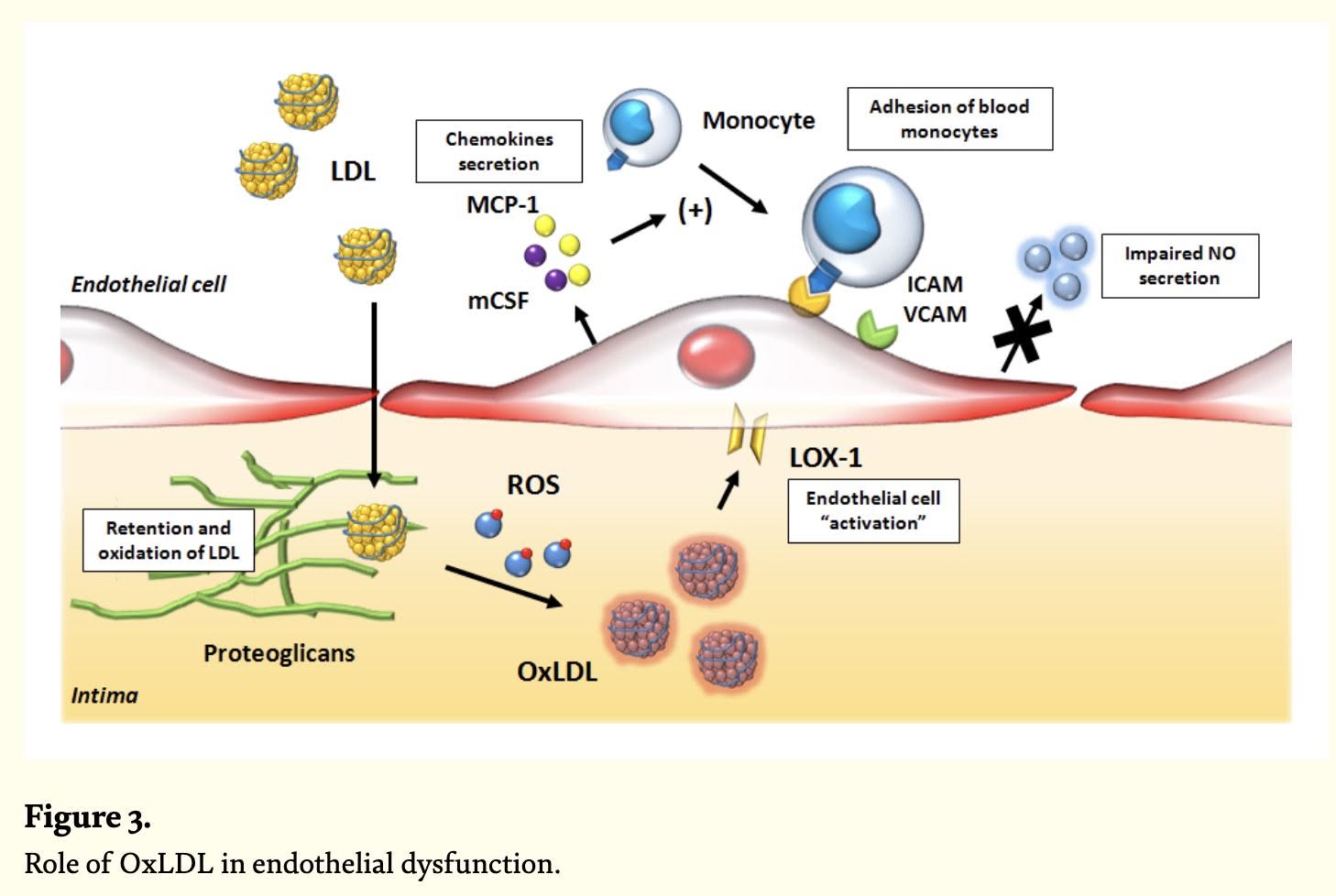
Explains five lines of evidence for a causal role of LDL in atherosclerosis: oxidized LDL in the artery wall, endothelial dysfunction and inflammation, macrophage foam-cell formation, Mendelian randomization and familial hypercholesterolemia, and the benefit of LDL-lowering therapies. Useful as a mechanism overview for readers who doubt that LDL is a cause rather than a bystander.

Review: aggressive LDL lowering outweighs theoretical risks, yet few reach <55 mg/dL

Oct 28, 2025 · Gokhan Can ♥ 13 · 💬 5 LDL, ApoB & lipid panel

Summarises a July 2025 review: guidelines now target LDL-C <55 mg/dL (<40 after a recurrent event), PCSK9 inhibitors add 59-62% LDL reduction, and evidence (FOURIER, CTT meta-analysis, PCSK9 genetics) supports benefit to very low levels. It says safety concerns such as hemorrhagic stroke, cognitive decline (EBBINGHAUS) and hormone disruption are unsupported, while fewer than one in four high-risk patients reach target.

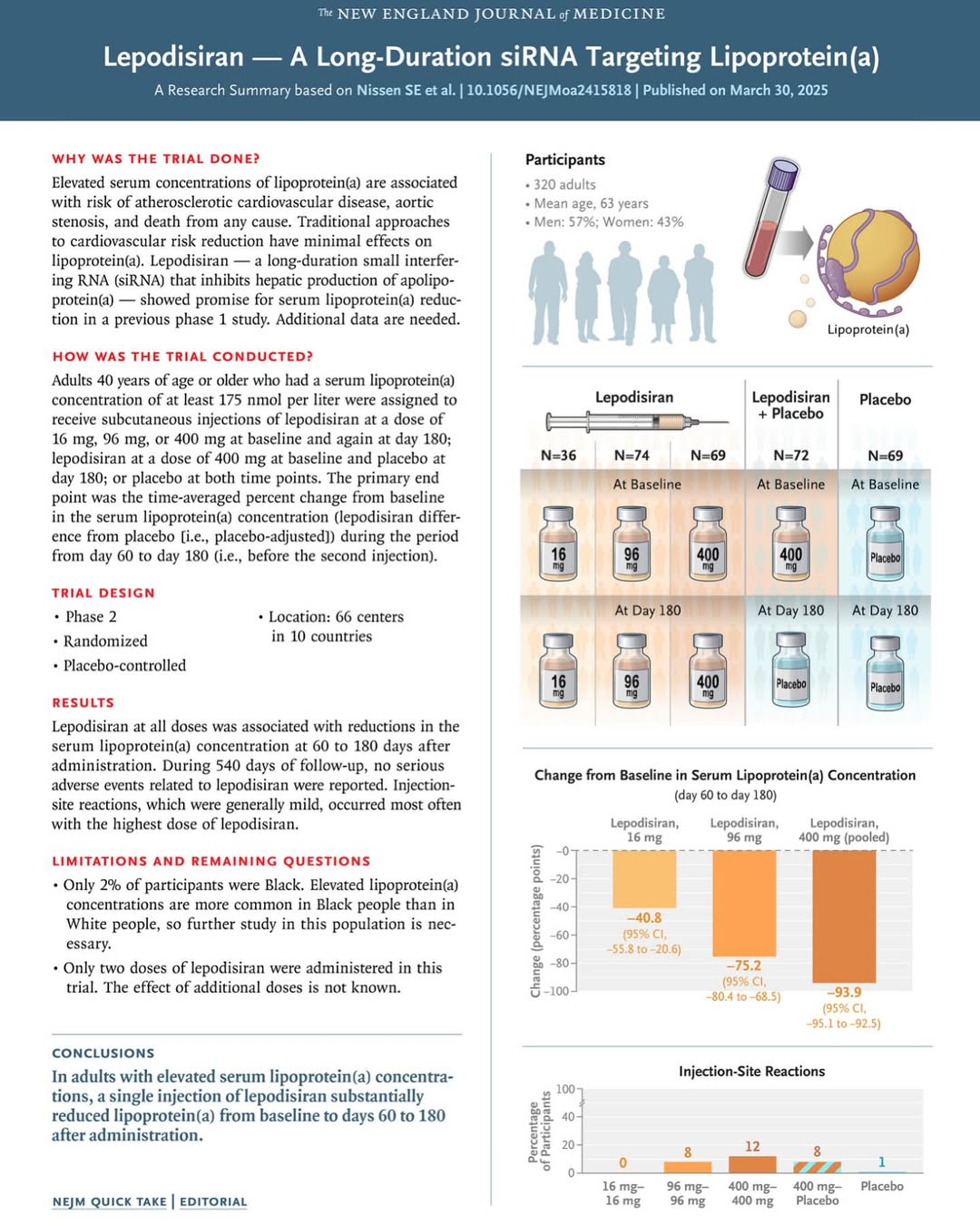
Lepodisiran siRNA cut Lp(a) by 93.9% at 400 mg in a 320-person NEJM trial

May 07, 2025 · Louis Nervegna ♥ 15 · 💬 1 Lp(a)

Luigi Fontana's summary of an NEJM trial of lepodisiran, an siRNA that blocks hepatic Lp(a) production. At the 400 mg dose Lp(a) fell by 93.9% placebo-adjusted, lasting up to a year, with only mild injection-site reactions. It offers a potential option for people with genetically high Lp(a) who cannot lower it with lifestyle or standard drugs.

Review: calorie restriction has downsides, incl. slower wound healing and bone loss

Apr 23, 2025 · Louis Nervegna ♥ 10 · 💬 2 Aging & longevity

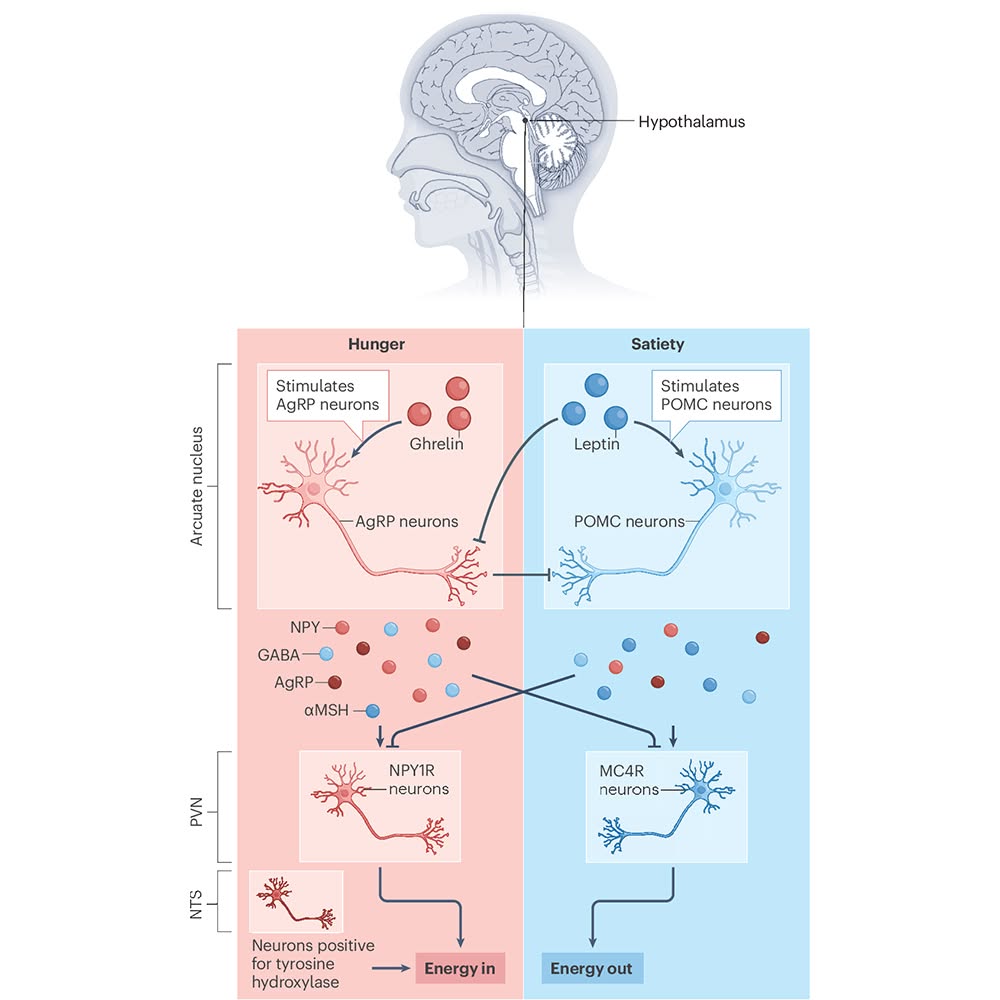
Louis shares a Nature Reviews Endocrinology review of potential adverse effects of calorie restriction, which extends lifespan in many animals but has uncertain effects in humans. It summarizes effects on wound healing, hunger, cold sensitivity, bone health, brain size, cognition, reproduction and infection, mostly from rodent data with some human data.