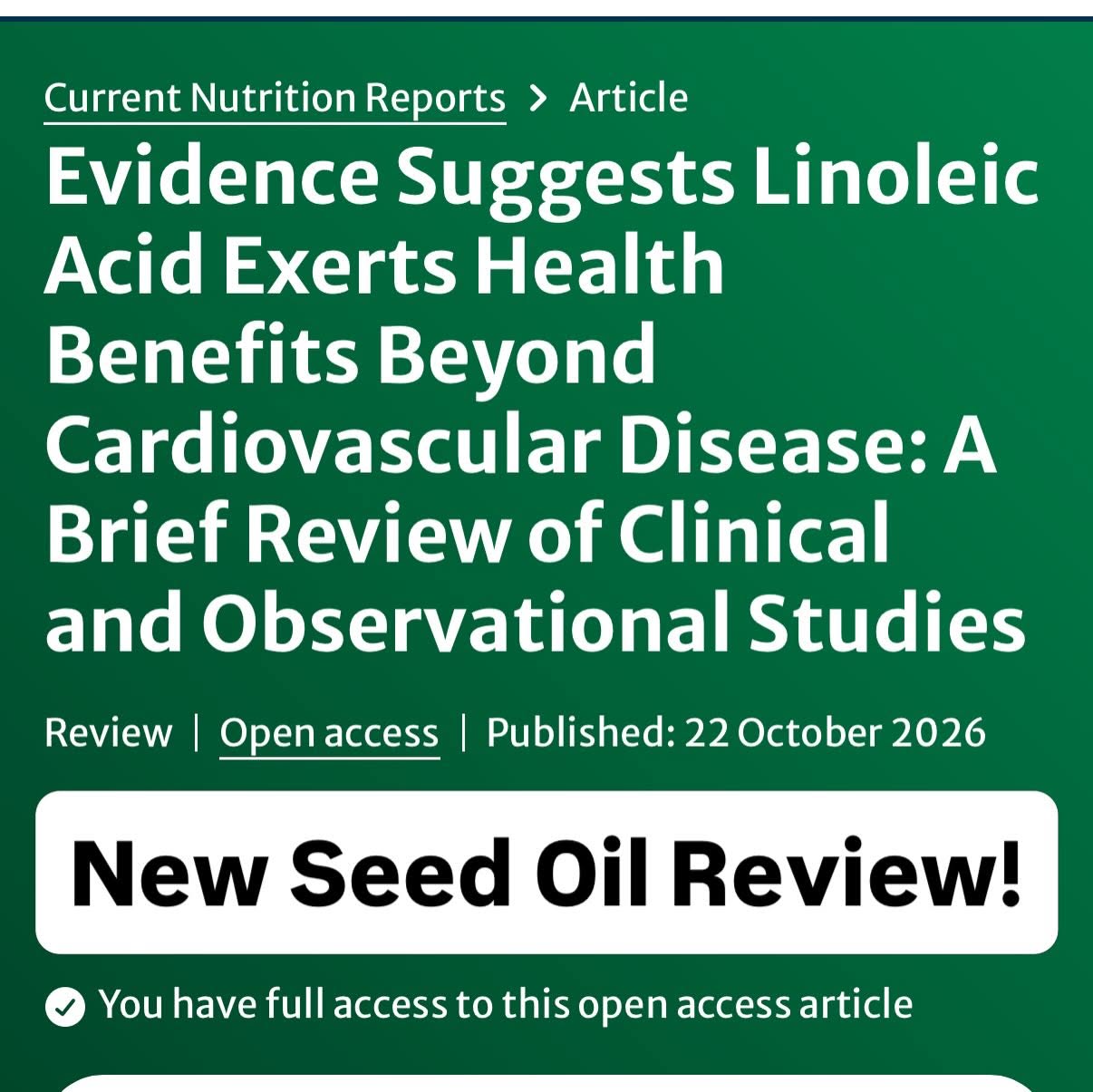
Dr. Gil Carvalho addresses RFK Jr's recent nomination to oversee major US health agencies (including the NIH and CDC) and critically examines his claims about seed oils being harmful to health. The video systematically challenges these claims by presenting scientific evidence showing that seed oils are actually associated with positive health outcomes, including a 15% reduction in heart disease events and 21% lower risk of heart disease death. Studies demonstrate that replacing butter with seed oils or olive oil leads to lower mortality rates across multiple conditions, including cardiovascular disease, diabetes, and cancer.
The video specifically tackles the common claim that seed oils cause inflammation, presenting systematic reviews and meta-analyses that consistently show either neutral or anti-inflammatory effects. Dr. Carvalho emphasizes that the widespread belief about seed oils causing inflammation is repeatedly shared on social media without supporting evidence, while the scientific literature actually points to potential anti-inflammatory benefits in many cases.
America's real health challenges, according to Dr. Carvalho, stem from ultra-processed foods, which constitute approximately 60% of American caloric intake. He points out that sugar-sweetened beverages, which contain no seed oils, are actually the worst offenders for health outcomes. This suggests that focusing on seed oils distracts from more pressing public health issues, such as making whole foods more accessible and addressing the true drivers of poor health outcomes.
Dr. Carvalho challenges the "follow the money" argument often used against seed oils, noting that this logic would also eliminate butter (dairy industry), olive oil, and virtually all food products, as they're all part of profitable industries. He emphasizes the importance of consistent criteria when evaluating food products and industries, rather than selectively applying skepticism. The video acknowledges the role of money in potentially corrupting research and industry practices, but argues for a more nuanced and comprehensive approach to evaluating food products.
(Great video! I'd watch it.)
 ▶