Substituting just 10 grams of butter a day (less than a tablespoon) with equivalent calories from plant-based oils could lower cancer deaths and overall mortality by 17 percent.
This research is from Harvard Medical School, and Mass General / Brigham and Women’s Hospital in Boston.
Quoted:
The researchers examined diet and health data from 200,000 people followed for more than 30 years and found that higher consumption of plant-based oils — especially soybean, canola, and olive oil — was associated with lower total, cancer, and cardiovascular disease mortality, whereas butter use was linked with increased risk of total and cancer mortality. The results are published in JAMA Internal Medicine.
“What’s surprising is the magnitude of the association that we found — we saw a 17 percent lower risk of death when we modeled swapping butter with plant-based oils in daily diet. That is a pretty huge effect on health,” said study lead author Yu Zhang, research assistant at the Channing Division of Network Medicine at Brigham and Women’s Hospital and a student in the Department of Epidemiology at Harvard Chan School.
Butter is rich in saturated fatty acids, while plant-based oils have more unsaturated fatty acids. There have been many studies on dietary fatty acids, but fewer studies have focused on their primary food sources, including butter and oils.
“Even cutting back butter a little and incorporating more plant-based oils into your daily diet can have meaningful long-term health benefits.”
The new study analyzed dietary data from 221,054 participants in the Nurses’ Health Study, Nurses’ Health Study II, and Health Professionals Follow-Up Study. Every four years, the study participants answered questions about how often they had certain types of food. The researchers used the data to estimate participants’ consumption of butter and plant oils, including butter and margarine blends, spreadable butter added to food and bread, and butter used in baking and frying. Intake of plant-based oils was estimated based on the reported use in frying, sautéing, baking, and salad dressing.
The researchers also identified participants who had died and their causes of death. Using statistics to compare death rates across different diet intake levels, the researchers found that participants who ate the most butter had a 15 percent higher risk of dying than those who ate the least. In contrast, those who ate the most plant-based oils had a 16 percent lower risk of death than those who ate the least.
“People might want to consider that a simple dietary swap — replacing butter with soybean or olive oil — can lead to significant long-term health benefits,” said corresponding author Daniel Wang of the Channing Division. Wang is also an assistant professor in the Department of Nutrition at the Chan School and an associate member at the Broad Institute. “From a public health perspective, this is a substantial number of deaths from cancer or from other chronic diseases that could be prevented.”
The researchers also did a substitution analysis, which mimics how swapping butter for plant oils would impact health in a feeding trial. They found that substituting 10 grams of butter a day (less than a tablespoon) with equivalent calories of plant-based oils could lower cancer deaths and overall mortality by 17 percent.
“Even cutting back butter a little and incorporating more plant-based oils into your daily diet can have meaningful long-term health benefits,” Wang said.
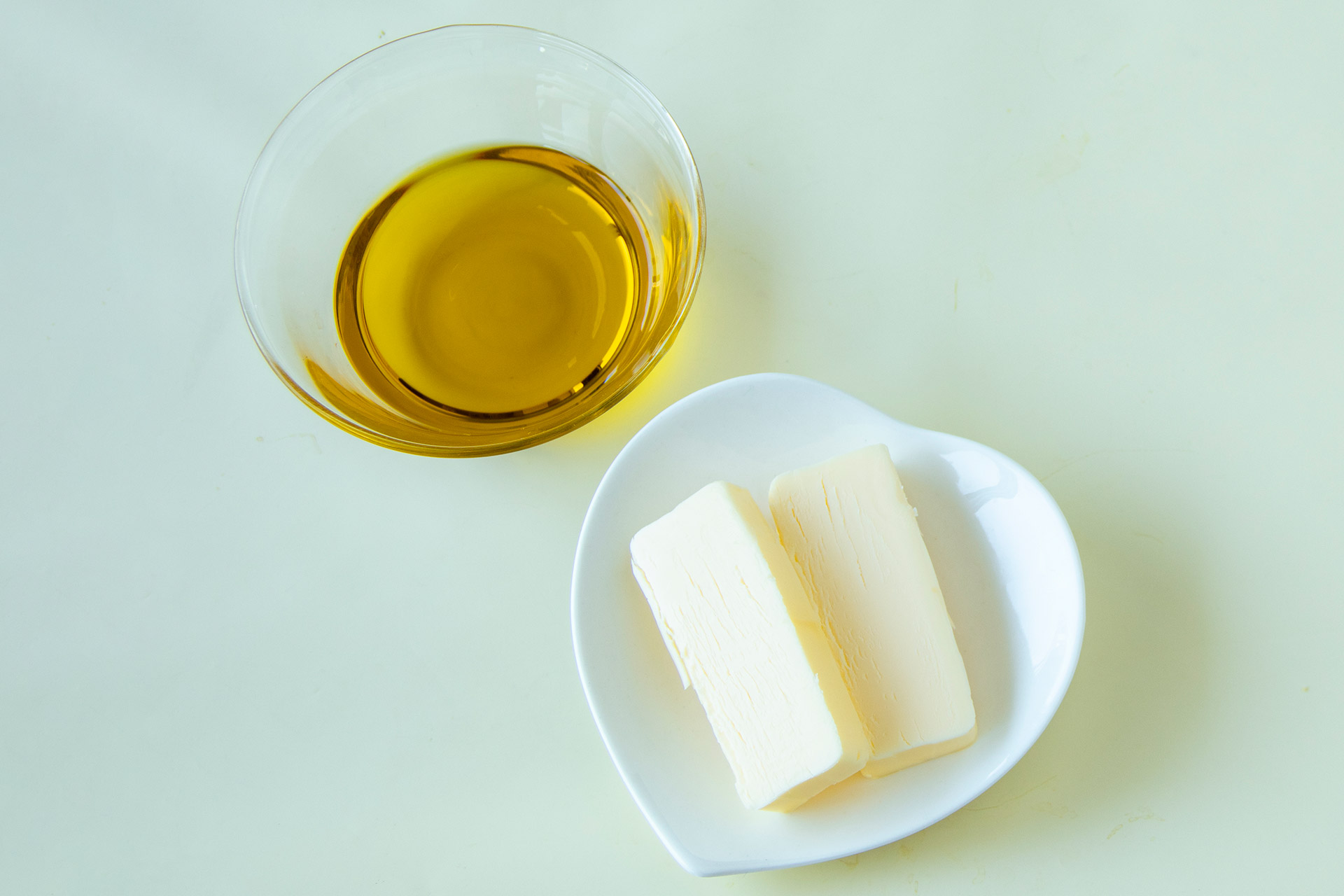 Harvard GazetteA dietary swap that could lengthen your life? — Harvard GazetteA new Harvard study finds that replacing butter with plant-based oils cuts premature death risk by 17 percent.news.harvard.edu
#seedoilsHD #vegetableoilsHD #unsaturatedfatHD #butterHD #canolaoilHD #soybeanoilHD #oliveoilHD #evooHD #cancerHD #mortalityHD #agingHD #longevityHD #harvardHD #hnsHD #hpfsHD #omega6HD #omega6cancerHD #omega6mortalityHD