HD-OPM Archive
Hashtags

#heartdisease

111 posts

French cohort of 22.7 million: mRNA COVID shots cut COVID death 74%, all-cause death 25%

Dec 05, 2025 · Gokhan Can ♥ 27 · 💬 47 Infections & vaccines

Reports a French cohort of 22.7 million vaccinated and 5.9 million unvaccinated adults followed nearly four years: 74% lower COVID death risk and 25% lower risk of death overall, with no turbocancer signal. The admin adds that vaccination protects against heart disease deaths in high-risk groups and that he prefers flu vaccine to COVID mRNA.
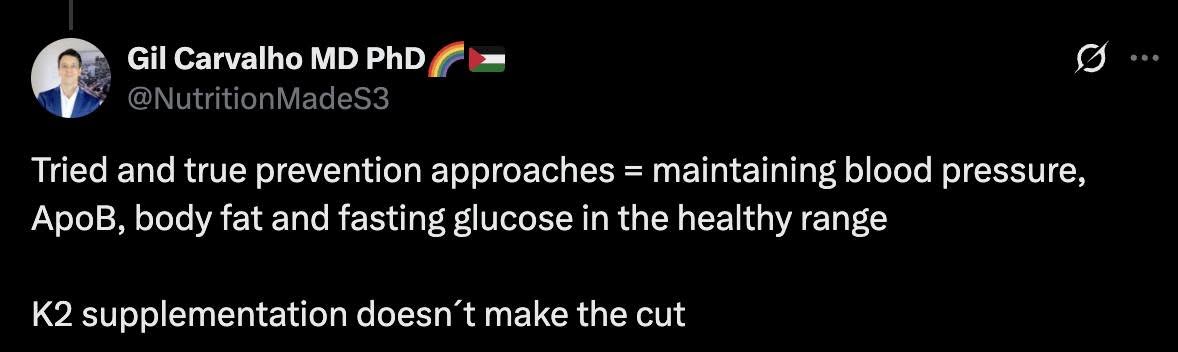
New vitamin K2 trial slowed arterial calcification but did not reduce plaque, video argues

Aug 31, 2026 · Gokhan Can ♥ 23 · 💬 38 Supplements & vitamins

Summarises a Gil Carvalho video on a randomized trial of vitamin K2: calcification progressed more slowly, but total plaque did not fall, the plaque was just less calcified. Carvalho argues calcium stabilises plaque, so slowing calcification without reducing plaque could even be harmful, and no evidence shows K2 reduces heart attacks or strokes, so he advises relying on proven therapies, diet and exercise.
At high risk of a heart attack? Find a good cardiologist and add, don't replace, treatment

Feb 26, 2024 · Louis Nervegna ♥ 46 · 💬 15 ↩ 2 Myths, misinformation & controversies

Louis advises high-risk people to follow a good cardiologist rather than social media claims, which often cherry-pick one study out of many. He argues the window to experiment has passed once risk is high, and that natural or alternative approaches are safest as additions, with treatment reduced later with the cardiologist if risk markedly improves. It is opinion, not research.

Dr Carvalho: evidence for vitamin K2 supplements and arterial calcium is weak

Nov 16, 2025 · Gokhan Can ♥ 19 · 💬 27 Supplements & vitamins

Summarises a Carvalho video: arterial calcium is a marker of long-standing plaque, not the cause of risk, so lowering a calcium score can mislead, just as statins raise calcium while lowering risk. No large properly powered trials show K2 reduces heart attacks or strokes, and he warns of false reassurance. The admin adds that supplement use is fine but expectations should stay grounded.

SCOT-HEART: CT angiography cut 5-year coronary death or MI risk 41% in chest pain patients

Jan 03, 2026 · Gokhan Can ♥ 12 · 💬 18 Plaque, CAC & CT angiography

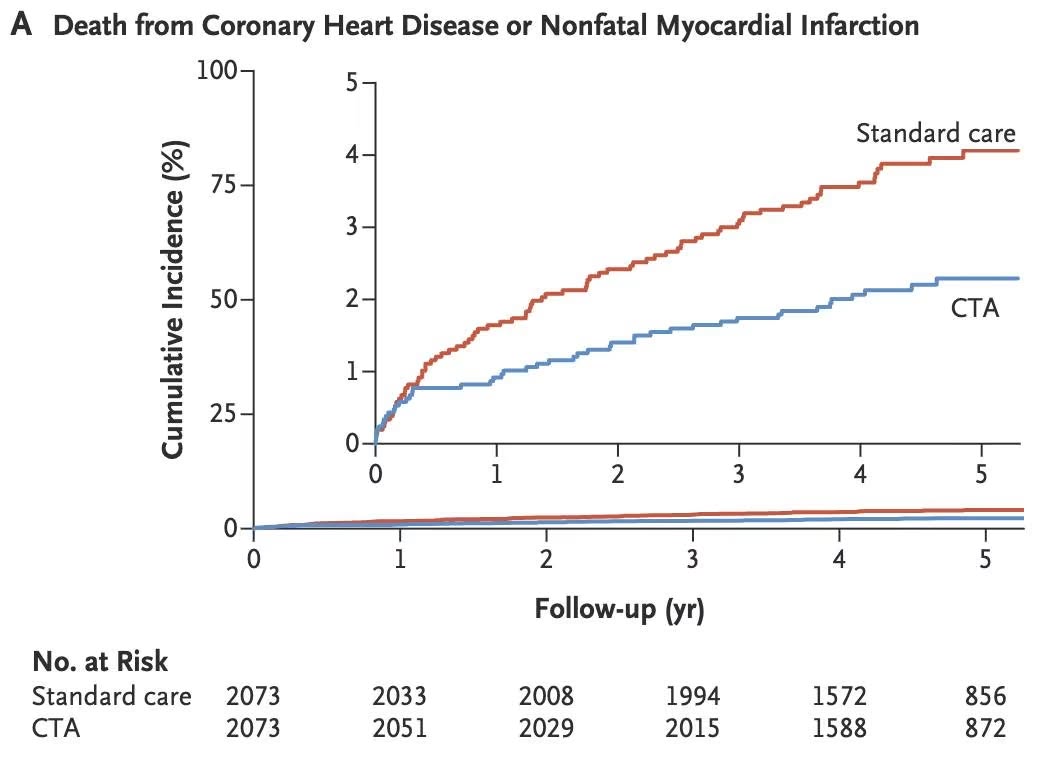
Summarises SCOT-HEART (4,146 patients with stable chest pain, standard care vs standard care plus coronary CTA). CTA guidance lowered coronary death or nonfatal MI to 2.3% from 3.9%, mainly by directing aspirin and statin use to patients with plaque. Total procedures were similar by year 5; results apply to chest-pain patients only.

Engineered regulatory T cells targeting oxidized LDL cut plaque 70% in mice

Nov 22, 2025 · Gokhan Can ♥ 35 · 💬 7 Inflammation & CRP

Summarises a University of Pennsylvania preclinical study adapting CAR T therapy: Tregs engineered to recognise oxidized LDL dampened arterial inflammation and reduced plaque 70% in cholesterol-prone mice. Unlike cancer CAR-T, the cells suppress rather than destroy; it is a possible add-on for patients at risk despite cholesterol drugs.

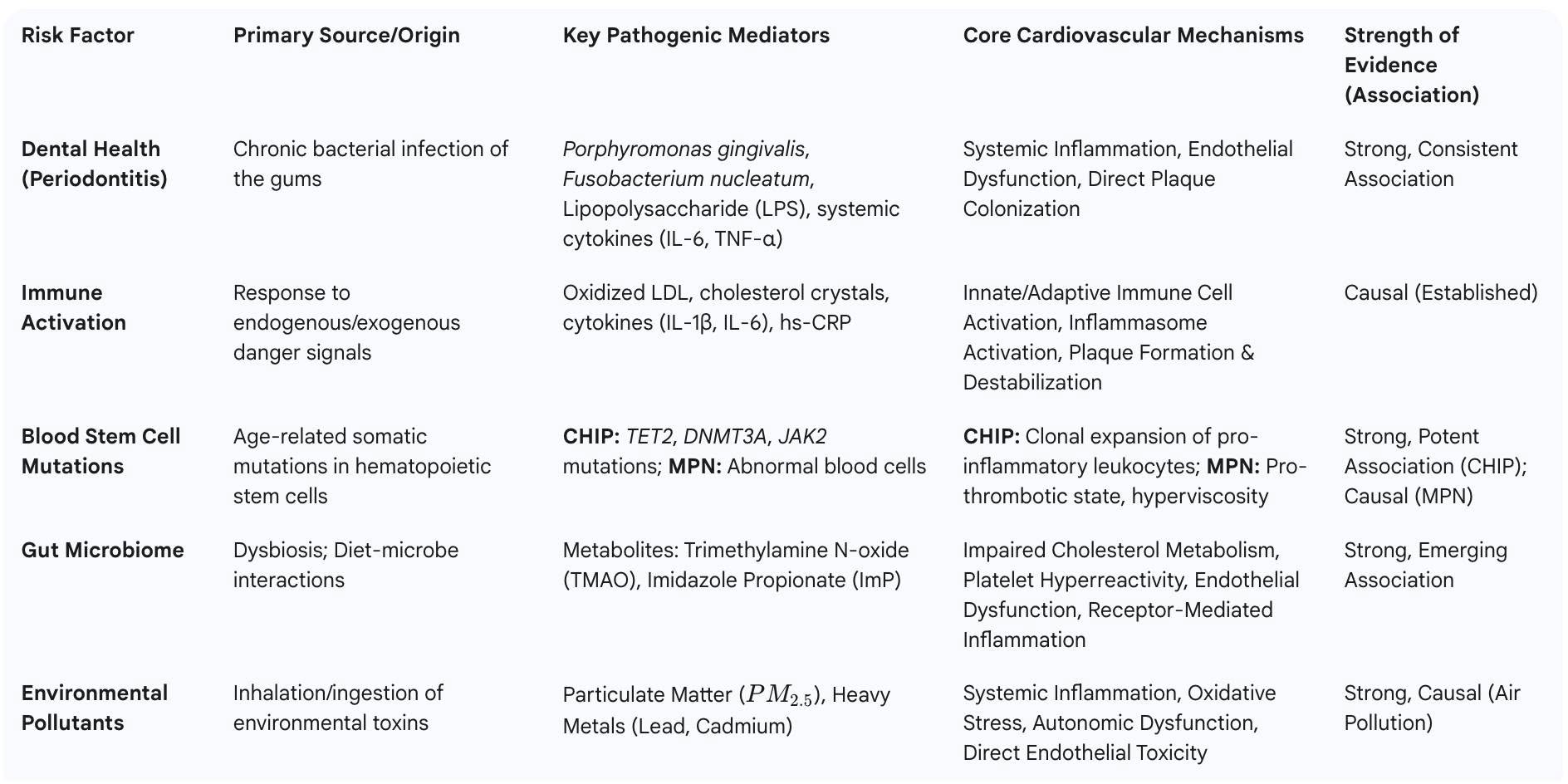
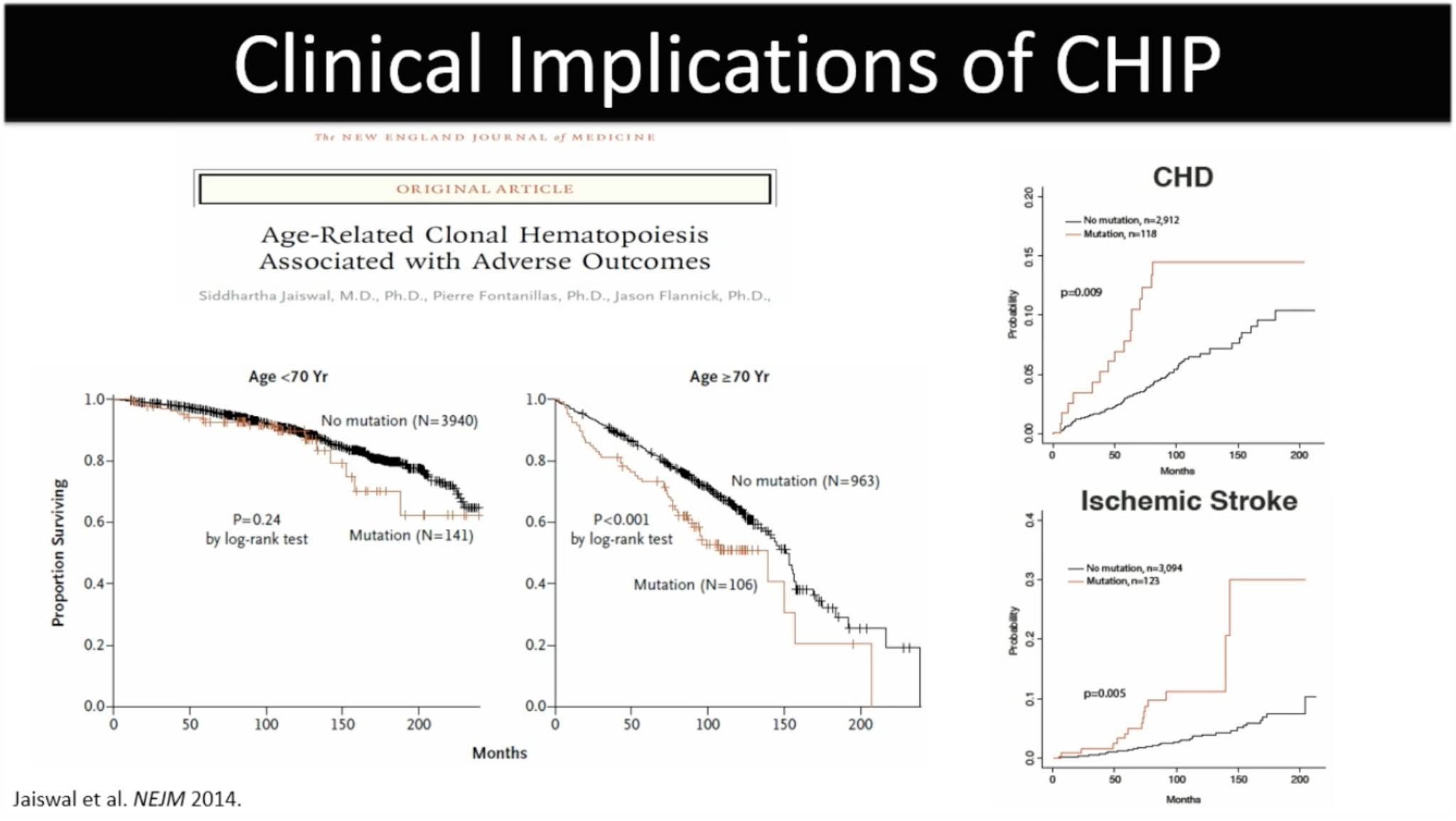
Mutated blood stem cells (CHIP) may be a major cause of heart disease, doubling MI risk

Apr 08, 2024 · Louis Nervegna ♥ 14 · 💬 13 Inflammation & CRP

Louis explains clonal hematopoiesis (CHIP): age-related mutations in bone-marrow stem cells yield white blood cells that drive inflammation and plaque growth, and the same mutations link to leukemia. A quoted report says CHIP carriers had a 54% higher chance of dying within a decade, from heart attacks and strokes, and mouse transplants of CHIP-mutated cells produced fast-growing, inflamed plaques. Louis credits Gokhan Can for pointing him to this.

Shingles vaccine tied to slower biological aging and less inflammation in 3,800 elders

Feb 28, 2026 · Gokhan Can ♥ 22 · 💬 11 Infections & vaccines

Reports a large national study of more than 3,800 Americans aged 70+, in which shingles-vaccinated people showed slower biological aging, lower chronic inflammation and slower aging-related changes in gene activity. This suggests the vaccine may calm 'inflammaging', the low-grade inflammation tied to heart disease, frailty and cognitive decline.

US labels can show 0 g trans fat when under 0.5 g per serving; check for hydrogenated oils

Dec 08, 2025 · Louis Nervegna ♥ 10 · 💬 19 Fats & oils (saturated fat, seed oils, omega-6, olive oil)

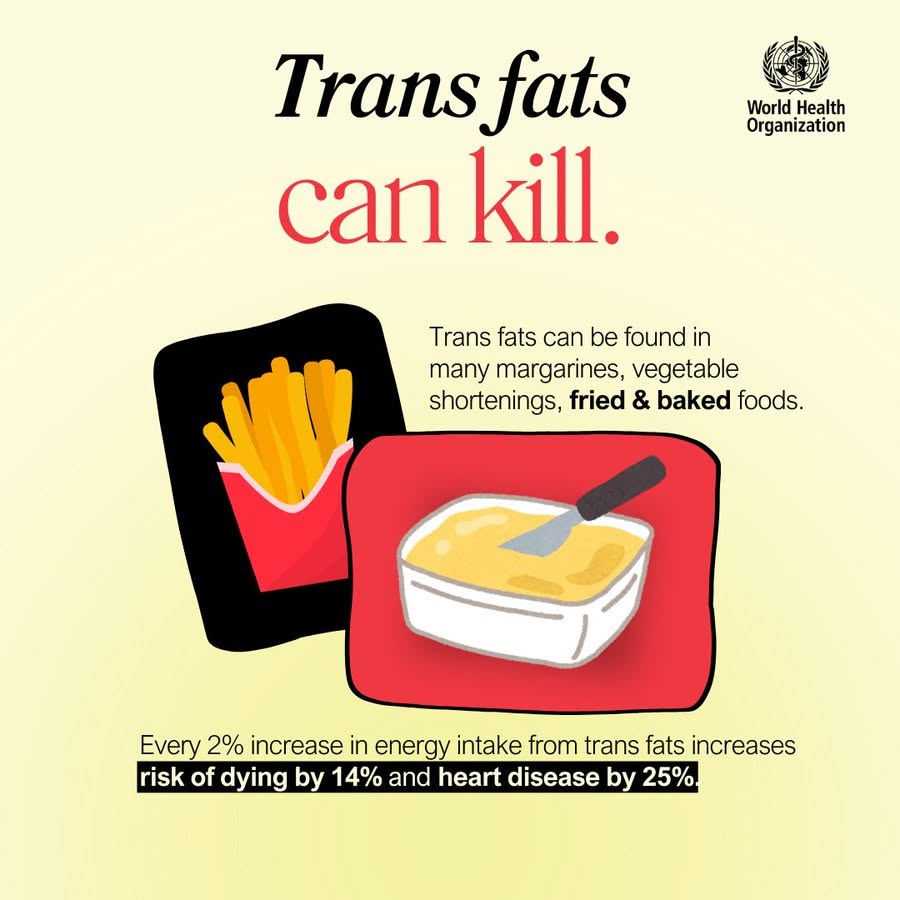
Louis explains that the USA lets manufacturers list 0 g trans fat when a serving has under 0.5 g, which can add up over several servings, so the ingredient list ('partially hydrogenated') is the reliable check. He notes natural ruminant trans fat in dairy and beef does not appear to share the harms. A WHO figure in the share says each 2% of energy from trans fat raises heart disease risk 25% and all-cause death 14%.

Baby aspirin during and after Covid may be worth discussing if you have heart disease

Jan 06, 2024 · Louis Nervegna ♥ 14 · 💬 12 Infections & vaccines

Louis suggests people with heart disease who get Covid ask their doctor about baby aspirin during infection and for a few weeks after. Infections temporarily raise heart attack and stroke risk through inflammation, and Covid raises clot risk more than other infections. A linked 2022 meta-analysis found aspirin use associated with lower Covid mortality without more bleeding.

High Lp(a) raises CVD death risk 16% per 50 mg/dL, independent of other risk factors

May 11, 2024 · Louis Nervegna ♥ 5 · 💬 22 Lp(a)

Louis argues Lp(a) alone raises heart disease mortality even in people with no other risk factors. Citing a Current Opinion in Lipidology review, he notes each 50 mg/dL increase corresponds to a hazard ratio of 1.16 for CVD mortality, and works an example: Lp(a) of 250 mg/dL would imply roughly an 80% higher risk, taking a 20% lifetime risk to about 36%. The linear extrapolation is his own illustration.

Microplastics raised plaque 63% in male mice, with no change in cholesterol or weight

Dec 28, 2025 · Gokhan Can ♥ 13 · 💬 12 Environment (microplastics, pollution, heat)

Summarises a UC Riverside mouse study: atherosclerosis-prone mice given 10 mg/kg/day microplastics for nine weeks. Males had 63% more plaque in the aortic root and 624% more in the brachiocephalic artery; females had no significant increase. Weight and cholesterol were unchanged, suggesting direct endothelial damage and inflammation. Admin suggests high fiber and Finnish sauna as defenses (not from the study).

Sauna works the heart like light cardio and lowered blood pressure after one session

Nov 07, 2026 · Louis Nervegna ♥ 17 · 💬 4 Blood pressure, salt & potassium

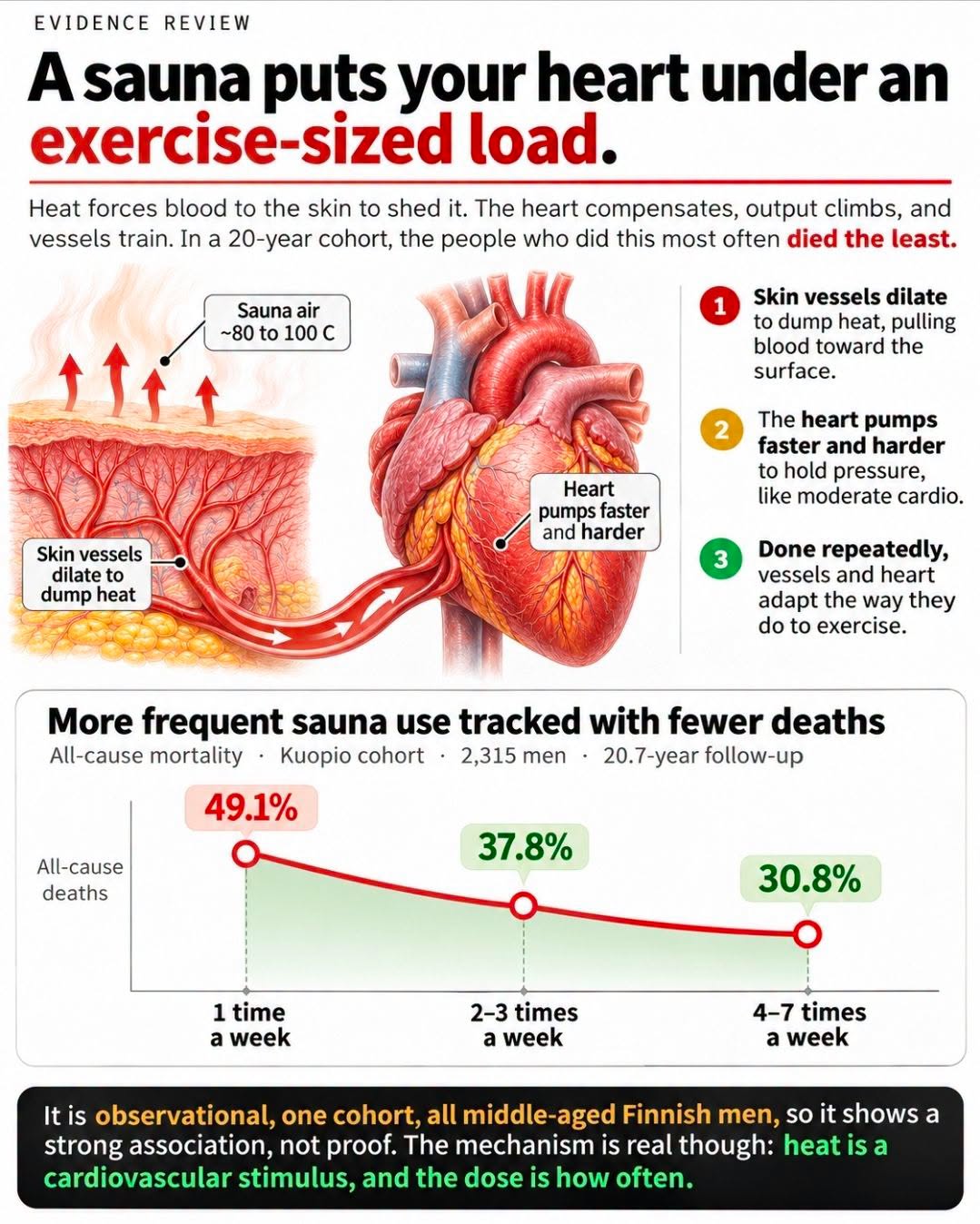
Louis shares a summary of sauna physiology. Heat opens skin vessels, so the heart works harder to hold blood pressure, matching light to moderate exercise. One session lowered arterial stiffness and systolic pressure from 137 to 130 in 102 adults with risk factors, and a Finnish cohort of 2,315 men followed about 20 years showed lower mortality with more frequent sauna use.

Review: aggressive LDL lowering outweighs theoretical risks, yet few reach <55 mg/dL

Oct 28, 2025 · Gokhan Can ♥ 13 · 💬 5 LDL, ApoB & lipid panel

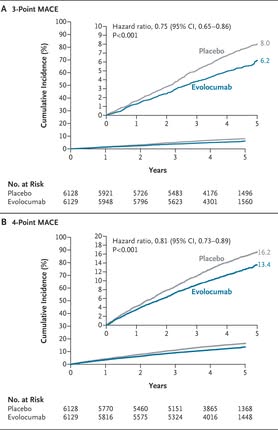
Summarises a July 2025 review: guidelines now target LDL-C <55 mg/dL (<40 after a recurrent event), PCSK9 inhibitors add 59-62% LDL reduction, and evidence (FOURIER, CTT meta-analysis, PCSK9 genetics) supports benefit to very low levels. It says safety concerns such as hemorrhagic stroke, cognitive decline (EBBINGHAUS) and hormone disruption are unsupported, while fewer than one in four high-risk patients reach target.

Healthy lifestyle tied to less dementia despite amyloid and tau in the brain (n=586)

Feb 06, 2024 · Louis Nervegna ♥ 9 · 💬 7 Brain health & dementia

Louis shares an observational study of 586 people whose brains were examined at autopsy and linked to up to 24 years of lifestyle data. A healthy lifestyle (not smoking, 150+ min/week exercise, light to moderate alcohol, mental stimulation and MIND diet) was associated with protection from cognitive decline even when amyloid or tau pathology was present. He notes dementia and heart disease share lifestyle prevention.

LDL is necessary but not always sufficient for atherosclerosis, among 25+ risk factors

Mar 25, 2024 · Louis Nervegna ♥ 14 · 💬 2 LDL, ApoB & lipid panel

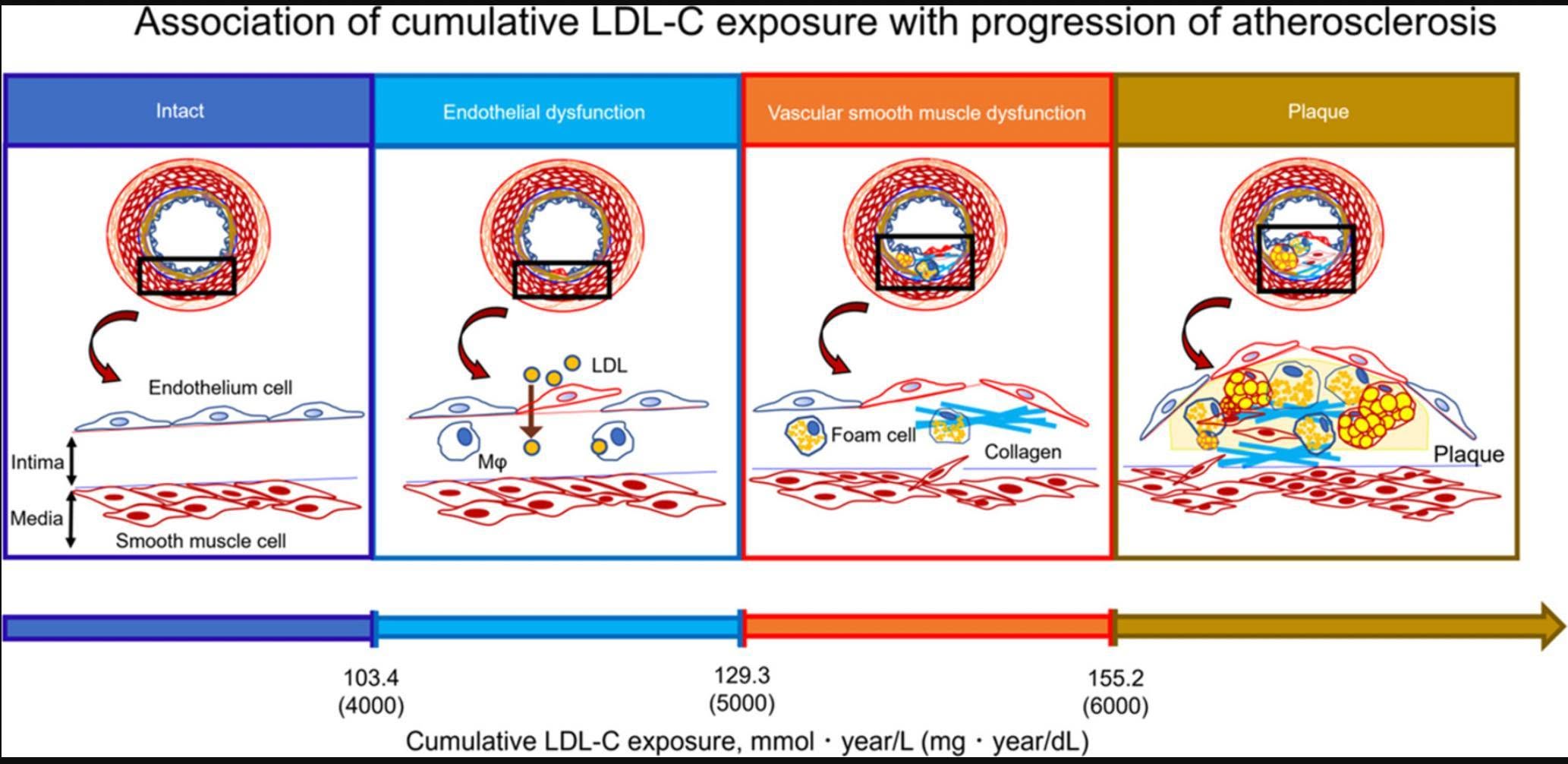
Louis summarizes a Joel Kahn video: there are at least 25 major heart disease risk factors, all of which should be addressed, but LDL is special because it appears necessary for plaque to form. It is not always sufficient, since some people with very high LDL never develop plaque. No other risk factor has been shown to be necessary, which is why cardiologists focus on LDL.

Why new therapies take 10+ years and $100M+ for FDA approval, and what doctors can do

Jan 15, 2024 · Louis Nervegna ♥ 11 · 💬 2 Guidelines, policy & public health

Louis explains FDA approval needs three phases (safety, preliminary efficacy, full efficacy), typically a decade or more and at least $100 million, sometimes near $1 billion. Phase 3 trials are large and long and often fail, so promising therapies may never be tested. Meanwhile doctors can use GRAS supplements and prescribe drugs off-label, which lets science-based clinicians go beyond the standard of care.

Lifestyle changes may cut sudden cardiac arrest risk 40-63%, per 2025 UK study in a video

Jun 01, 2025 · Gokhan Can ♥ 10 · 💬 2 Heart attack, stroke & procedures

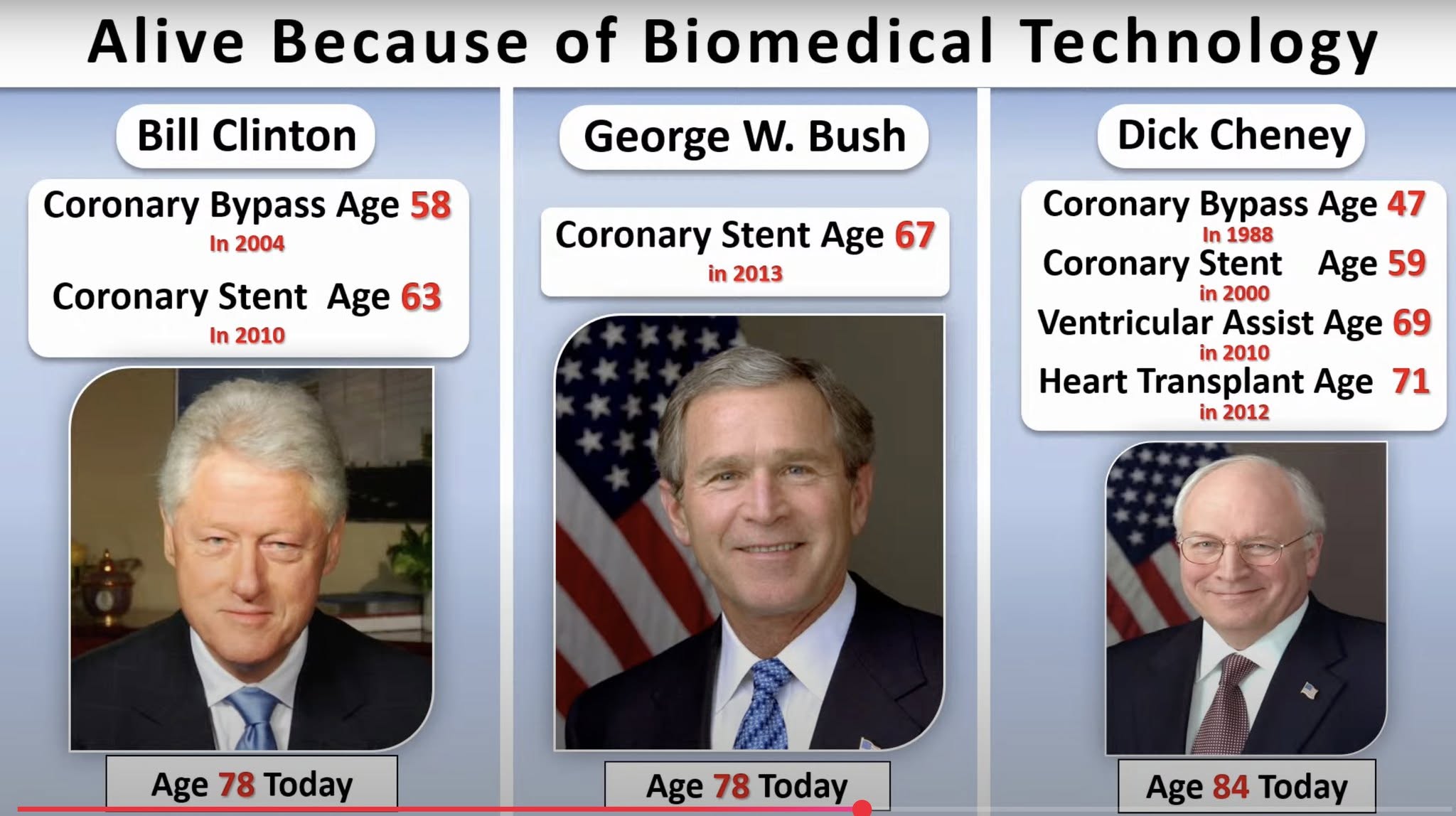
A video segment from Life Extension founder Bill Faloon discusses a 2025 UK study finding that modifiable factors such as physical activity and social engagement reduce sudden cardiac arrest risk by 40-63%, while unemployment and smoking raise it. He also contrasts today's heart disease treatment with that available to past presidents.

Examine: saturated fat raises LDL-C and apoB in WHO meta-analysis of 84 RCTs

Sep 05, 2024 · Gokhan Can ♥ 5 · 💬 3 Fats & oils (saturated fat, seed oils, omega-6, olive oil)

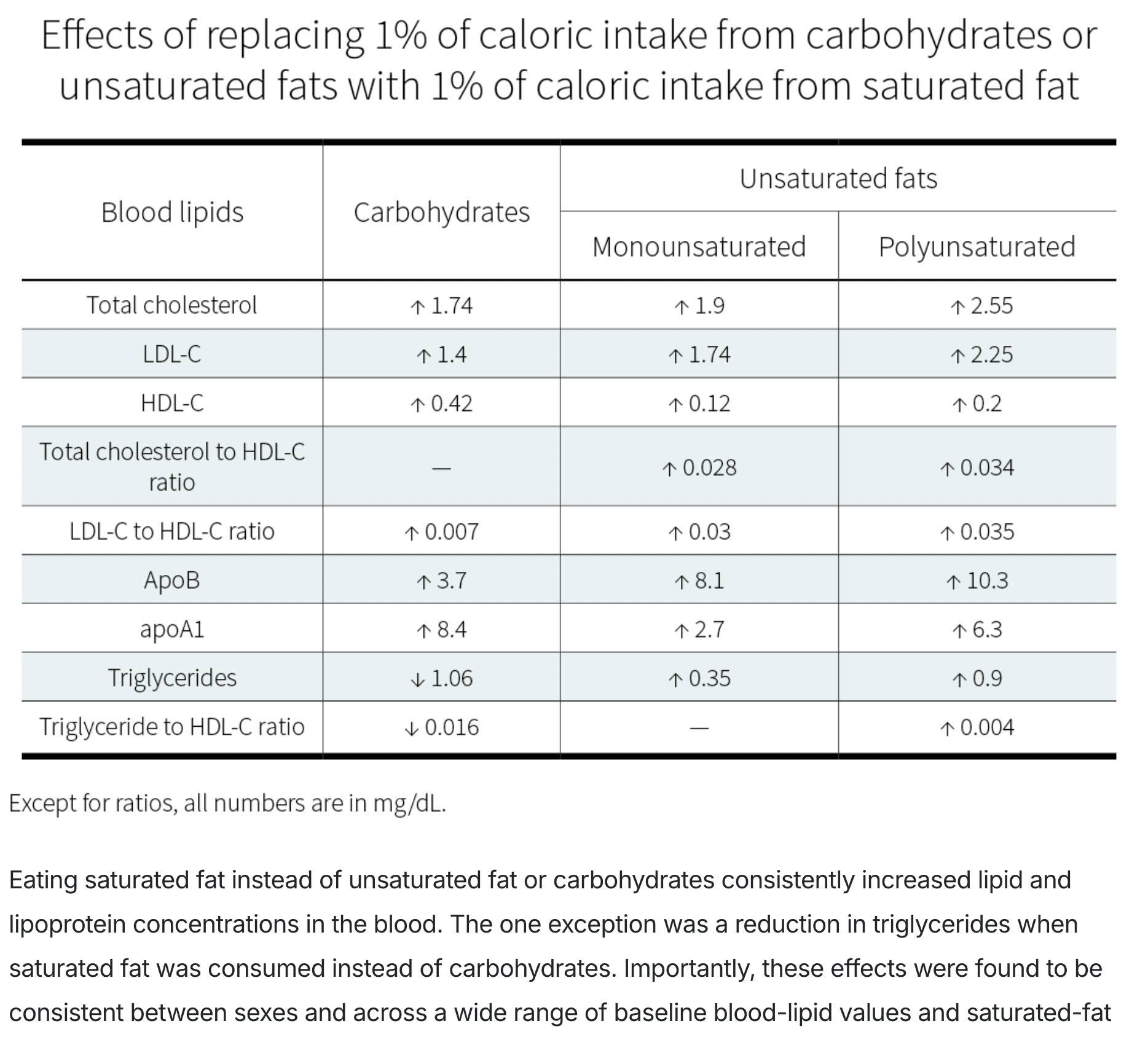
Summary of Examine's article on saturated fat. A 2016 WHO meta-analysis of 84 RCTs (2,353 healthy adults) examined replacing 1% of calories from carbohydrates or unsaturated fat with saturated fat. Saturated fat raised LDL-C and apoB (suggesting higher risk), and HDL rose only about one-tenth as much as LDL-C, raising the LDL/HDL ratio.

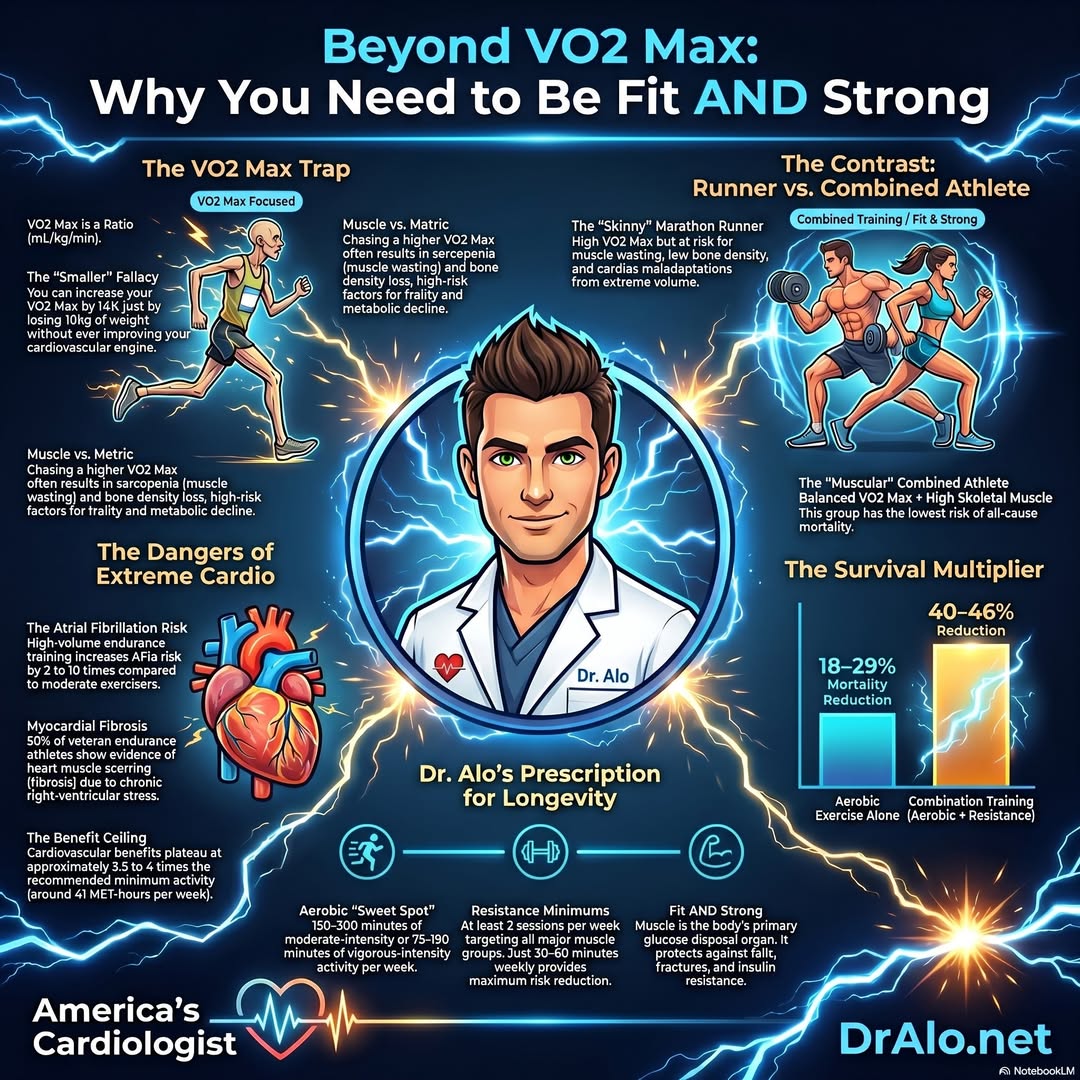
VO2 max is a ratio, and chasing it can mislead about heart health

Jul 19, 2026 · Louis Nervegna ♥ 13 · 💬 1 Exercise & fitness

Louis agrees with a critique of influencers who treat VO2 max as the key heart-health metric. VO2 max is oxygen consumption divided by body weight, so it can rise through weight loss without real fitness gain. He also notes AHA and ACC statements recognizing high-volume intense exercise can have downsides.

CHIP (clonal hematopoiesis): a little-known risk factor for heart disease and stroke

Apr 08, 2024 · Gokhan Can ♥ 5 · 💬 3 Risk assessment & lab tests

Explains clonal hematopoiesis of indeterminate potential: blood cells carrying acquired mutations that raise the risk of blood cancers, coronary disease and stroke. It becomes more common with age, can be detected with a next-generation sequencing panel, and has no specific treatment yet. The post notes testosterone therapy and anything strongly stimulating bone marrow may help CHIP expand.

Swapping refined carbs for unsaturated fat lowers LDL: meta-analysis of 60 feeding trials

Oct 08, 2025 · Louis Nervegna ♥ 5 · 💬 2 Fats & oils (saturated fat, seed oils, omega-6, olive oil)

A meta-analysis of 60 controlled human feeding trials found that replacing carbohydrate calories with monounsaturated or polyunsaturated fat lowers LDL cholesterol, while saturated fat raises it. The effect looked largest for polyunsaturated fat, which is why choosing oils and nuts over refined starch and sugar helps the lipid profile.

WOSCOPS 20-year follow-up: 5 years of pravastatin gave lasting mortality and event benefit

Apr 07, 2026 · Gokhan Can ♥ 7 · 💬 1 Statins

Describes the 20-year follow-up of the West of Scotland Coronary Prevention Study: 5 years of pravastatin in middle-aged men with high cholesterol and no prior CHD produced a lasting legacy effect, with reduced all-cause, CV and coronary mortality and fewer heart failure and MI hospitalizations. No excess cancer or non-CV mortality was seen.

Vitamin C has not reduced heart attacks or strokes and plaque data are mixed

Apr 12, 2026 · Gokhan Can ♥ 5 · 💬 1 Supplements & vitamins

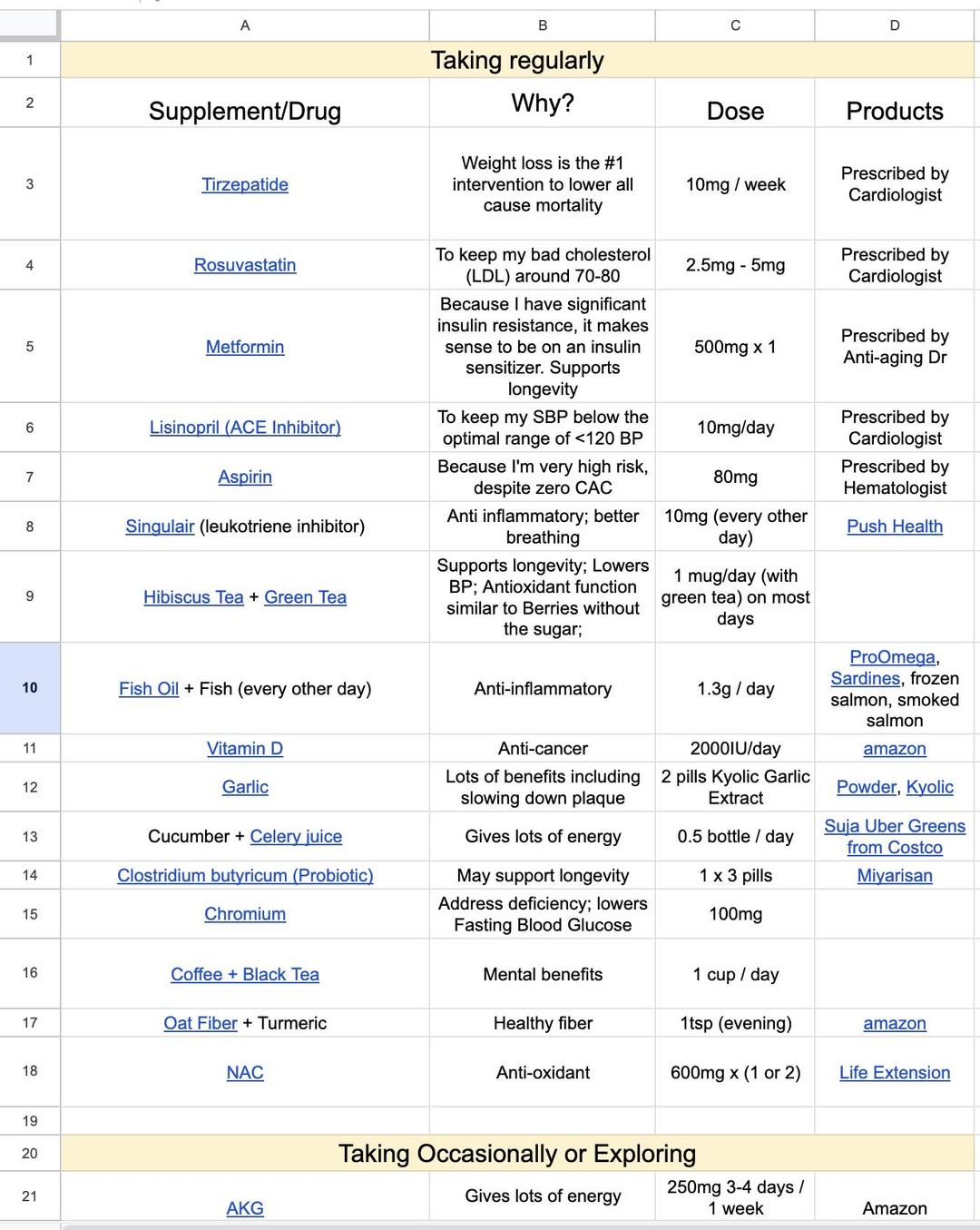
Admin summarises that vitamin C alone has been tested widely without reducing hard outcomes (MACE), and plaque-reversal data are mixed: supportive in animals, better/worse/no effect in human trials. He does not advise it as a heart-disease cure, though physiological doses appear safe; he takes 250 mg/day to avoid deficiency. Links an (largely AI-generated, author-vetted) summary document.

Gut-bacteria peptide corisin drives diabetic kidney fibrosis in mice

Aug 26, 2025 · Gokhan Can ♥ 8 · 💬 1 Kidney health

A study found the gut-bacteria peptide corisin is elevated in diabetic patients with CKD and tracks with severity. In mice, corisin travels to the kidney on albumin and accelerates aging, scarring and cell death, and a neutralizing antibody reduced kidney damage. Gokhan notes CKD almost always accompanies heart disease.

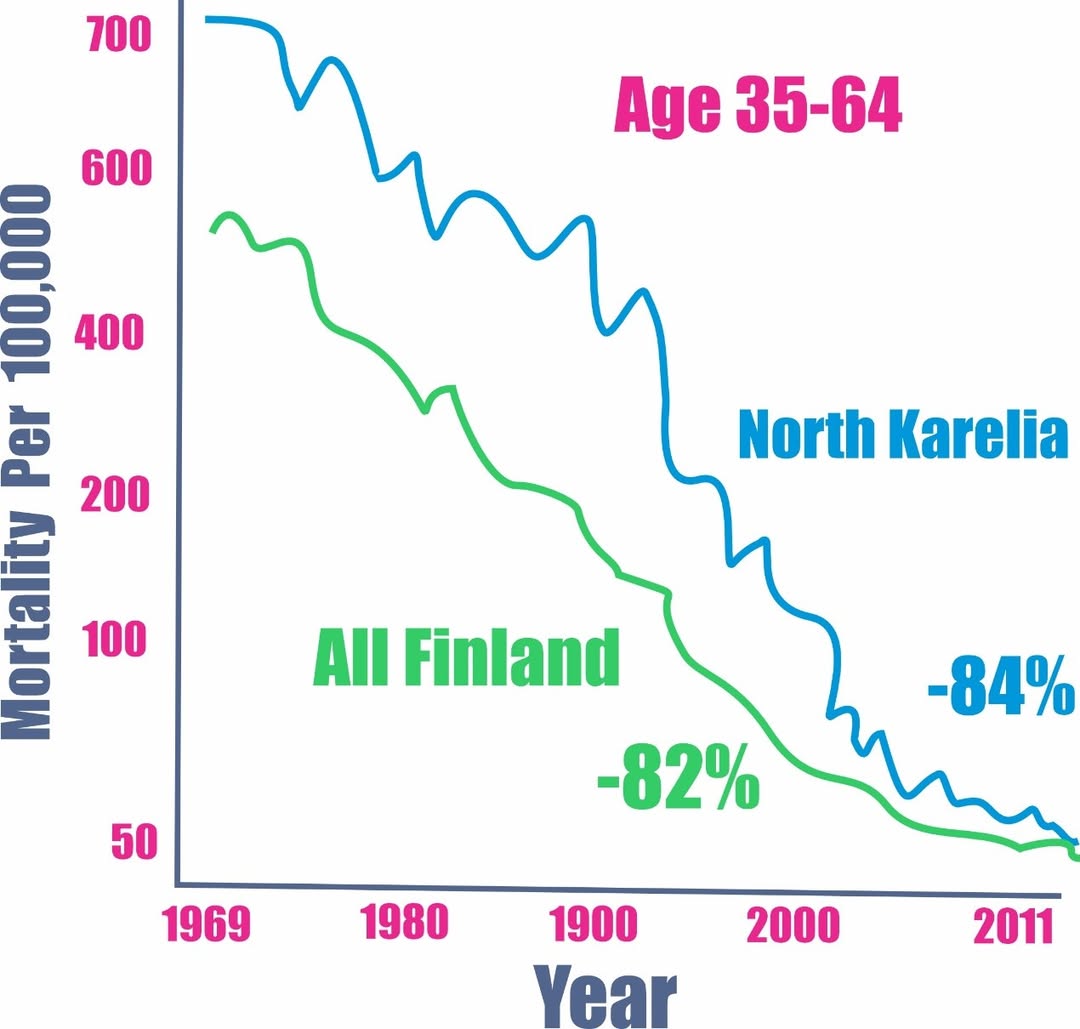
North Karelia: swapping butter for vegetable oils credited with 80%+ fewer coronary deaths

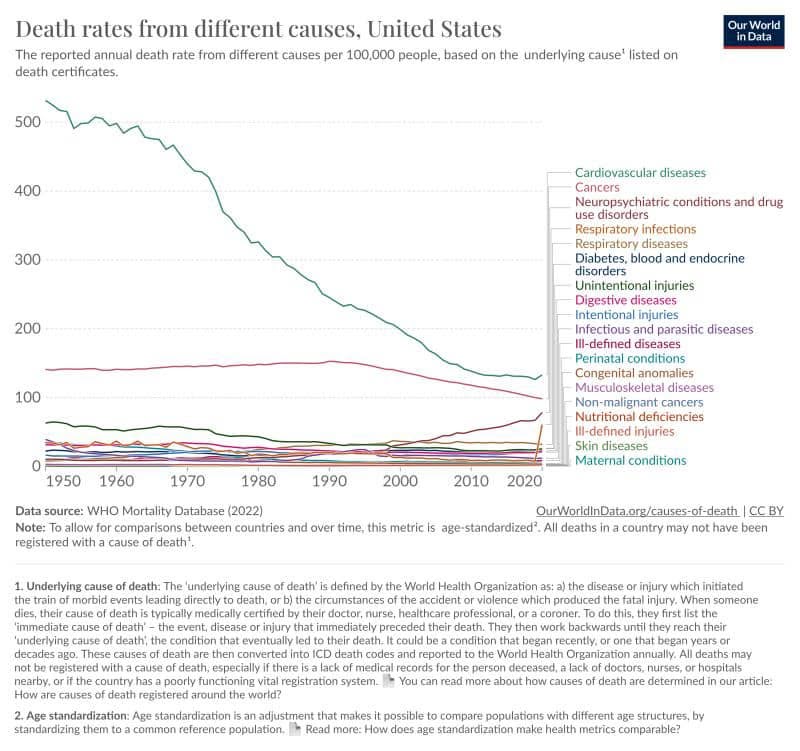
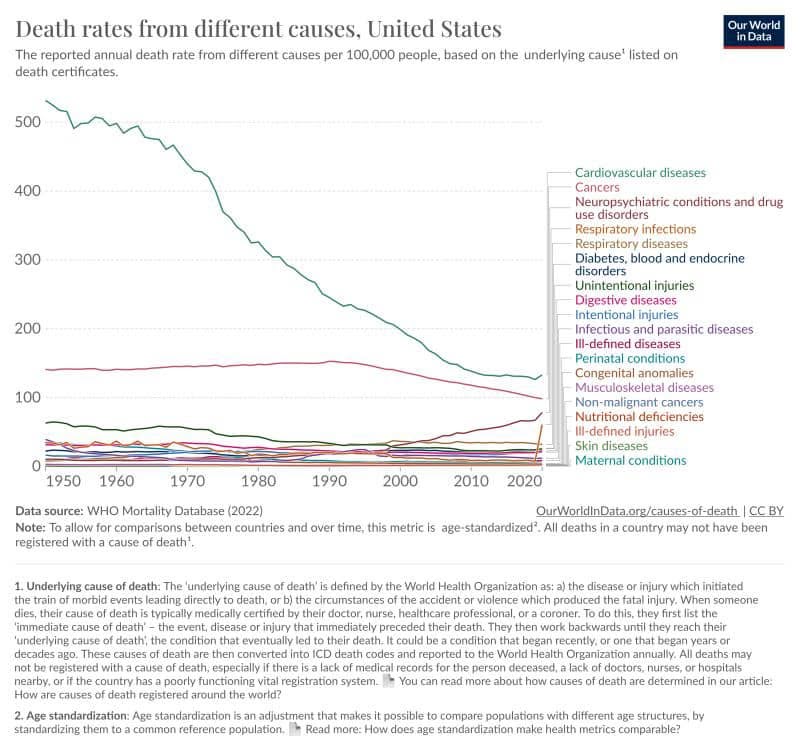
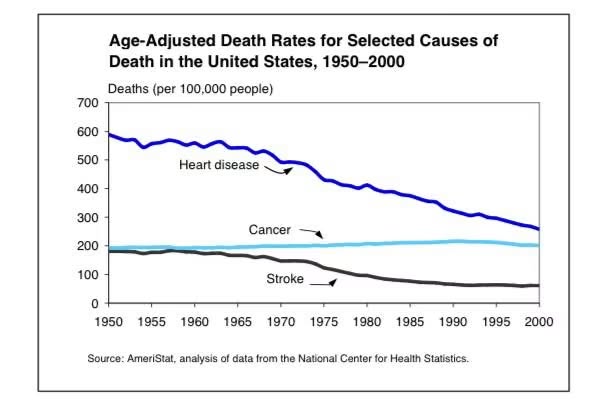
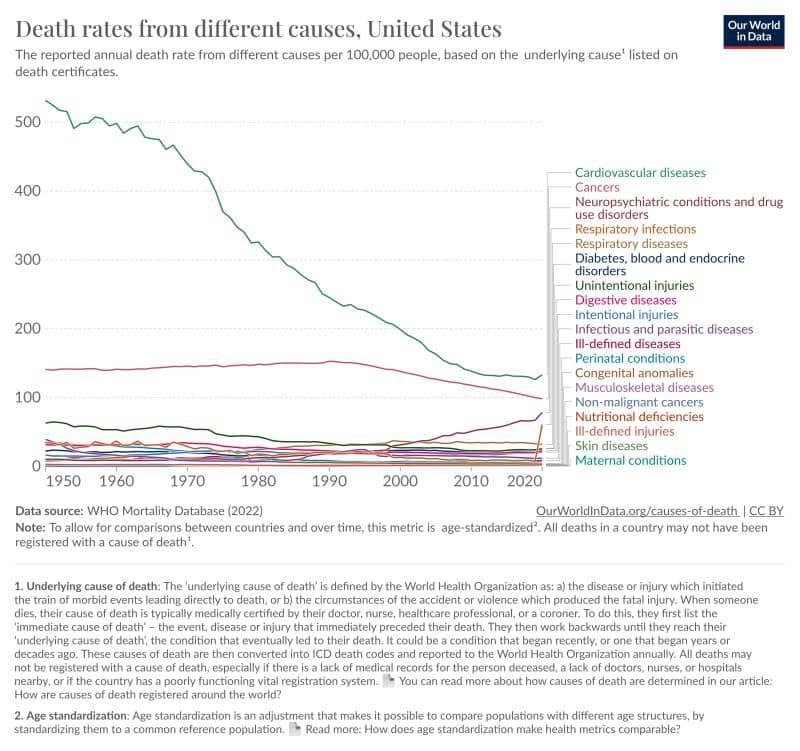
Louis says replacing saturated with unsaturated fat is believed to be a main reason heart deaths dropped in Finland in the 1970s and 1980s. The shared cardiologist's post describes North Karelia's 700 per 100,000 CVD death rate in 1972, with 24% of calories from saturated fat, and a 20% cholesterol drop with coronary deaths in working-age men falling 82%.

Why low LDL-C correlates with higher mortality: causation versus correlation

Nov 17, 2023 · Gokhan Can ♥ 5 · 💬 1 ↩ 2 LDL, ApoB & lipid panel

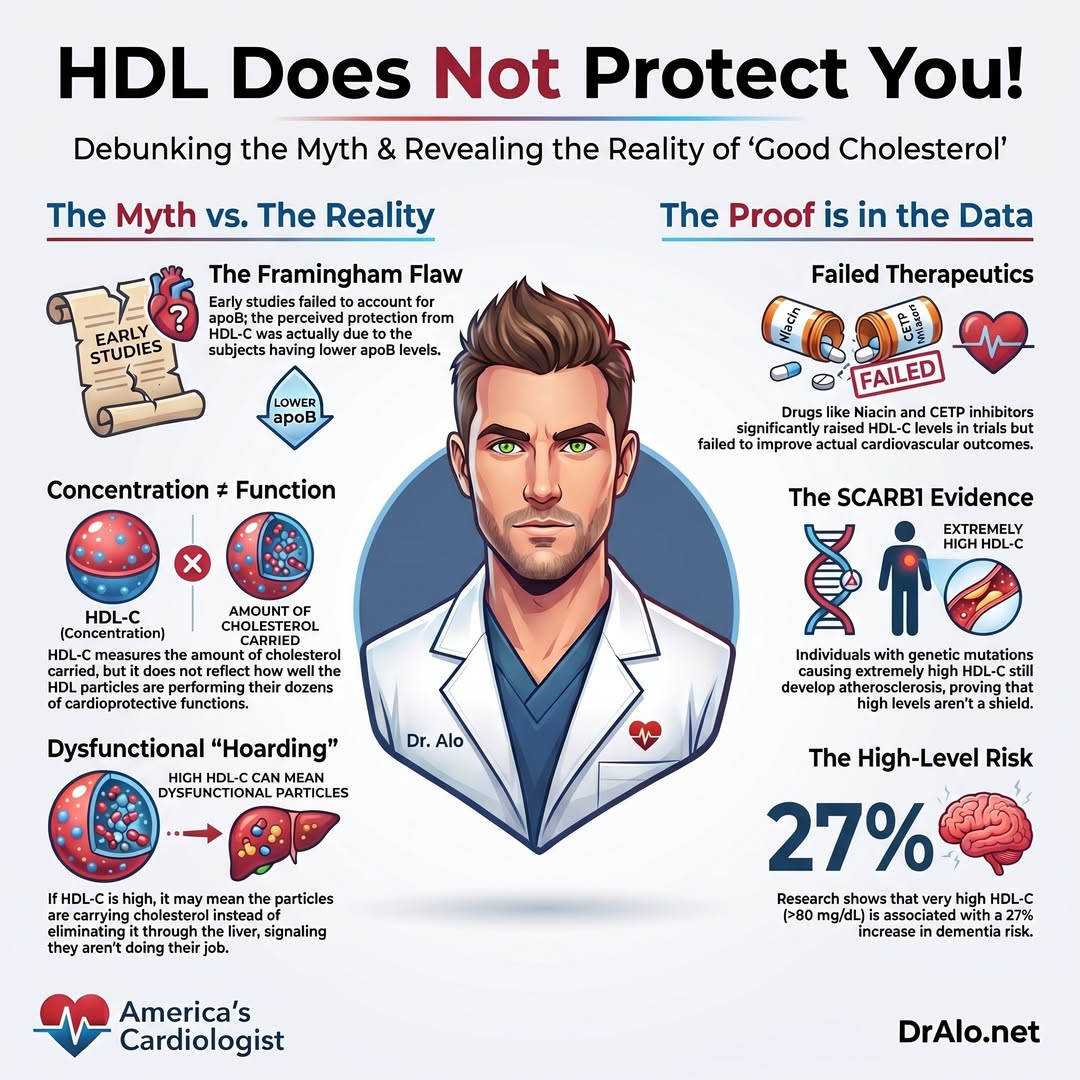
Points to a video on how ignoring the difference between correlation and causation can mislead, and argues that the association of low LDL-C with higher mortality is a marker of illnesses such as cancer or liver disease rather than a cause. Also links a paper from the author's cardiologist on causal roles of LDL-C, HDL, triglycerides and inflammation.

Berberine 500 mg twice daily lowered ApoB in two trials; CVD prevention unproven

Oct 29, 2026 · Louis Nervegna ♥ 1 Supplements & vitamins

A shared summary says two randomized trials of 500 mg berberine twice daily reduced ApoB, with a reduction nearly three times greater in women, though across separate trials. A newer study of 84 men identified a 'Berberine Signature' of 92 proteins linked to about 13% lower odds of ischemic heart disease in UK Biobank, but those participants were not necessarily taking berberine, so it does not prove prevention.