HD-OPM Archive
Topics › Statins

Statins block an IL-33 inflammation pathway that may drive inflammation-linked cancers

Louis Nervegna · Dec 05, 2024 · ♥ 20 reactions · 14 comments · original Facebook post
StatinsCancerInflammation & CRP
AI summary & key facts

A shared post summarizes a Nature Communications study reporting that statins (such as pitavastatin) block the TLR3/4-TBK1-IRF3 pathway that induces IL-33, preventing chronic pancreatitis and pancreatic cancer development. Chronic inflammation accounts for about 20% of cancer cases worldwide.

#statinsHD #cancerHD

Research cited

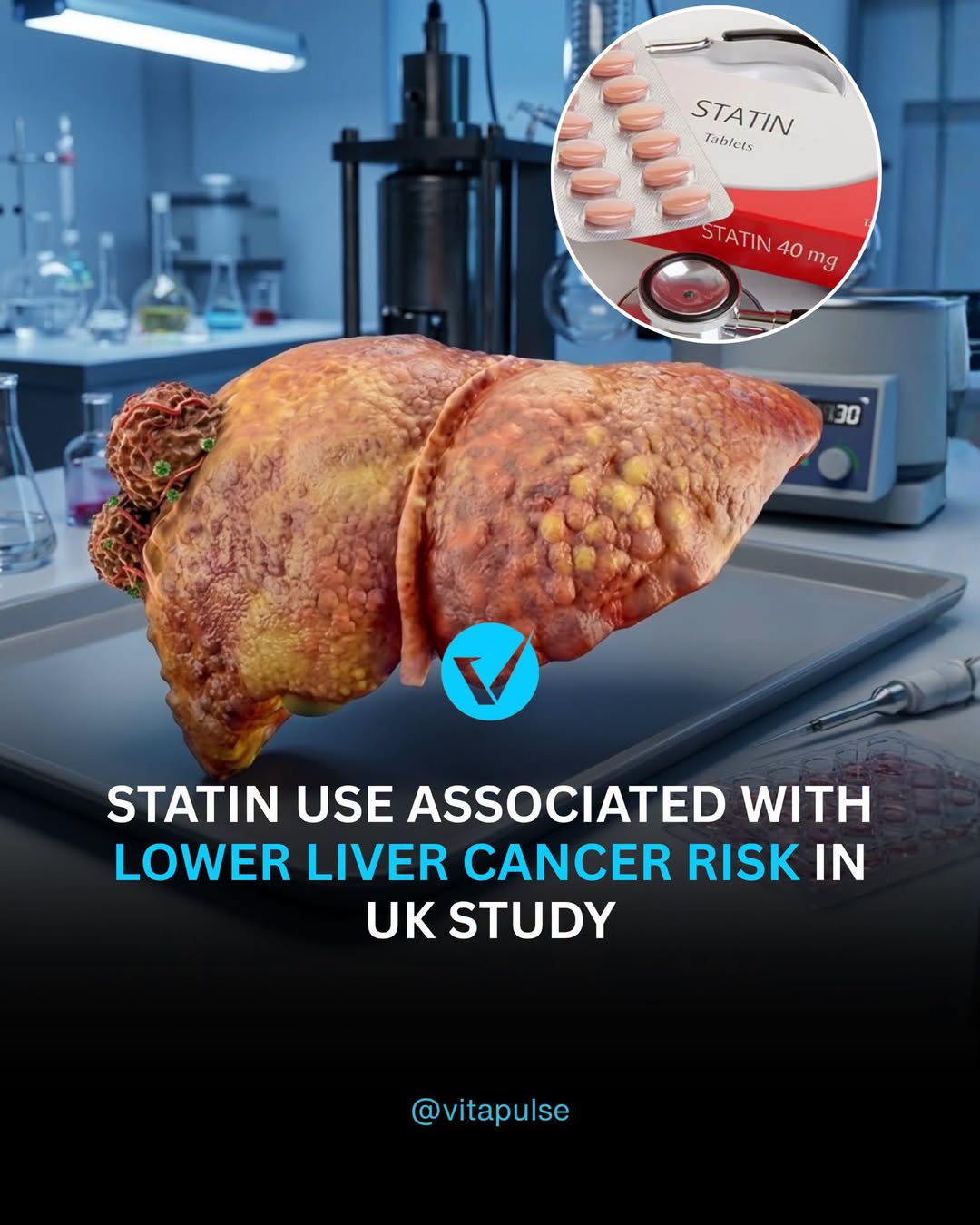
A new study has discovered that statins, commonly used to lower cholesterol, might also help prevent certain types of cancer by reducing chronic inflammation, which accounts for 20% of cancer cases worldwide. Conditions like pancreatitis and inflammatory bowel disease have increased, highlighting the need for better prevention strategies.

Statins such as pitavastatin, atorvastatin, simvastatin, and lovastatin work by blocking the TLR3/4-TBK1-IRF3 pathway, which links environmental triggers to IL-33 production—a key protein in chronic inflammation and cancer development. Pitavastatin was found to prevent TBK1 activation, thereby reducing IL-33 levels and lowering the risk of chronic pancreatitis and pancreatic cancer.

This pathway's suppression could help prevent various cancers, including skin and pancreatic cancers, and improve existing treatments. Statins are safe for long-term use, making them a promising option for cancer prevention.

← newer: Wikipedia cites 'low cholesterol causes mortality' as a corrolder: Statins after high-risk prostate cancer diagnosis linked to →