(no text — see the shared post below)
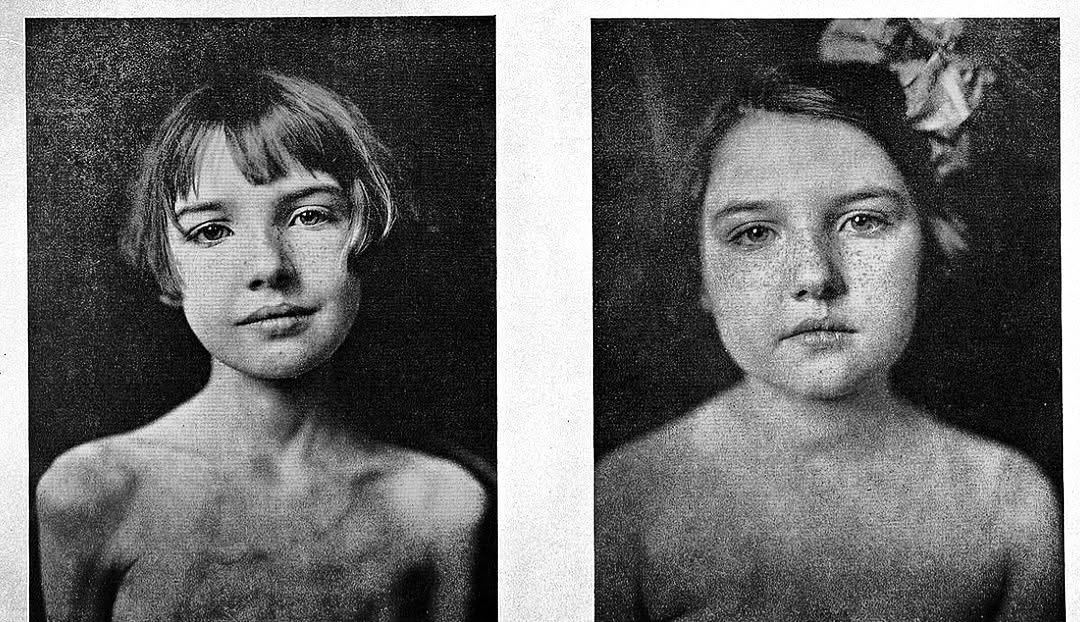
In 1922, a medical breakthrough at Toronto General Hospital changed the fate of diabetic children who were once doomed to die from diabetic ketoacidosis (DKA). Before insulin therapy, diabetes was a death sentence, with treatments limited to starvation diets that only prolonged suffering.
On that historic day, Frederick Banting, Charles Best, John Macleod, and James Collip arrived with a newly purified extract of insulin. In the hospital ward, dozens of children lay comatose, their bodies failing due to severe insulin deficiency. As scientists administered the first doses, something incredible happened. Before they finished treating the last child, the first patient awoke from their coma. One by one, the children opened their eyes, turning a room of sorrow into celebration.
Just two years earlier, in 1920, Banting and Best had successfully extracted insulin from a dog’s pancreas in a University of Toronto laboratory. Under Macleod’s supervision, they refined the process, and Collip further purified the hormone, making it safe for human injection. By early 1922, their work had progressed to human trials, proving insulin’s life-saving power.
Recognizing its significance, Banting, Best, and Collip sold the patent to the University of Toronto for just $1, believing insulin should be available to all. Banting famously declared, “Insulin does not belong to me, it belongs to the world.” In 1923, Banting and Macleod received the Nobel Prize in Medicine, and insulin became one of the most important medical discoveries of the 20th century.
This miraculous moment in 1922 marked the dawn of a new era, where diabetes was no longer a death sentence but a manageable condition, thanks to the gift of insulin.
#MedicalBreakthrough #Diabetes #InsulinDiscovery #FrederickBanting #CharlesBest #TorontoGeneralHospital #History #NobelPrize #LifeSavingScience #HealthRevolution