Carnitine supplements may CAUSE heart disease.
L-Carnitine supplemention increased carotid plaque stenosis in a recent randomized controlled trial.
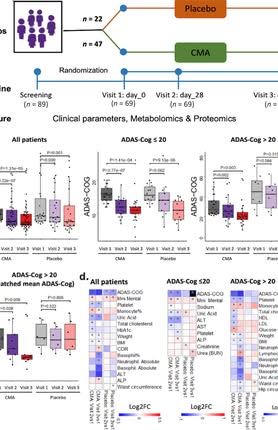
This was a phase 2 trial testing carnitine supplementation in patients with metabolic syndrome.
The plaque stenosis increased quickly. It happened in only 6 months in patients taking carnitine, as compared to placebo.
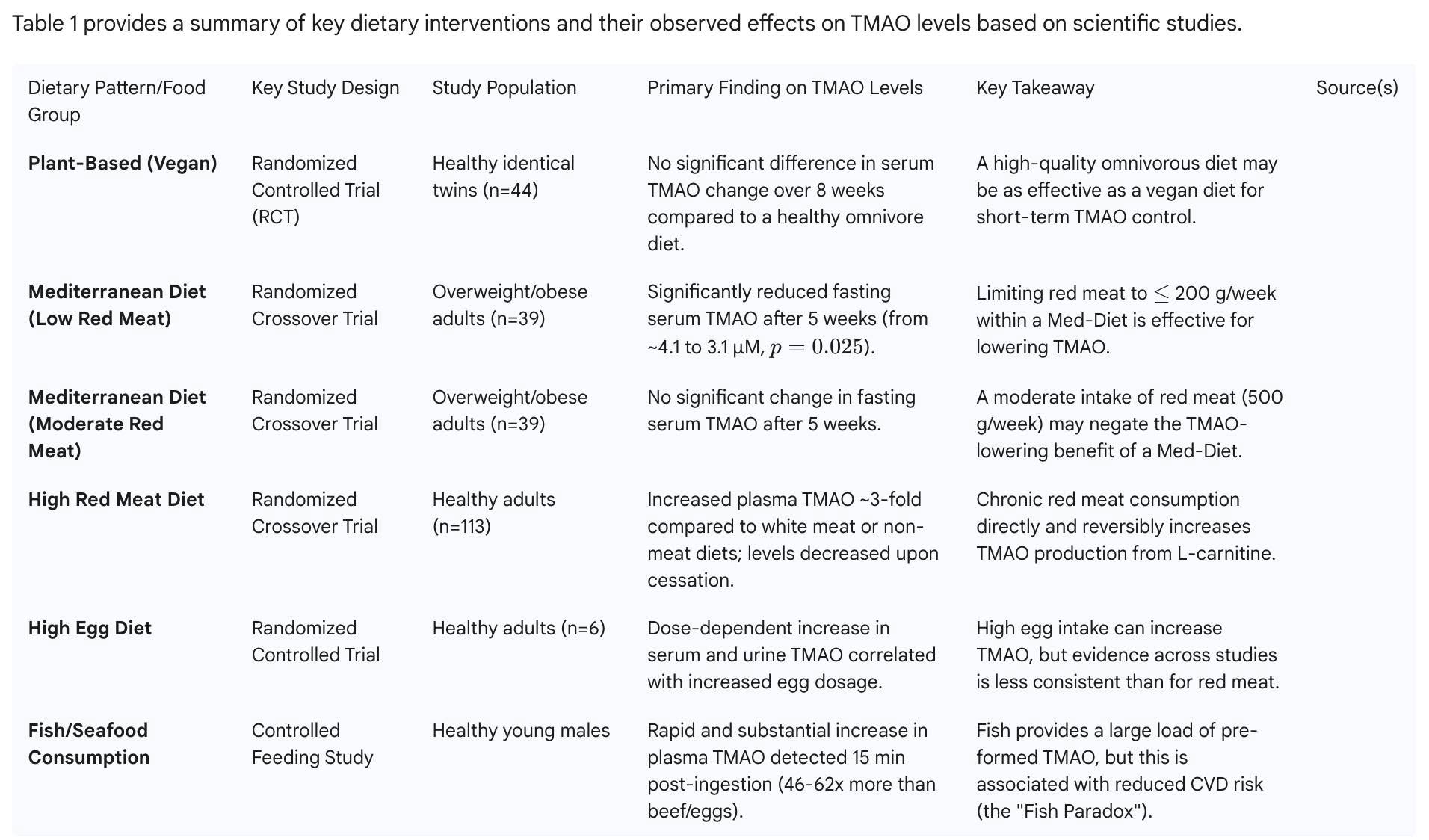
The causal mechanism is thought to be TMAO production.
Carnitine is found naturally in high amounts in red meat.
NOTE: Even if TMAO itself is not causal in heart disease, it may be a marker for something else that is causal. And carnitine may be raising that “something else”, whatever it might be, in addition to raising TMAO. The bottom line is that this randomized controlled trial is extremely concerning. The carnitine supplements appear to be accelerating the progression of atherosclerosis compared to placebo, regardless of the mechanism involved.
Quoted:
“Though total carotid plaque volume did not change in MetS participants taking L-C over 6-months, there was a concerning progression of carotid plaque stenosis. The potential harm of L-C in MetS and its association with pro-atherogenic metabolites raises concerns for its further use as a potential therapy and its widespread availability as a nutritional supplement.”
#carnitineHD #cvdHD #tmaoHD