HD-OPM Archive
Hashtags

#braincholesterol

9 posts

Only lipophilic statins like atorvastatin enter the brain; PCSK9 drugs and ezetimibe don't

Oct 18, 2025 · Louis Nervegna ♥ 25 · 💬 10 Brain health & dementia

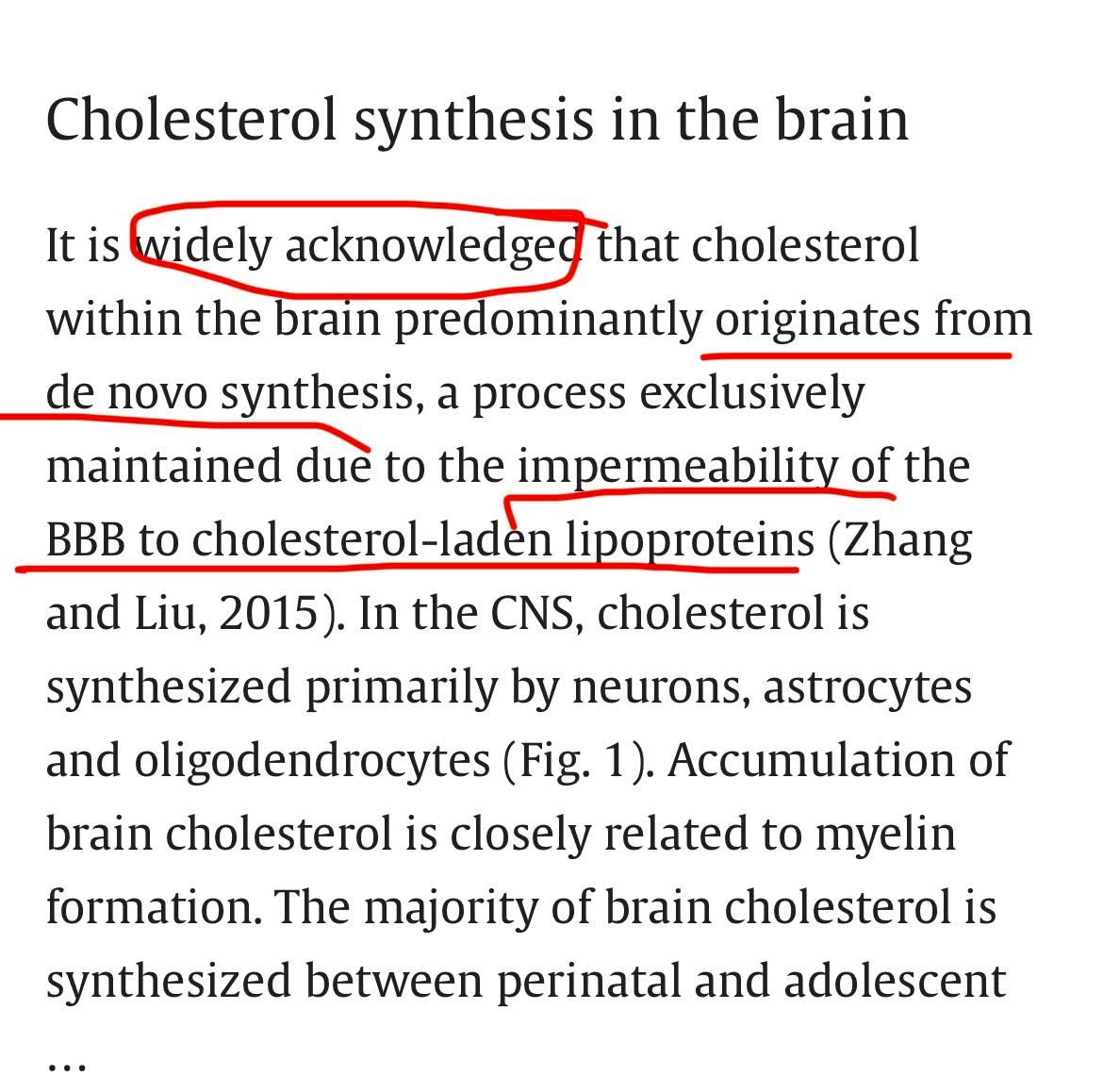
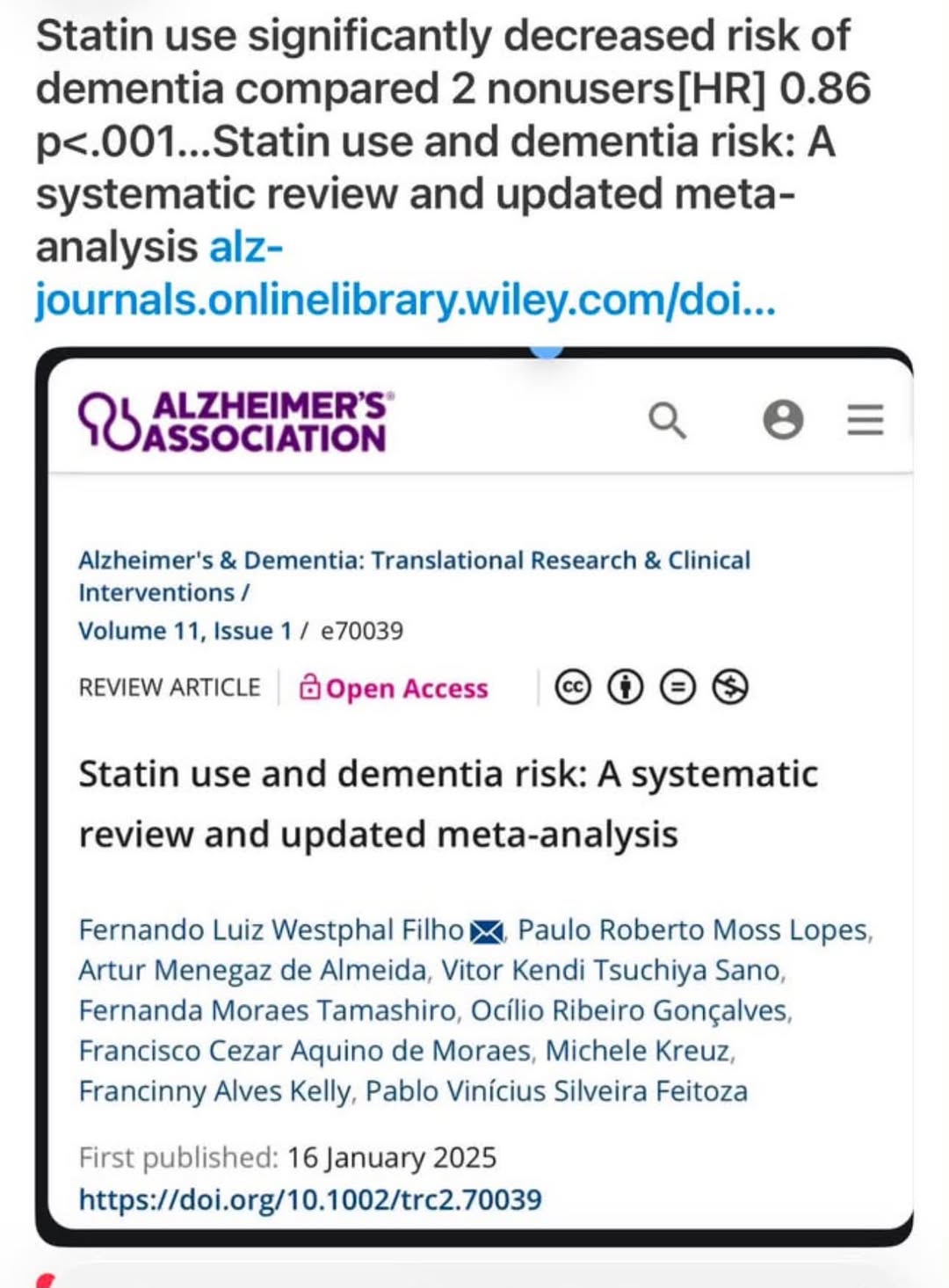
Louis explains the blood-brain barrier and cholesterol: the brain makes its own cholesterol separately from blood, so non-statin LDL drugs and hydrophilic statins like rosuvastatin have little brain effect. Lipophilic statins do enter the brain, with promising observational data against Alzheimer's, and a 20,000-person atorvastatin trial is under way. Two prior trials showed statins do not worsen existing Alzheimer's, and midlife high LDL is a leading modifiable dementia risk (2024 Lancet Commission, about 7% of US cases per Louis).
Tissues make their own cholesterol: even very low LDL-C does not impair hormone production

Sep 17, 2026 · Louis Nervegna ♥ 15 · 💬 11 LDL, ApoB & lipid panel

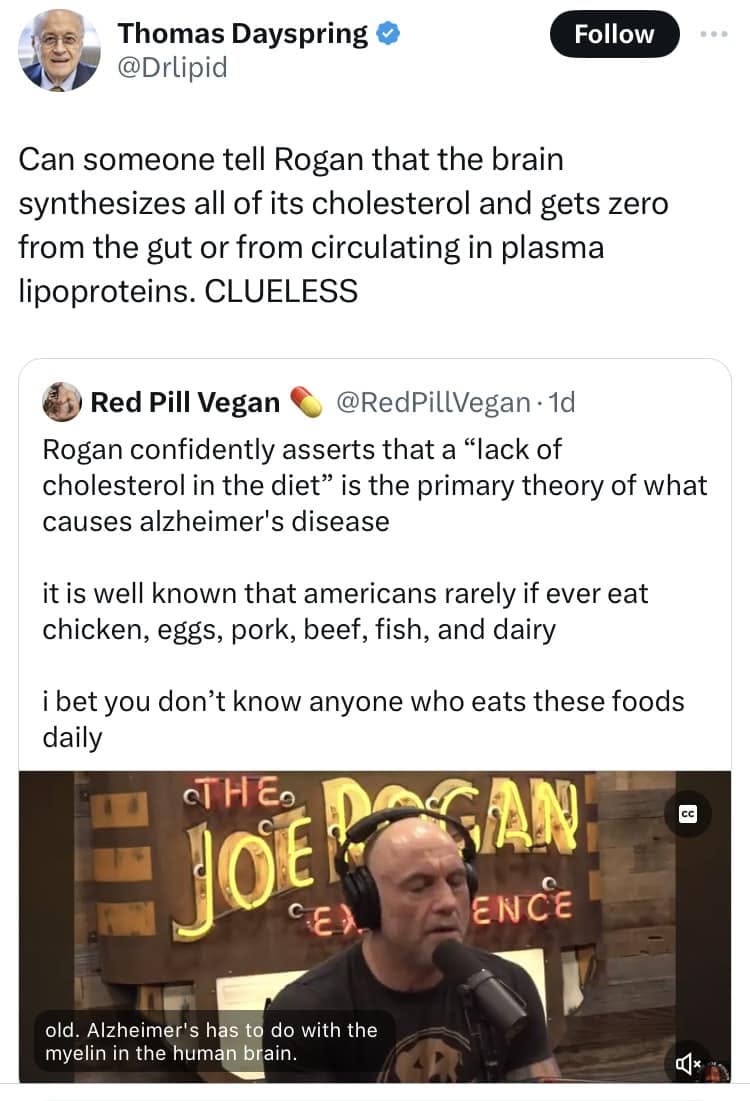
Louis explains that the blood holds only a small fraction of the body's cholesterol and that tissues, including the brain, mostly synthesize what they need. The steroid hormone demand supplied by blood is only tens of milligrams a day, easily met at very low LDL-C. He cites FOURIER and ODYSSEY OUTCOMES, in which LDL-C below 15-20 mg/dL did not impair adrenal or gonadal hormone production or vitamin D.

Nearly every cell makes its own cholesterol, especially brain cells

Oct 29, 2026 · Louis Nervegna ♥ 4 · 💬 2 LDL, ApoB & lipid panel

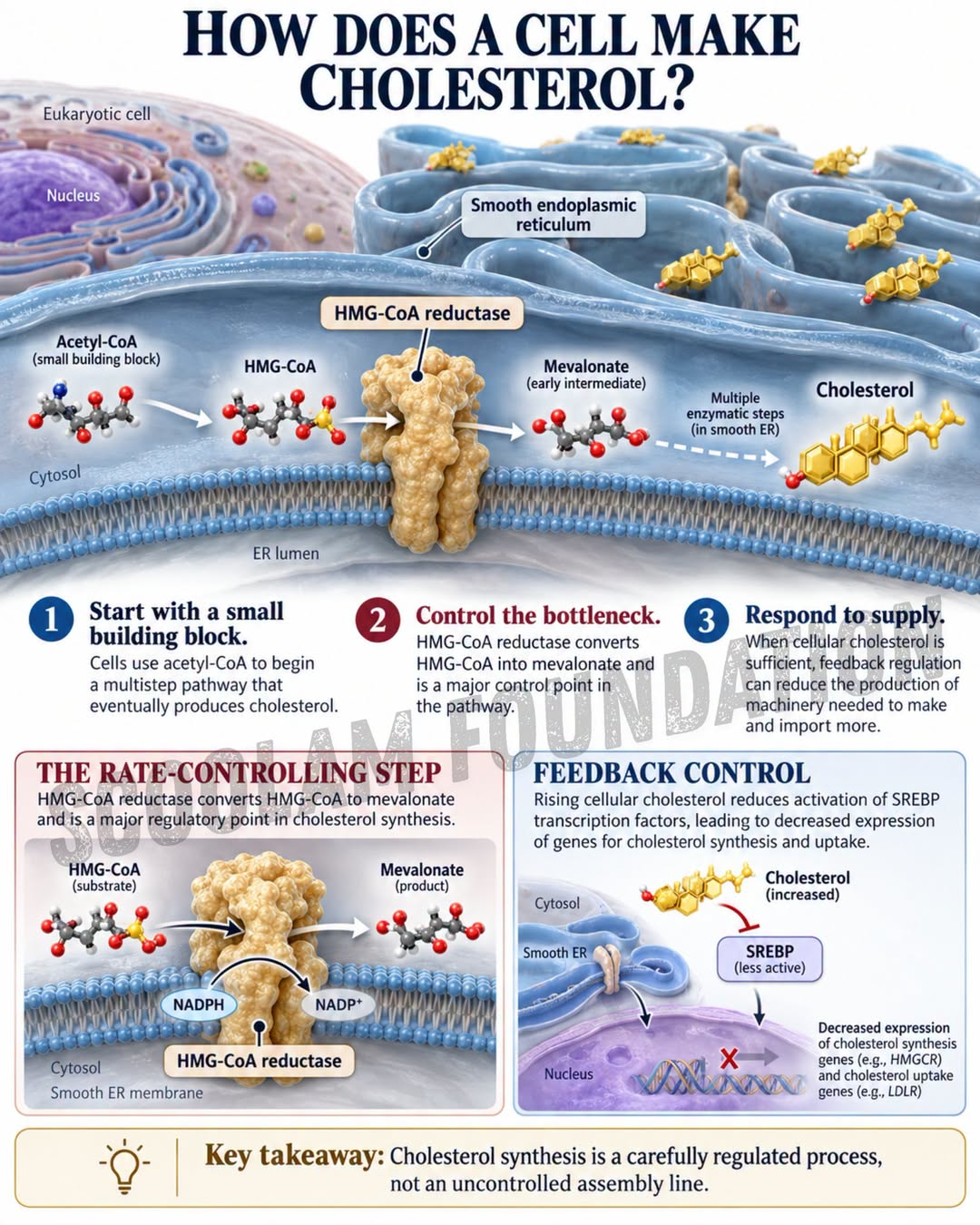
Louis notes that nearly every nucleated cell synthesizes its own cholesterol rather than relying on blood cholesterol, particularly cells in the brain. The shared explainer describes cholesterol biosynthesis through the mevalonate pathway with HMG-CoA reductase as the rate-limiting step. It frames why circulating cholesterol and tissue cholesterol are largely separate pools.

Amyloid-beta drives excess astrocyte cholesterol and impairs brain waste clearance in mice

Nov 03, 2026 · Louis Nervegna ♥ 2 Brain health & dementia

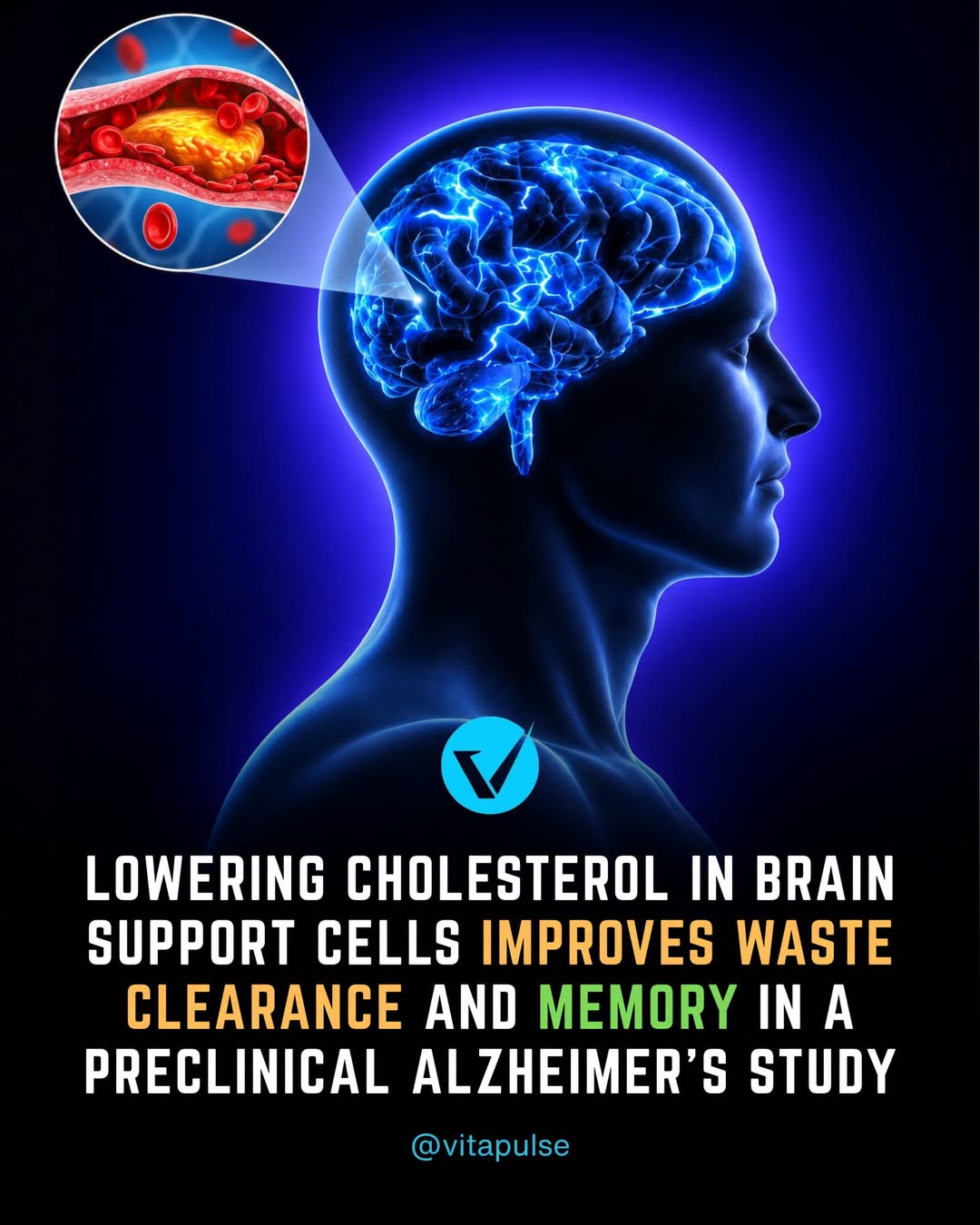
A Nature Neuroscience mouse study found amyloid-beta raises calcium activity in astrocytes, boosting cholesterol production and removing AQP4 water channels, which impairs the glymphatic waste-clearing system. Calming astrocytes, blocking cholesterol synthesis or giving atorvastatin restored clearance and memory in mice. Human trials are needed, but the mechanism may partly explain observational links between statin use and lower dementia risk.