“Absence of evidence does not mean evidence of absence.”
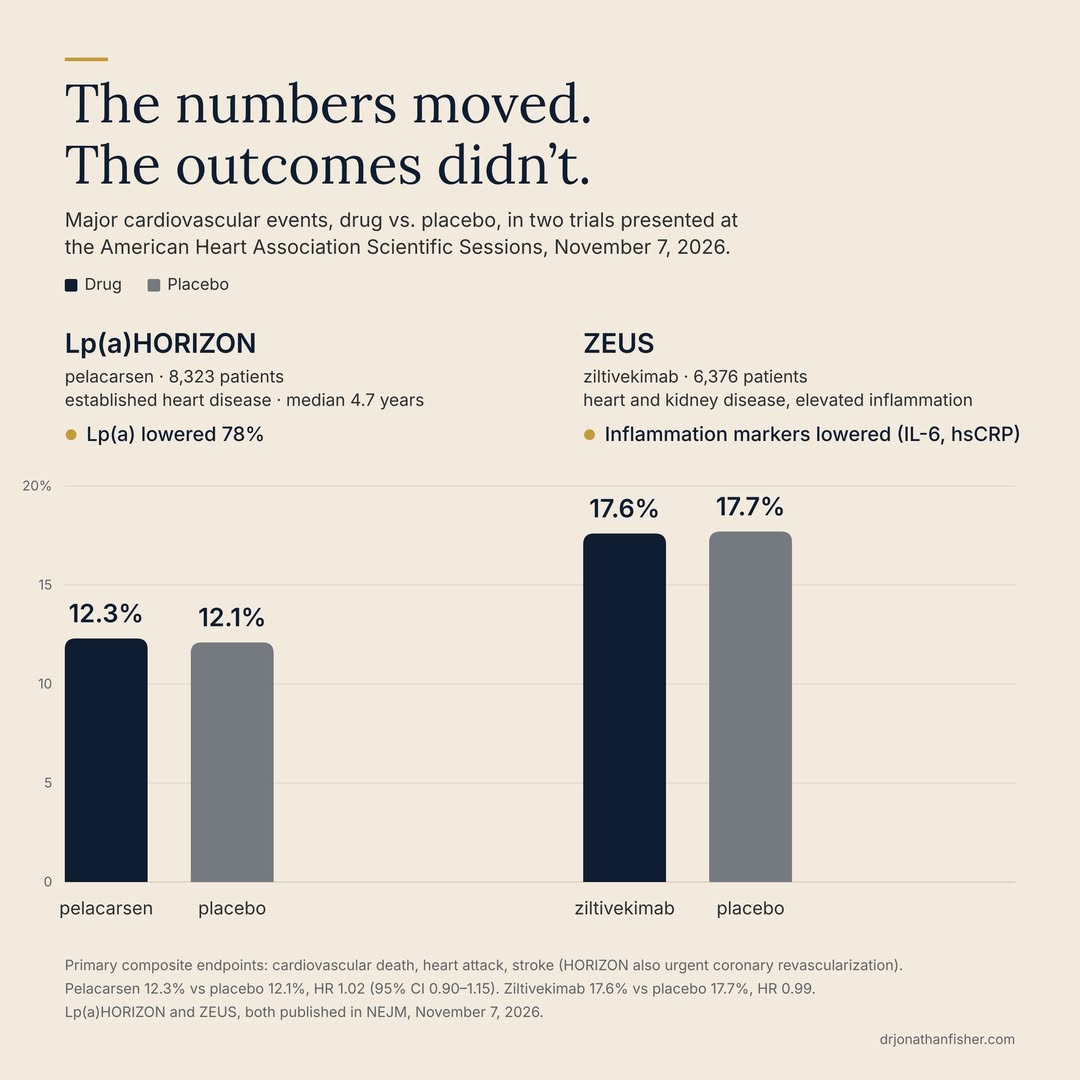
Translation: Just because an intervention hasn’t been properly studied, does not mean that it fails to work. It simply means that it is indeterminate. Nobody knows for sure.
It is important to distinguish interventions that fall into this indeterminate category from interventions that are definitively proven not to work.
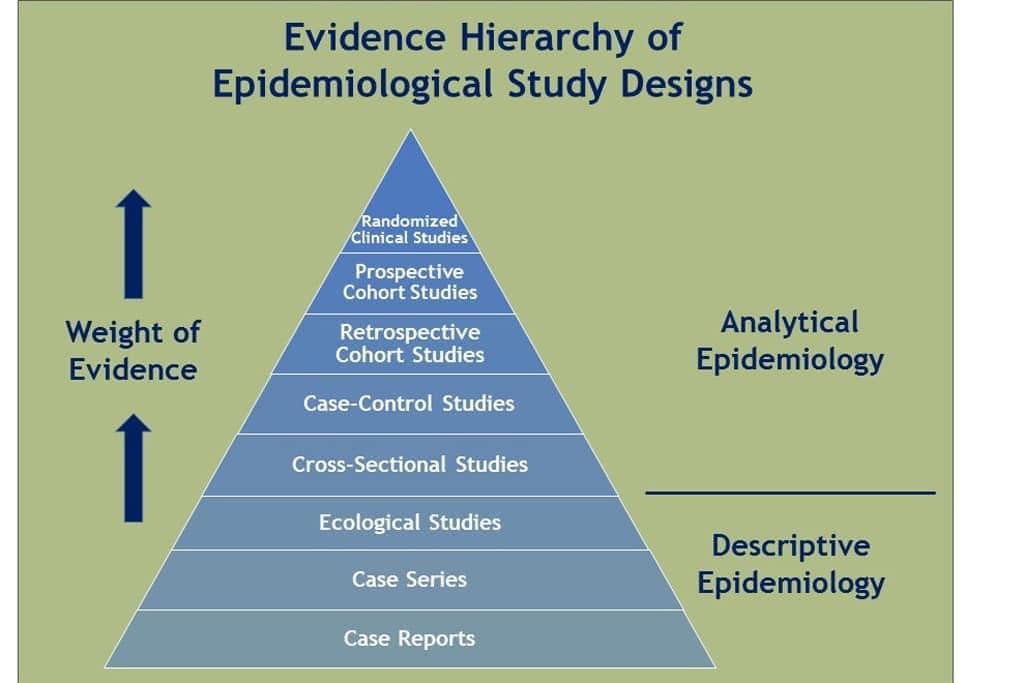
A lot of the more speculative things that we talk about in the group fall into this indeterminate category, e.g. supplements. Maybe they work. Maybe they don’t.
The best you can really do is try to assign a subjective probability to whether or not they work based on the limited evidence which is available.
This is sometimes referred to as a Bayesian approach.
The subjective nature of interpreting this limited evidence means that this assigned probability will vary from person to person. Ultimately, you have to make this assignment for yourself.
Needless to say, it is probably unwise to bet your life on things that fall into this indeterminate category.