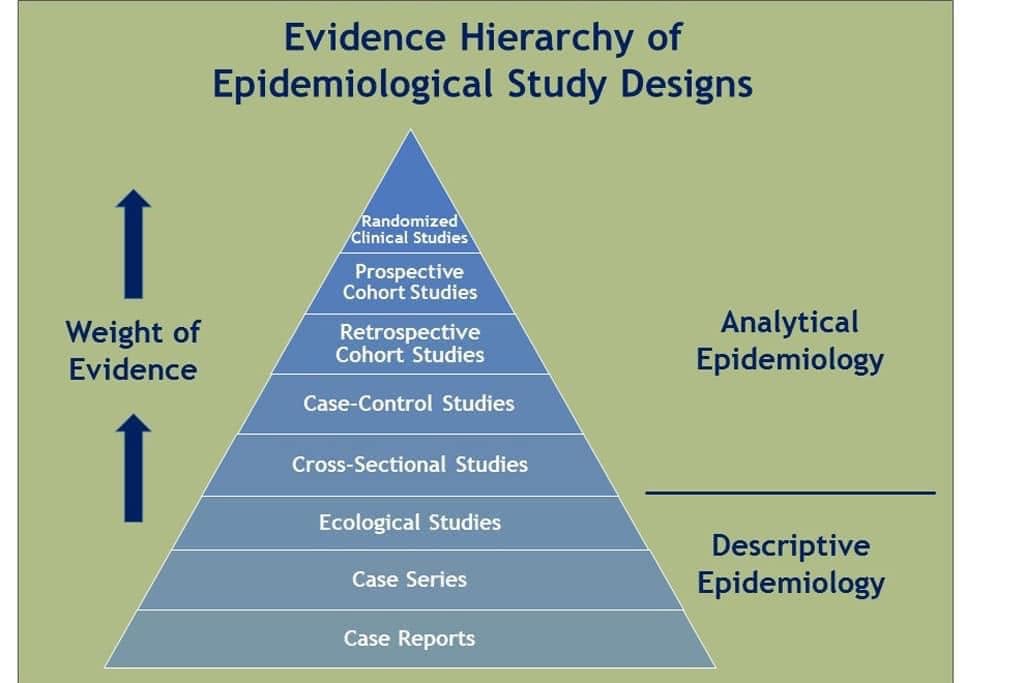
This study on salt is an example of what is called an “ecological study”:
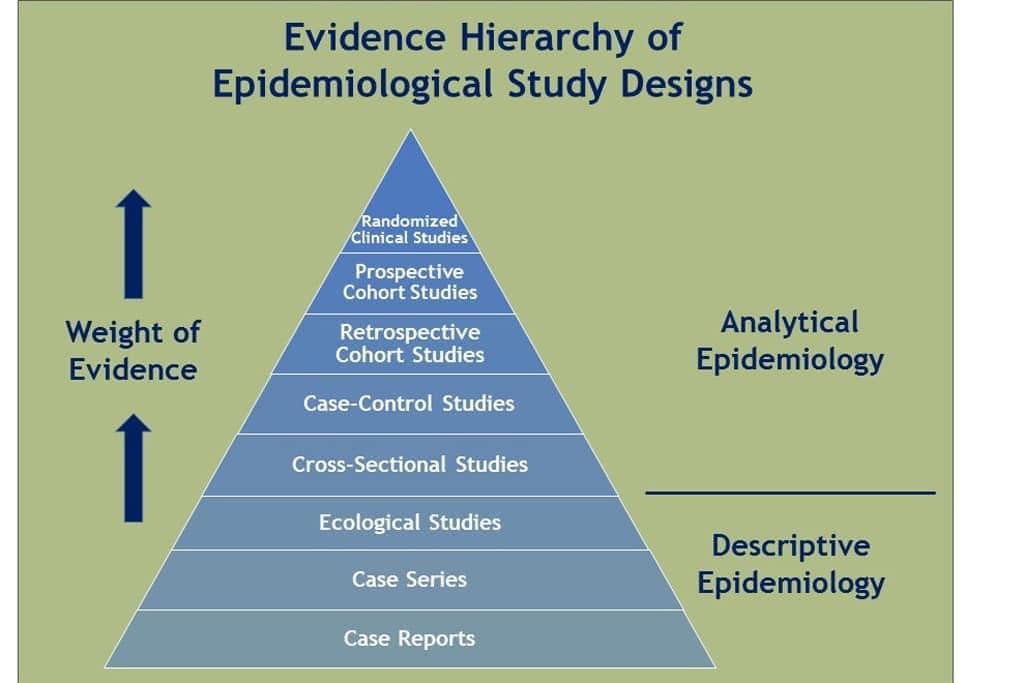
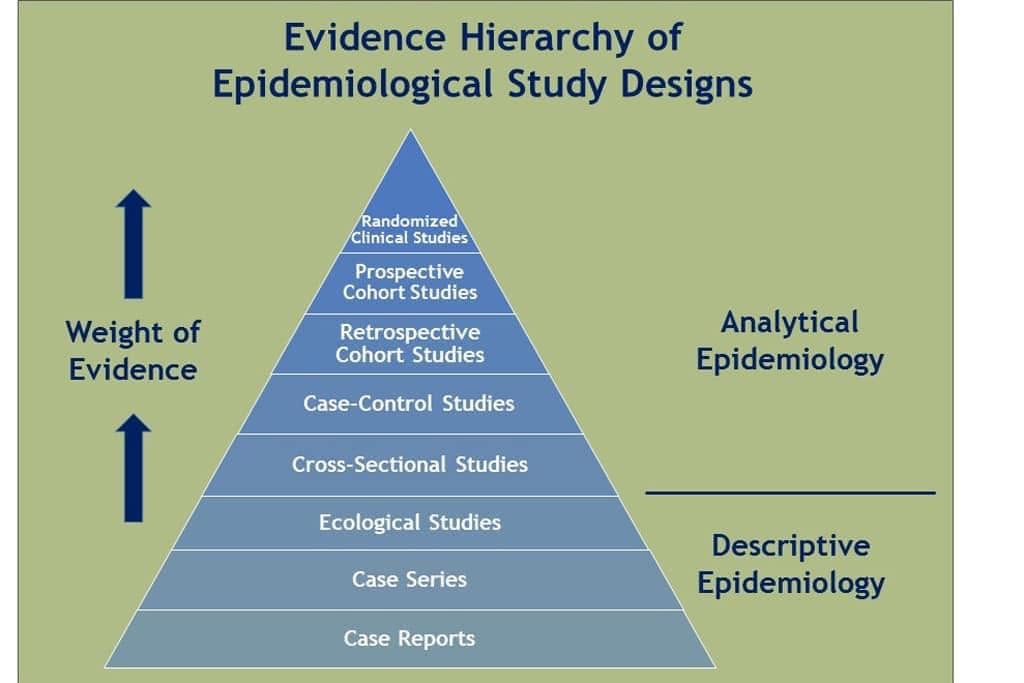
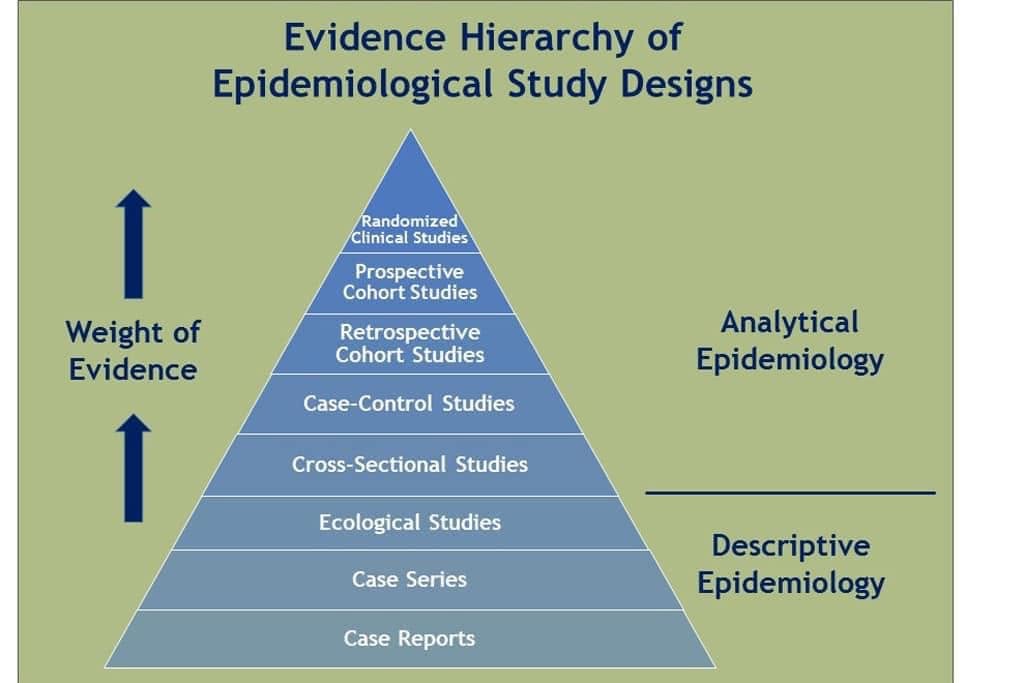
Paper · Eur Heart J · 2021Sodium intake, life expectancy, and all-cause mortality.Conclusion: Our observation of sodium intake correlating positively with life expectancy and inversely with all-cause mortality worldwide and in high-income countries argues against dietary sodium intake being a culprit of curtailing life span or a risk factor for premature death. These data are observational and should not be used as a base for nutritional interventions.pmc.ncbi.nlm.nih.govThis type of study is at the bottom of the evidence hierarchy in medicine. You can see that evidence hierarchy here:
↪ Check where a study sits on the evidence hierarchy before citing it
Ecological studies are NEVER used for making clinical decisions in medicine. At least not by anyone who knows what they are doing. They are only used for generating hypotheses, to be tested later in higher-quality studies.
Quacks often try to use these low-quality ecological studies to refute data from high-quality RCT’s and prospective cohort studies at the top of the evidence hierarchy. This is the standard quack playbook. You see this all the time on social media.
These people either don’t understand that ecological studies are very low-quality (and only hypothesis-generating), or they are intentionally trying to trick you.
Don’t fall for it.
If you care about your health, make important decisions based on high-quality studies from the top of the evidence hierarchy in medicine.
——-
Additional notes:
It is a statistical fallacy to use ecological studies to make claims about individuals. For example, saying that an ecological study about salt consumption in various countries shows that people who eat more salt live longer. That is very wrong. This is called “ecological fallacy”.
What this ecological study about salt actually shows is that the country lives longer as a whole entity. The study says absolutely nothing about individuals.
Ecological studies suffer from ecological fallacy. You can read more about the problems that this causes here:
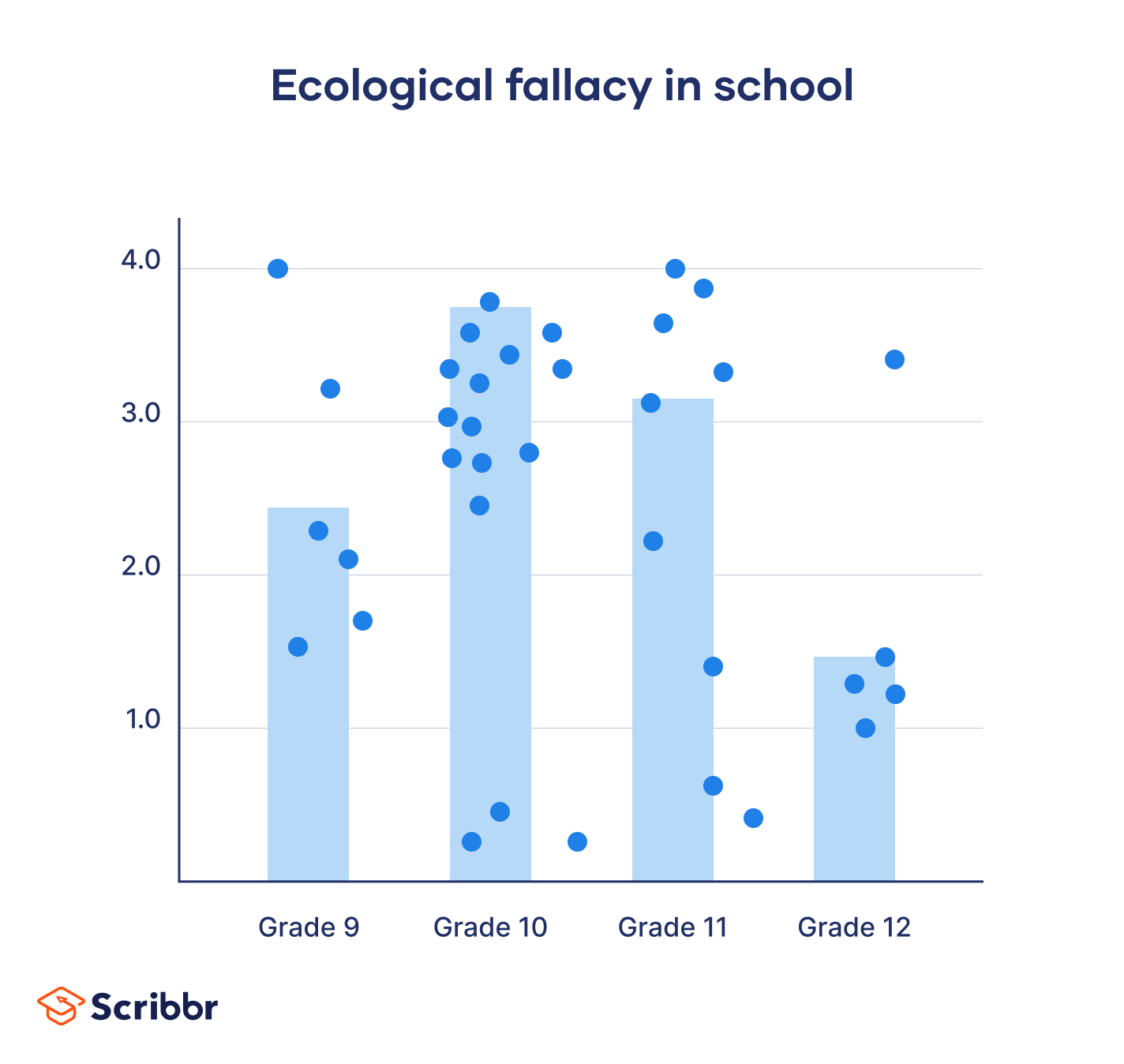 ScribbrWhat Is Ecological Fallacy? | Definition & ExampleAn ecological fallacy is a logical error that occurs when the characteristics of a group are attributed to an individual. In other words, ecologicalscribbr.com
Because of ecological fallacy and other issues, you cannot make statistical claims about individuals from ecological studies. This is true whether or not you properly correct for confounders. All you can do is make very broad statistical claims about entire groups as a whole entity (e.g. entire countries):
This is why ecological studies are not considered valid evidence in clinical medicine. They are never used to make clinical decisions about individuals in medicine. Doctors don’t treat entire countries as an entity. They treat individuals. You are an individual, not a country.
To properly study individuals in an observational study, you need to track them prospectively in cohorts. That is what a prospective cohort study does. This allows you to make valid statistical claims about individuals.
You cannot equate ecological studies with prospective cohort studies under the same umbrella term “observational studies”. They study two completely different things. Pretending that they are the same is a huge mistake. Someone who does that either does not know what they are taking about, or is intentionally trying to mislead you— or both.
#evidenceHD #ecologicalfallacyHD #influencersHD #ecologicalHD