Eggs and Health
From the Harvard School of Public Health
Quoted:
“Research on moderate egg consumption in two large prospective cohort studies (nearly 40,000 men and over 80,000 women) found that up to one egg per day is not associated with increased heart disease risk in healthy individuals. [2]
Eggs were previously associated with heart disease risk as a result of their high cholesterol content. However, a solid body of research shows that for most people, cholesterol in food has a smaller effect on blood levels of total cholesterol and harmful LDL cholesterol than does the mix of fats in the diet. [2-4]
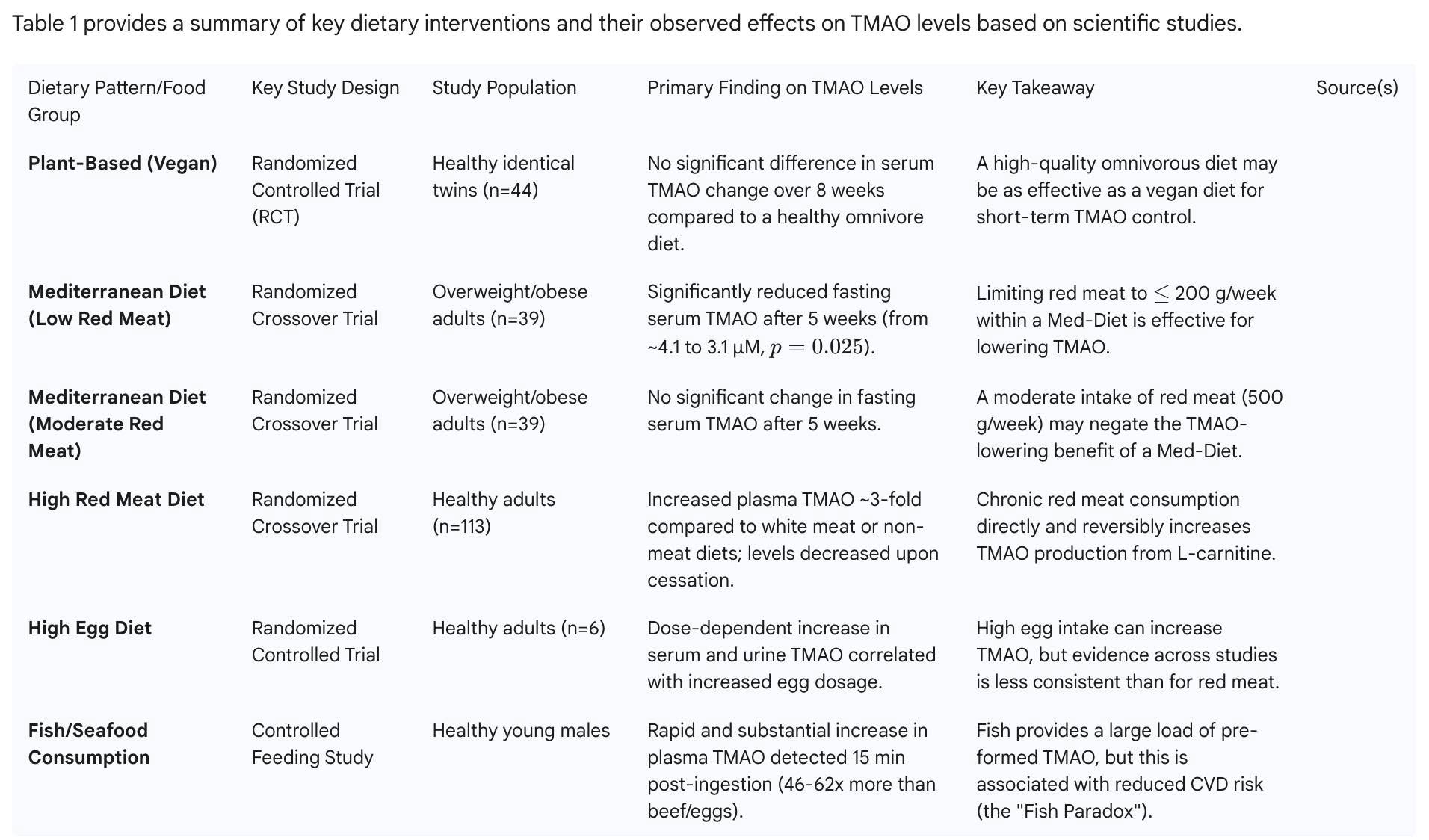
Of course, this research doesn’t give a green light to daily three-egg omelets. While a 2008 report from the Physicians’ Health Study supports the idea that eating an egg a day is generally safe for the heart, it also suggests that going much beyond that could increase the risk for heart failure later in life. [5] You also need to pay attention to the “trimmings” that come with your eggs. To your cardiovascular system, scrambled eggs, salsa, and a 100% whole-wheat English muffin is a far different meal than scrambled eggs with cheese, sausages, home fries, and white toast.
People who have difficulty controlling their total and LDL cholesterol may also want to be cautious about eating egg yolks and instead choose foods made with egg whites. The same is true for people with diabetes. In studies including the Nurses’ Health Study and Health Professionals Follow-up Study, heart disease risk was increased among men and women with diabetes who ate one or more eggs a day. [2,4] For people who have diabetes and heart disease, it may be best to limit egg consumption to no more than three yolks per week.
Furthermore, to truly assess eggs and heart health, we need to examine how they stack-up to foods we might choose in their place—the classic nutrition substitution analysis. Using some common breakfast options as an example:
While eggs may be a much better choice than sugary, refined grain-based options like sweetened breakfast cereals, pancakes with syrup, muffins, or bagels, they may fall short of other options. A bowl of steel-cut oats with nuts and berries, for example, will be a much better choice for heart health than an egg-centric breakfast. Consumption of whole grains and fruit predict lower risk of heart disease, and when it comes to protein, plant sources like nuts and seeds are related to lower cardiovascular and overall mortality, especially when compared to red meat or eggs. [6]
The bottom line: While eggs may not be the optimal breakfast choice, they are certainly not the worst, falling somewhere in the middle on the spectrum of food choice and heart disease risk. For those looking to eat a healthy diet, keeping intake of eggs moderate to low will be best for most, emphasizing plant-based protein options when possible.”
References:
[2] Hu FB, Stampfer MJ, Rimm EB, et al. A prospective study of egg consumption and risk of cardiovascular disease in men and women. JAMA. 1999;281:1387-94.
[3] Fernandez ML. Dietary cholesterol provided by eggs and plasma lipoproteins in healthy populations. Curr Opin Clin Nutr Metab Care. 2006;9:8-12.
[4] Shin JY, Xun P, Nakamura Y, He K. Egg consumption in relation to risk of cardiovascular disease and diabetes: a systematic review and meta-analysis. Am J Clin Nutr. 2013;98:146-59.
[5] Djousse L, Gaziano JM. Egg consumption and risk of heart failure in the Physicians’ Health Study. Circulation. 2008;117:512-6.
[6] Song M, Fung TT, Hu FB, et al. Association of Animal and Plant Protein Intake With All-Cause and Cause-Specific Mortality. JAMA Intern Med. 2016;176:1453-63.