(no text — see the shared post below)
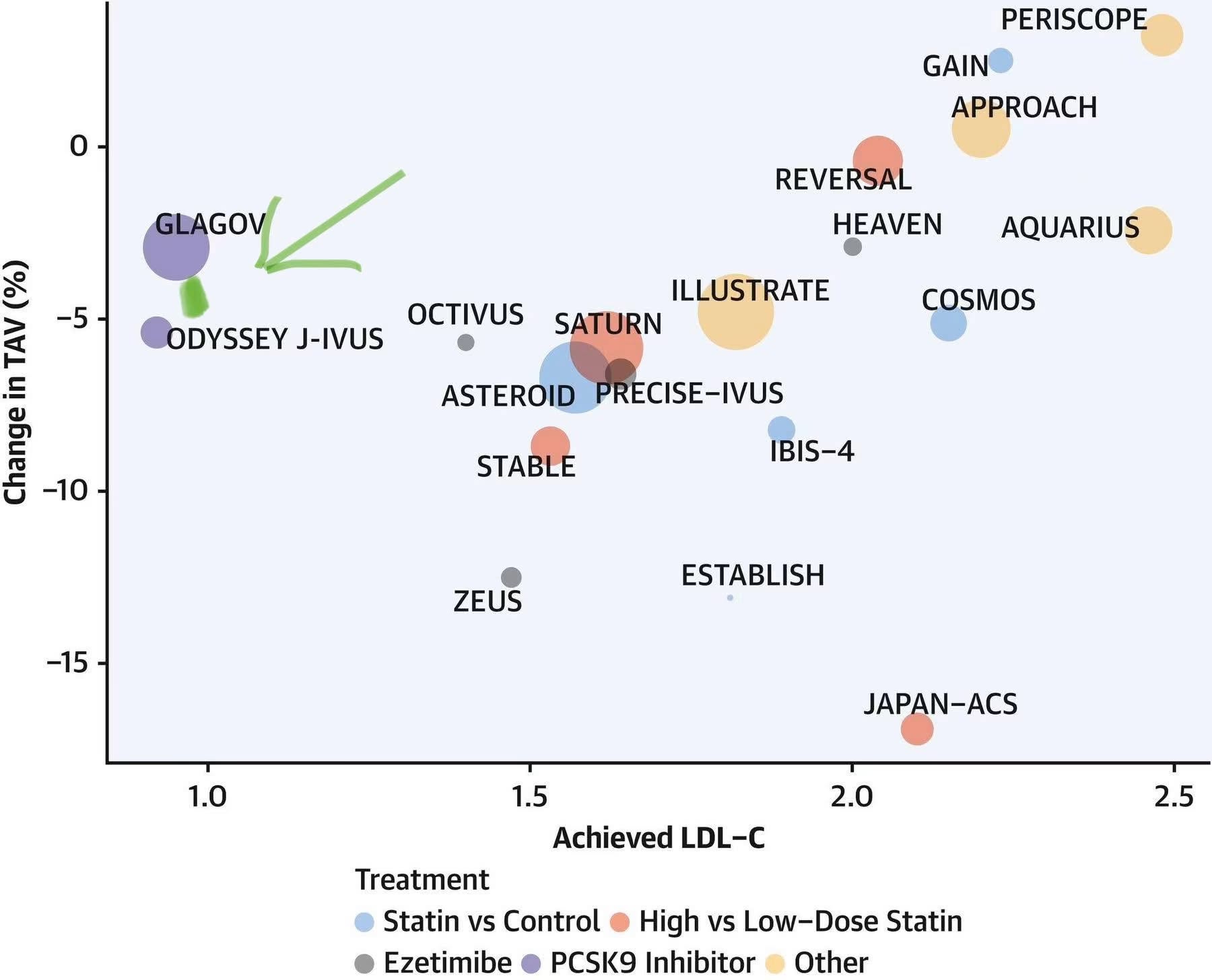
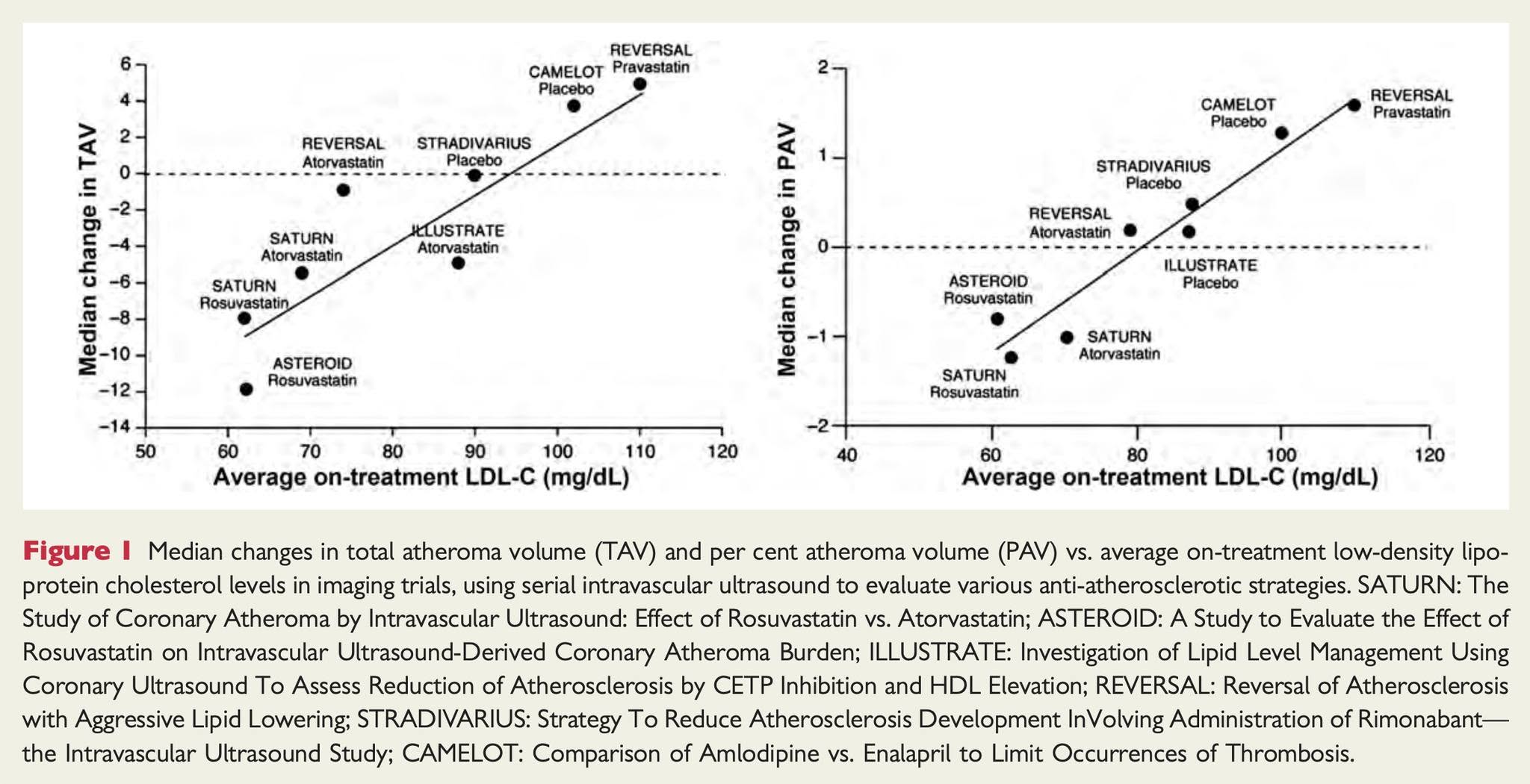
Cleveland Clinic cardiologist explains that statins can reverse both TOTAL plaque and soft plaque, when LDL is pushed low enough (< 70 mg/dL).
She explains that as much as 24% of the total volume of the plaque (TAV) can be reversed, relative to baseline.
Statins reverse plaque primarily by helping to get rid of the fatty cholesterol-laden lipid core of the plaque. In addition to making the plaque smaller, getting rid of this fatty core ultimately makes the plaque more stable and less likely to rupture.
SIX large randomized trials have shown that statins decrease total plaque volume anywhere from 5% to 17% from baseline, within a few years after starting them: ↪ Six randomized trials show statins reduce total plaque volume 5-17% from baseline.
References for video clip:
facebook.com/share/v/19vZK6wHxD
 Cleveland ClinicHow Do Statins Lower Cholesterol? | Cleveland ClinicCleveland Clinic cardiologist, Tamanna Singh, explains how statins help reduce cholesterol, plaque build-up in your arteries and risk of heart disease.my.clevelandclinic.org
#reverseHD #statinsHD #clevelandclinicHD #statinreverseHD #tavHD #plaqueHD #lipidcoreHD #fibrouscapHD