HD-OPM Archive
Hashtags

#plaque

115 posts

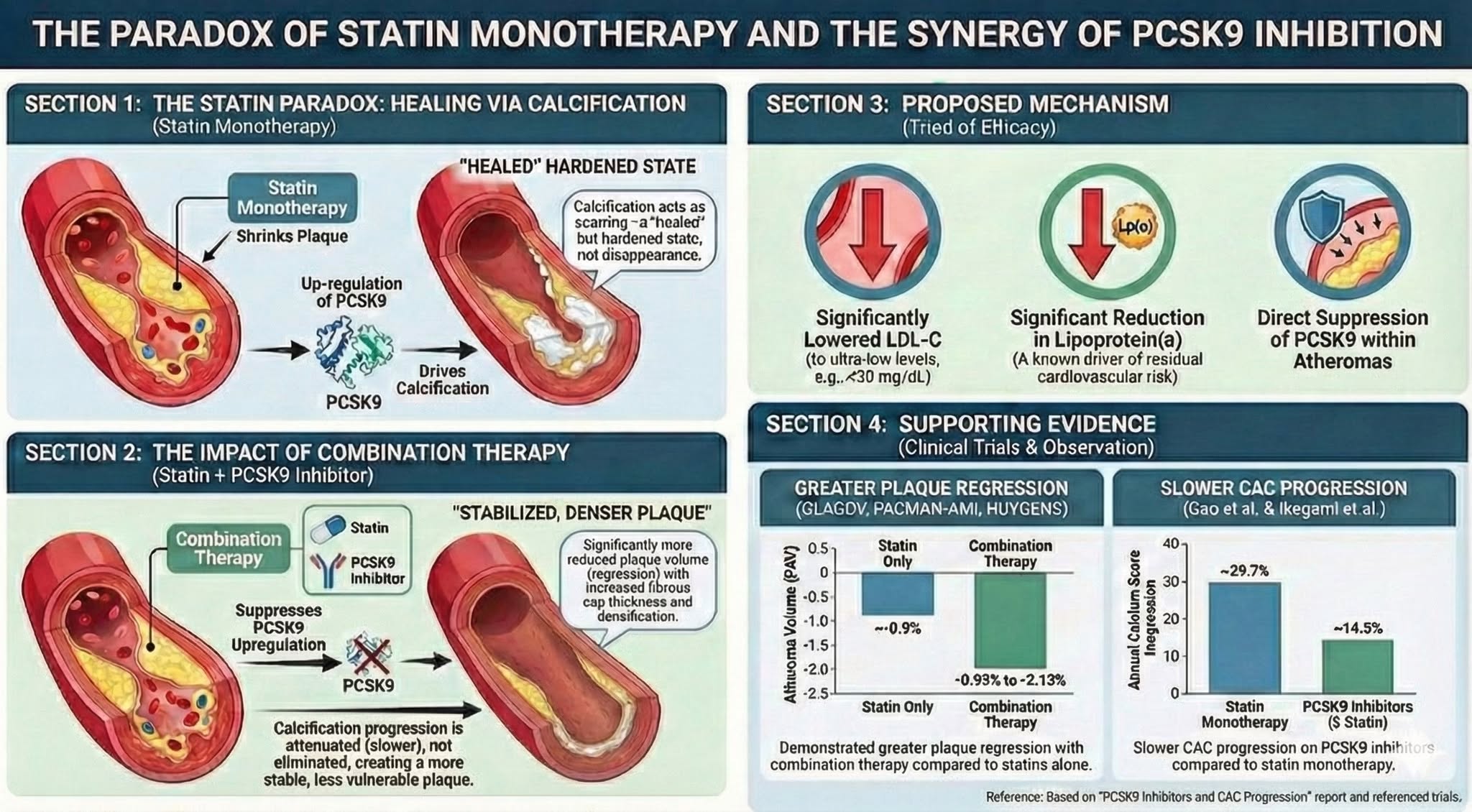
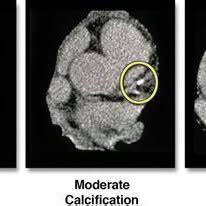
Statins do not slow coronary calcium; severe-calcification odds hit 4.48 after 10+ years

Dec 02, 2025 · Gokhan Can ♥ 17 · 💬 41 Statins

Evidence review concluding statins reduce events and soft plaque but do not slow Agatston CAC progression, and that long-term cohorts show calcification accelerating without plateau, interpreted as plaque repair into stable scar. Trials: St. Francis (CAC unchanged, events down 33%), SALTIRE (progression 26% vs 18%) and BELLES (similar progression, ~11-14%).

New vitamin K2 trial slowed arterial calcification but did not reduce plaque, video argues

Aug 31, 2026 · Gokhan Can ♥ 23 · 💬 38 Supplements & vitamins

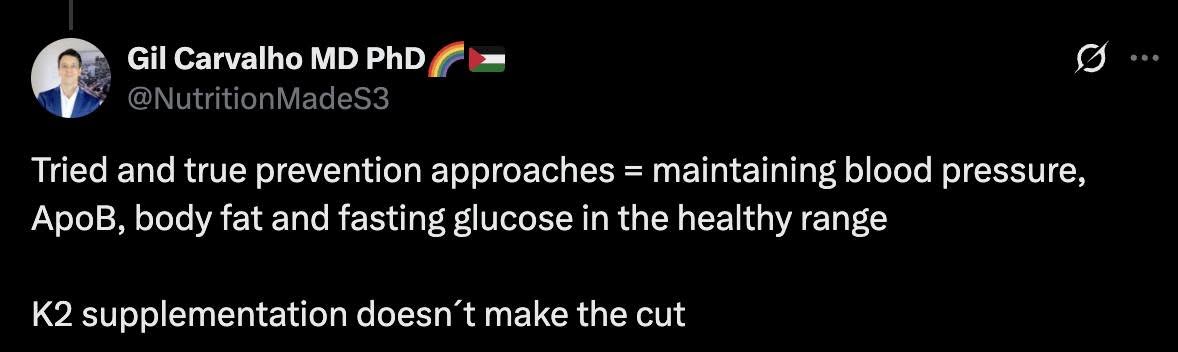
Summarises a Gil Carvalho video on a randomized trial of vitamin K2: calcification progressed more slowly, but total plaque did not fall, the plaque was just less calcified. Carvalho argues calcium stabilises plaque, so slowing calcification without reducing plaque could even be harmful, and no evidence shows K2 reduces heart attacks or strokes, so he advises relying on proven therapies, diet and exercise.

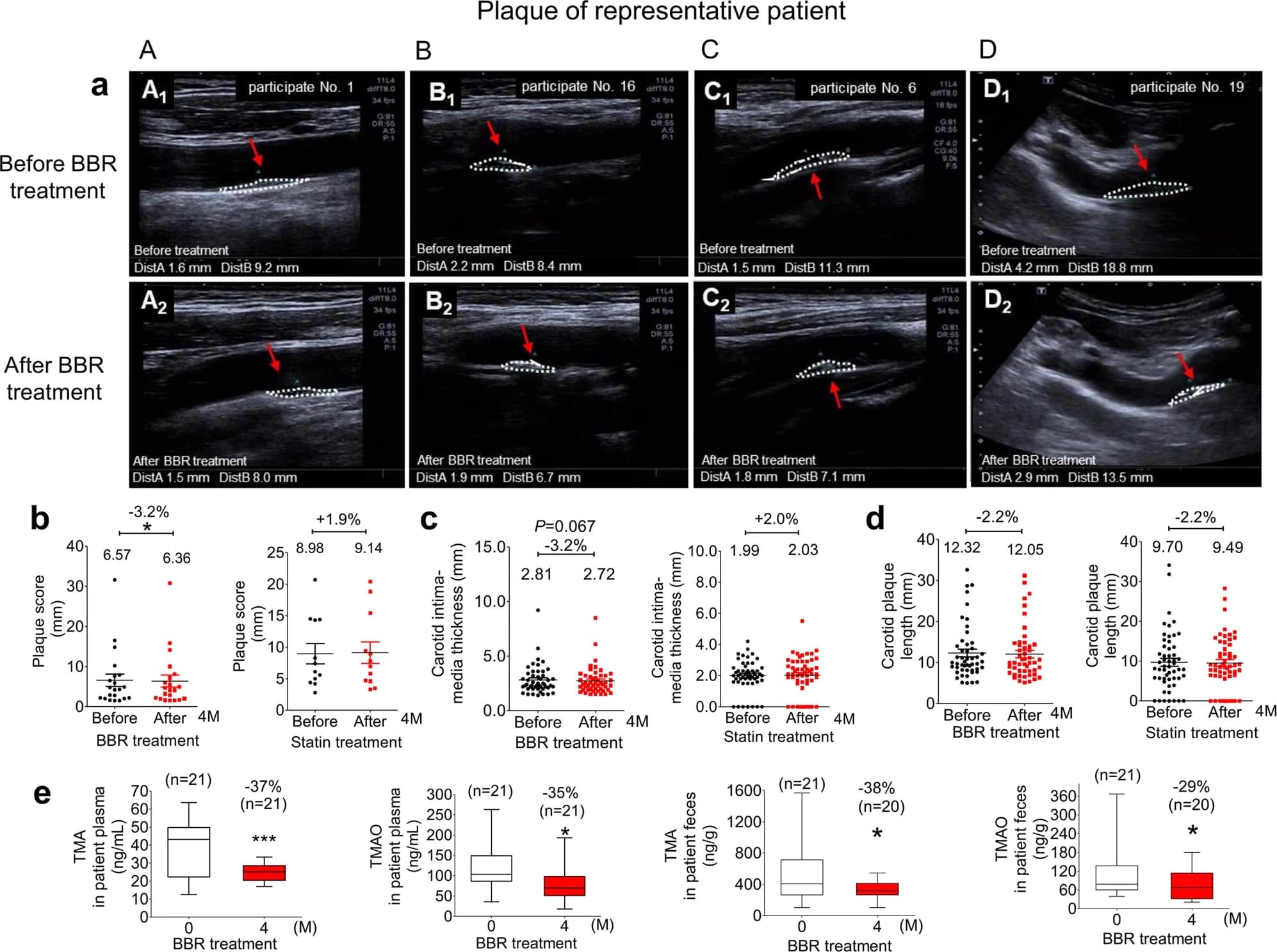
Berberine lowered plaque score 3.2% and TMAO in a small 21-patient trial

Jun 10, 2024 · Louis Nervegna ♥ 18 · 💬 23 Gut microbiome

Louis highlights a small human trial in which berberine reduced atherosclerotic plaque score, with a proposed mechanism of lowering gut-derived TMAO by acting on TMAO-producing gut bacteria. The sample is small and the comparison group was not randomized to the same degree as a large trial, so this is hypothesis-generating.

Dr Carvalho: evidence for vitamin K2 supplements and arterial calcium is weak

Nov 16, 2025 · Gokhan Can ♥ 19 · 💬 27 Supplements & vitamins

Summarises a Carvalho video: arterial calcium is a marker of long-standing plaque, not the cause of risk, so lowering a calcium score can mislead, just as statins raise calcium while lowering risk. No large properly powered trials show K2 reduces heart attacks or strokes, and he warns of false reassurance. The admin adds that supplement use is fine but expectations should stay grounded.

Heart attack clots form on ruptured unstable plaque, not in plaque-free arteries

Mar 17, 2025 · Louis Nervegna ♥ 29 · 💬 12 Heart attack, stroke & procedures

Louis argues that although most heart attacks are caused by clots, clots form when unstable plaque ruptures, so people with near-zero plaque have near-zero risk of clot-caused heart attacks. Blood thinners like aspirin are proven to lower risk in people with considerable plaque but are unlikely to help, and may harm, those with little or no plaque.

YELLOW trials: intensive rosuvastatin cut lipid-core plaque within 7-8 weeks

Aug 15, 2026 · Louis Nervegna ♥ 16 · 💬 19 Plaque, CAC & CT angiography

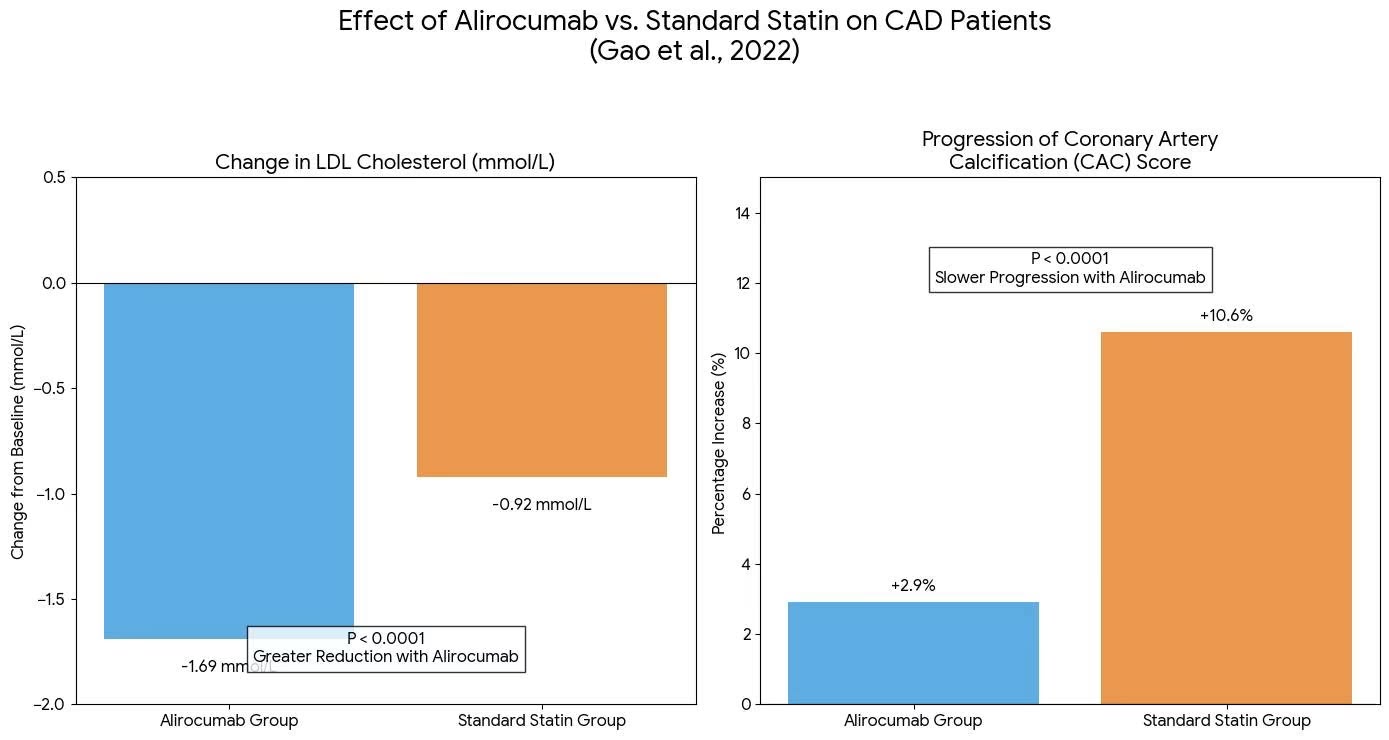
The YELLOW study found that short-term intensive lipid lowering with rosuvastatin reduced lipid-core burden (yellow plaque) in coronary lesions in as little as 7-8 weeks, stabilizing vulnerable plaque rather than shrinking blockages. YELLOW III added the PCSK9 inhibitor evolocumab to statins with greater improvement in plaque composition. Generic rosuvastatin costs under $10/month.

Does a CAC scan change outcomes? Two 2026 randomized trials say not for the average person

Sep 04, 2026 · Louis Nervegna ♥ 8 · 💬 31 Plaque, CAC & CT angiography

Louis asks whether CAC scanning changes whether you have a heart attack; for some it is a wake-up call, but for the average person it does not seem to change outcomes. The shared text cites a Danish trial of 30,000 men (no reduction in death, MI or stroke at seven years, more serious bleeding) and the US CorCal trial of nearly 6,000 people (same event rates as a risk calculator).

Can fasting reverse plaque? Autophagy makes it plausible but evidence is indirect

Jun 29, 2026 · Louis Nervegna ♥ 23 · 💬 14 Fasting & meal timing

Louis argues there is biological plausibility that fasting could clear damaged arterial tissue via autophagy, linking earlier posts. He cites the 2010 DIRECT-Carotid trial showing large weight loss can regress carotid atherosclerosis, and a shared post on a Nature Metabolism 7-day fast study in 12 people with a day-3 shift in about 1,000 proteins. Direct evidence for plaque reversal by fasting is anecdotal.

PROVE IT-TIMI 22: atorvastatin 80 mg early after a heart attack cut 30-day events 28%

Jul 31, 2024 · Louis Nervegna ♥ 21 · 💬 11 Statins

The post explains why high-intensity atorvastatin is started right after a heart attack: in PROVE IT-TIMI 22, 30-day death/MI/rehospitalization was lower with atorvastatin 80 mg than pravastatin 40 mg. The rapid effect is attributed to pleiotropic effects (anti-inflammatory, plaque and endothelial stabilization), though LDL lowering itself may contribute.

SCOT-HEART: CT angiography cut 5-year coronary death or MI risk 41% in chest pain patients

Jan 03, 2026 · Gokhan Can ♥ 12 · 💬 18 Plaque, CAC & CT angiography

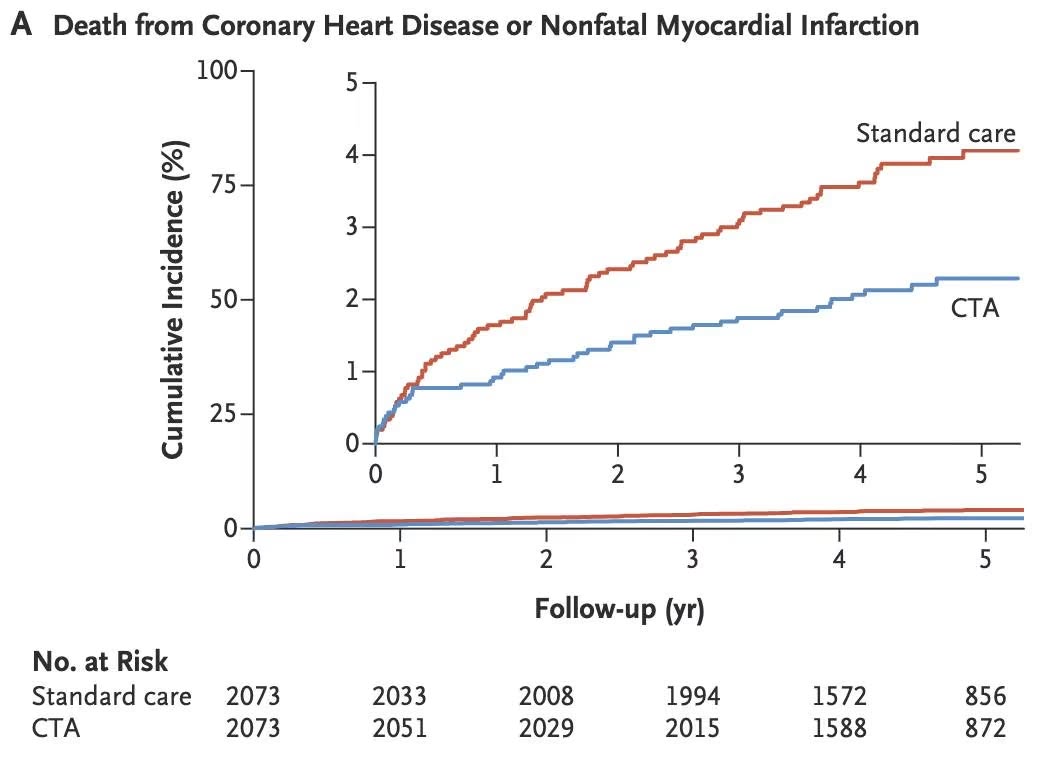
Summarises SCOT-HEART (4,146 patients with stable chest pain, standard care vs standard care plus coronary CTA). CTA guidance lowered coronary death or nonfatal MI to 2.3% from 3.9%, mainly by directing aspirin and statin use to patients with plaque. Total procedures were similar by year 5; results apply to chest-pain patients only.

High-dose atorvastatin after heart attack cut events ~30% in 30 days (PROVE IT-TIMI 22)

Jan 25, 2025 · Louis Nervegna ♥ 12 · 💬 16 Statins

Louis explains why patients are immediately given atorvastatin 80 mg after a heart attack: PROVE IT-TIMI 22 showed an almost 30% reduction in death, repeat heart attack or rehospitalization within 30 days versus a lower-potency statin. The speed suggests pleiotropic effects (anti-inflammatory, plaque and endothelial stabilizing) rather than LDL lowering. Lipophilic statins at maximum dose work best in this setting.

Gotu kola extract reportedly stabilized high-risk plaque in small studies

Nov 17, 2023 · Louis Nervegna ♥ 16 · 💬 16 ↩ 2 Supplements & vitamins

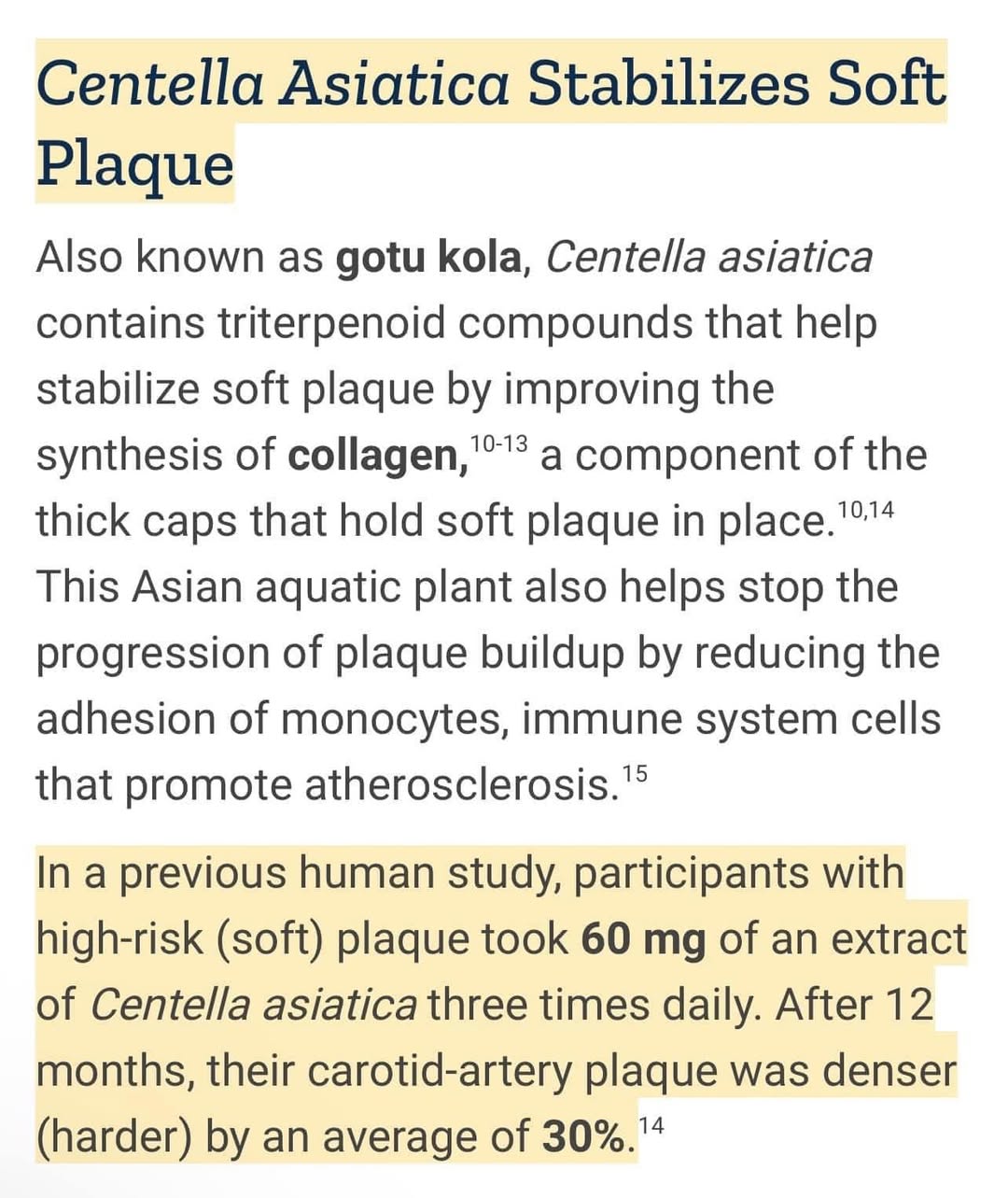
Louis flags, as needing larger trials, Life Extension's summary that 60 mg of Centella asiatica extract three times daily hardened soft carotid plaque by 30% over 12 months, with fewer cardiovascular events in the randomized phase, and hardened femoral plaque by 63% with no size increase versus 23% in controls. He says it may target endothelial health. Evidence comes from small studies summarized by a supplement-company magazine.

Engineered regulatory T cells targeting oxidized LDL cut plaque 70% in mice

Nov 22, 2025 · Gokhan Can ♥ 35 · 💬 7 Inflammation & CRP

Summarises a University of Pennsylvania preclinical study adapting CAR T therapy: Tregs engineered to recognise oxidized LDL dampened arterial inflammation and reduced plaque 70% in cholesterol-prone mice. Unlike cancer CAR-T, the cells suppress rather than destroy; it is a possible add-on for patients at risk despite cholesterol drugs.

Mutated blood stem cells (CHIP) may be a major cause of heart disease, doubling MI risk

Apr 08, 2024 · Louis Nervegna ♥ 14 · 💬 13 Inflammation & CRP

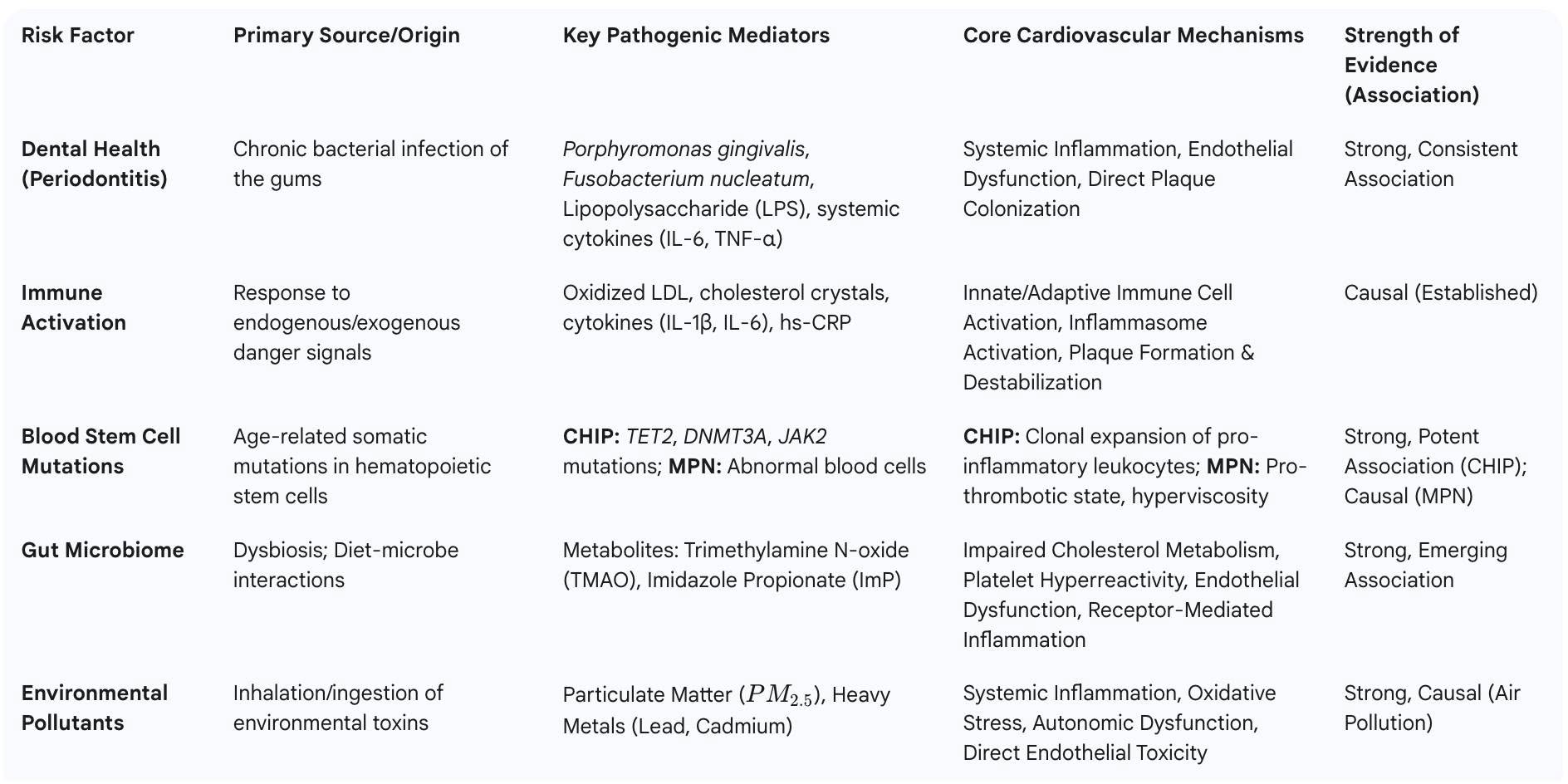
Louis explains clonal hematopoiesis (CHIP): age-related mutations in bone-marrow stem cells yield white blood cells that drive inflammation and plaque growth, and the same mutations link to leukemia. A quoted report says CHIP carriers had a 54% higher chance of dying within a decade, from heart attacks and strokes, and mouse transplants of CHIP-mutated cells produced fast-growing, inflamed plaques. Louis credits Gokhan Can for pointing him to this.

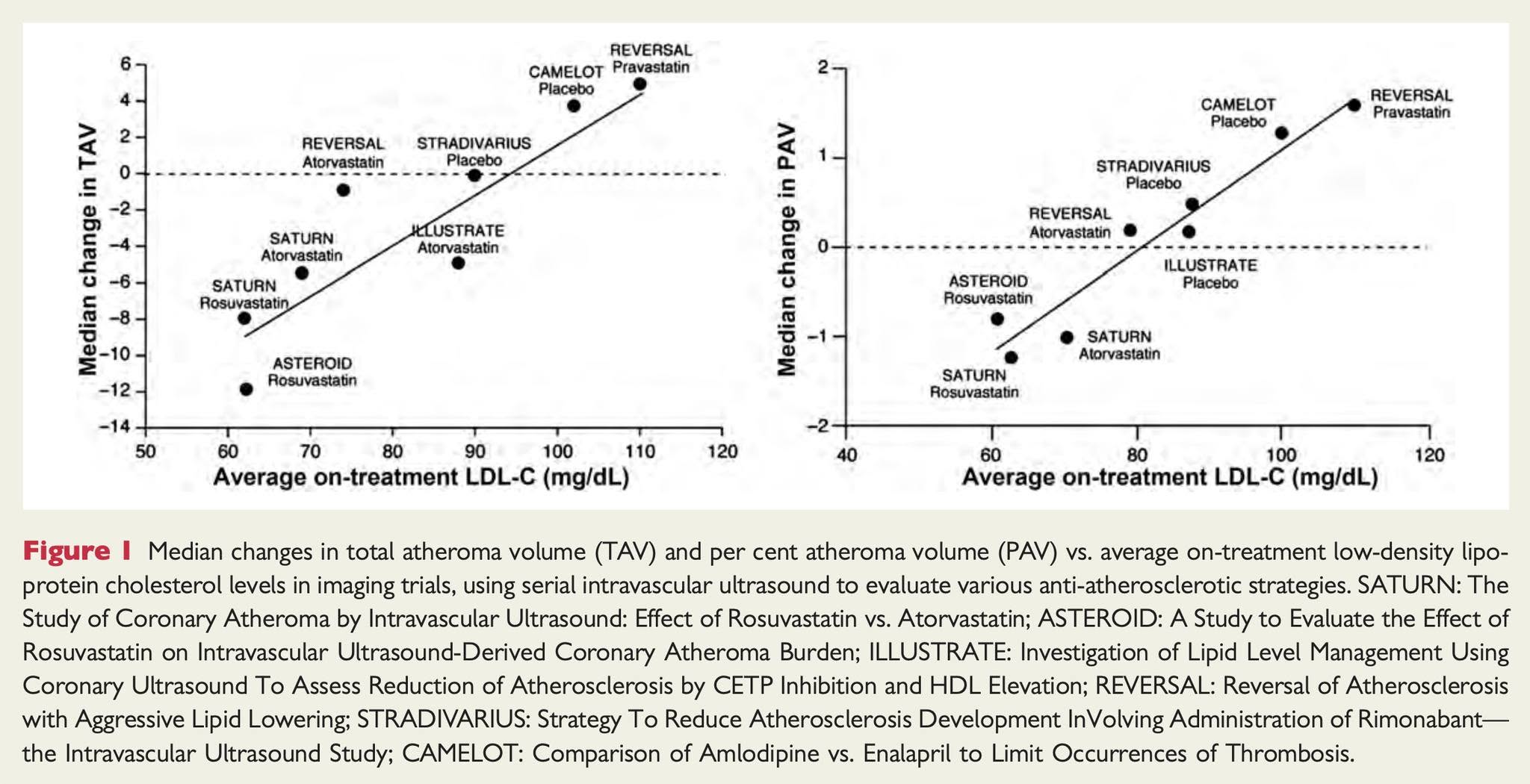
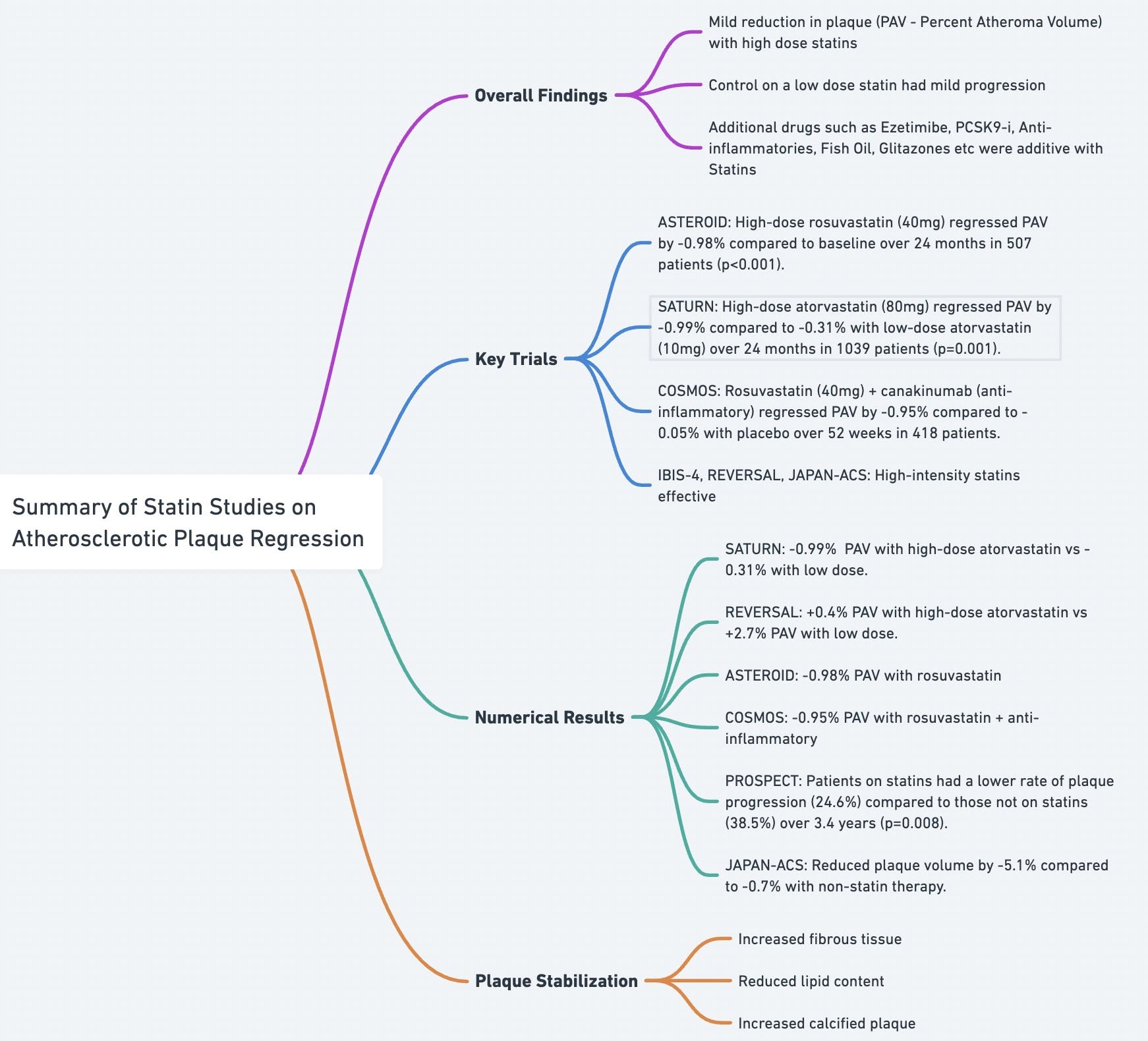
Plaque reduction: statins, PCSK9 inhibitors and ezetimibe have the strongest evidence

May 18, 2024 · Gokhan Can ♥ 32 · 💬 5 Plaque, CAC & CT angiography

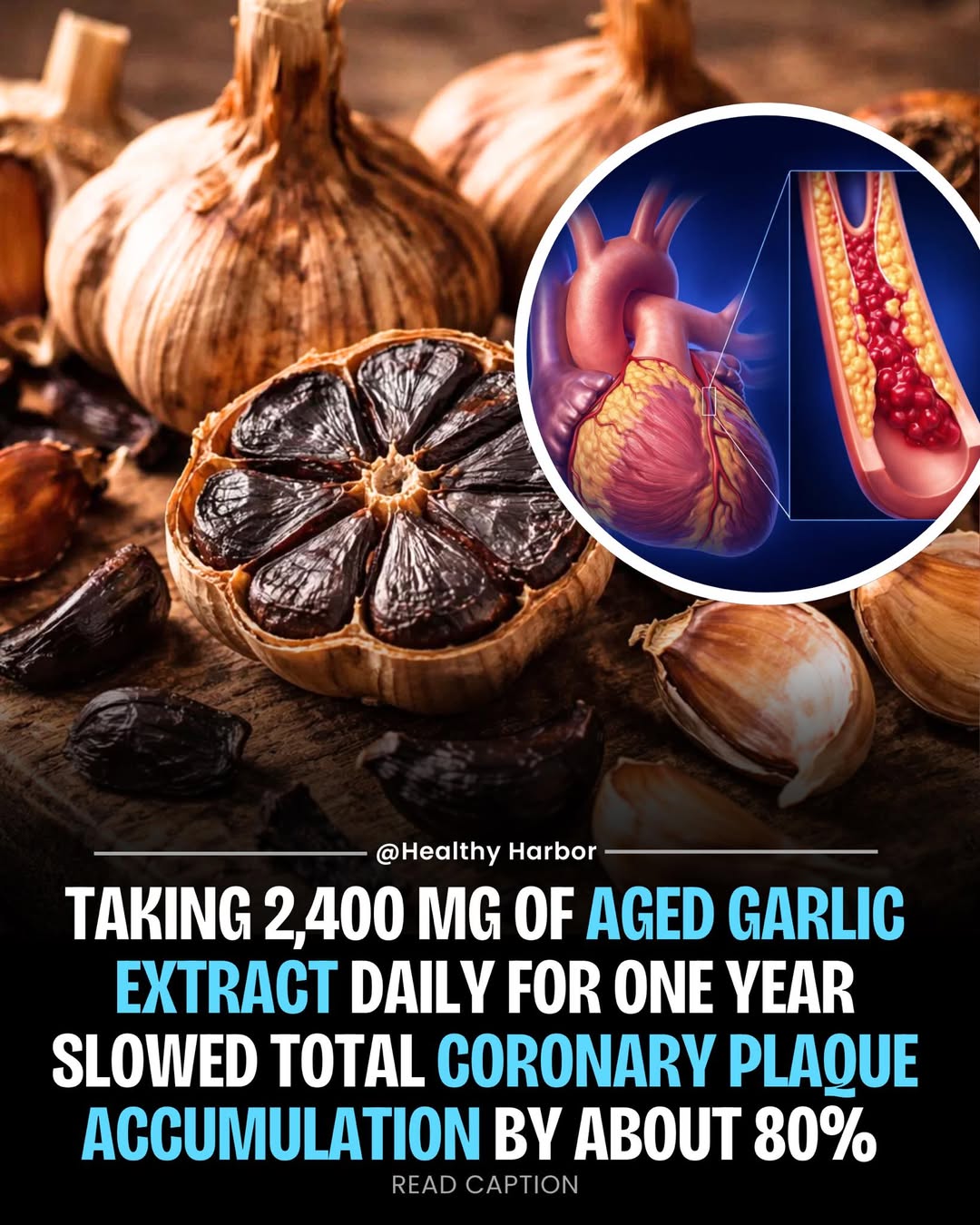
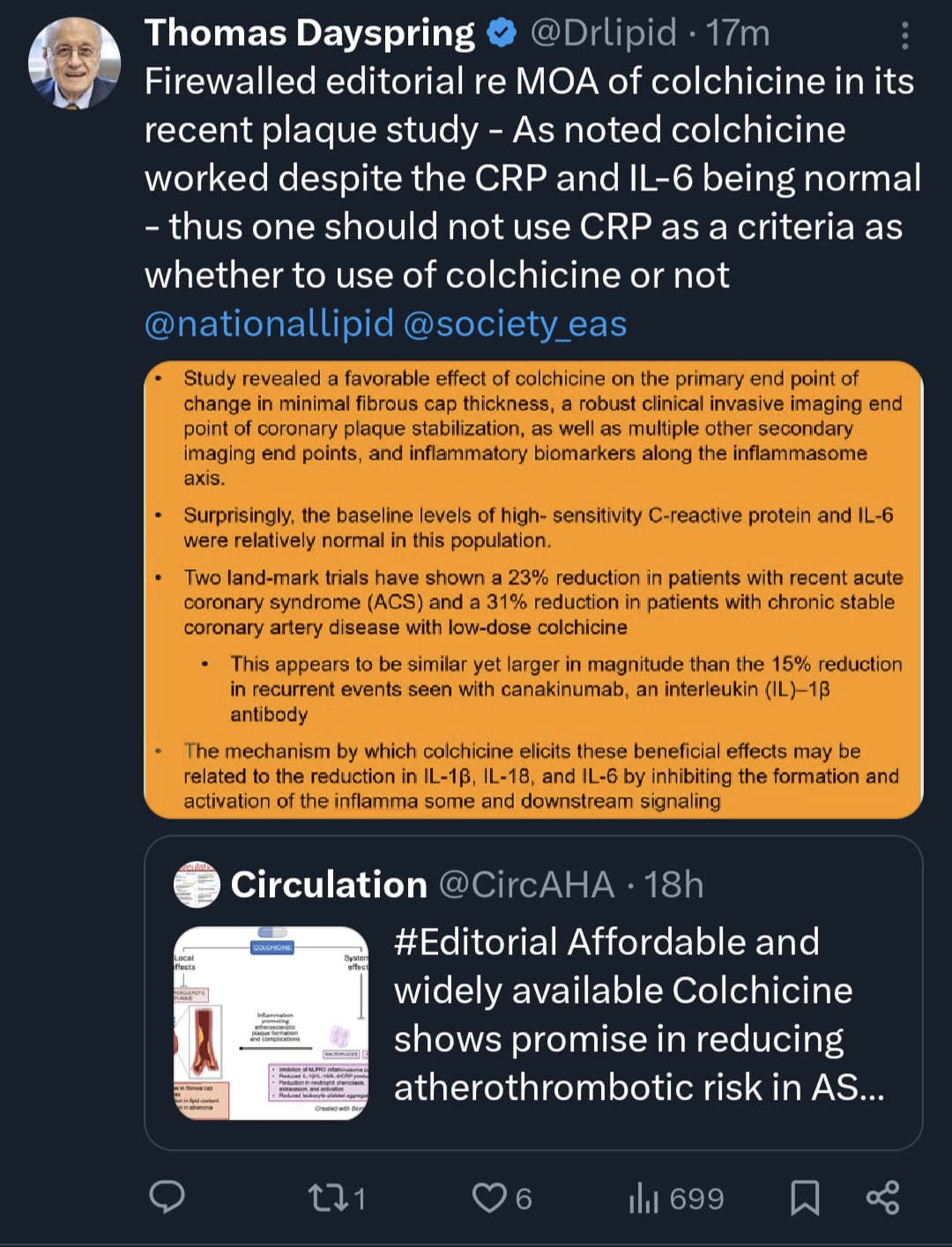
Ranks interventions for regressing or stabilizing atherosclerotic plaque. Statins, PCSK9 inhibitors and ezetimibe have the strongest trial evidence, with high-dose EPA and pioglitazone fairly good; colchicine, aged garlic, Centella, pine bark, nattokinase and plant-based diets are promising but need rigorous imaging RCTs, and evidence for exercise, L-arginine and vitamin K2 is limited.
JACC review: rapid plaque progression precedes rupture and LDL below 70 mg/dL halts it

Jan 02, 2026 · Gokhan Can ♥ 19 · 💬 5 Plaque, CAC & CT angiography

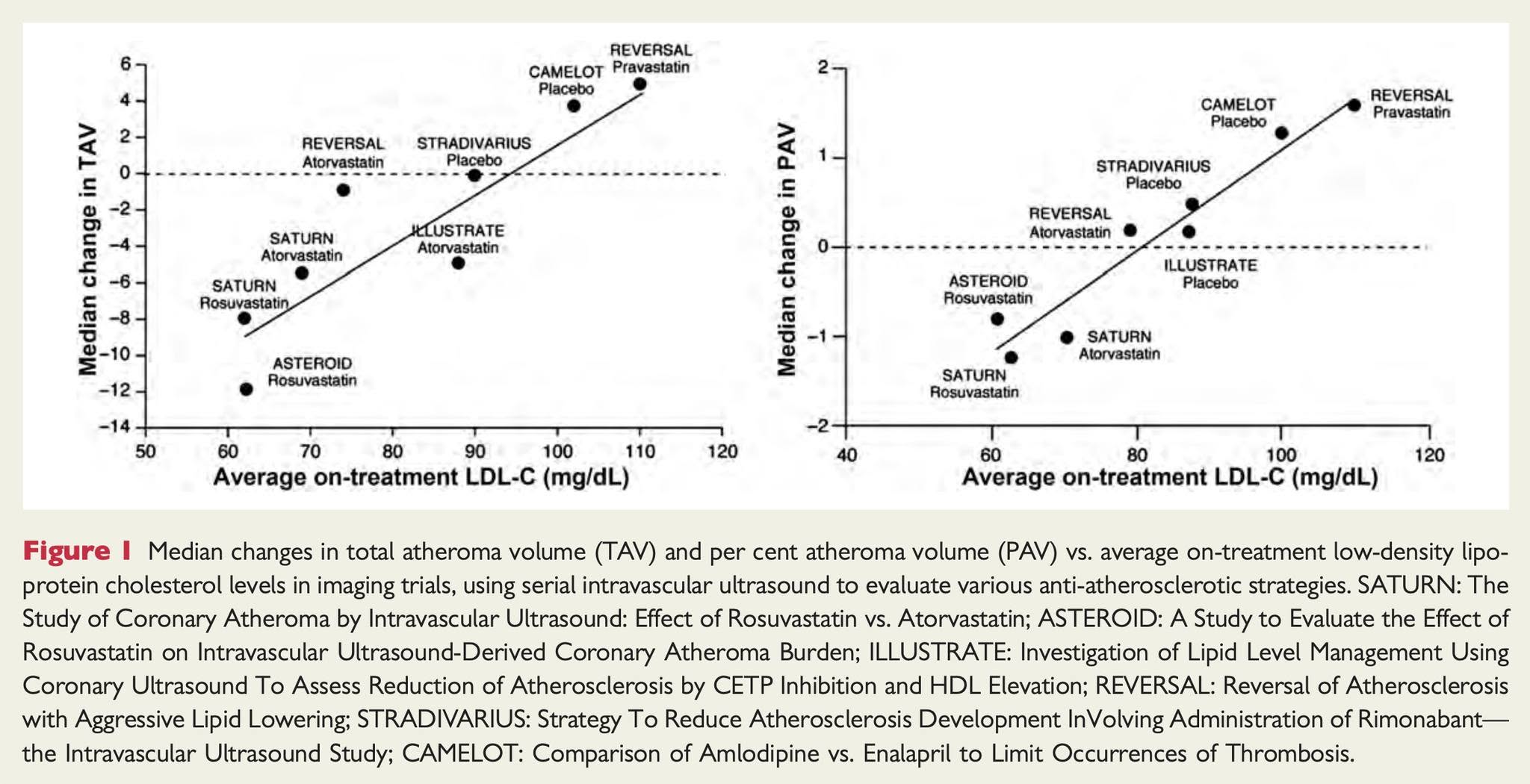
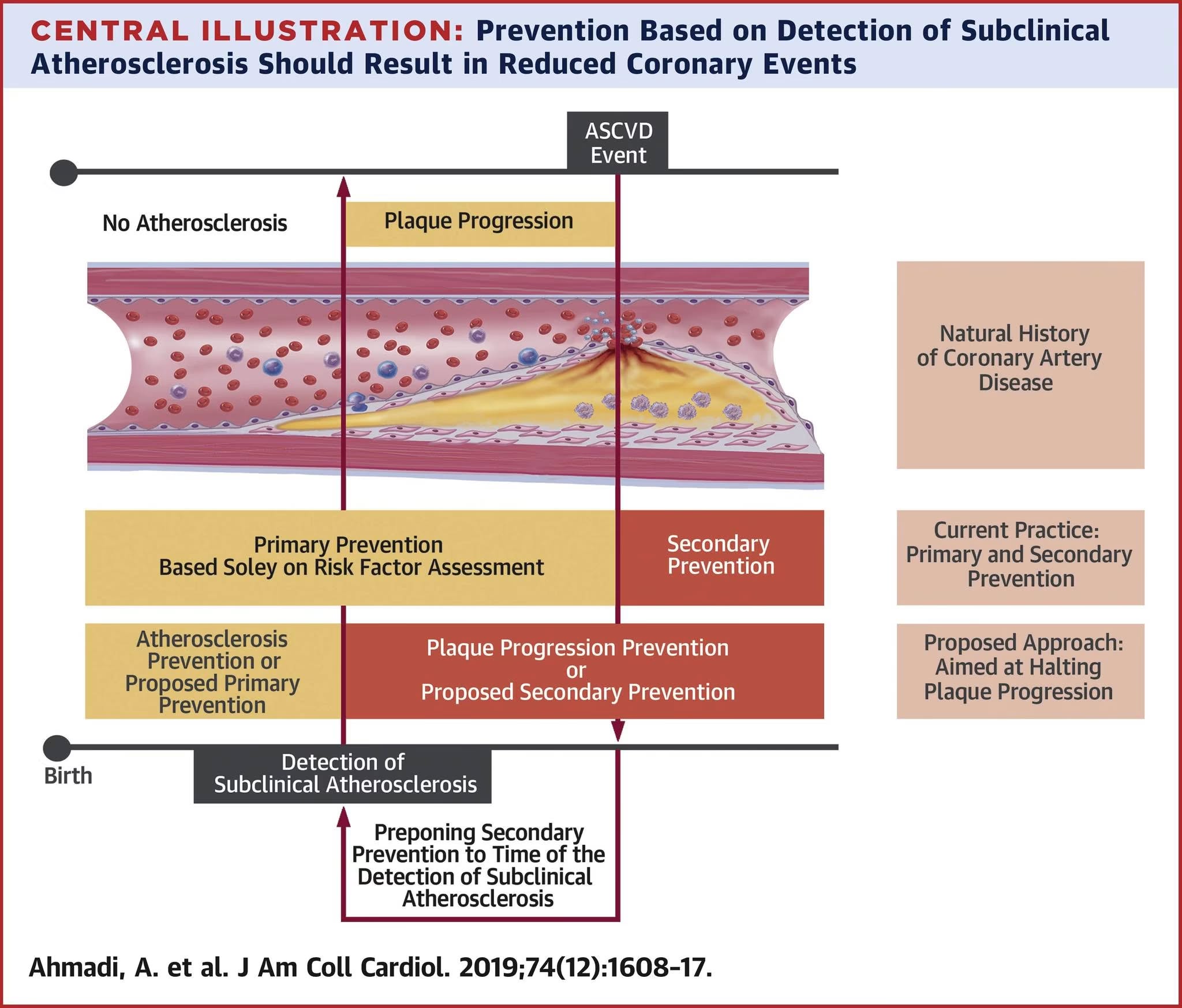
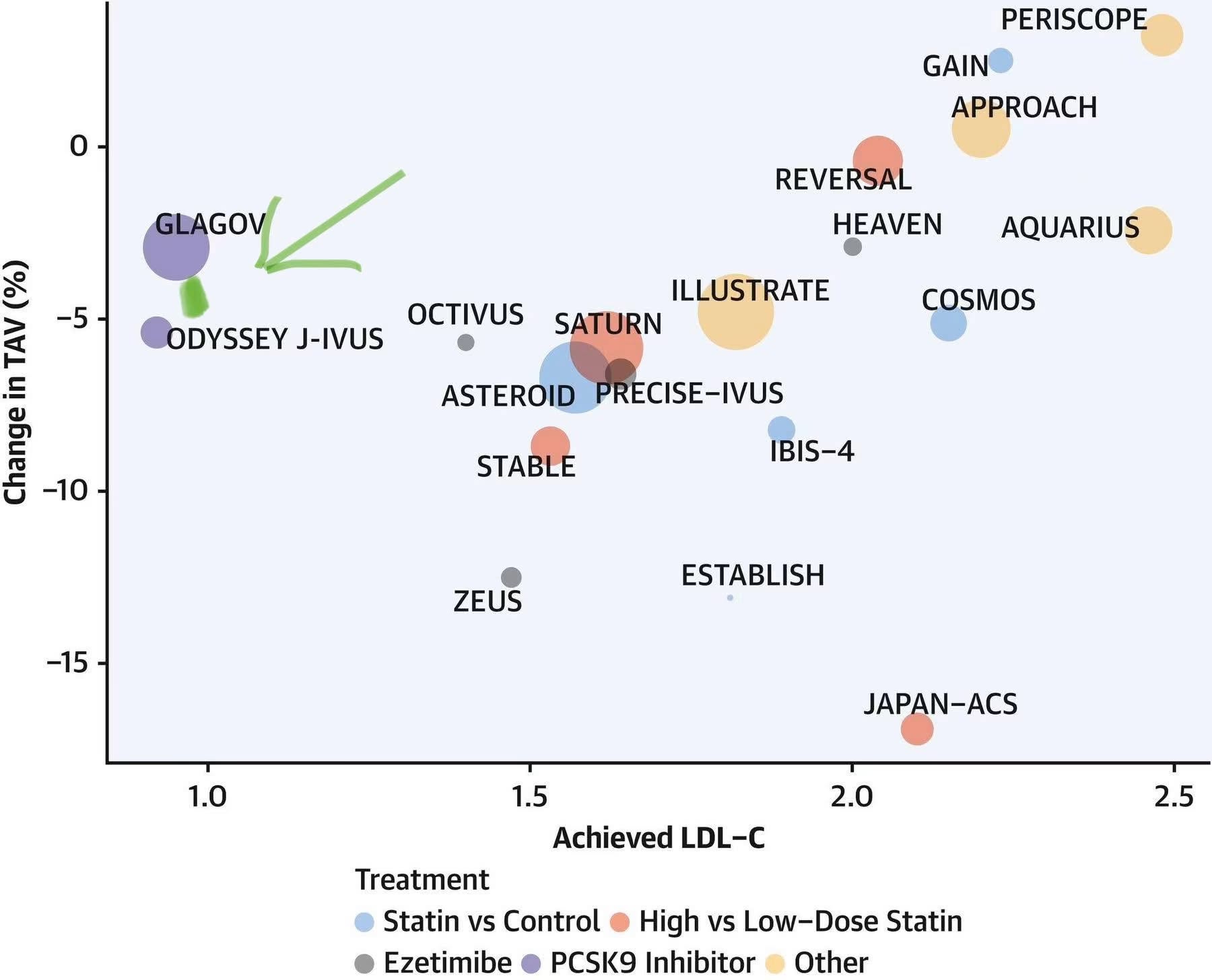
Summarises a 2019 JACC review arguing plaque progression is a necessary, modifiable step between subclinical atherosclerosis and MI, and that preventive strategy should shift toward imaging and aggressively treating subclinical disease. It reports data from PROSPECT, PARADIGM, GLAGOV and PESA showing progression stops at LDL <70 mg/dL and regression needs lower.

Microplastics raised plaque 63% in male mice, with no change in cholesterol or weight

Dec 28, 2025 · Gokhan Can ♥ 13 · 💬 12 Environment (microplastics, pollution, heat)

Summarises a UC Riverside mouse study: atherosclerosis-prone mice given 10 mg/kg/day microplastics for nine weeks. Males had 63% more plaque in the aortic root and 624% more in the brachiocephalic artery; females had no significant increase. Weight and cholesterol were unchanged, suggesting direct endothelial damage and inflammation. Admin suggests high fiber and Finnish sauna as defenses (not from the study).

Charles Grashow's protocol to regress coronary calcium over two years

Dec 02, 2023 · Gokhan Can ♥ 18 · 💬 7 ↩ 2 Plaque, CAC & CT angiography

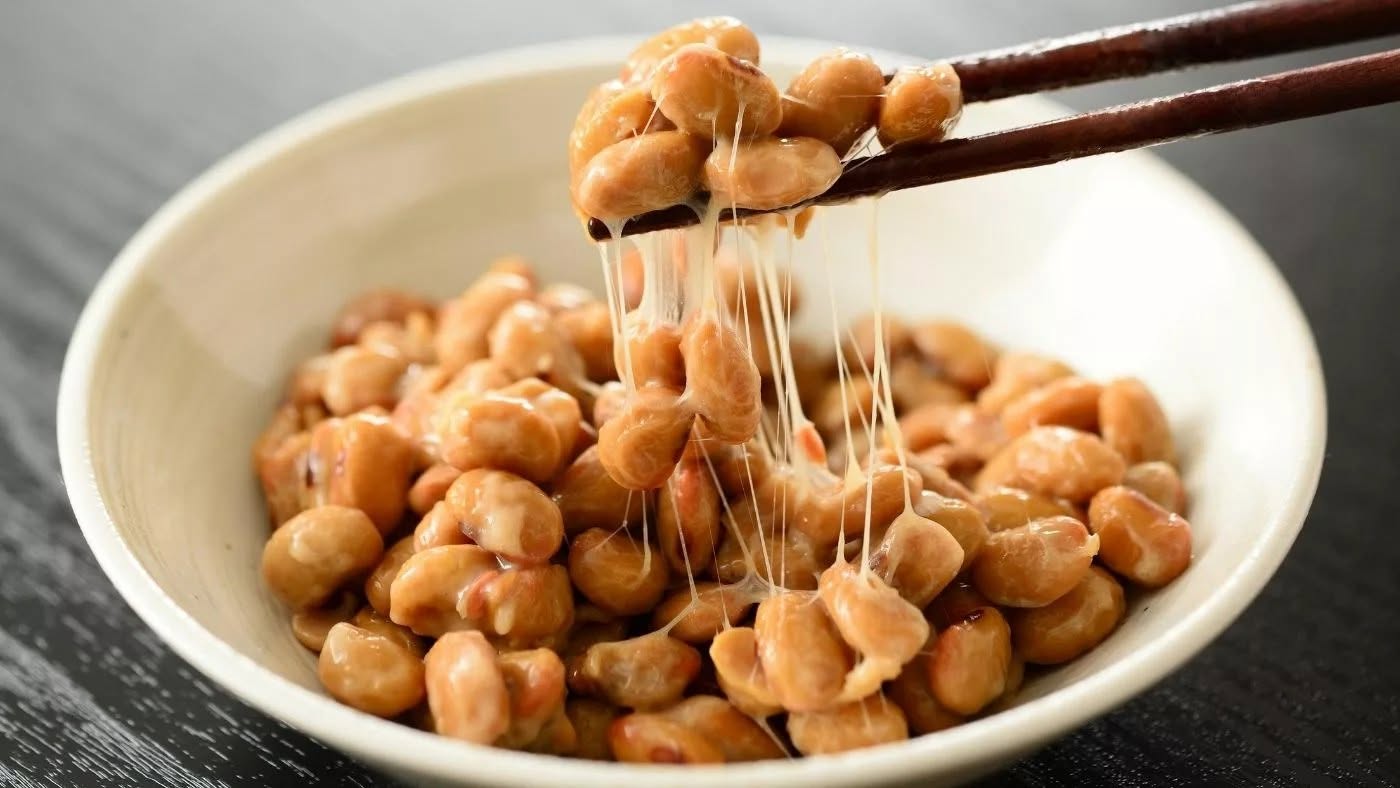
Describes how Charles Grashow responded to worsening coronary calcium in 2020-2021 with an intensive regimen of lifestyle, high-dose nattokinase, LDL-lowering and anti-inflammatory supplements and off-label drugs. His later scans reportedly showed that the trajectory of his coronary disease had reversed. It is a single-patient story, not a trial.
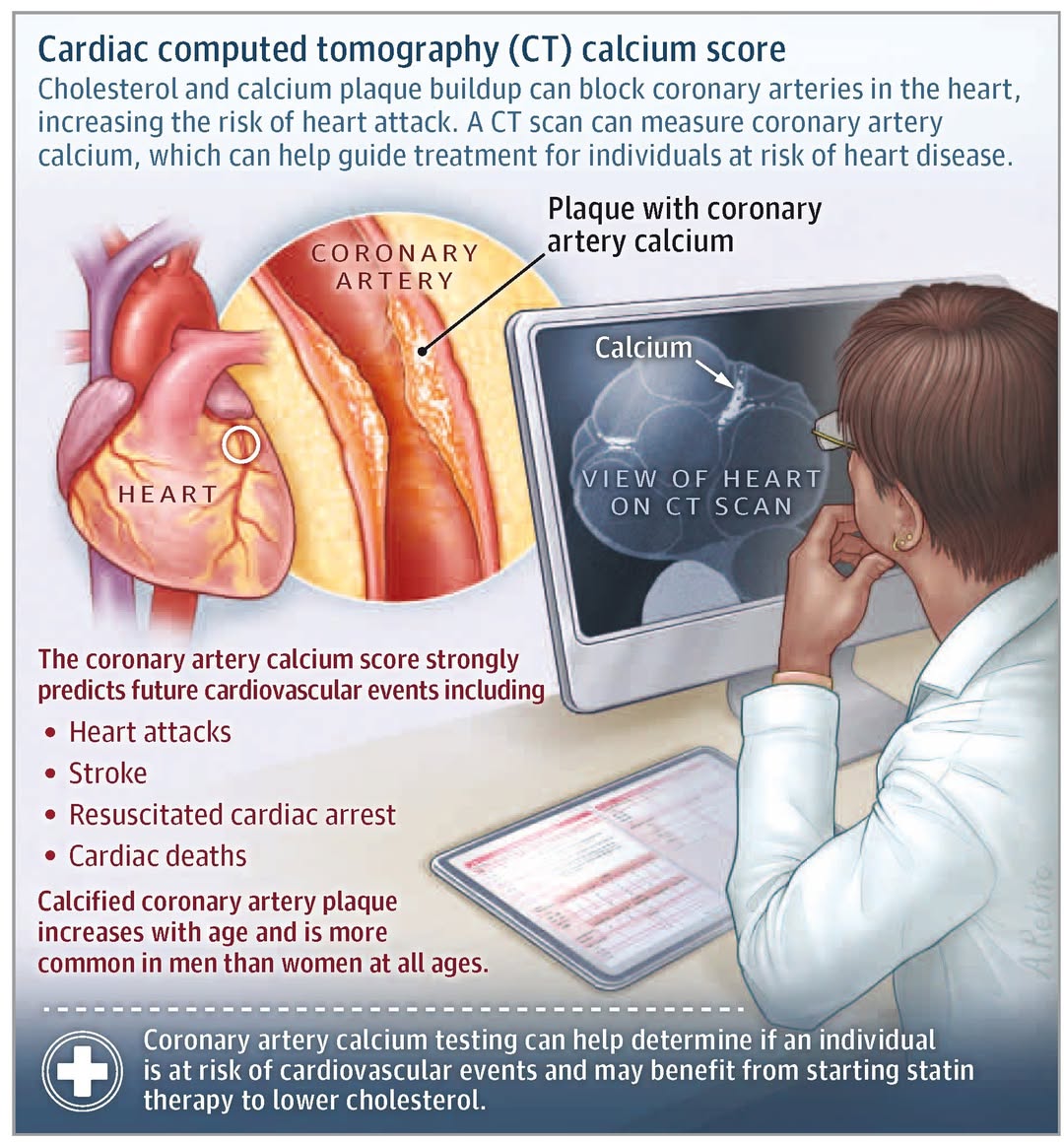
Plaque starts in neck and leg arteries decades before the heart; calcium scores miss it

Sep 17, 2026 · Gokhan Can ♥ 17 · 💬 5 Plaque, CAC & CT angiography

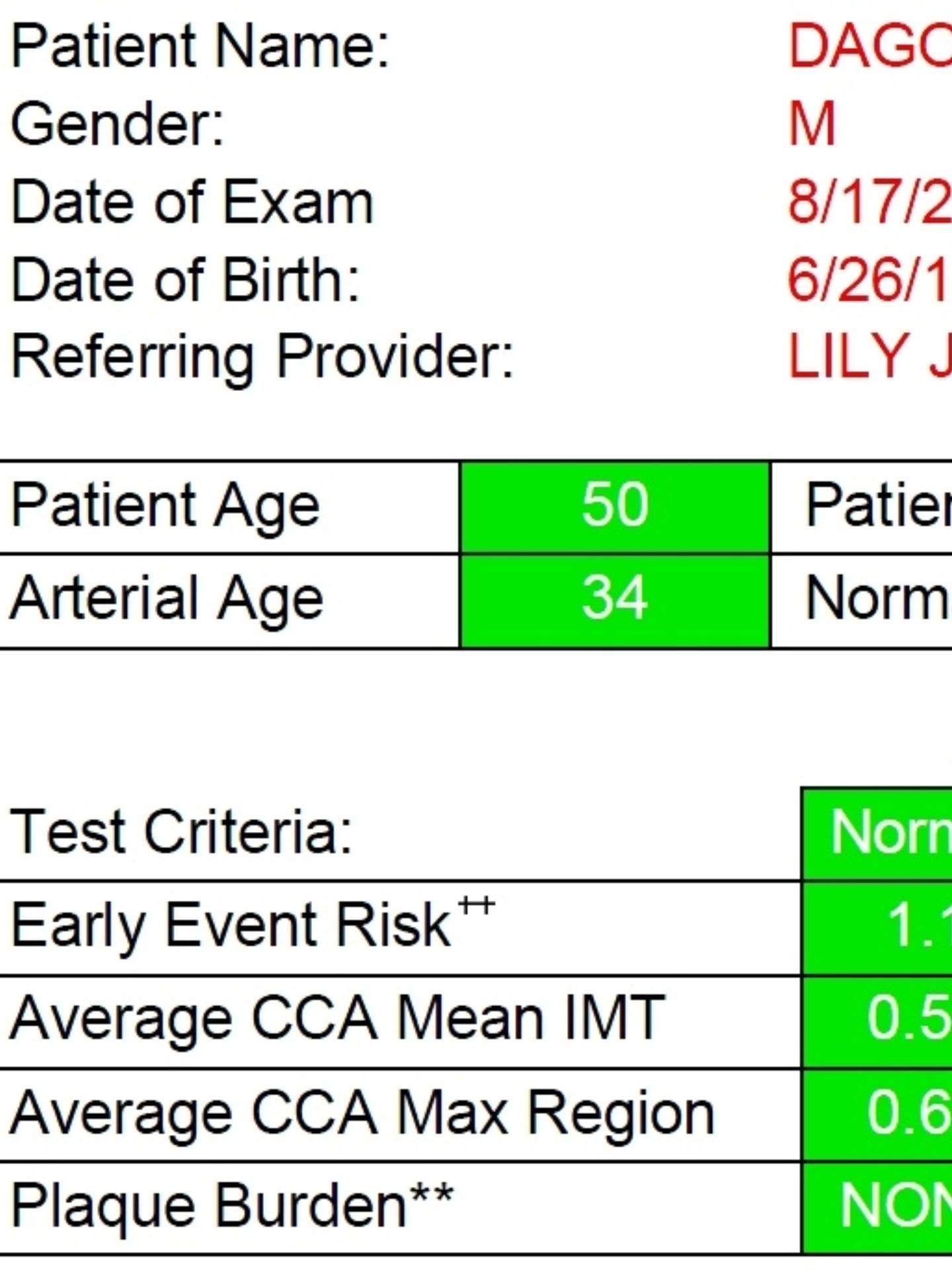
The post summarises a video describing an NEJM study of 16,000 asymptomatic people showing plaque accumulates first in the neck and leg arteries, during the 20s to 40s, before the heart. Heart scans such as coronary calcium may therefore miss early disease; carotid intima-media thickness ultrasound can detect peripheral plaque, and the ankle-brachial index offers a simple at-home check for leg artery blockage.

About 95% of acute-thrombosis heart attacks involve soft plaque, not calcified plaque

Oct 03, 2026 · Louis Nervegna ♥ 9 · 💬 9 Plaque, CAC & CT angiography

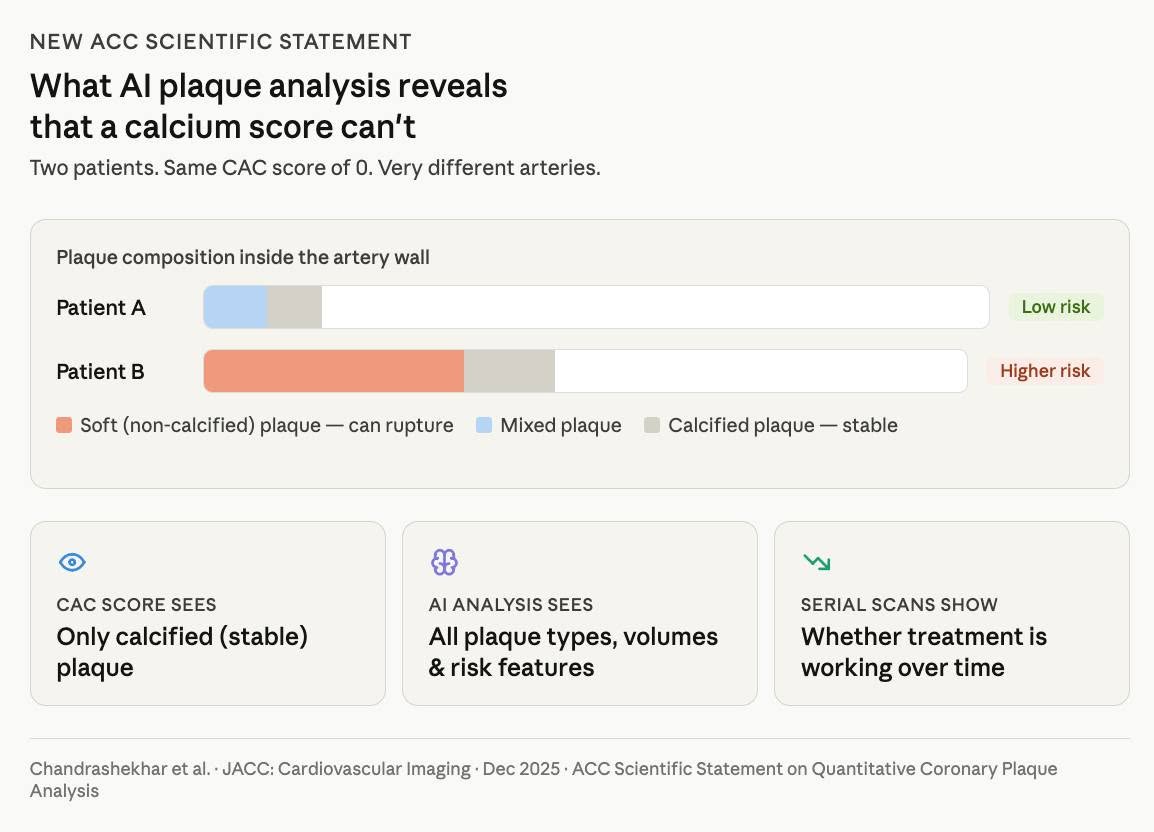
The post says about 64% of heart attacks from acute thrombosis come from rupture of soft lipid-rich plaque and about 25% from erosion of soft plaque, while only about 5% involve calcified nodules. Because statins and other lipid-lowering drugs stabilize and reverse soft plaque, the poster argues they address the plaque type most responsible for heart attacks.

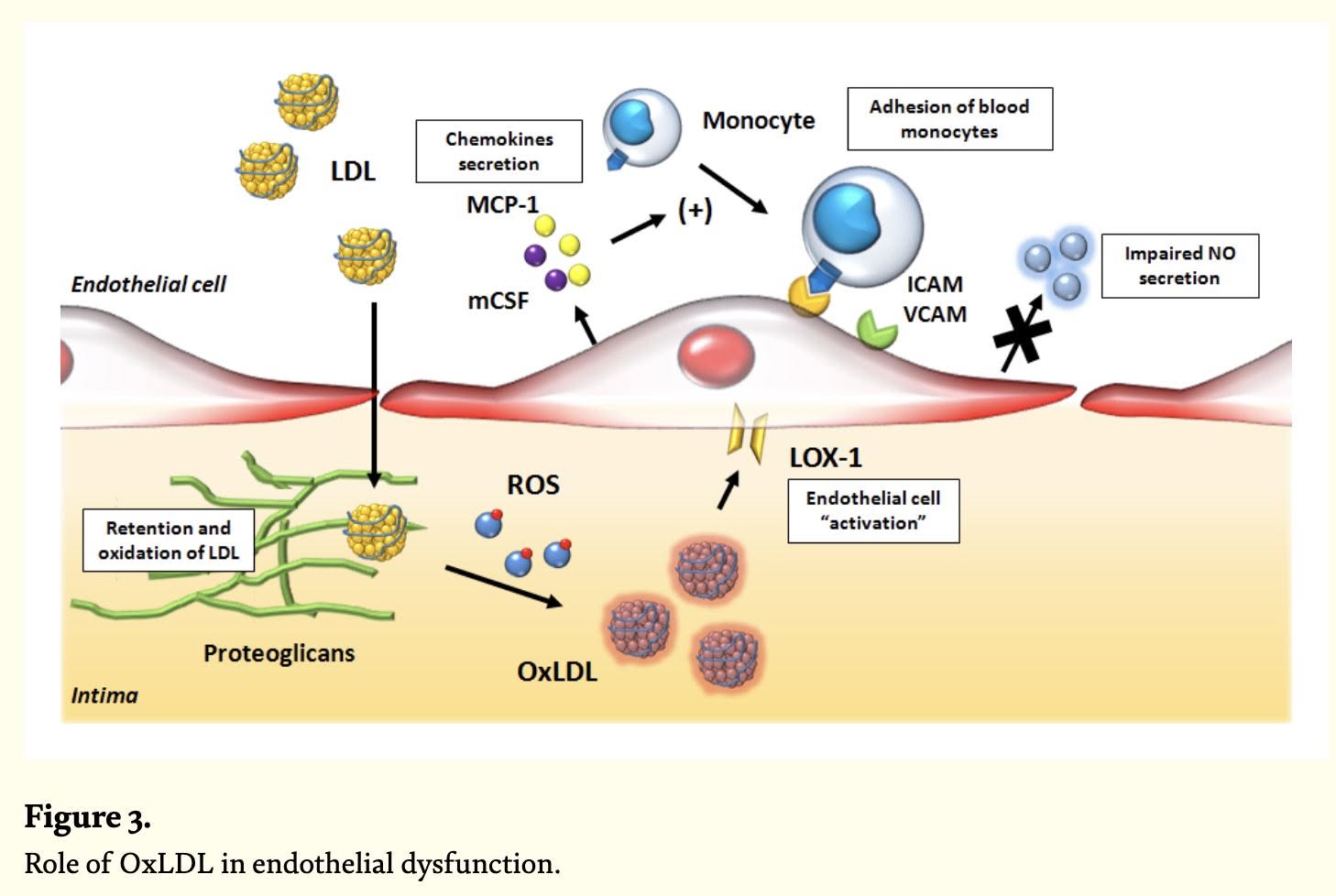
How LDL causes atherosclerosis: oxidation, inflammation, foam cells and genetics

May 19, 2024 · Gokhan Can ♥ 12 · 💬 9 LDL, ApoB & lipid panel

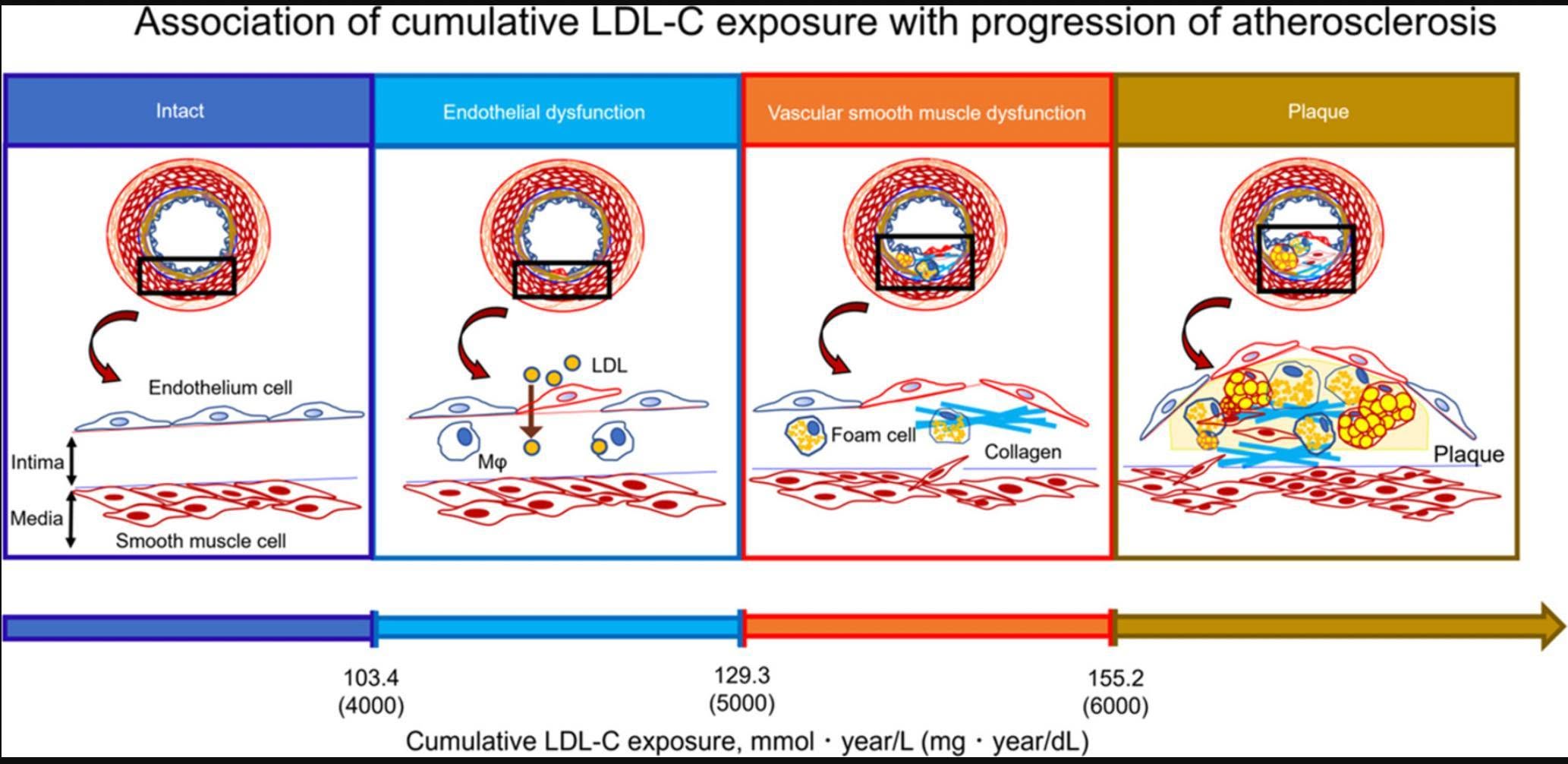
Explains five lines of evidence for a causal role of LDL in atherosclerosis: oxidized LDL in the artery wall, endothelial dysfunction and inflammation, macrophage foam-cell formation, Mendelian randomization and familial hypercholesterolemia, and the benefit of LDL-lowering therapies. Useful as a mechanism overview for readers who doubt that LDL is a cause rather than a bystander.

Bale-Doneen protocol: aggressive multi-drug risk management reduced carotid IMT

Dec 03, 2023 · Gokhan Can ♥ 11 · 💬 3 ↩ 2 Plaque, CAC & CT angiography

Describes the Bale and Doneen approach to reversing plaque: lifestyle counseling, regular imaging and biomarker testing, statin-based lipid control with ezetimibe or niacin, SBP under 120, low-dose aspirin, insulin sensitizers and anti-inflammatories. In the 2016 community-based paper, carotid IMT measures fell markedly over a median of 3 years.

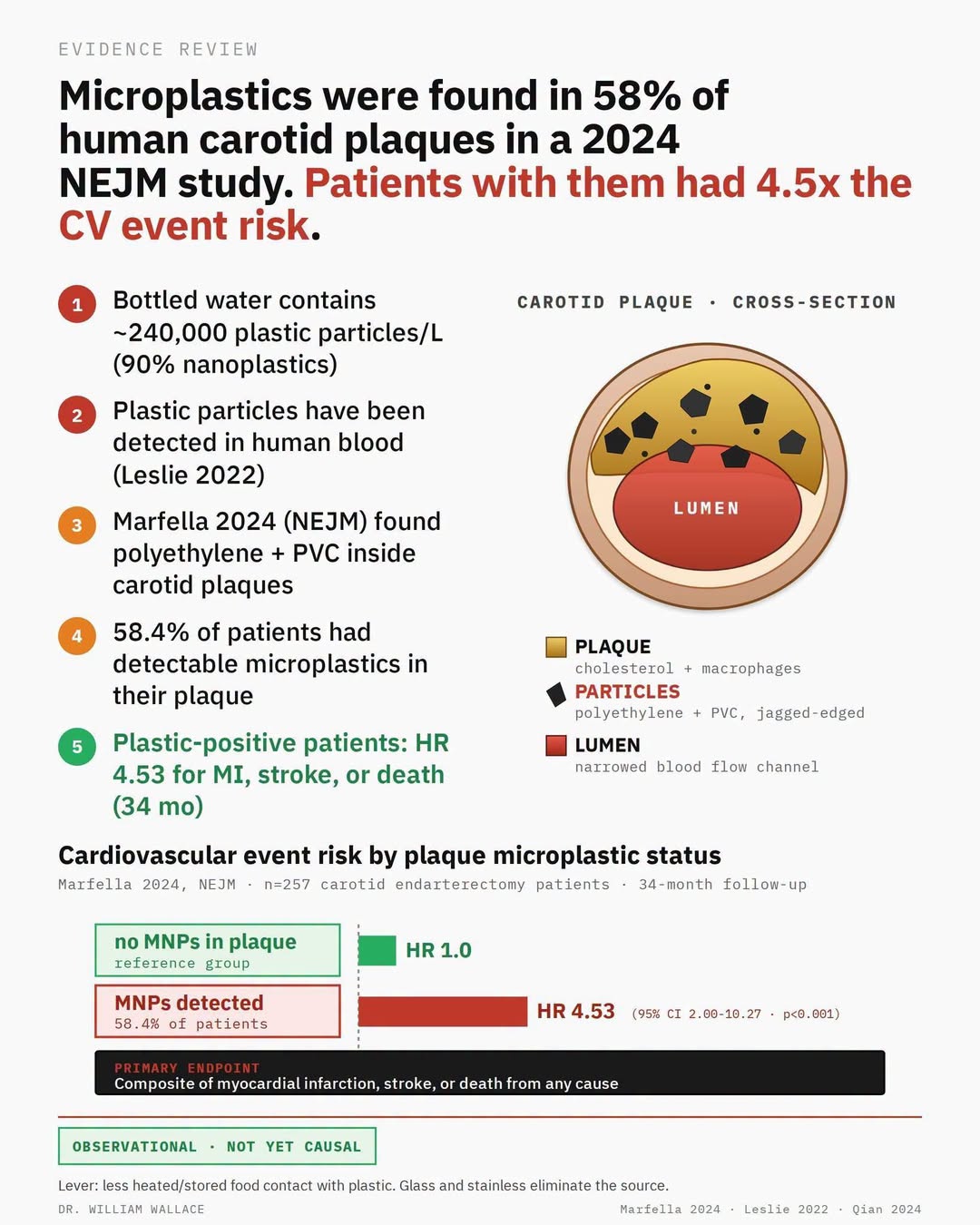
Micronanoplastics 50 times higher in carotid plaque than in plaque-free arteries

Apr 23, 2025 · Gokhan Can ♥ 14 · 💬 3 ↩ 1 Environment (microplastics, pollution, heat)

A small preliminary study presented at an AHA meeting found carotid plaque, especially from people with stroke, TIA or transient vision loss, held 50 times more micronanoplastics than plaque-free arteries. It cannot prove causation and no direct link to inflammation markers was found, though gene activity related to plaque stability differed.

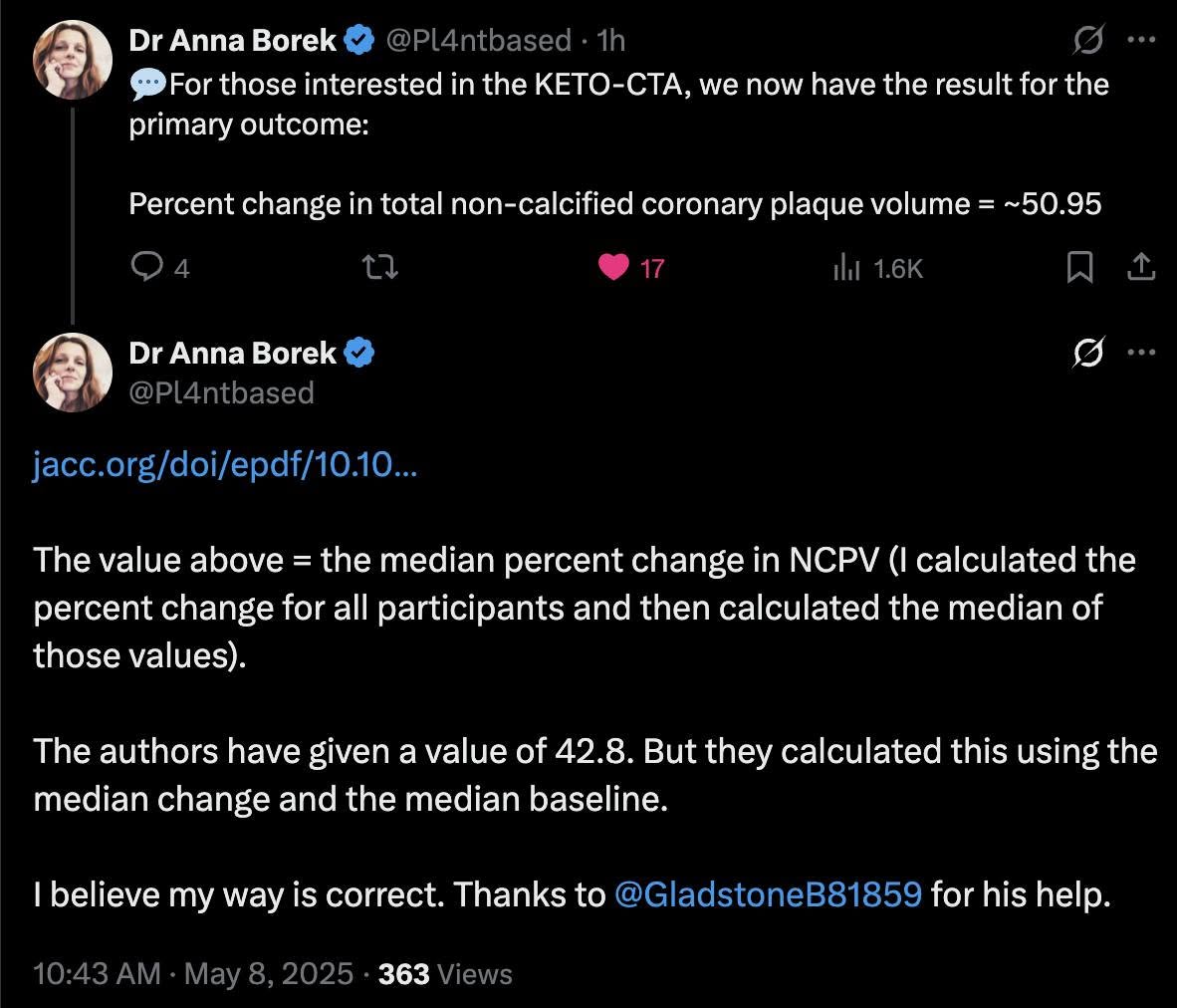
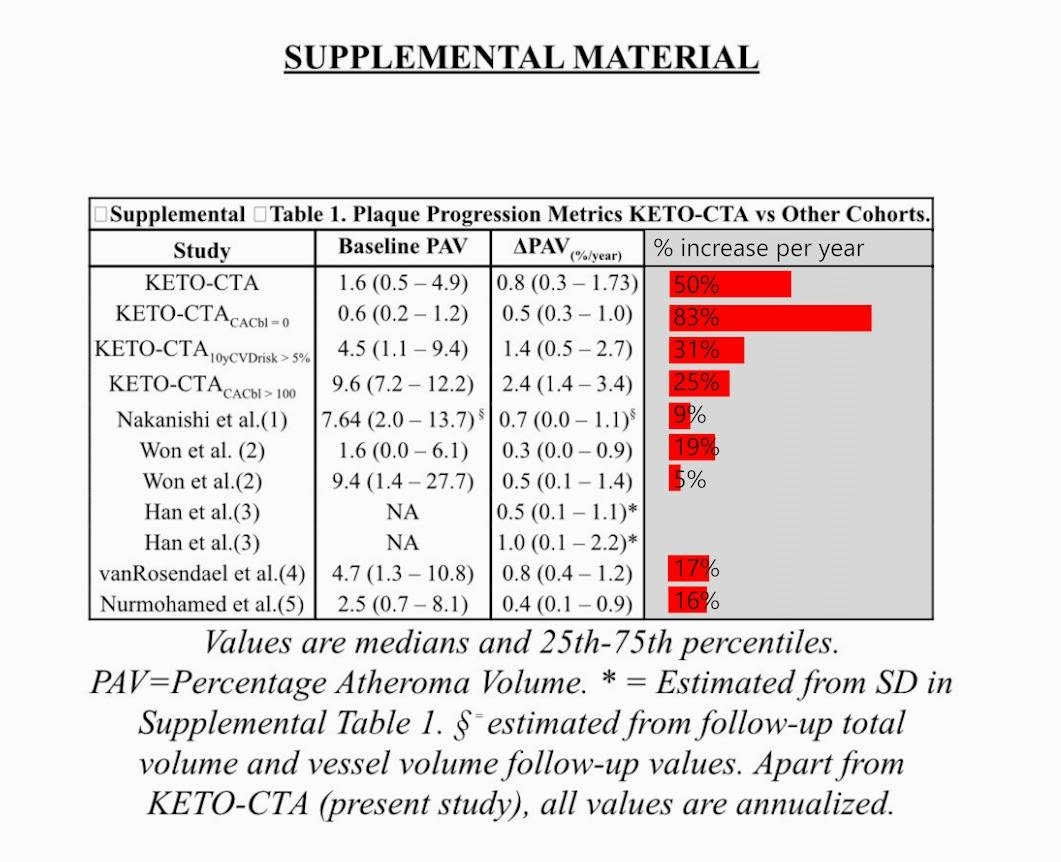
Keto trial showed worse plaque progression; DASH plus statins regressed plaque

Oct 05, 2025 · Louis Nervegna ♥ 13 · 💬 3 Plaque, CAC & CT angiography

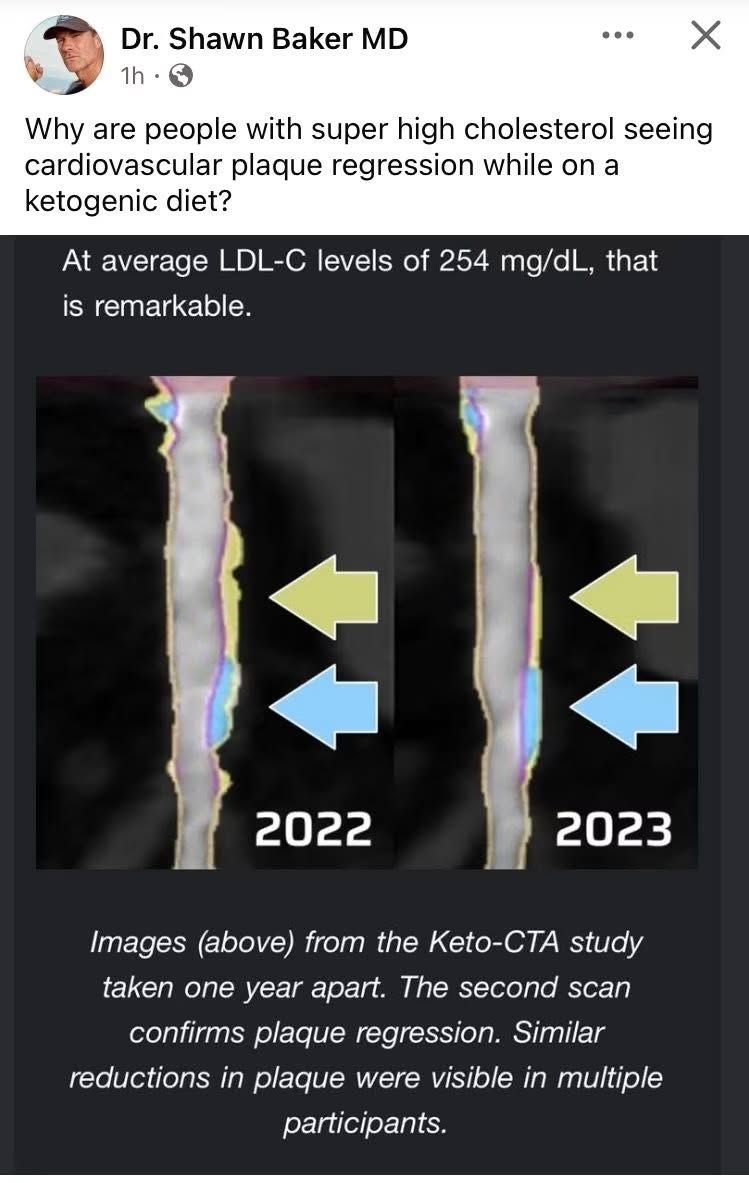
Louis rebuts a keto influencer who cherry-picked a single CT image that looked like regression, arguing the study as a whole showed more plaque progression than a standard American diet. He contrasts it with the Disco-CT trial, where a DASH diet plus statins produced average regression equal to about 8 years of progression reversed in one year.

LDL is necessary but not always sufficient for atherosclerosis, among 25+ risk factors

Mar 25, 2024 · Louis Nervegna ♥ 14 · 💬 2 LDL, ApoB & lipid panel

Louis summarizes a Joel Kahn video: there are at least 25 major heart disease risk factors, all of which should be addressed, but LDL is special because it appears necessary for plaque to form. It is not always sufficient, since some people with very high LDL never develop plaque. No other risk factor has been shown to be necessary, which is why cardiologists focus on LDL.

Atorvastatin 80 mg after heart attack cut death, repeat MI or readmission ~30% at 30 days

Oct 25, 2024 · Louis Nervegna ♥ 11 Statins

Louis reposts a note explaining why patients are put on atorvastatin 80 mg right after a heart attack. In PROVE IT-TIMI 22, intensive therapy cut death, repeat MI or rehospitalization by almost 30% within 30 days versus a lower-potency statin. He attributes the speed to pleiotropic effects such as anti-inflammatory and plaque-stabilizing actions rather than LDL alone.

Vitamin C has not reduced heart attacks or strokes and plaque data are mixed

Apr 12, 2026 · Gokhan Can ♥ 5 · 💬 1 Supplements & vitamins

Admin summarises that vitamin C alone has been tested widely without reducing hard outcomes (MACE), and plaque-reversal data are mixed: supportive in animals, better/worse/no effect in human trials. He does not advise it as a heart-disease cure, though physiological doses appear safe; he takes 250 mg/day to avoid deficiency. Links an (largely AI-generated, author-vetted) summary document.

Mediterranean diet from age 40 to 60 linked to fewer early signs of artery plaque at 60

Dec 18, 2025 · Louis Nervegna ♥ 11 Mediterranean, DASH, MIND & plant-forward diets

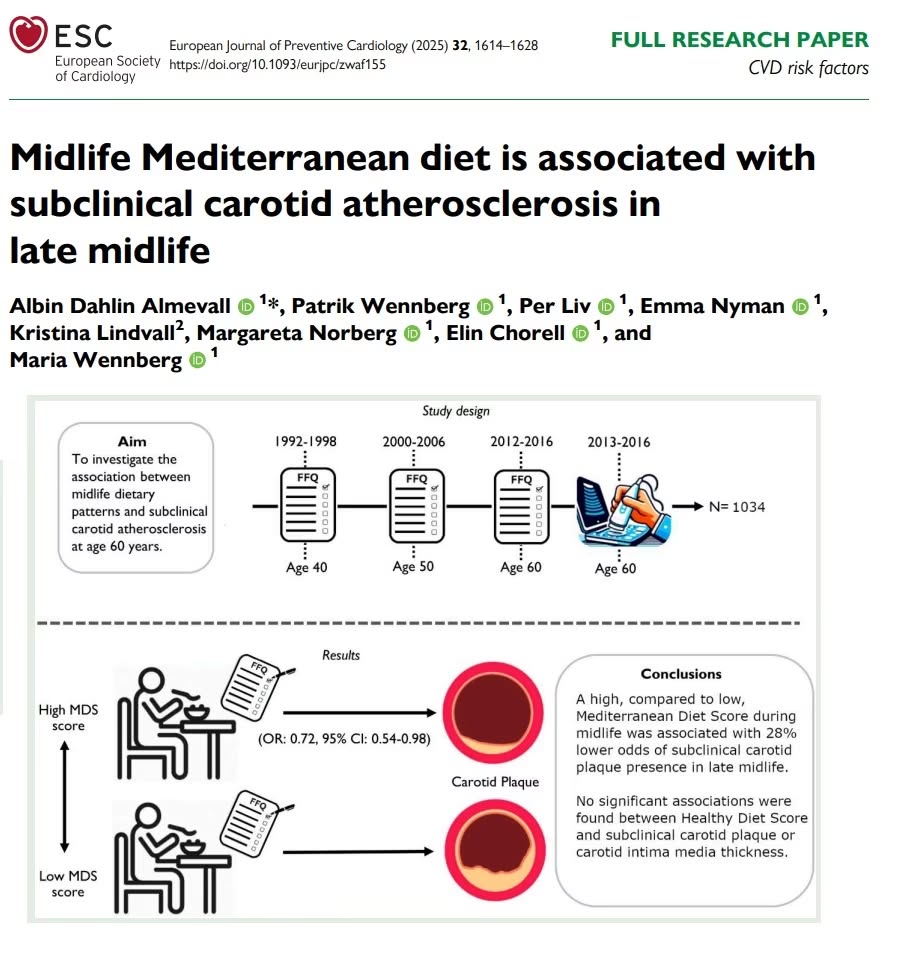
Louis shares an observational study from the European Journal of Preventive Cardiology showing that following a Mediterranean-style diet between ages 40 and 60 was associated with a lower likelihood of early plaque build-up at age 60. He adds it to the pile of evidence for a traditional Mediterranean diet in preventing heart disease.