Prostate Cancer Mortality Cut by 13% in Landmark Screening Trial
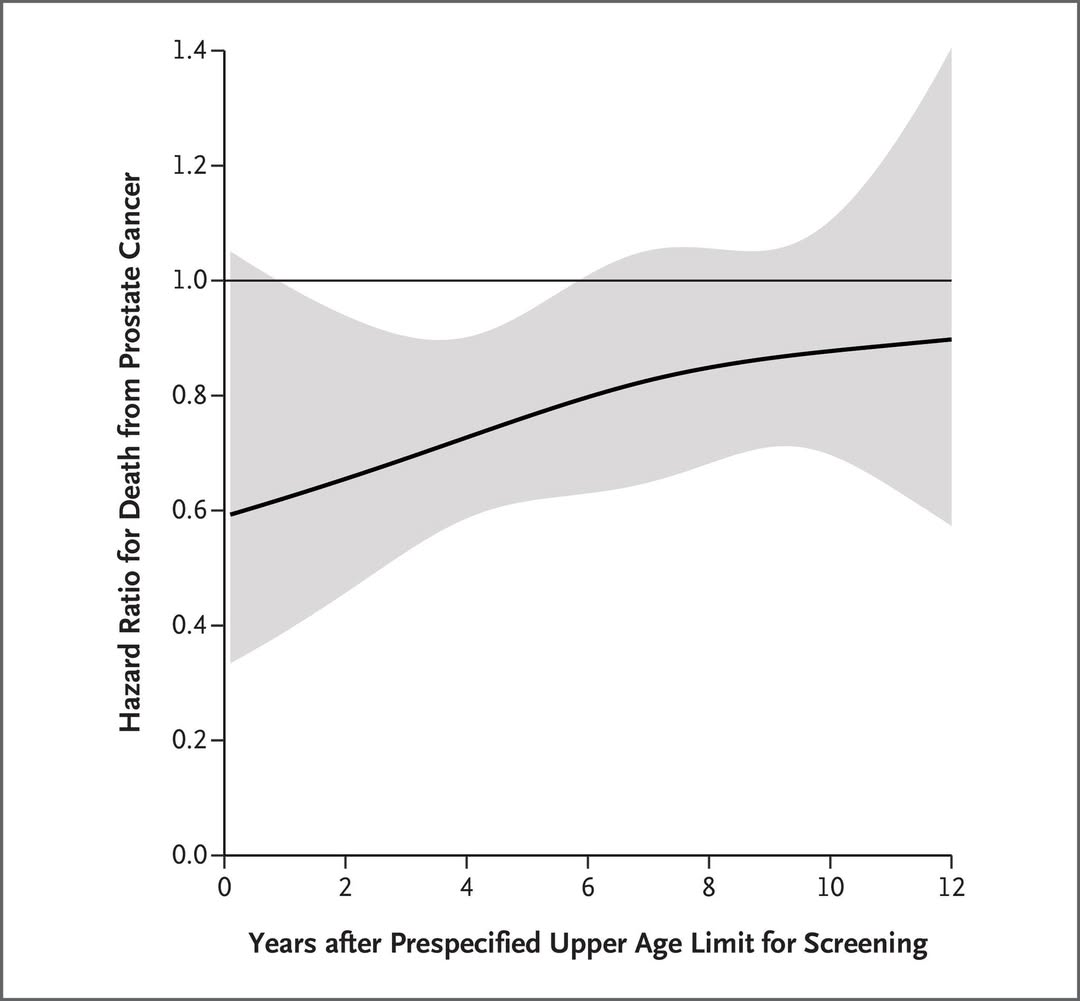
A 23-year, long-term follow-up of the landmark European Randomized Study of Screening for Prostate Cancer (ERSPC) confirmed that routine prostate-specific antigen (PSA) testing reduces deaths from the disease. The study found a 13% lower prostate cancer mortality rate in the screening group, which translates to 22 fewer deaths per 10,000 men. This benefit-to-harm ratio has improved over time; at 23 years, one death was prevented for every 456 men invited for screening, compared to one death per 628 men at 16 years. However, this benefit is balanced by a significant risk of overdiagnosis, as screening led to a higher incidence of prostate cancer diagnoses (14% vs. 12% in the control group). The authors conclude that while screening is beneficial, the risks of unnecessary interventions remain "considerable," highlighting the need for more refined, risk-based screening strategies in the future.