Weight‑loss drugs may also calm alcohol and nicotine cravings.
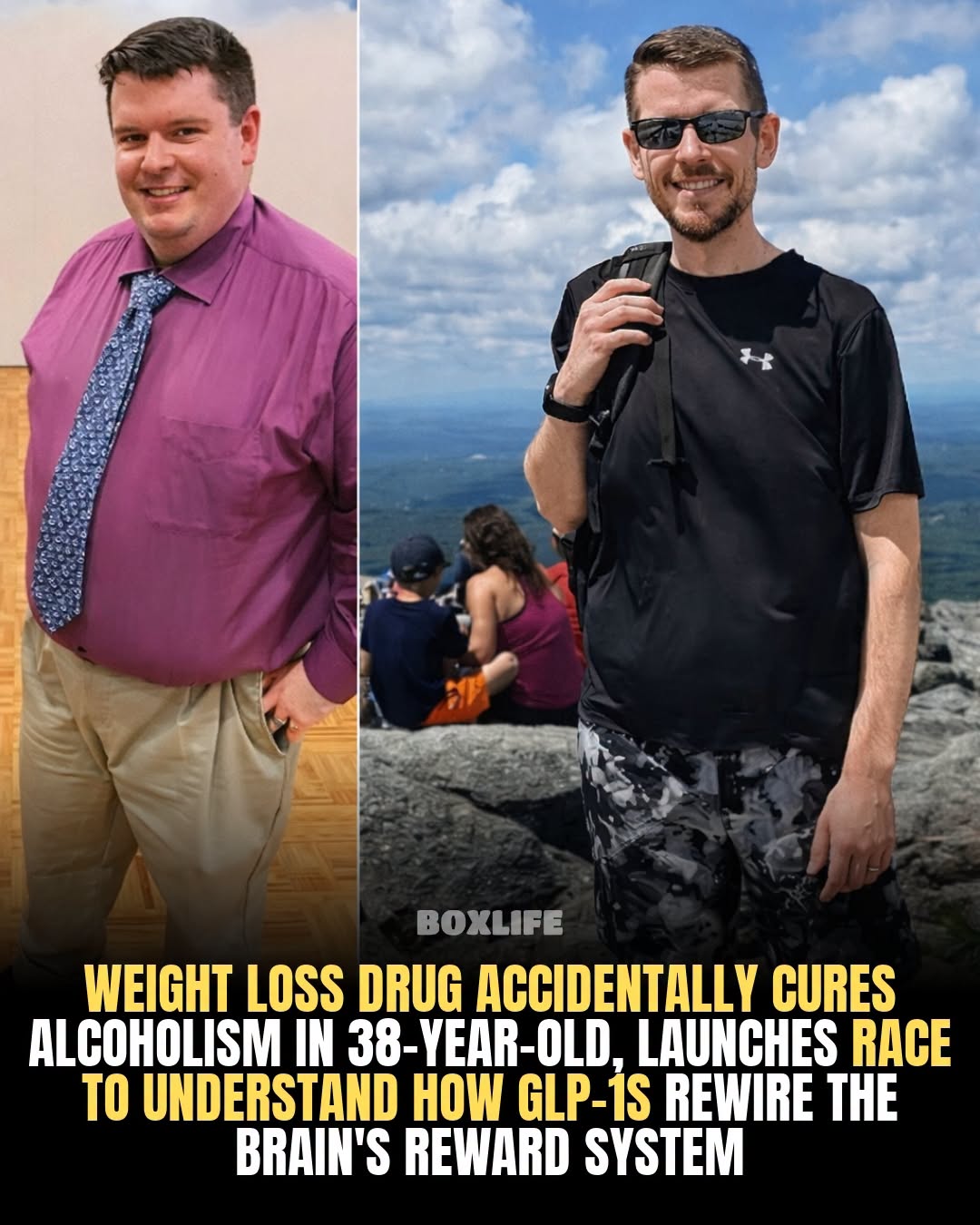
Some of the blockbuster medications people take to fight obesity could help calm cravings for alcohol, nicotine, or even opioids. Drugs known as GLP-1 receptor agonists – like semaglutide, which is used widely for obesity and type 2 diabetes – are showing surprising promise in reducing addictive behaviors.
Here’s what researchers have found: in a recent trial, adults with alcohol-use disorder who received weekly low-dose semaglutide over nine weeks drank significantly less than those on placebo, and their reported cravings dropped too. Rodent studies paint a similar picture: GLP-1 drugs lowered voluntary nicotine and alcohol intake, decreased relapse-like behavior, and blunted the rewarding effects of these substances.
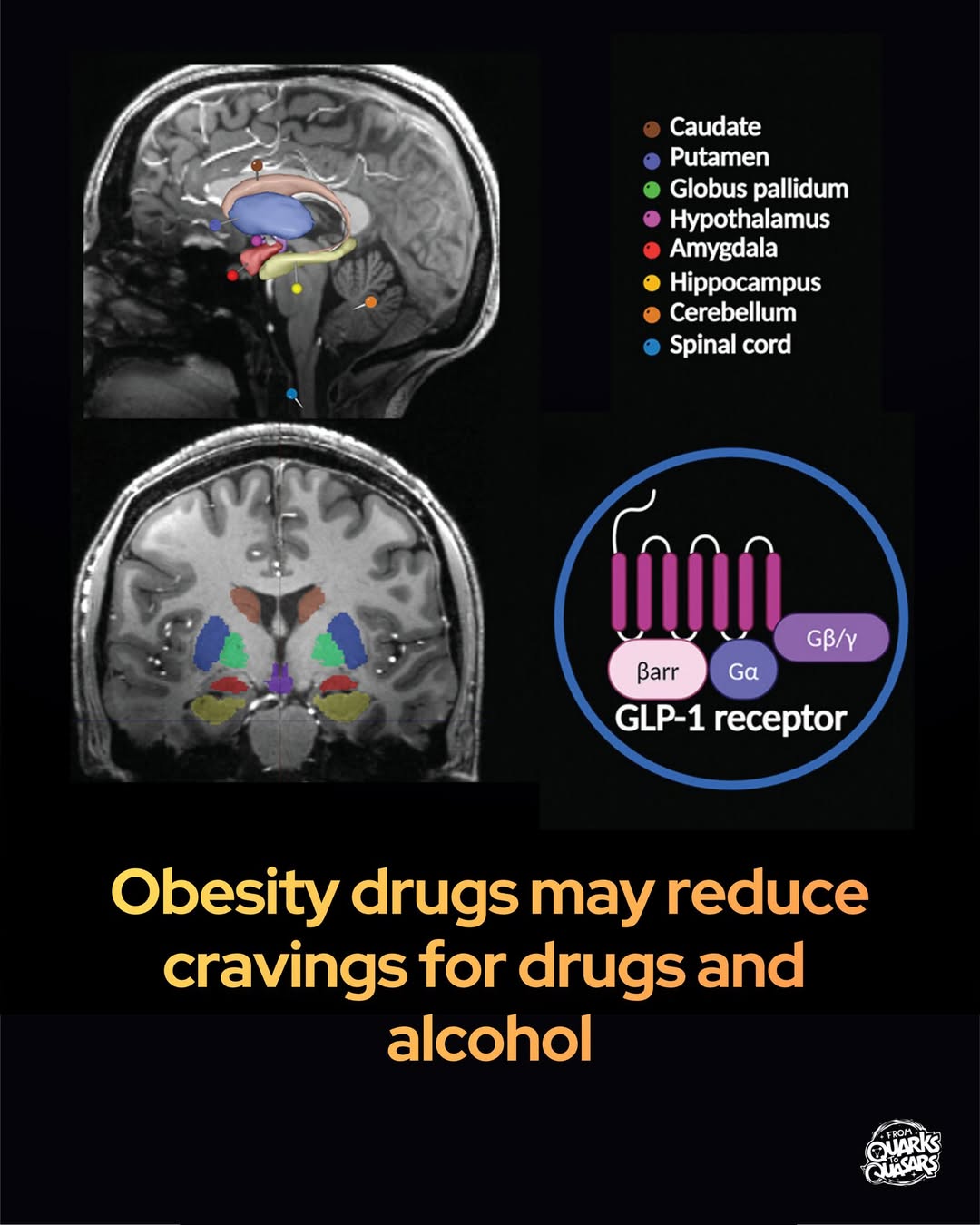
Scientists believe the key lies in the brain’s reward circuitry. GLP-1 signaling also interacts with brain regions tied to motivation and craving, potentially dampening the urge to reach for a drink or a cigarette.
If these effects hold up in larger, long-term trials, it could mark a paradigm shift in how we approach addiction. Instead of managing cravings solely through counseling or traditional medications, we might also tap into the same biological pathways that regulate hunger and metabolism. For many people – especially those battling both obesity and substance dependence – that dual benefit could be life-changing.
Could a “diet drug” become a tool in the fight against addiction? For now, the data says it’s possible – and scientists are watching closely.
Learn more:
"Will blockbuster obesity drugs revolutionize addiction treatment?" Nature, 2025.
📸Credit: "Glucagon-Like Peptide 1: An Introduction and Possible Implications for Neuropsychiatry." The Journal of Neuropsychiatry and Clinical Neurosciences, 2024.