This data on coffee and tea consumption came from the Harvard Nurses Study and the Harvard Physicians Followup Study.
#coffeeHD #teaHD #dementiaHD #alzheimersHD #hnsHD #hpfsHD #harvardHD #jamaHD #caffeineHD
Shared JAMA summary of the Harvard Nurses' Health Study and Health Professionals Follow-up Study. Moderate intake of caffeinated coffee or tea was associated with lower dementia risk and modestly better cognition, while decaf showed no benefit.
This data on coffee and tea consumption came from the Harvard Nurses Study and the Harvard Physicians Followup Study.
#coffeeHD #teaHD #dementiaHD #alzheimersHD #hnsHD #hpfsHD #harvardHD #jamaHD #caffeineHD
In a large prospective cohort study including more than 130 000 US adults followed for up to 43 years, greater consumption of caffeinated coffee and tea was linked to a reduced risk of developing #dementia and modest improvement in #cognitive function.
The strongest associations were observed at moderate consumption levels: about 2 to 3 cups per day of caffeinated coffee or 1 to 2 cups per day of tea. Decaffeinated coffee did not show these benefits, suggesting the protective effects may be attributable to caffeine or related bioactive compounds. Notably, higher intakes did not confer additional benefit, emphasizing an optimal threshold for cognitive health.
🎥 Watch the video and read the full study:
Paper · JAMA · 2026Coffee and Tea Intake, Dementia Risk, and Cognitive FunctionImportance Evidence linking coffee and tea to cognitive health remains inconclusive, and most studies fail to differentiate caffeinated from decaffeinated coffee. Objective To investigate associations of coffee and tea intake with dementia risk and cognitive function. Design, Setting, and Participants Prospective cohort study that included female participants from the Nurses’ Health Study (NHS; n = 86 606 with data…jamanetwork.com
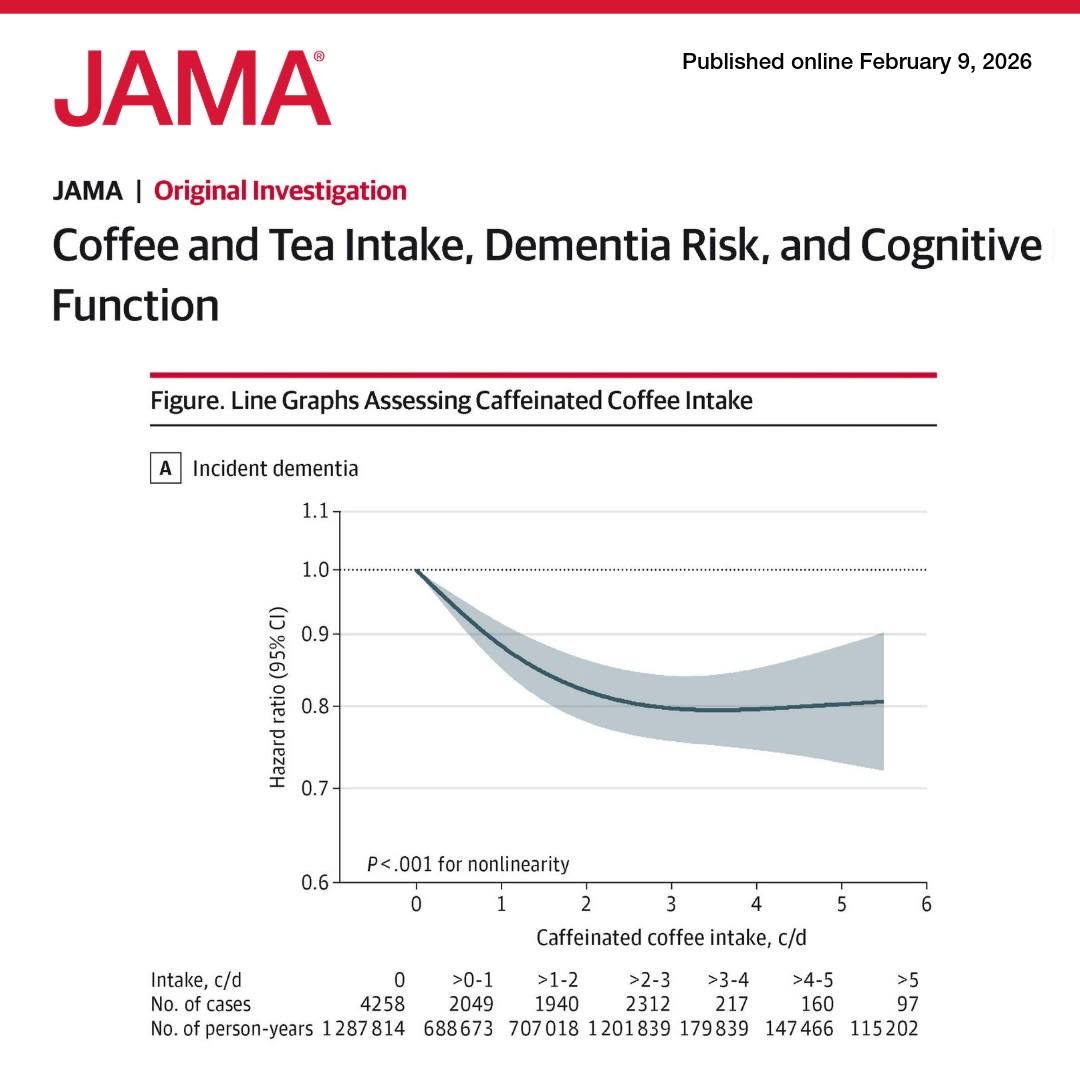
Louis shares the JAMA prospective cohort study of over 130,000 US adults followed up to 43 years: higher caffeinated coffee and tea intake was associated with lower dementia risk and modestly better cognition, strongest at moderate intake.
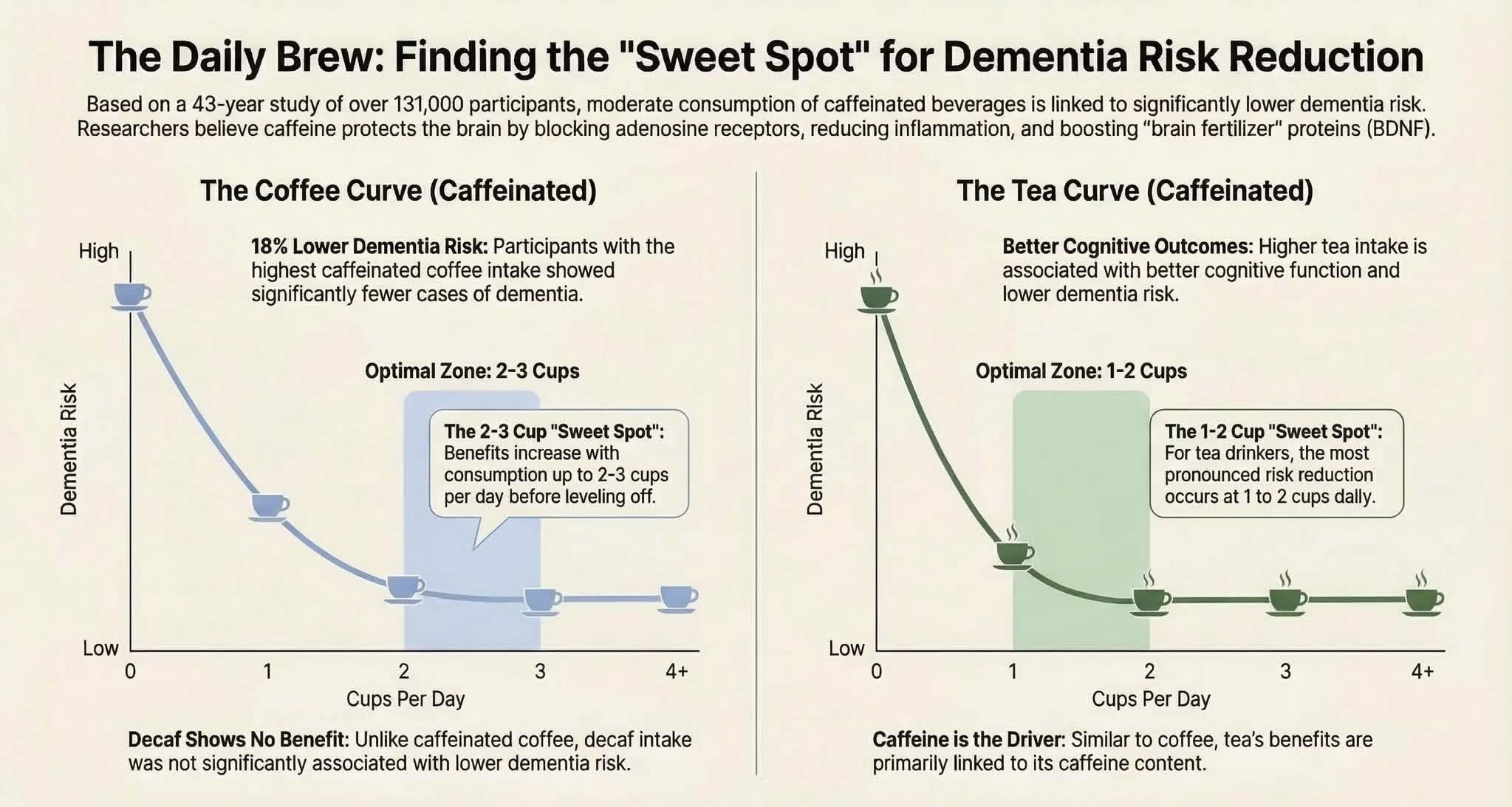
Louis shares a chart based on the Harvard Nurses' Health Study and Health Professionals Follow-up Study relating coffee, tea and caffeine to dementia, with links to previous posts. The chart image is not described in the text.
Shared summary of the JAMA cohort study following health professionals for an average of 37 years. Moderate caffeinated coffee or tea intake was linked to lower dementia risk and better cognitive performance, with no relationship for decaf.
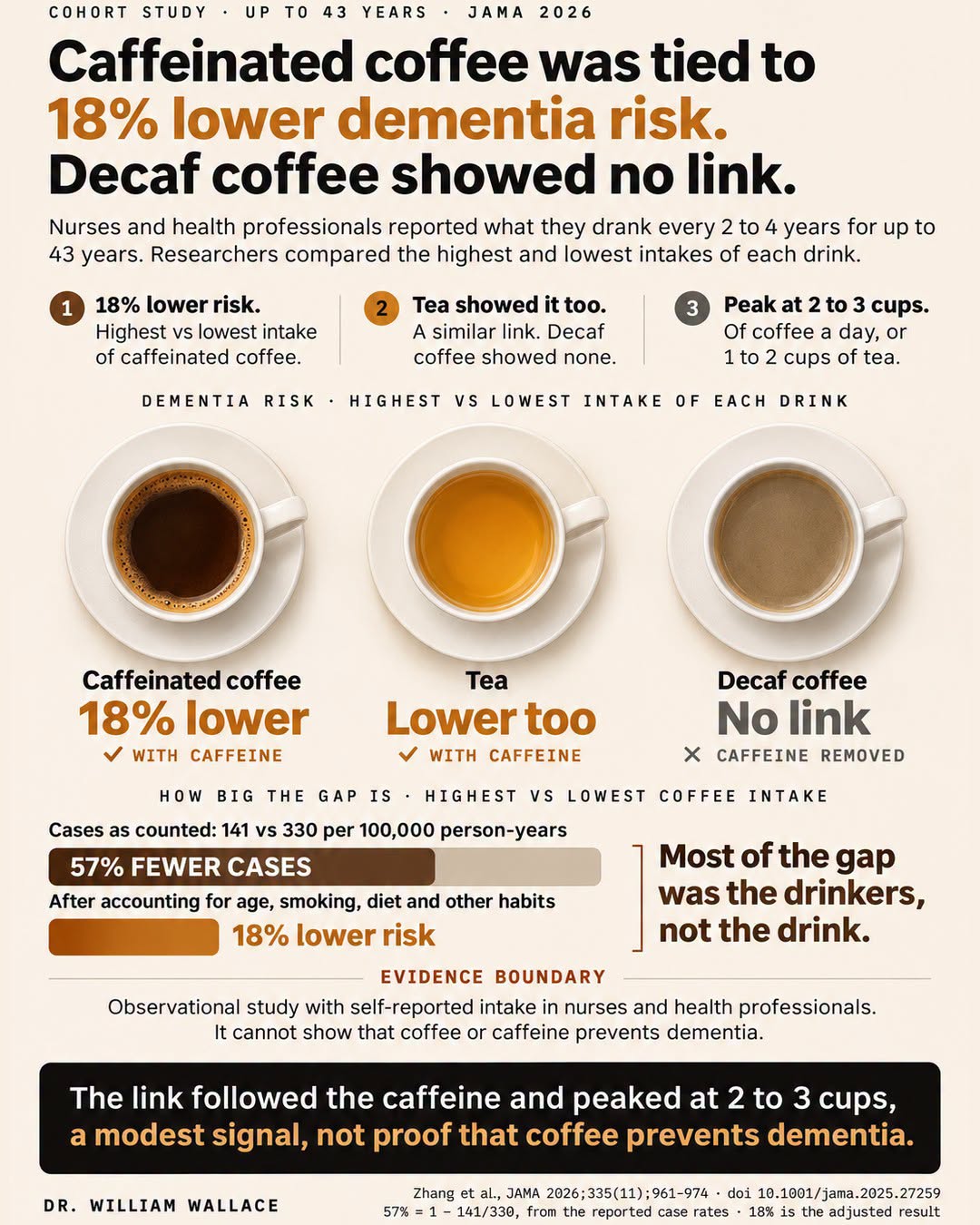
Shared summary of a JAMA cohort of 131,821 US nurses and health professionals followed up to 43 years. The highest caffeinated coffee group had 18% lower dementia risk after adjustment, decaf showed no link, and the lowest risk was at about 2-3 cups of coffee or 1-2 cups of tea. Observational, with large confounding (heavy drinkers smoked more).

A Washington Post interview with Harvard nutrition researcher Walter Willett. He says his group's data showed total fat was irrelevant, trans fats were bad, saturated fat versus refined carbohydrate was only weakly related to heart disease, and unsaturated fats were linked to lower heart disease and mortality. He also describes his own diet, including oats, nuts, blueberries and a plant-based lunch.
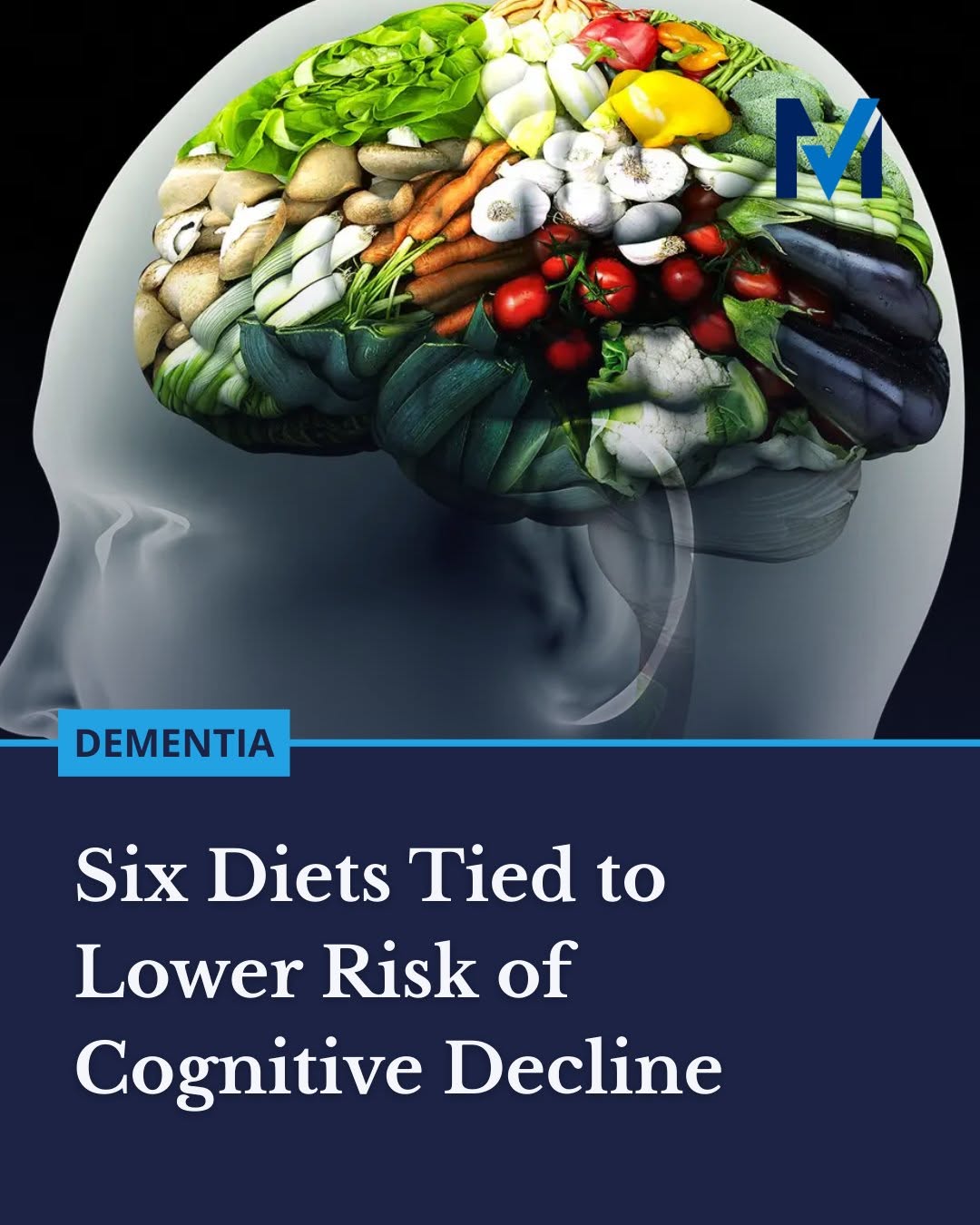
A prospective study of Nurses' Health Study and Health Professionals follow-up participants found six healthy eating patterns were tied to less cognitive decline, with DASH best, and plant-based and Mediterranean patterns also performing well.