One avocado a week linked to 16% lower CVD and 21% lower CHD over 30 years
Harvard cohort data from about 110,000 people found weekly avocado eaters had lower cardiovascular and coronary heart disease risk than rare or non-eaters.
48 posts
Harvard cohort data from about 110,000 people found weekly avocado eaters had lower cardiovascular and coronary heart disease risk than rare or non-eaters.
Louis summarizes a Harvard/Brigham cohort analysis of the Nurses' Health Study, HPFS and NHS II covering over 30 years. Higher butter intake was associated with higher all-cause and cancer mortality, while plant oils (especially olive, canola and soybean) were associated with lower all-cause, cancer and cardiovascular mortality.
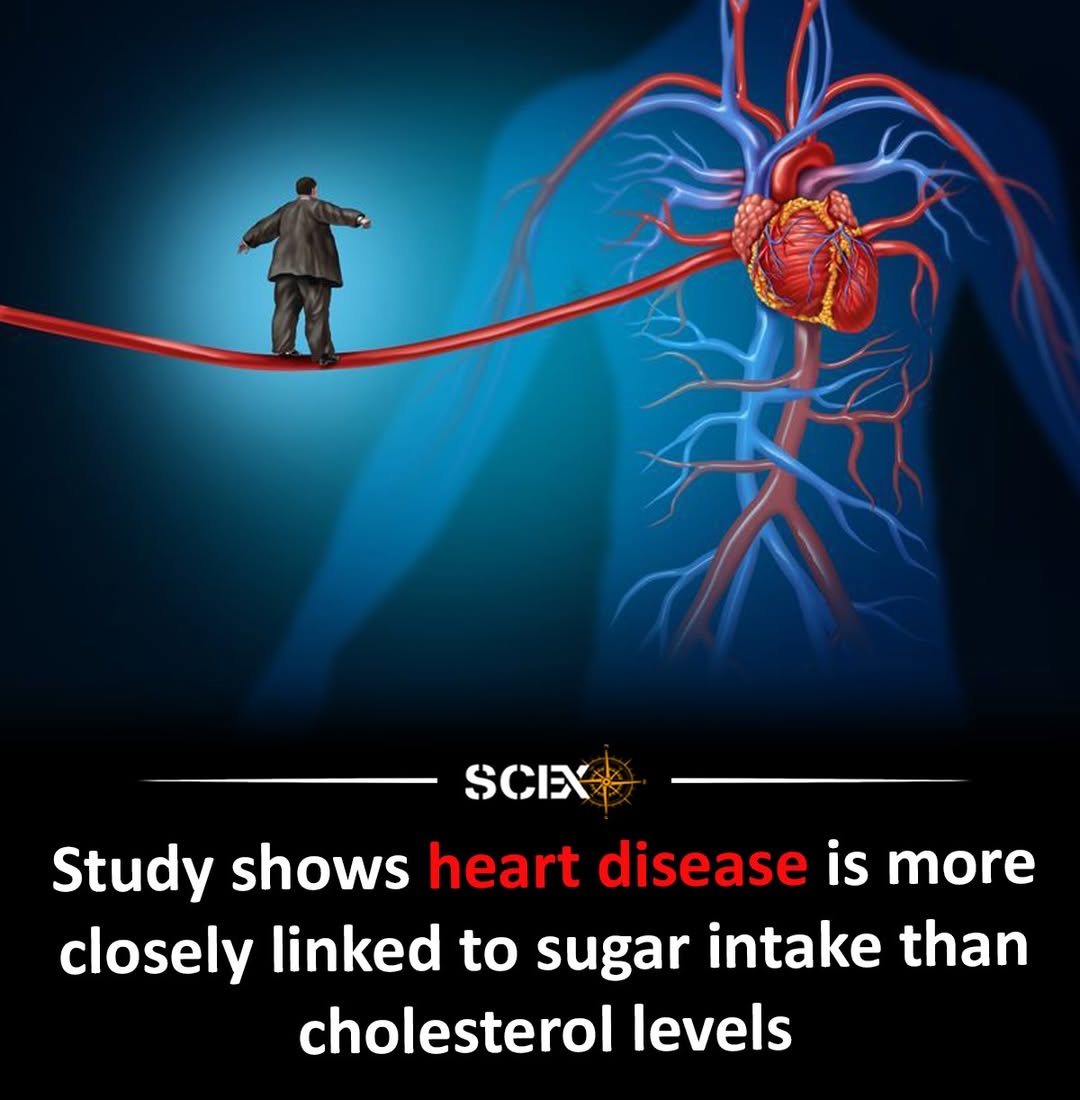
A shared summary describes a 15-year JAMA Internal Medicine study in which people getting 25% or more of calories from added sugar had over twice the CVD death risk of those under 10%, regardless of weight or other factors. Louis clarifies that the comparison is with dietary cholesterol, not blood cholesterol.
Louis summarises a Harvard cohort analysis of over 200,000 adults across the Nurses' Health Study and related cohorts. Replacing butter with unsaturated plant oils was associated with lower cancer and overall mortality, with the biggest benefits from olive, canola and soybean oil.
A May 2024 analysis of the Nurses' Health Study and Health Professionals Follow-up Study found at least 7 g of olive oil daily was associated with 28% lower dementia-related mortality versus never or rarely using it, regardless of genetic predisposition and overall diet quality.
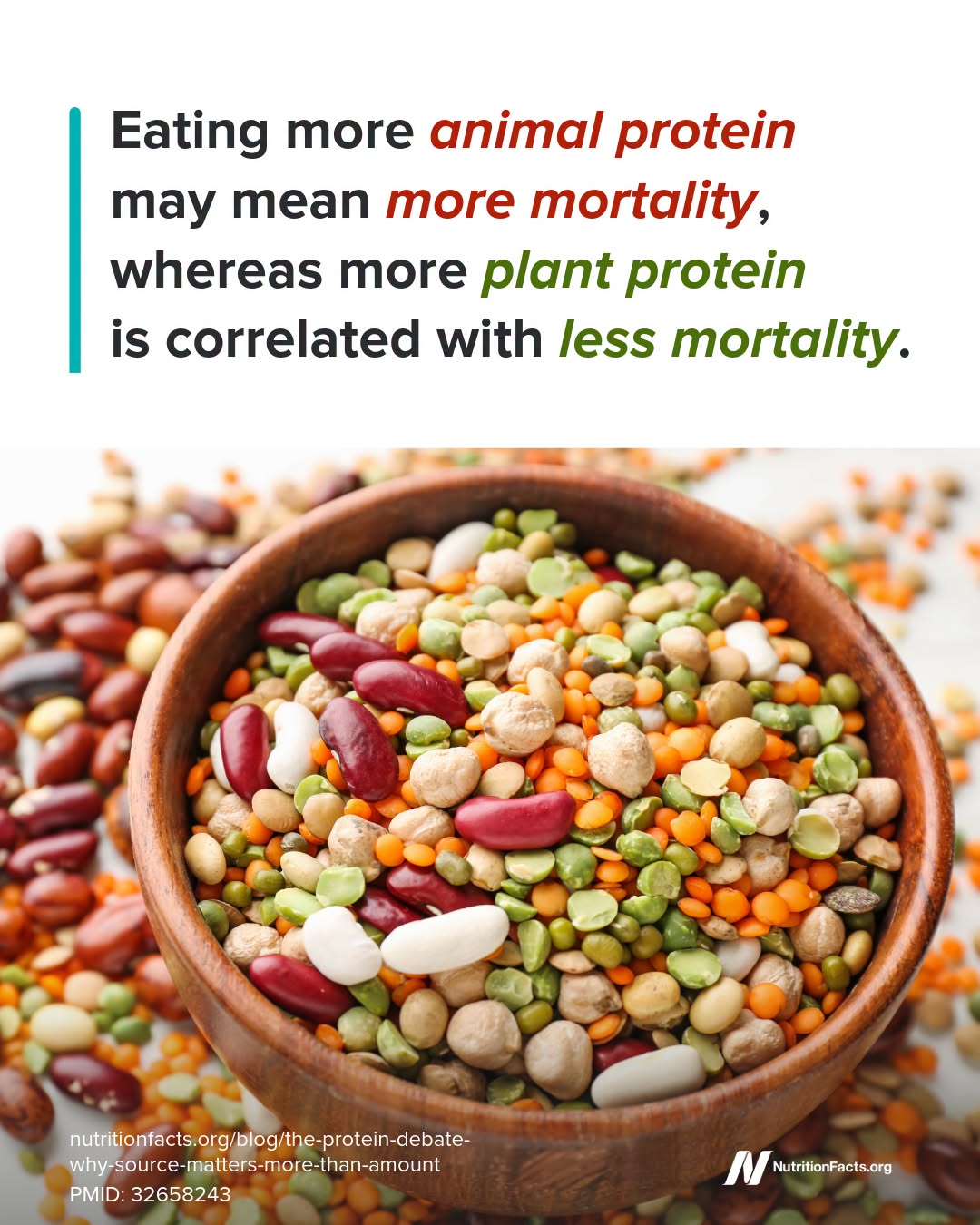
Louis summarizes Harvard Nurses' Health Study and Health Professionals Follow-up Study findings that higher plant protein intake is strongly associated with lower CVD and all-cause mortality over 30 years, whereas animal protein is not, driven by red and processed meat. Seafood and yogurt look favorable. The shared text cites a Rotterdam Study plus meta-analysis of protein intake and mortality.
Louis shares Harvard research on 221,054 people from the Nurses' Health Studies I and II and the Health Professionals Follow-Up Study, published in JAMA Internal Medicine. Higher plant-oil intake (especially soybean, canola, olive) was linked to lower total, cancer and cardiovascular mortality, while butter was linked to higher total and cancer mortality; a modeled swap of 10 g butter for plant oils lowered mortality by 17%.
Louis lists cohorts, including the Adventist Health Study showing 48% lower fatal CHD with nuts >4 times weekly, and the Nurses' Health Study.
Louis shares Harvard analysis of nearly 200,000 people in the Nurses' Health Studies and Health Professionals Follow-up Study. Dark chocolate was associated with lower diabetes risk, while milk chocolate was linked to weight gain and no benefit. He advises low-sugar dark chocolate with cocoa butter rather than milk fat.
Louis shares an AHA press release on Harvard cohort data (Nurses' Health Study I and II, Health Professionals) for 221,054 adults. Replacing a daily tablespoon of butter with unsaturated plant oil was associated with lower cancer and total mortality, and each extra tablespoon of butter with higher cancer risk. Olive, canola and soybean oil showed the biggest benefits.
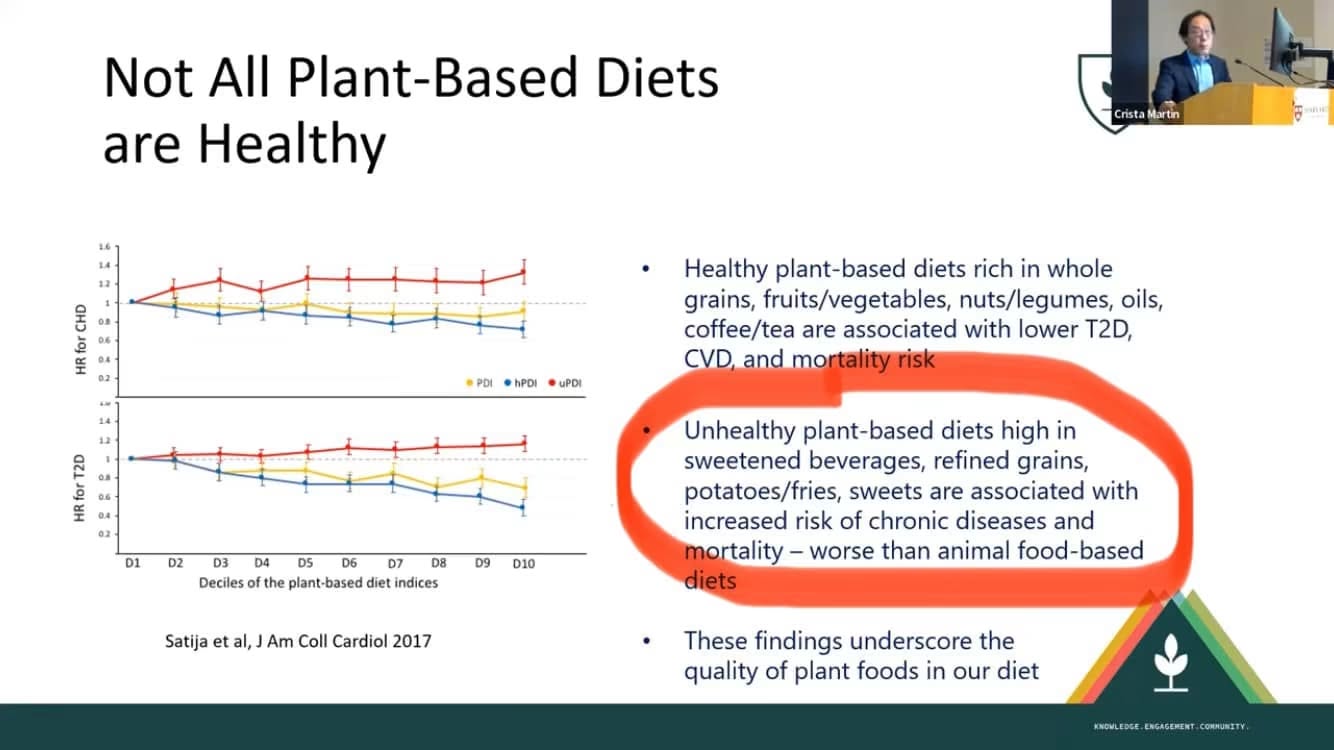
Louis stresses that not all plant-based diets are healthy. In the Nurses' Health Study and Health Professionals Follow-up Study, a plant-based index rich in healthy plant foods was linked to substantially lower CHD risk while one emphasizing sugary drinks, refined grains, potatoes and sweets was linked to higher risk, worse than the standard diet baseline.
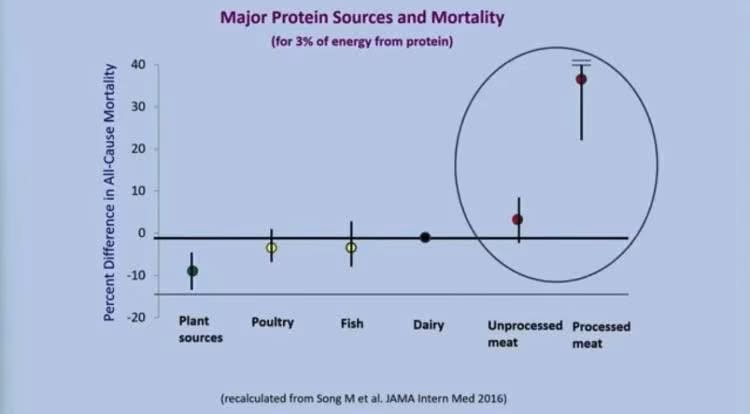
Louis summarises Harvard Nurses' and Physicians' follow-up data on nearly 300,000 people over 30 years. Plant protein was protective, fish and poultry slightly so, dairy and eggs neutral, unprocessed red meat slightly harmful and processed meat strongly harmful.
The poster argues it is unlikely high B12 intake causes cancer or clonal disease. The Physicians' Health Study multivitamin trial, which contained 10 times the RDA of B12, found no increase in major disease over 14 years and an 8% lower overall cancer risk. Nurses' and Physicians' cohorts also found no B12-disease link, except combined B12 and B6 with hip fracture, which vanished for B12 alone.
Louis shares a Nutrition Made Simple video explaining the strengths and weaknesses of the recent Harvard study comparing about 30 years of butter versus vegetable oil intake with cancer and overall mortality. It adds detail to his earlier post and includes no numbers in the post text itself.
Louis shares a NY Times report on Harvard Nurses' Health Study and Health Professionals data. Of 10 ultraprocessed food categories, only sugar-sweetened drinks and processed meat, poultry and fish were clearly linked to higher cardiovascular risk. Excluding these two, most of the risk associated with ultraprocessed food disappeared.
Louis summarizes Harvard Nurses' and Physicians' follow-up data on over 200,000 people tracked for 30 years. The best results were in those with the highest plant-to-animal protein ratio and the most total plant protein, mainly from replacing red and processed meat.
Louis argues the Alternative Healthy Eating Index is an enhanced Mediterranean-style diet and the only one developed from following over 100,000 people for more than 30 years from midlife to old age. A news article reports healthy agers in the Harvard cohorts ate similarly to this pattern.
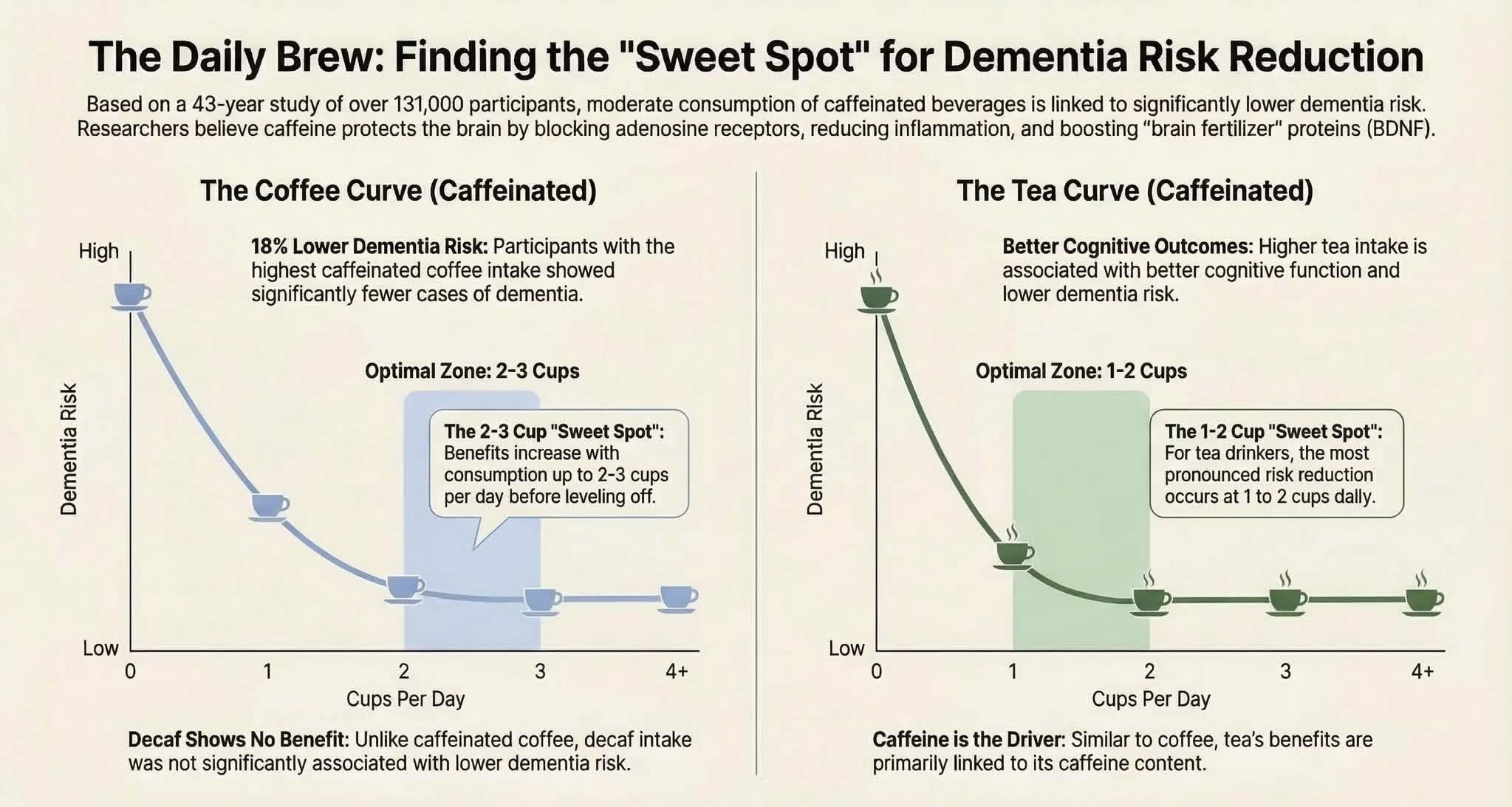
Louis shares a chart based on the Harvard Nurses' Health Study and Health Professionals Follow-up Study relating coffee, tea and caffeine to dementia, with links to previous posts. The chart image is not described in the text.
Louis shares Joel Kahn's brief post reacting to Harvard cohort data (Nurses' Health Study and HPFS) that plant oils, even soybean and canola, were associated with lower death risk than animal fats such as butter. The post gives no numbers.
The poster says plant-based eaters who also ate some seafood lived longer than pure vegans in the Adventist Health Study and the Harvard Nurses' and Physicians' follow-up studies. Vegans still did very well, just not as well. The shared text says the Adventist study followed over 100,000 Americans for 30 years.
Louis highlights the Physicians' Health Study II, a 14-year randomized trial in over 14,600 male physicians showing an 8% reduction in cancer with a daily multivitamin. He argues this refutes claims that low-dose multivitamins raise cancer risk.
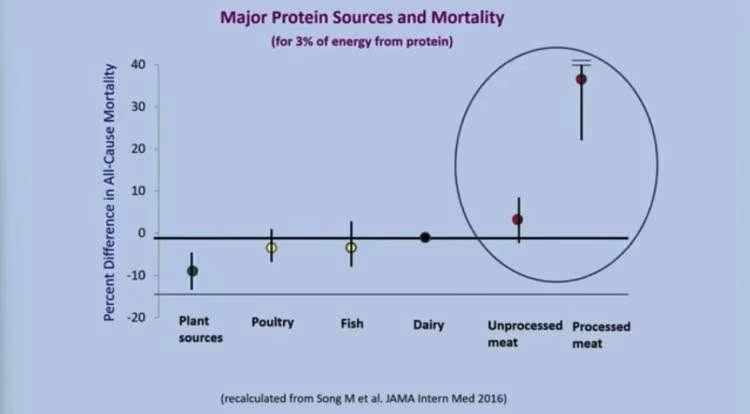
Louis repeats his summary of the Nurses' and Physicians' follow-up studies: plant protein protective, processed meat by far the worst.
Louis summarizes new results from the Harvard Nurses' Health Studies and Health Professionals Follow-up Study, following about 147,000 people for 30 years. Roughly 90-120 minutes a week of strength training was tied to lower all-cause, cardiovascular and neurological mortality, with the largest gains when combined with plenty of aerobic exercise.
Louis argues the traditional Mediterranean diet has unmatched evidence: four 4-7 year RCTs show lower heart attack, stroke and CV death (46% lower CV mortality overall), and Nurses' Health and Health Professionals cohorts plus a dozen more large cohorts confirm long-term benefit. He allows other diets might work better but says none has comparable evidence.
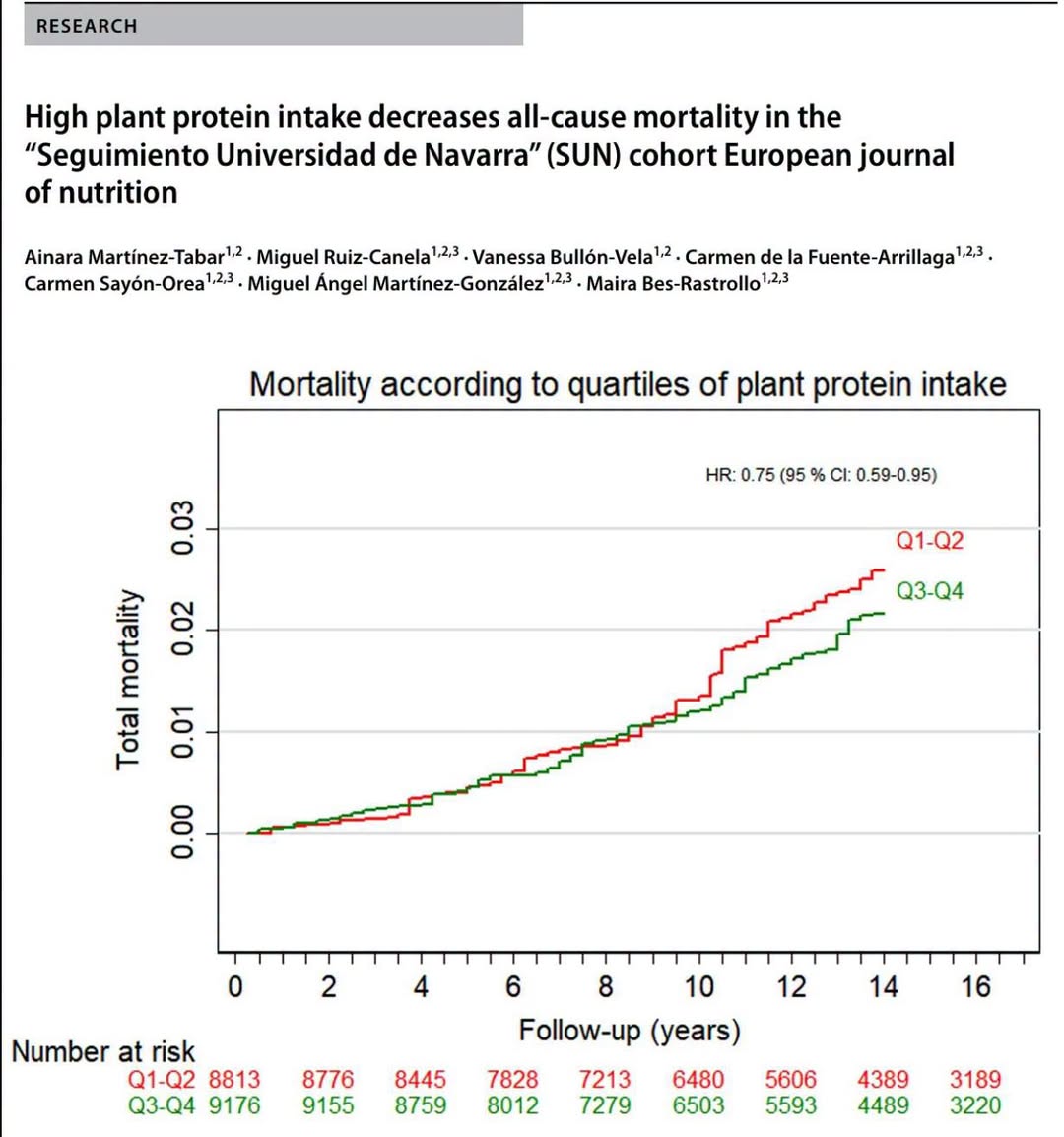
Louis notes that another large prospective cohort confirms Harvard findings on protein. Higher plant protein intake was associated with 35% lower all-cause mortality, while animal protein showed no significant association. The shared summary adds that the effect likely reflects whole plant foods such as grains, legumes and vegetables.
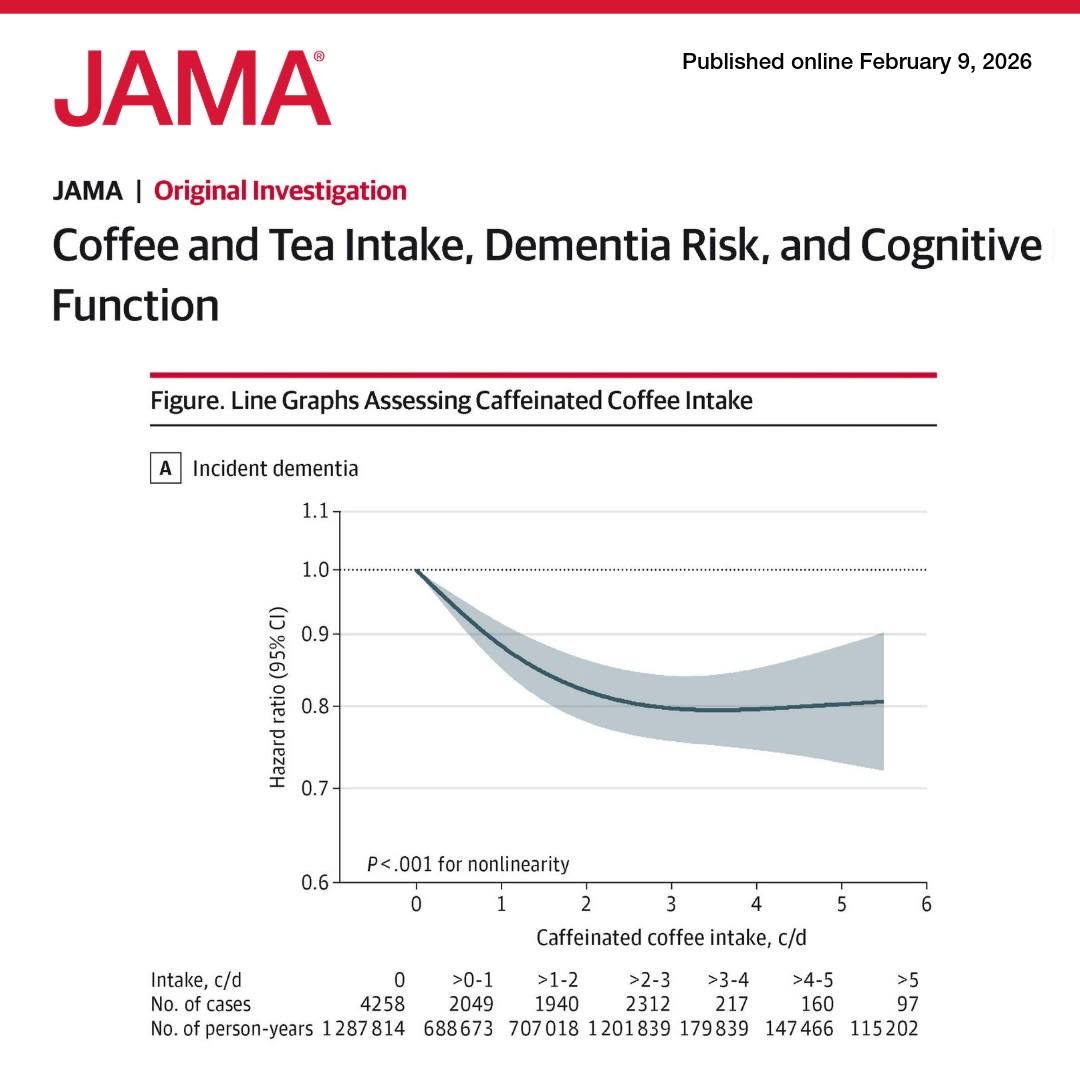
Louis shares the JAMA prospective cohort study of over 130,000 US adults followed up to 43 years: higher caffeinated coffee and tea intake was associated with lower dementia risk and modestly better cognition, strongest at moderate intake.
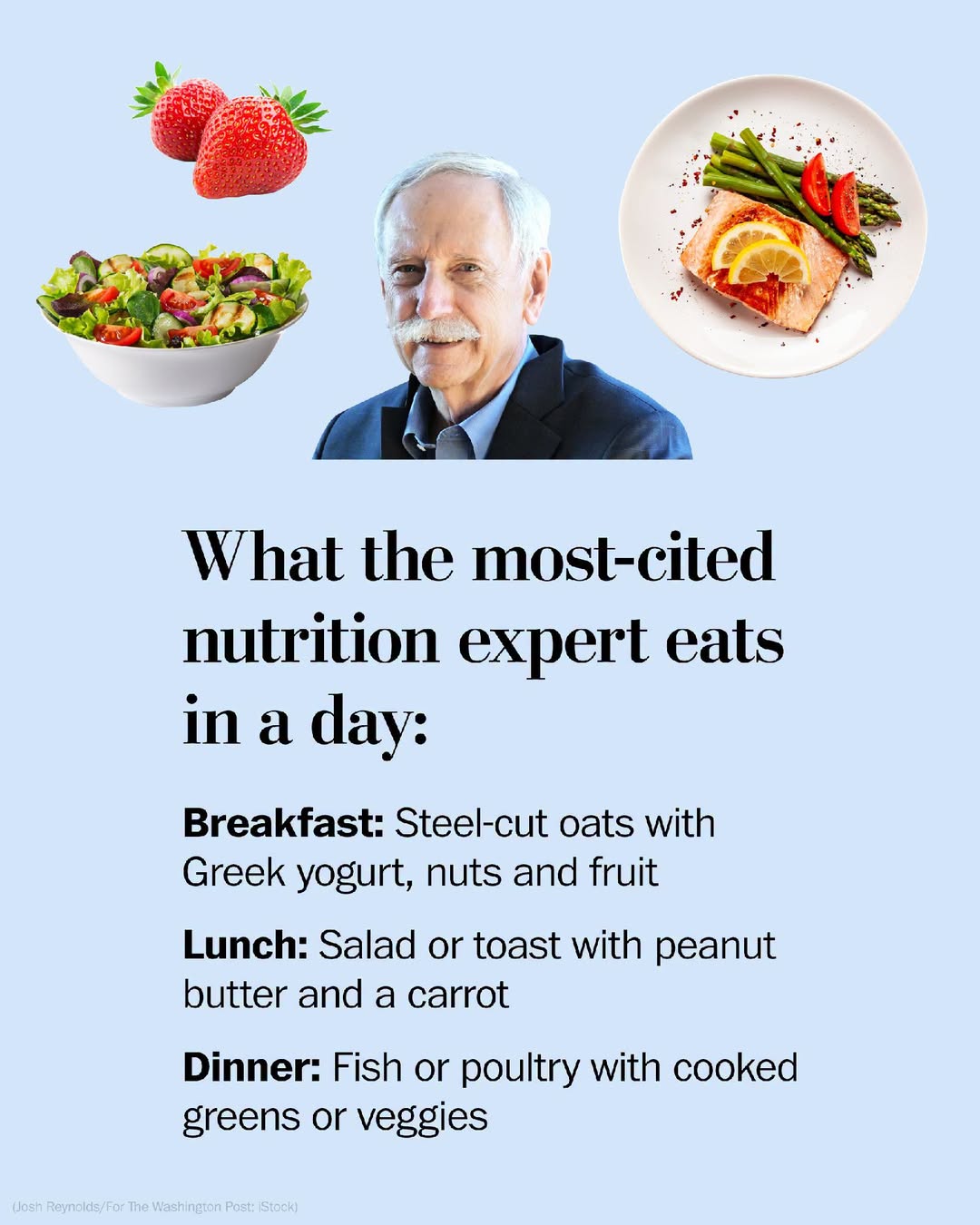
A Washington Post interview with Harvard nutrition researcher Walter Willett. He says his group's data showed total fat was irrelevant, trans fats were bad, saturated fat versus refined carbohydrate was only weakly related to heart disease, and unsaturated fats were linked to lower heart disease and mortality. He also describes his own diet, including oats, nuts, blueberries and a plant-based lunch.
Harvard Chan study finds low-carb and low-fat diets are tied to lower heart risk when rich in quality plant foods and low in animal products.
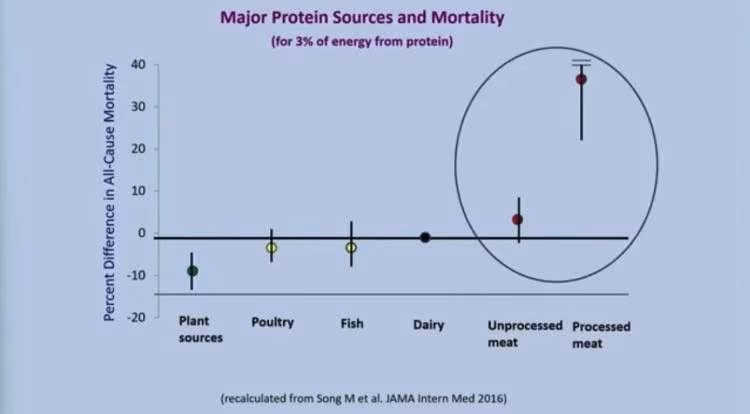
Louis shares Walter Willett's summary of nearly 300,000 people followed for 30+ years. Plant protein is protective, fish and poultry slightly protective, dairy and eggs neutral, unprocessed red meat modestly harmful, and processed meat strongly increases mortality.
A Mass General Brigham study following more than 200,000 people for 30 years found diets higher in butter and low in plant oils were associated with elevated risk of premature death, while replacing butter with plant oils was linked to lower mortality.
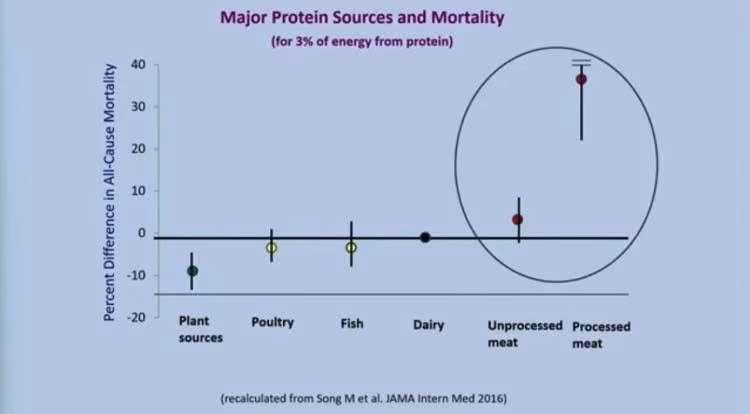
Louis rebuts claims that processed meat is harmless and shares his earlier summary of nearly 300,000 people tracked over 30 years in the Nurses' Health Studies and HPFS. Protein type mattered more than amount: plant protein protective, processed meat strongly harmful.
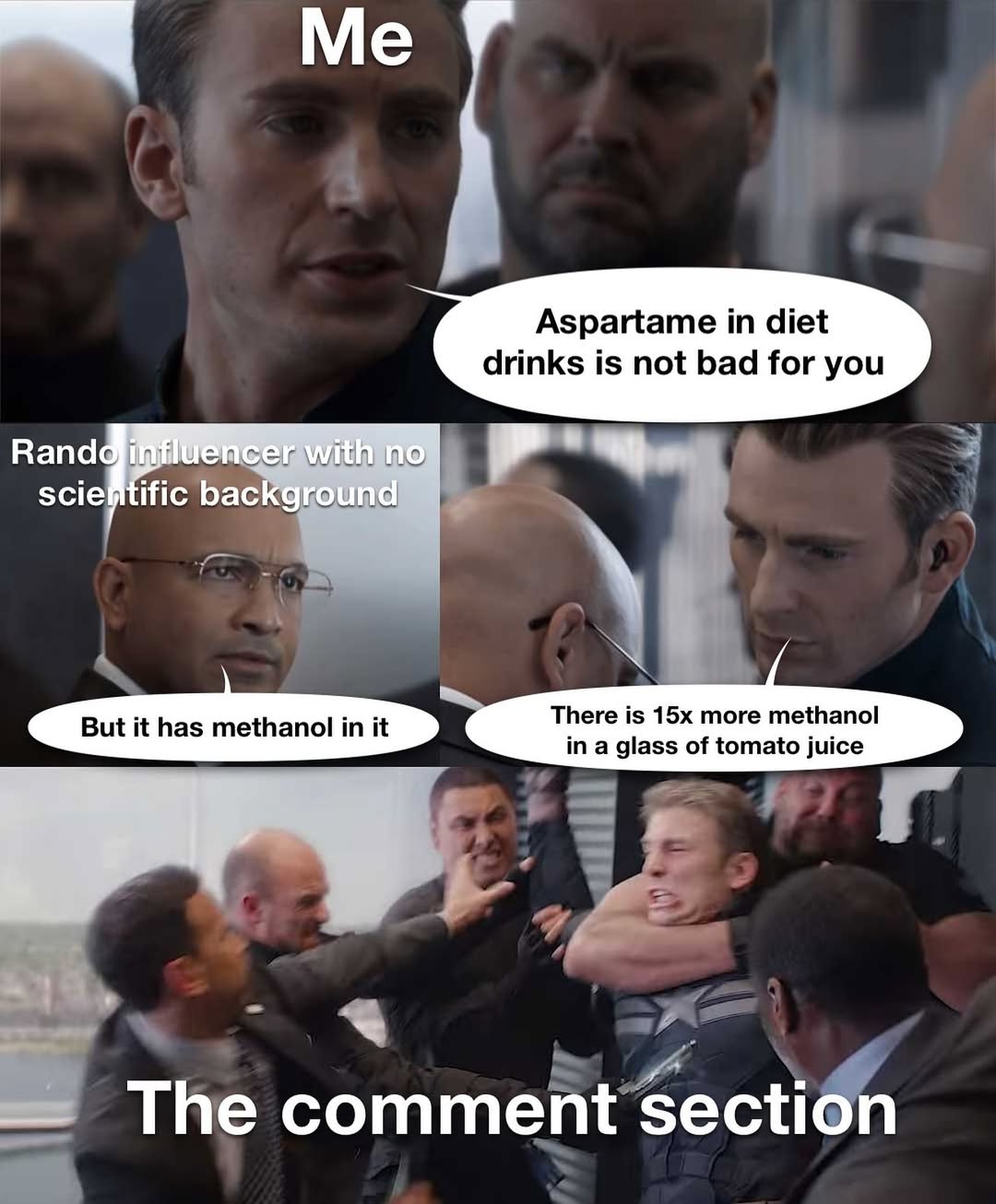
Louis endorses Layne Norton's argument on aspartame metabolism and says diet soda beats regular soda, noting decades of prospective tracking in Harvard cohorts, while preferring neither.
Louis quotes Dr JoAnn Manson on a COSMOS substudy of about 950 older adults using epigenetic clocks. All five clocks showed slower aging with a multivitamin, and two second-generation clocks showed significant slowing.
Louis quotes Harvard's Nutrition Source on large cohort studies, including the Adventist, Iowa Women's, Nurses' Health and Physicians' Health studies, which consistently link regular nut intake to lower risk of heart attack, sudden cardiac death and CVD.
Louis quotes a summary of a BMC Medicine analysis from the Nurses' Health Studies I and II and Health Professionals Follow-Up Study, averaging 25.8 years of follow-up. People eating the most whole grains had lower CHD risk, with specific foods such as whole grain cereal, bread, oatmeal and brown rice associated with benefit.
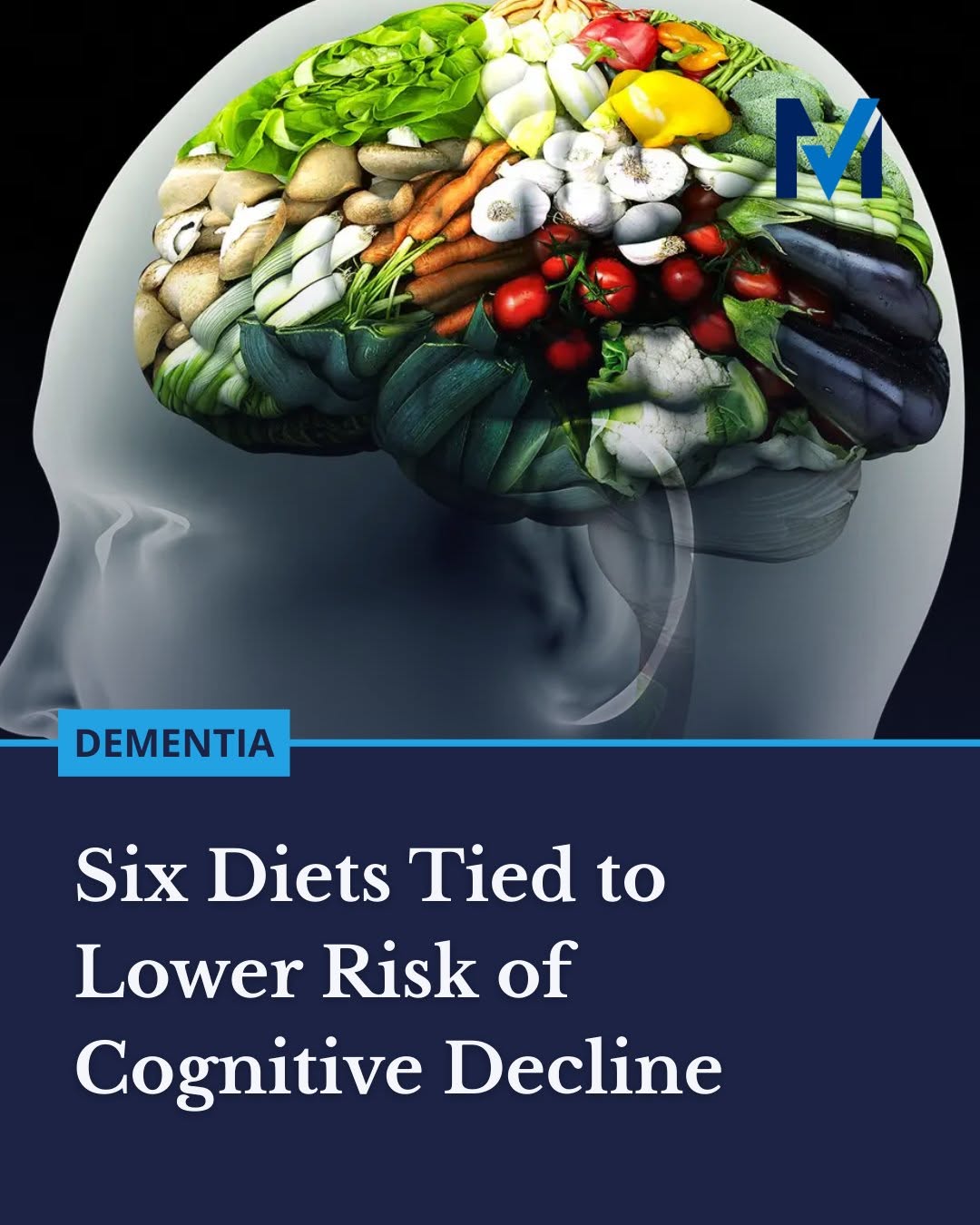
A prospective study of Nurses' Health Study and Health Professionals follow-up participants found six healthy eating patterns were tied to less cognitive decline, with DASH best, and plant-based and Mediterranean patterns also performing well.
Louis reports that Nurses' Health Study and Health Professionals Follow-up Study analysis found french fries raised diabetes risk over 30 years, apparently due to trans fats, while boiled or baked potatoes did not versus the standard diet. Versus whole grains, all white potatoes were linked to higher risk.
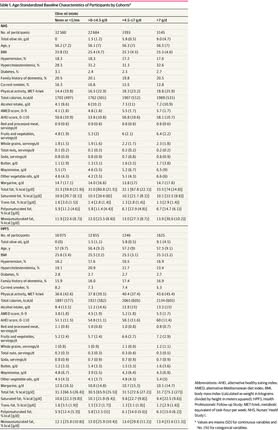
Louis cites a prospective cohort of 92,383 adults in the Nurses' Health Study and Health Professionals Follow-up Study. Consuming over 7 g/day of olive oil was associated with 28% lower risk of dementia-related death.
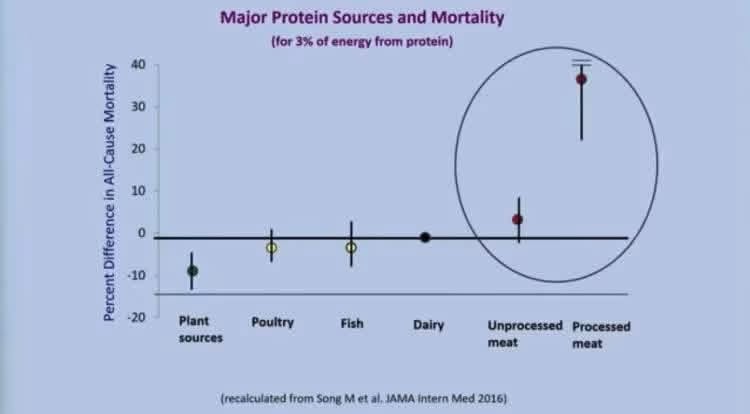
Louis summarizes 30-year follow-up in the Harvard Nurses' Health Study and Health Professionals Follow-up Study: whole-food plant protein is associated with better outcomes, especially for heart disease. The benefit depends on the animal protein type: plant protein is only slightly better than fish, poultry and fermented dairy but clearly better than red and processed meat.
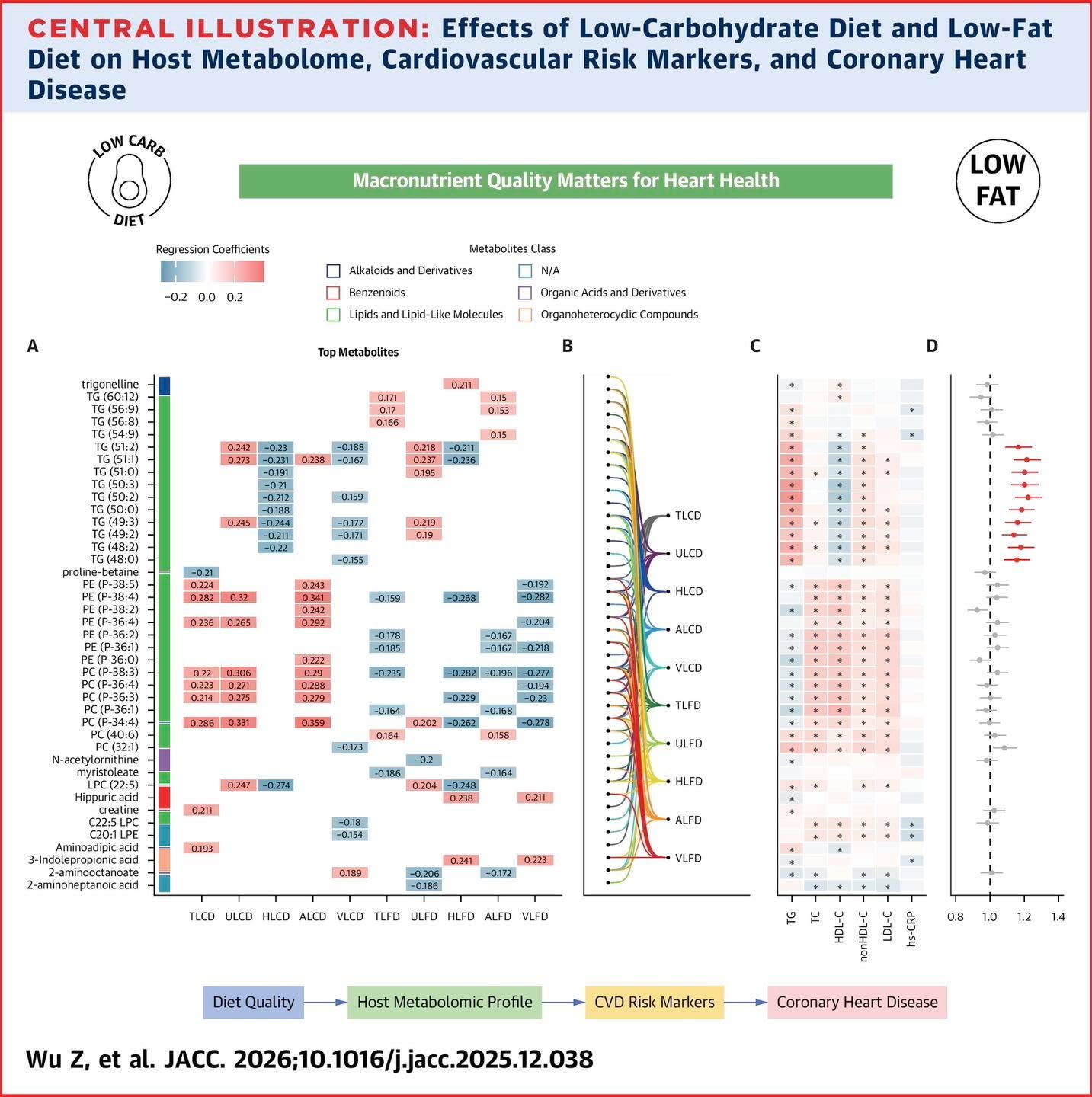
Karl Nadolsky summarizes a JACC analysis of about 200,000 US adults followed up to 30+ years in the Nurses' Health Studies and HPFS. Both low-carb and low-fat diets looked beneficial when plant-based or healthy, and worse when animal-based or processed.
Louis shares a clip of Walter Willett discussing what the Nurses' Health Studies and Health Professionals Follow-up Study show about pescatarian compared with vegetarian and vegan diets. The post gives no numbers.
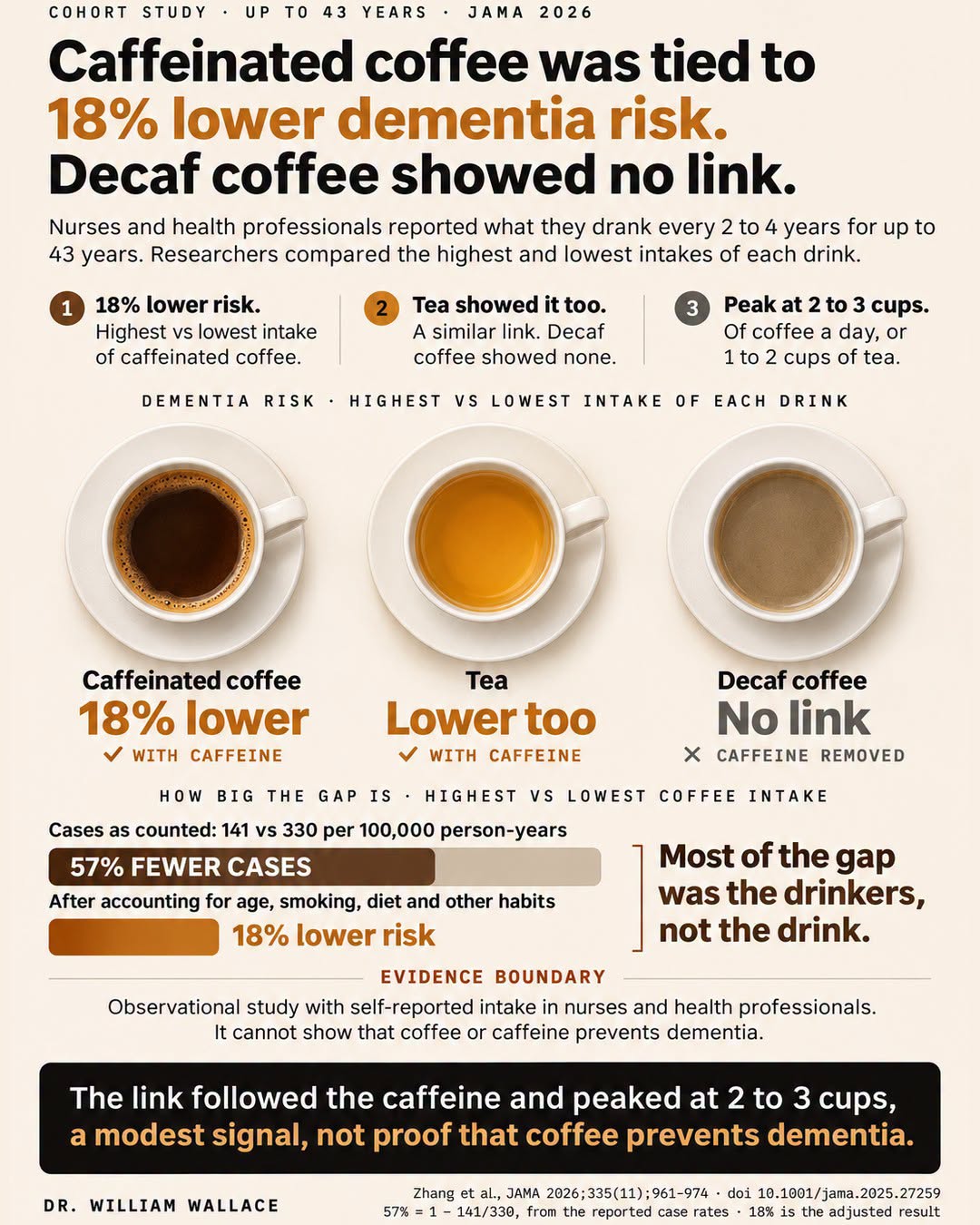
Shared summary of a JAMA cohort of 131,821 US nurses and health professionals followed up to 43 years. The highest caffeinated coffee group had 18% lower dementia risk after adjustment, decaf showed no link, and the lowest risk was at about 2-3 cups of coffee or 1-2 cups of tea. Observational, with large confounding (heavy drinkers smoked more).
Shared JAMA summary of the Harvard Nurses' Health Study and Health Professionals Follow-up Study. Moderate intake of caffeinated coffee or tea was associated with lower dementia risk and modestly better cognition, while decaf showed no benefit.
Shared summary of the JAMA cohort study following health professionals for an average of 37 years. Moderate caffeinated coffee or tea intake was linked to lower dementia risk and better cognitive performance, with no relationship for decaf.
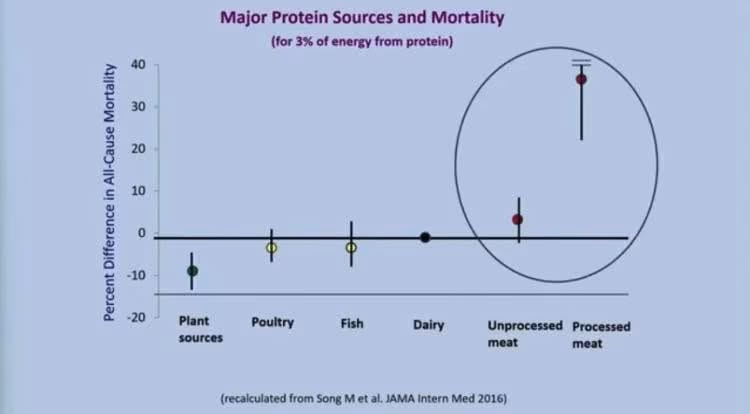
Louis reshares his summary of protein intake and mortality in nearly 300,000 people followed over 30 years in the Nurses' Health Studies and Health Professionals Follow-up Study. Plant protein was protective, fish and poultry slightly so, dairy and eggs neutral, while unprocessed red meat modestly and processed meat very strongly raised mortality.
Louis cites the Harvard Nurses' Health and Health Professionals cohorts behind Walter Willett's comments. Protein percentage of calories showed little relation to health outcomes across the studied range, but the source of protein did.
Louis explains that olive oil is the only fat tested in multiple large randomized outcome trials (CORDIOPREV, PREDIMED, Lyon). Lyon also tested canola oil with olive oil and saw the largest total mortality reduction in a cardiology prevention trial, and the Indo-Mediterranean study (about 1,000 people) tested soybean oil. Harvard cohorts link canola or soybean oil in place of butter to lower cancer, CV and total mortality.
Louis shares a JAMA podcast on a cohort study finding healthy versions of low-carb and low-fat diets give similar heart benefits, while highly processed versions carry higher risk.