AI summary & key facts
Links the new AHA risk calculator, which uses sex, age, BMI, blood pressure, cholesterol, smoking and diabetes to give 10- and 30-year risk. Louis warns it is for primary prevention only and will underestimate risk in people with prior events, significant atherosclerosis or high calcium scores.
- Ages 30-79, primary prevention
- 10-year and 30-year risk output
- Underestimates risk if prior MI/stroke, atherosclerosis or high CAC
The new AHA risk calculator referred to in the article below can be found here:
↪ AHA PREVENT calculator replaces Pooled Cohort Equations for ages 30-79
This works for estimating risk for primary prevention in people ages 30-79yo.
(Note: If you already had a heart attack or stroke or have significant atherosclerosis or a high calcium score then you fall under the category of secondary prevention. This calculator will underestimate your risk.)
#calculatorHD #ahaHD
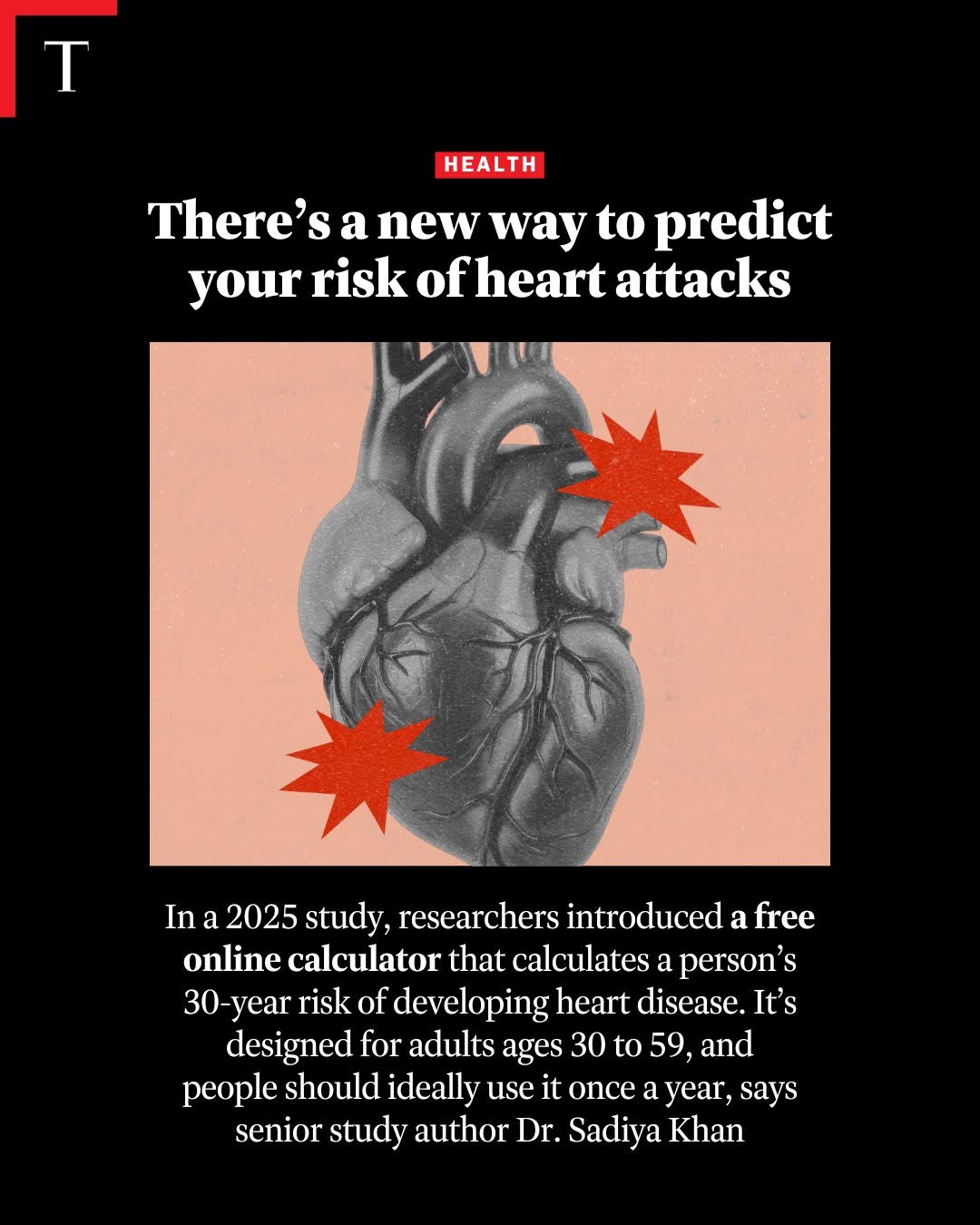
The calculator is straightforward, as long as you have key health metrics in hand. Users plug in data like sex, age, body mass index, blood pressure, cholesterol, smoking status, and diabetes history, and then—based on that snapshot of their current stats—they’re provided with both a 10-year and 30-year percentage risk for developing heart disease.
No single risk assessment will ever perfectly predict someone’s chance of having a heart event. “By necessity, there's no risk calculator that incorporates every relevant variable,” Dr. Matthew Tomey says.
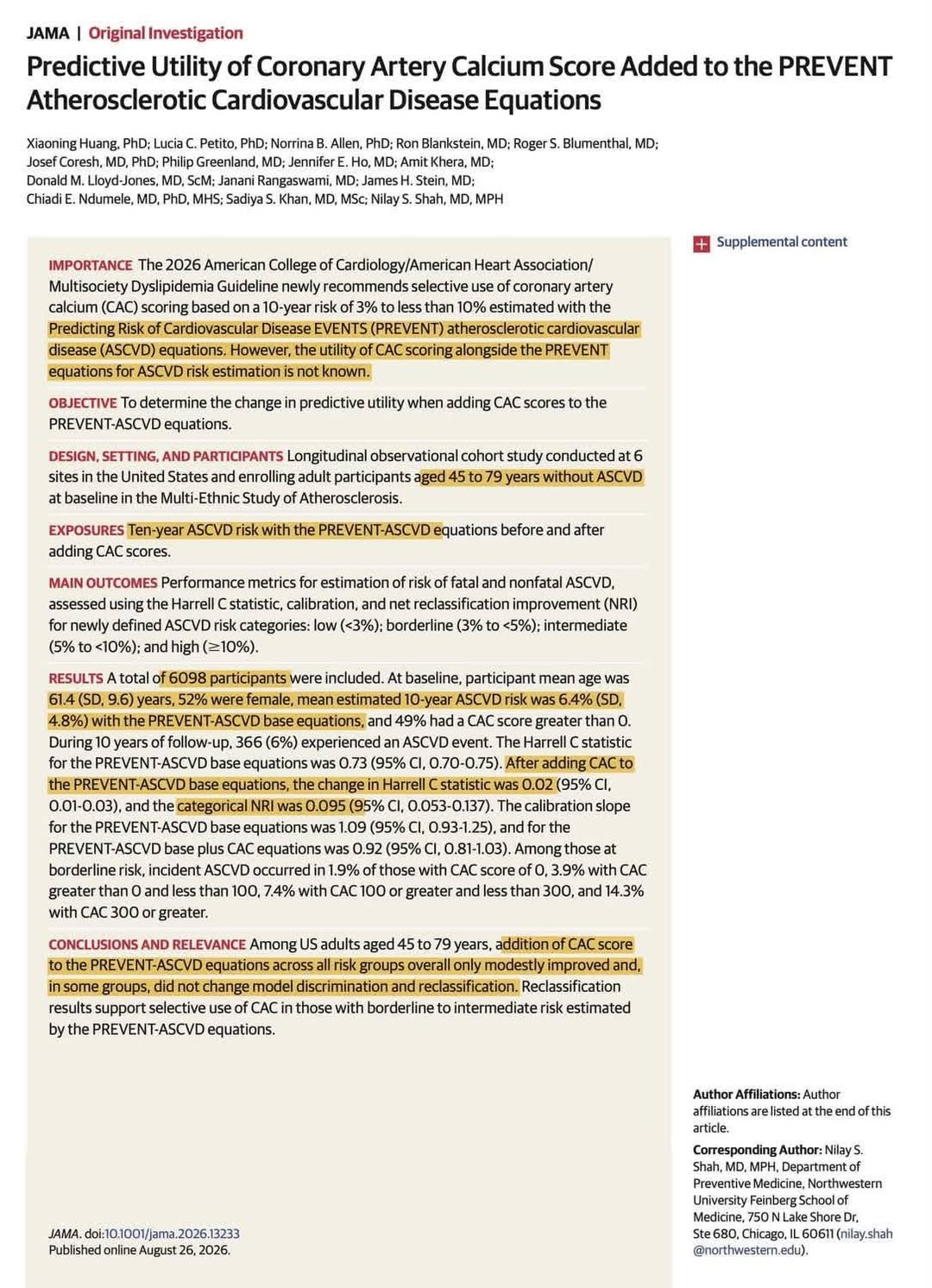
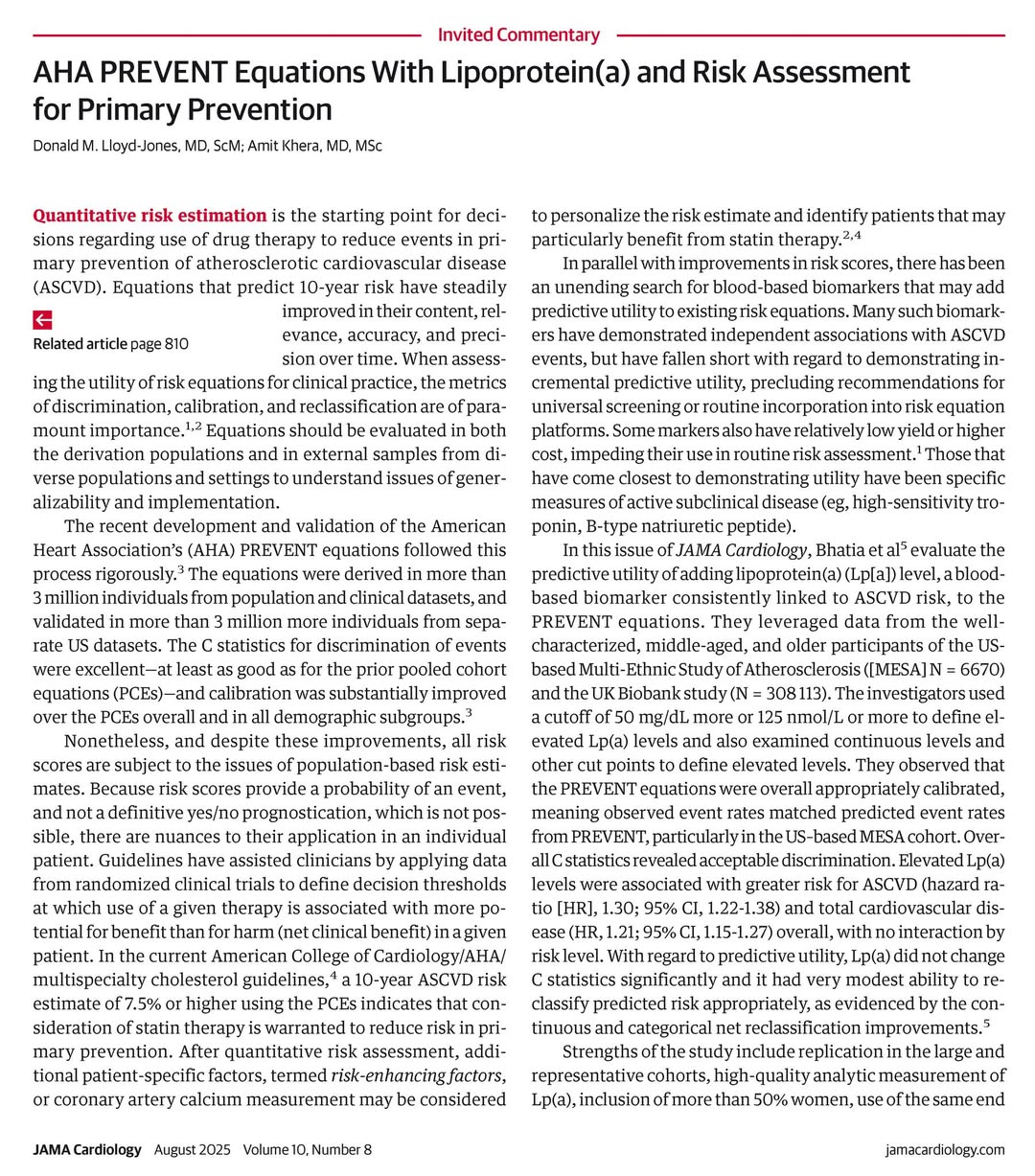
Other relevant factors, he says, include whether someone has calcification of a coronary artery or plaque in an artery; genetic risks; high levels of lipoprotein(a); and inflammation metrics, including C-reactive protein. It also doesn't account for most lifestyle factors, like exercise and sleep quality.
In practice, doctors rarely rely on a single test.
But many experts consider the new online calculator a promising addition to the repertoire of tools available to help prevent heart disease. It’s meant to inspire conversations with clinicians, not replace care—an important distinction, says Dr. Nishant Shah.
Read more on the calculator here:
 TIMEThe New Way to Predict Your Risk of a Heart AttackMany people have no idea what their risk is—until it's too late.time.com
Presented by NovartisUS