Vitamin D failed as a treatment for Covid in a large randomized trial at Harvard (VIVID), run from 2020 through 2022.
These results were just published.
However, there was a promising signal that vitamin D might have reduced the risk for developing long covid.
Quoted:
“Vitamin D has been hypothesized to boost immune health, but clinical evidence in the context of COVID-19 has been mixed. The Vitamin D for COVID-19 (VIVID) Trial aimed to provide clarity by rigorously evaluating high-dose vitamin D3 supplementation among newly diagnosed COVID-19 patients and their household contacts. Across the United States and Mongolia, 1,747 adults who had recently tested positive for COVID-19 and 277 household contacts were randomized to receive either daily vitamin D3 (9,600 IU/day for two days followed by 3,200 IU/day) or daily placebo for four weeks. The U.S. trial was conducted from December 2020 to September 2022 while the Mongolia trial ran from September 2021 to April 2022. The median time between the participants' positive COVID-19 tests and the initiation of vitamin D supplementation or placebo was three days.”
“The rate of healthcare utilization (including hospitalizations, in-person or virtual clinic visits, and emergency visits) or death did not differ between the vitamin D and placebo groups over a four-week period. Similarly, no significant differences were found in symptom severity. Taking high-dose vitamin D also didn't reduce the rate at which household contacts contracted COVID-19.
However, an analysis of the participants who adhered to the vitamin D regimen demonstrated a signal that they were less likely to experience long COVID symptoms at eight weeks than those who took placebo pills. In the vitamin D group, 21% reported at least one persistent symptom, compared to 25% in the placebo group, a difference of borderline statistical significance.”
"Long COVID, which can include symptoms of fatigue, shortness of breath, brain fog, other cognitive challenges and more, continues to significantly impact people's lives," said Manson. "We hope to conduct further research in larger populations on whether long-term vitamin D supplementation reduces the risks and severity of long COVID."
My note:
When interpreting this trial, it is important to take into account the fact that vitamin D supplements were started 3 days AFTER the patients tested positive for Covid. It takes the liver up to a week to convert vitamin D3 in supplement form into the active 25-hydroxy-vitaminD (25-OH-D) form actually used by the human body. This lag time may have been a factor in this trial. These results might have been better if the patients were instead given 25-hydroxy-vitaminD directly— as the drug calcifediol, for example— which raises blood levels of 25-OH-D in only a few hours.
The promising signal for long covid in this trial is consistent with the results of the older VITAL trial at Harvard, which showed that vitamin D reduces the risk of developing autoimmune diseases (such as MS). Long covid is known to have an autoimmune component. See this previous post: ↪ VITAL: vitamin D 2000 IU for over 2 years cut autoimmune disease risk about 40%.
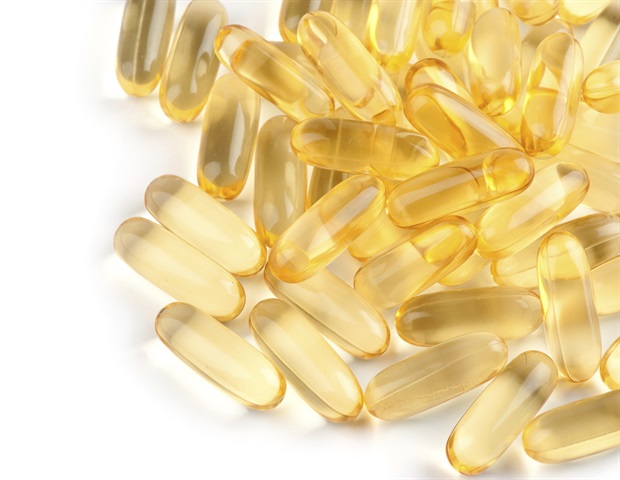 News-MedicalHigh-dose vitamin D3 does not reduce COVID-19 severity, but may impact long COVID outcomesIn a large, randomized trial, researchers at Mass General Brigham have found that high-dose vitamin D3 did not reduce COVID-19 infection severity, but may impact long COVID outcomes.news-medical.net
#vitamindHD #covidHD #longcovidHD #vividHD #harvardHD #joannemansonHD #calcifediolHD #25ohdHDo