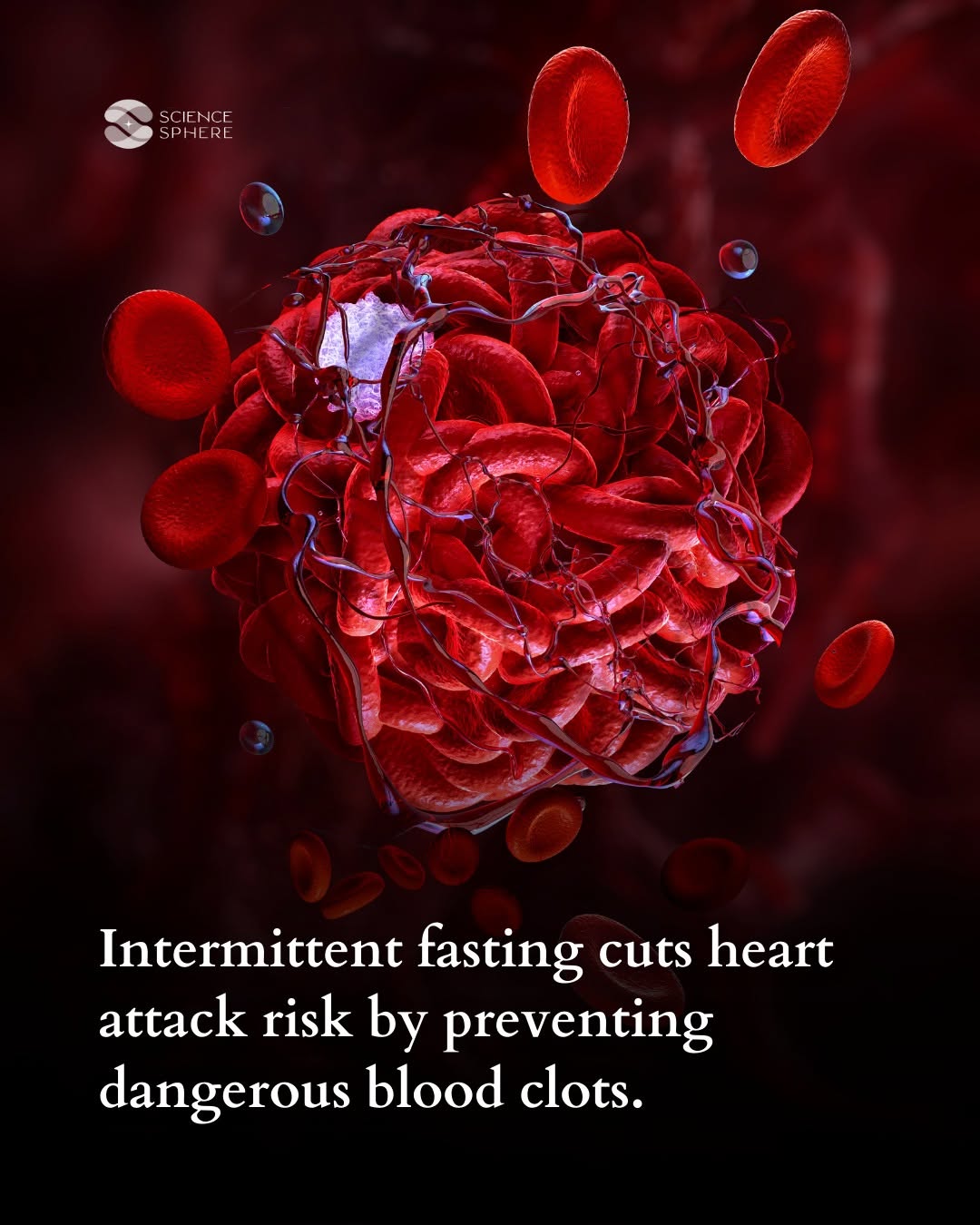
A recent systematic review and meta-analysis of studies confirms that people with Long Covid (post-Covid) do in fact have an increased risk of thrombosis and blood clotting.
This puts them at increased risk for heart attacks, strokes, DVT, and pulmonary embolism.
#covidHD #longcovidHD #thrombosisHD #bloodclotsHD
The study is a systematic review and meta-analysis that investigated whether people with post-COVID (long COVID) have an increased risk of developing blood clots. The researchers reviewed 1,617 scientific publications. After careful screening, 20 studies were included in the systematic review, and 5 of these contained sufficient data for the meta-analysis.
The results suggest that people with post-COVID appear to have an increased risk of both venous and arterial blood clots. This includes deep vein thrombosis, pulmonary embolism, ischemic stroke, and heart attack. The increased risk may persist or emerge weeks to months after the initial COVID-19 infection.
The researchers believe that this elevated risk is likely related to persistent inflammation, damage to the lining of blood vessels, abnormalities in the blood-clotting system, and ongoing immune system activation after the infection. Together, these mechanisms may make blood clots more likely to form in some individuals.
At the same time, the authors emphasize that the current evidence is still limited. The included studies differed in their patient populations, definitions of post-COVID, and length of follow-up. Therefore, more large, high-quality studies are needed to better determine the true magnitude of the risk and identify which patients are at the greatest risk.
The researchers conclude that healthcare providers should remain alert for signs of blood clots in people with post-COVID, especially in those who have additional cardiovascular risk factors. Early recognition, follow-up, and individualized preventive measures may help reduce the risk of serious complications. However, the authors do not recommend that everyone with post-COVID should receive blood-thinning medication. Instead, such treatment decisions should be based on an individual assessment of each patient's risks and potential benefits.