(no text — see the shared post below)
People in the group are always asking about coconut oil.
Is coconut oil a safe fat to consume, if your goal is to prevent or treat heart disease?
This 11 minute video does a good job of walking through the scientific evidence.
The honest truth is that we just don’t know.
As explained in the video, there are very few LONG TERM studies on coconut oil and heart disease. It has not been in the food supply (in western countries) long enough to track in high-quality prospective cohort studies. So we have no idea how it truly affects risk of heart disease and other major diseases in the long term.
This is in contrast to other forms of fat, e.g. olive oil, where we DO have a large number of high-quality long term studies.
Claims that coconut oil prevents (or causes) various diseases are based on extrapolations from short term studies that look at biomarkers, as opposed to looking at hard outcomes like heart attacks, strokes, deaths, etc. This makes these claims very unreliable.
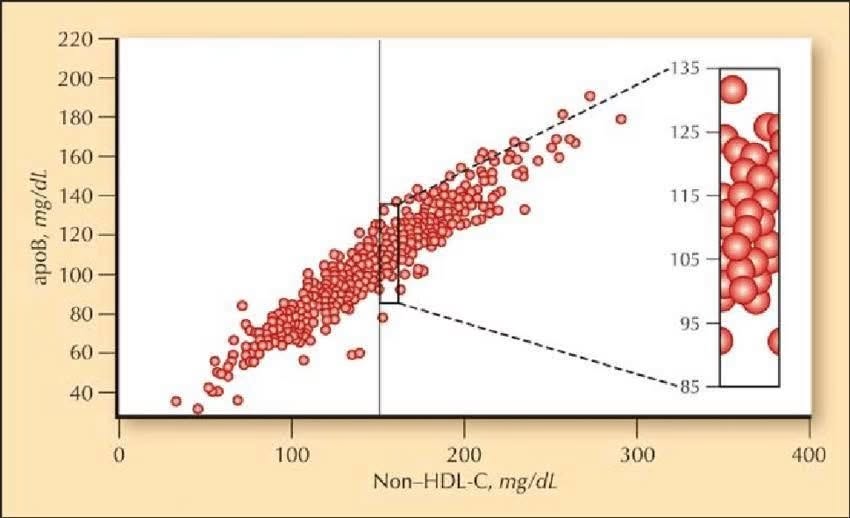
The obvious problem with coconut oil is that it raises both LDL and ApoB, since it is composed of around 80-90% saturated fat. The vast majority of the saturated fats in coconut oil are either the long-chain variety or lauric acid, which both raise LDL and ApoB. (Lauric acid is technically medium chain, but it behaves like long chain when it comes to lipids.)
Even though coconut oil does raise LDL, it does not raise it as much as butter:
↪ Coconut oil raises LDL, but less than butter
A minority of the saturated fats in coconut oil— a little over 10% — are of the medium chain variety (so-called MCT’s), not counting lauric acid. These do have some health benefits in short term studies, e.g. they may boost immune function and improve brain health.
These MCT’s by themselves do NOT raise LDL or ApoB (with the exception of lauric acid).
If you want the possible health benefits of MCT’s, it seems rational to simply consume MCT oil by itself (which usually does not contain lauric acid), instead of consuming coconut oil. This way, you get the possible benefits but avoid the increase in LDL and ApoB.
Coconut oil also raises HDL. Many forms of fat raise HDL, including unsaturated fats like olive oil. This is not specific just to coconut oil.
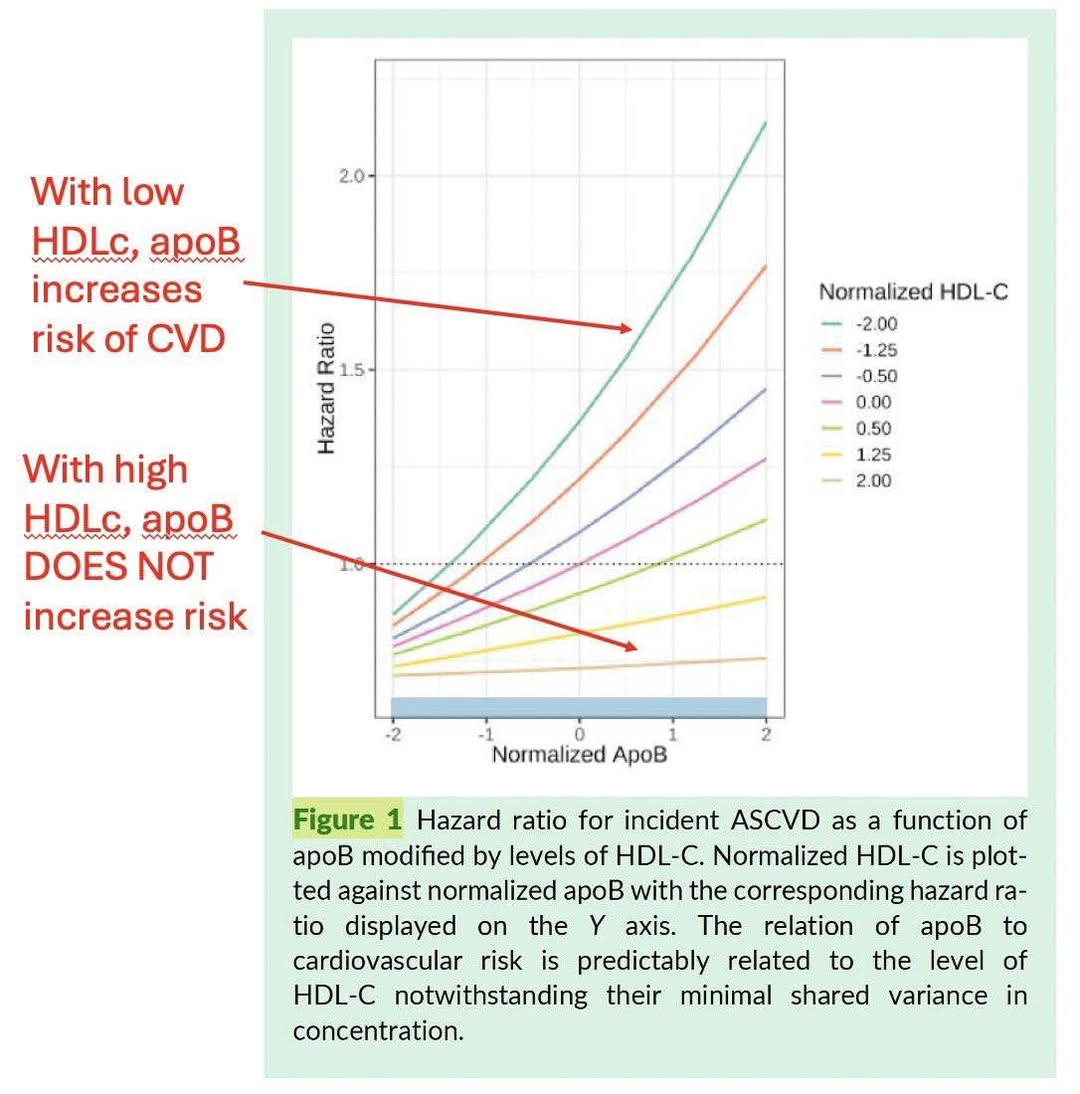
However, as we’ve talked about in the group many times (and as explained in the video), multiple large randomized trials have proven that HDL is NOT causal by itself in heart disease. HDL only appears to be a crude proxy for insulin resistance (which we do know is causal). In other words, the real benefit comes from avoiding insulin resistance, not from raising HDL per se. Multiple large trials have shown that raising HDL by itself— without improving insulin resistance— does nothing to reduce risk for heart attacks and strokes. See this post for more details:
↪ HDL and ApoA-I raising therapies repeatedly failed, so HDL is probably not directly causal
The boost in HDL that comes from coconut oil does NOT appear to be due to an improvement in insulin resistance. Therefore, it seems unlikely that raising HDL with coconut oil would have any kind of protective effect against CVD.
#coconutoilHD #coconutHD #mctoilHD #saturatedfatHD #ldlHD #apobHD #hdlHD