HD-OPM Archive
Hashtags

#hdl

26 posts

HDL and ApoA-I raising therapies repeatedly failed, so HDL is probably not directly causal

Mar 11, 2024 · Louis Nervegna ♥ 6 · 💬 9 ↩ 22 LDL, ApoB & lipid panel

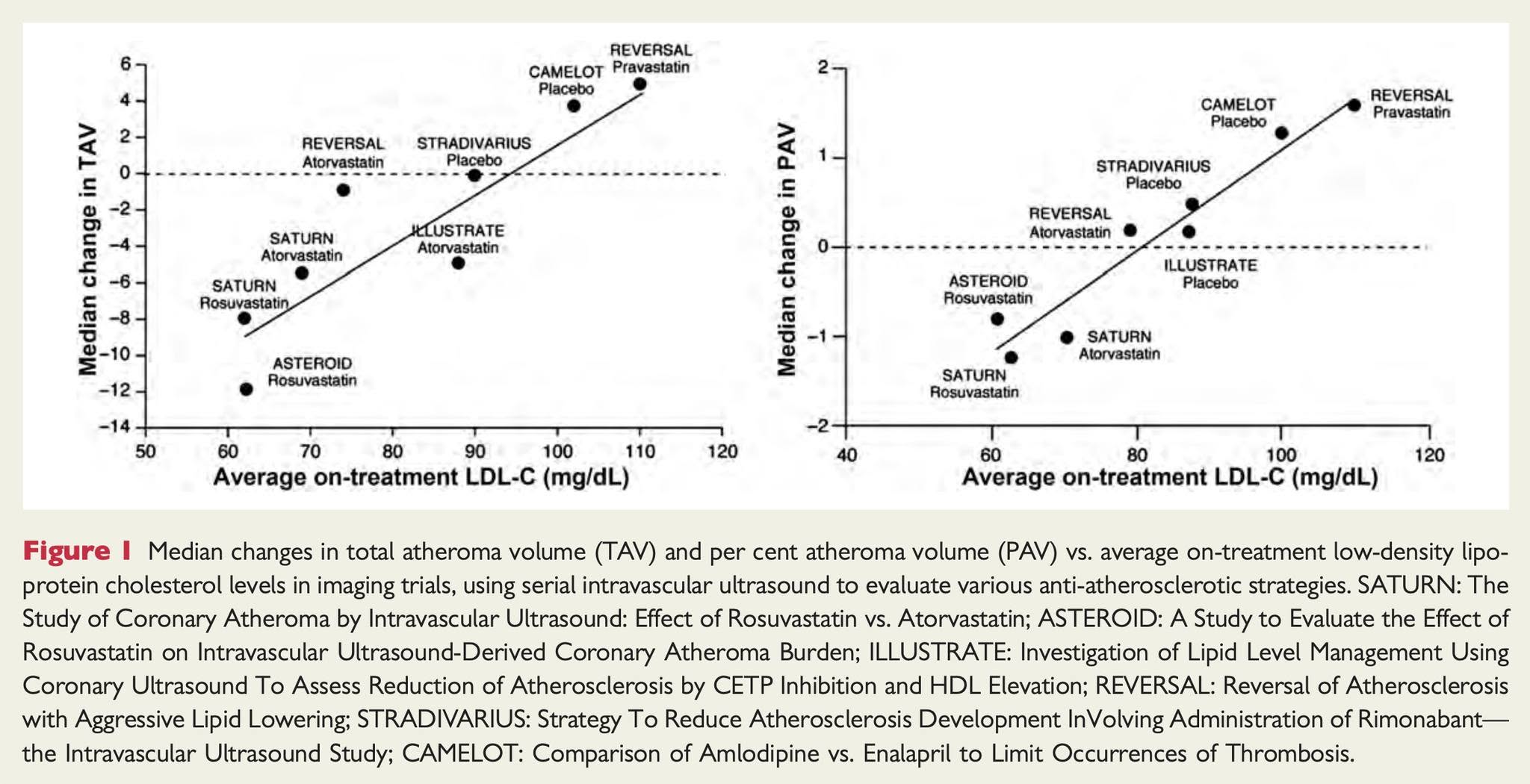
Louis reviews why HDL or ApoA-I is probably not causal for heart disease. CETP inhibitor trials failed (ILLUMINATE with torcetrapib was stopped for harm; dal-OUTCOMES with dalcetrapib and ACCELERATE with evacetrapib showed no benefit), as did fibrate and niacin trials and CSL112 infusions, and Mendelian randomization agrees. He proposes HDL and ApoA-I mainly act as a proxy for insulin sensitivity, which is the real causal factor.

Obicetrapib gets first approval worldwide in the EU, lowering LDL up to 40-50%

Sep 21, 2026 · Louis Nervegna ♥ 18 · 💬 5 PCSK9, ezetimibe & newer drugs

The European Commission approved obicetrapib, a low-dose oral CETP inhibitor, on 21 September 2026 in two versions: obicetrapib 10 mg alone and combined with ezetimibe 10 mg. Phase 3 trials reported LDL-C reductions of about 40% alone and about 50% with ezetimibe versus placebo. The poster says the drug has shown promise for both cardiovascular disease and Alzheimer's.

CSL112 ApoA-I infusion failed in phase 3 AEGIS-II, supporting HDL as marker not cause

Feb 13, 2024 · Louis Nervegna ♥ 8 · 💬 5 ↩ 14 LDL, ApoB & lipid panel

Louis argues the failure of AEGIS-II, in which patients received native ApoA-I (CSL112), shows ApoA-I is not directly causal in heart disease. Every large pharmaceutical trial raising HDL or ApoA-I has failed to prevent heart attacks and strokes. HDL and ApoA-I remain good risk markers, probably standing in for insulin resistance, so raising them by means other than improving insulin sensitivity may not lower risk.

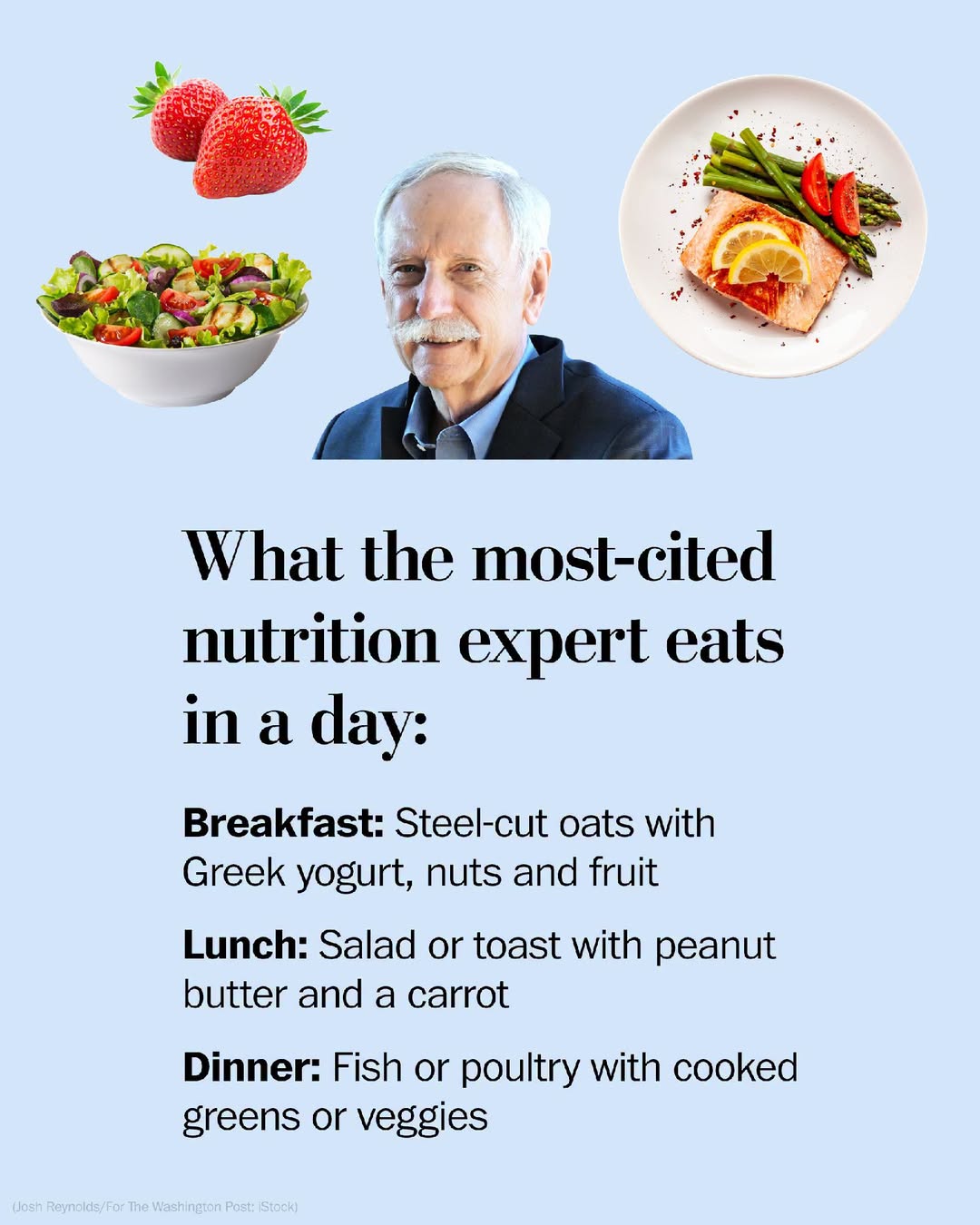
Walter Willett: unsaturated fats, Mediterranean eating and daily habits at 81

Oct 11, 2026 · Louis Nervegna ♥ 12 · 💬 4 Mediterranean, DASH, MIND & plant-forward diets

A Washington Post interview with Harvard nutrition researcher Walter Willett. He says his group's data showed total fat was irrelevant, trans fats were bad, saturated fat versus refined carbohydrate was only weakly related to heart disease, and unsaturated fats were linked to lower heart disease and mortality. He also describes his own diet, including oats, nuts, blueberries and a plant-based lunch.

Coconut oil raises LDL and ApoB, long-term outcomes unknown; MCT oil is a cleaner option

Oct 16, 2025 · Louis Nervegna ♥ 13 · 💬 2 Fats & oils (saturated fat, seed oils, omega-6, olive oil)

Louis summarizes a Nutrition Made Simple video: there are few long-term studies of coconut oil and heart disease, so claims rely on short-term biomarker studies. Because it is 80-90% saturated fat it raises LDL and ApoB (though less than butter); its HDL rise is unlikely protective, and he suggests plain MCT oil if one wants MCT benefits.

High HDL tracks with lower risk in UK Biobank, but HDL-raising drugs have failed

Oct 28, 2026 · Louis Nervegna ♥ 7 · 💬 3 ↩ 1 LDL, ApoB & lipid panel

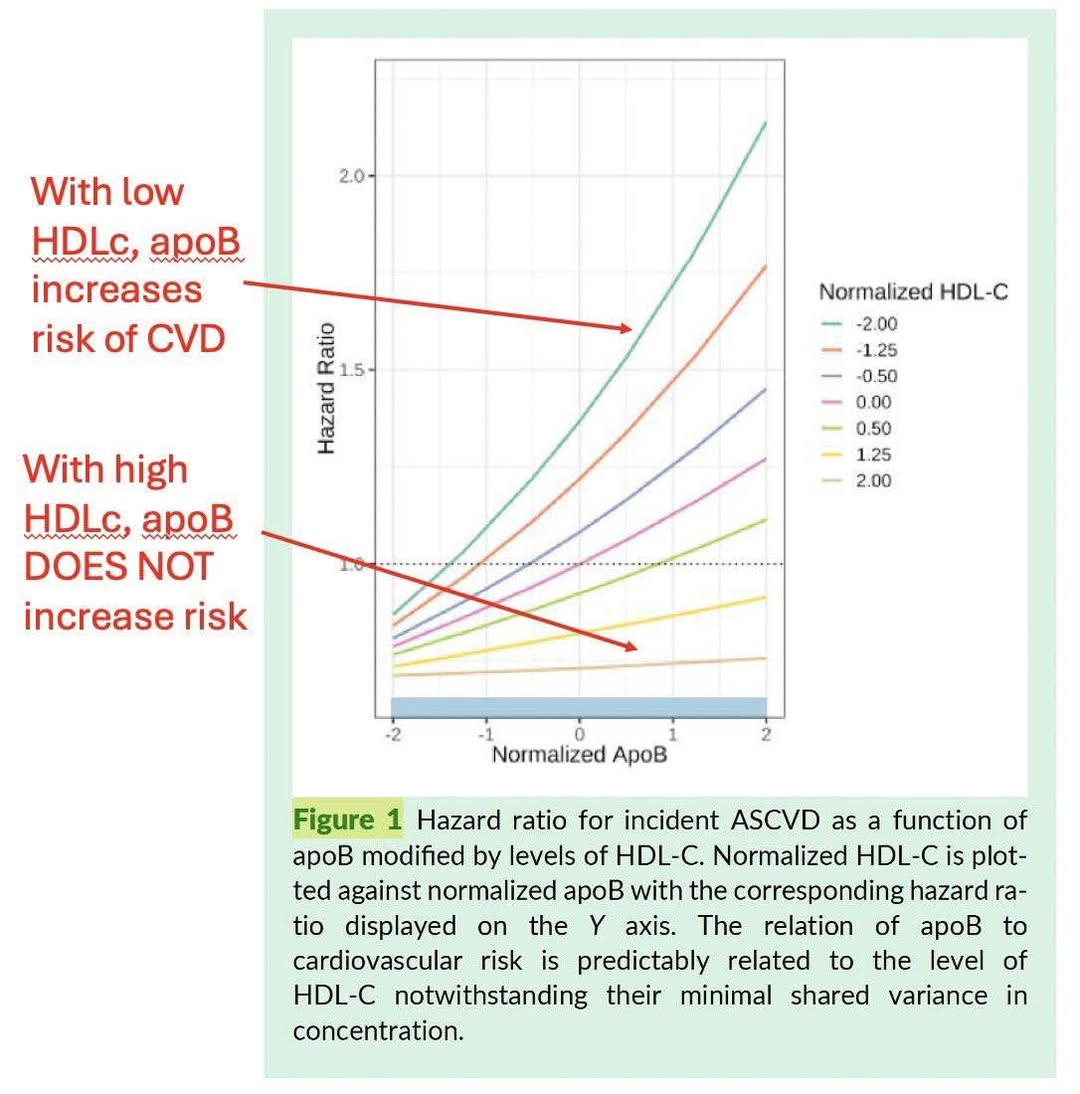
Louis explains that a viral UK Biobank graph shows higher HDL linked to lower ASCVD risk at any LDL/ApoB, as dozens of earlier observational studies have, though the effect size here is larger. Every randomized HDL-raising drug trial failed on hard outcomes, and Mendelian randomization shows no lifetime benefit from genes raising HDL, so HDL is thought to be a proxy for insulin resistance, which is better measured directly.

Why insulin resistance lowers HDL, and why improving insulin sensitivity beats chasing HDL

Mar 21, 2024 · Louis Nervegna ♥ 5 ↩ 10 LDL, ApoB & lipid panel

Louis lists six mechanisms by which insulin resistance lowers HDL: impaired HDL maturation (lower LCAT), reduced apoA-I production, faster HDL catabolism (hepatic lipase, CETP), altered HDL composition and function, higher triglycerides making small dense HDL, and inflammation and oxidative stress. He concludes the best way to raise HDL is improving insulin sensitivity (lose visceral fat, exercise, cut refined starch and sugar), since insulin resistance is causal in heart disease while large RCTs suggest HDL itself is probably not.