A nice summary of the latest treatment guidelines from the AHA/ACC.
#guidelinesHD #ahaHD #accHD
If your practice still treats LDL as a number to lower with a statin and check the box, the 2026 ACC/AHA cholesterol guidelines just rewrote about half of that workflow. Most of the coverage has zeroed in on the new risk calculator. The full update is broader, and worth understanding before your next lipid clinic.
Seth J. Baum, MD, a Columbia-trained preventive cardiologist and chairman of the Family Heart Foundation, walked through the substance of the update.
The headline changes:
Explicit LDL targets are back. Highest-risk patients: under 55. Next tier: under 70. Others: under 100. This is a course correction from a decade focused mainly on statin initiation and percent reduction. It gives clinicians clearer decision points for when to intensify therapy.
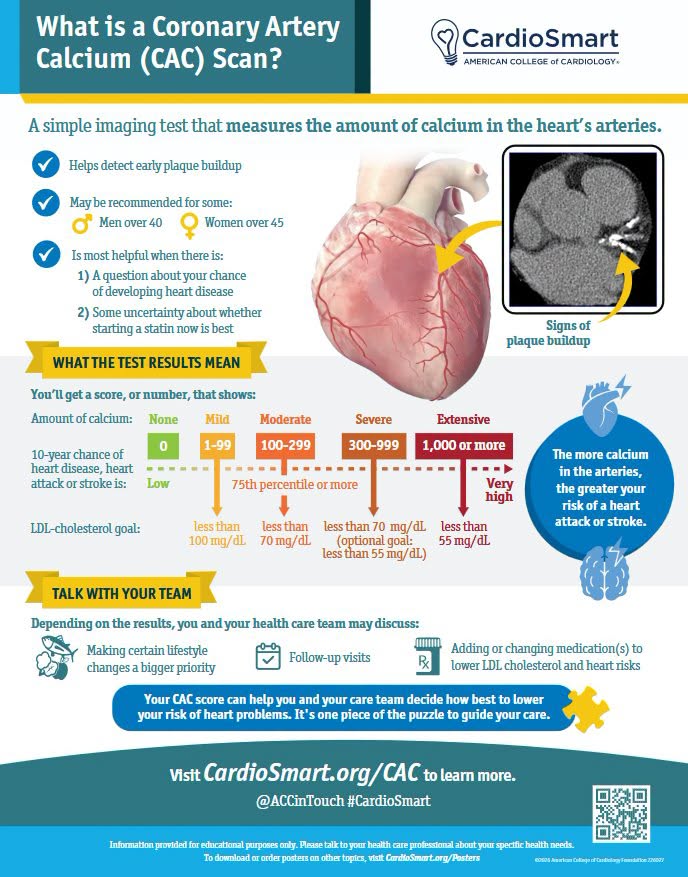
A coronary calcium score over 300 now formally triggers the highest-risk treatment category, with an LDL target under 55. Previously, coronary calcium was treated as a soft risk enhancer. The upgrade means a high calcium score is now weighted similarly to established coronary disease.
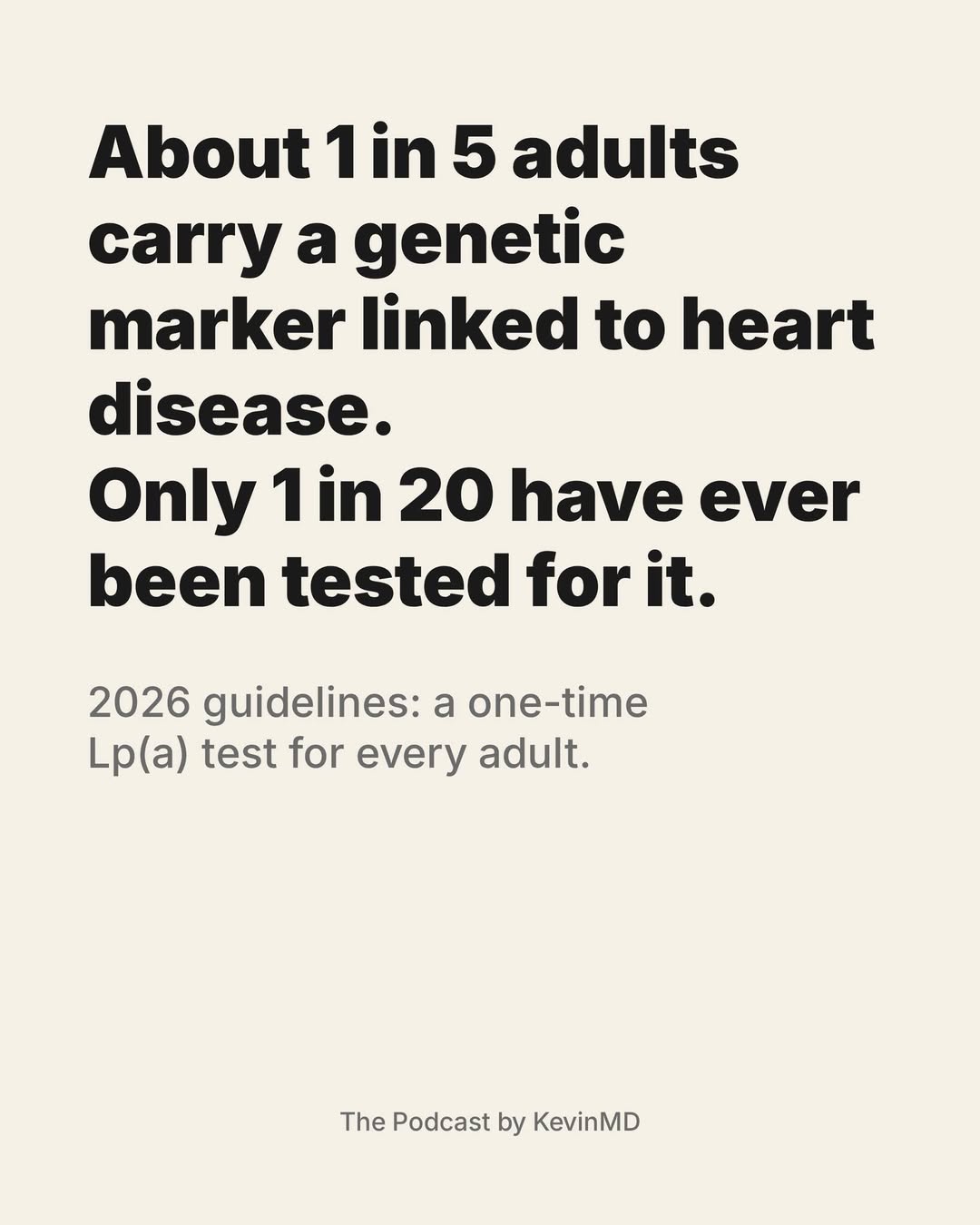
Universal Lp(a) screening is now recommended, aligning the US with Europe and Canada. About 5 percent of Americans have ever had Lp(a) measured. Roughly 20 percent of the population has a level that carries significant additional cardiovascular risk. Cascade screening of first-degree relatives is part of the recommendation.
The new PREVENT risk calculator replaces the pooled cohort equation. It is built on a larger, more contemporary, more diverse dataset. Baum notes that validation work has shown it can underestimate risk in certain populations, including men at younger ages, Black patients, patients on antihypertensive therapy, and some patients with diabetes. A guideline update is expected within a year.
ApoB is gaining recognition as a more accurate risk marker than LDL in patients where LDL falls faster than ApoB on therapy, particularly those with elevated triglycerides, low HDL, diabetes, or chronic kidney disease.
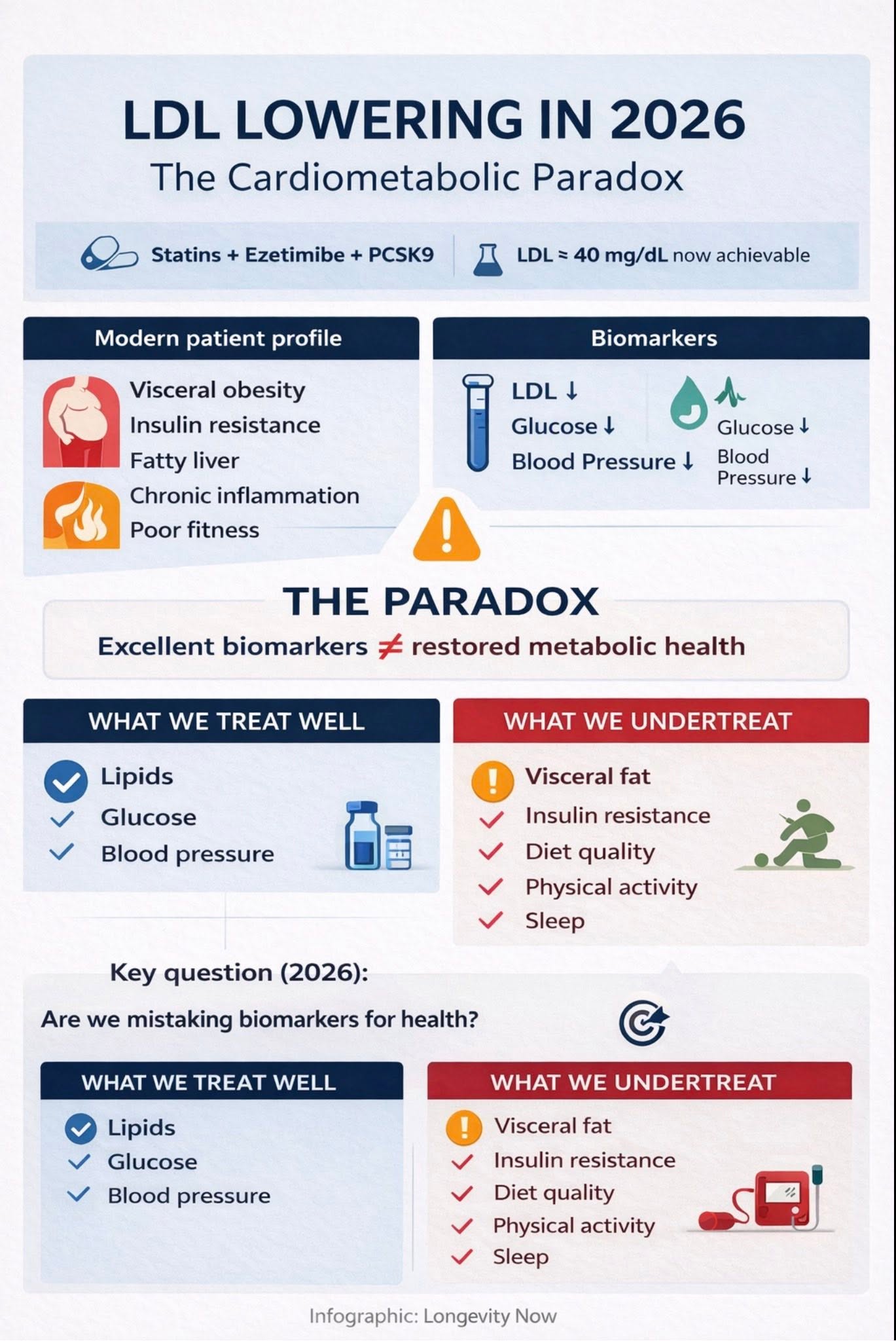
The therapy toolkit continues to expand: statins, ezetimibe, PCSK9 inhibitors (with some Lp(a) benefit), inclisiran (upgraded for severe hypercholesterolemia), and bempedoic acid. For patients who cannot tolerate or do not want a statin, there are more options than ever.
If you have colleagues in primary care, internal medicine, or general cardiology who have not had time to read through the new release yet, this conversation is a useful place for them to start.
Listen to the full conversation on The Podcast by KevinMD, sponsored by Novartis Pharmaceuticals Corporation. Link in the comments.
Of all the changes in the 2026 update, which one will most change how you practice?
#ThePodcastbyKevinMD #PreventiveCardiology #CholesterolGuidelines