What is the latest expert guidance on LDL levels?
Summary of targets:
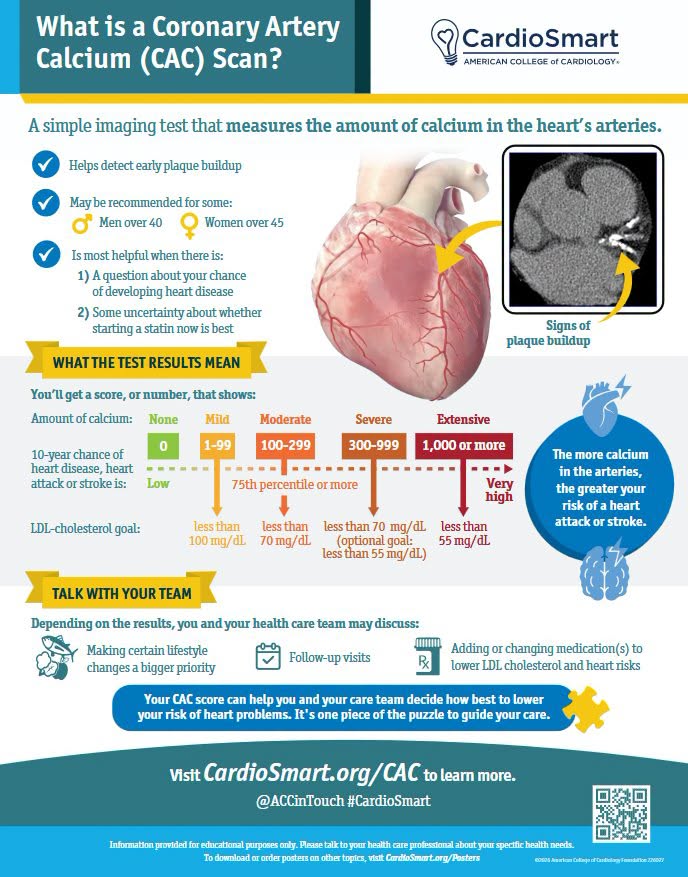
Very high risk < 55 mg/dL
High risk < 70 mg/dL
Moderate risk < 100 mg/dL
Low risk < 116 mg/dL
The latest LDL-C targets from the American Heart Association (AHA), the American College of Cardiology (ACC), and similar organizations worldwide, emphasize "lower is better" for reducing cardiovascular risk.
Generally, an LDL-C level of below 100 mg/dL is considered optimal for healthy adults.
However, individuals with higher risk factors, such as a history of heart attack, stroke, or other cardiovascular conditions, may have lower LDL-C targets, such as below 70 mg/dL.
Here's a more detailed breakdown of LDL-C targets based on risk levels:
Very High Risk:
This includes individuals with ASCVD (atherosclerotic cardiovascular disease), diabetes with multiple risk factors, or very high genetic risk. LDL-C targets are aggressively lowered, potentially to below 55 mg/dL, and in some cases even below 40 mg/dL for patients with recurrent ASCVD.
High Risk:
This category includes individuals with a history of heart attack or stroke, or those with other risk factors like diabetes, high blood pressure, or a family history of early cardiovascular disease. A target of below 70 mg/dL is often recommended for this group.
Moderate Risk:
For individuals with moderate risk factors or those at intermediate risk of ASCVD, a target of below 100 mg/dL may be considered.
Low Risk:
For individuals with low risk factors or those at low risk of ASCVD, a target of below 116 mg/dL may be considered.
Important Considerations:
The specific LDL-C target will vary depending on an individual's overall risk profile and other risk factors.
These targets are not hard and fast rules, and individual treatment decisions should be made in consultation with a healthcare provider.
Lifestyle modifications, such as diet and exercise, are important for managing LDL-C levels, and medication may be necessary to achieve target goals.