There is no long-lived population on earth that ate a diet devoid of carbohydrate.
There is no credible evidence that any such long-lived population exists or ever existed. The few documented cases where diets devoid of carbohydrate did naturally occur, e.g. certain Eskimo populations, did not result in particularly long lifespans.
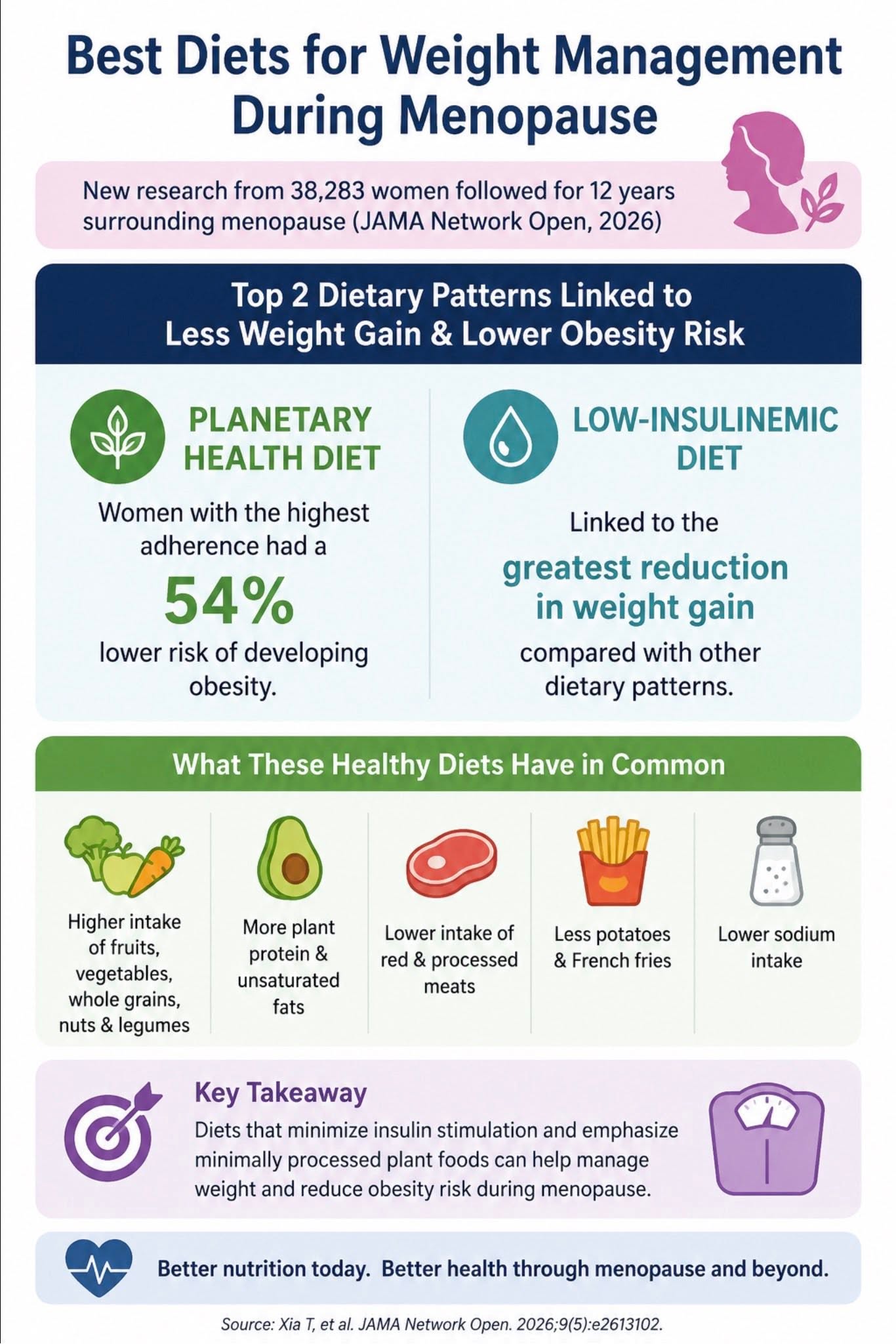
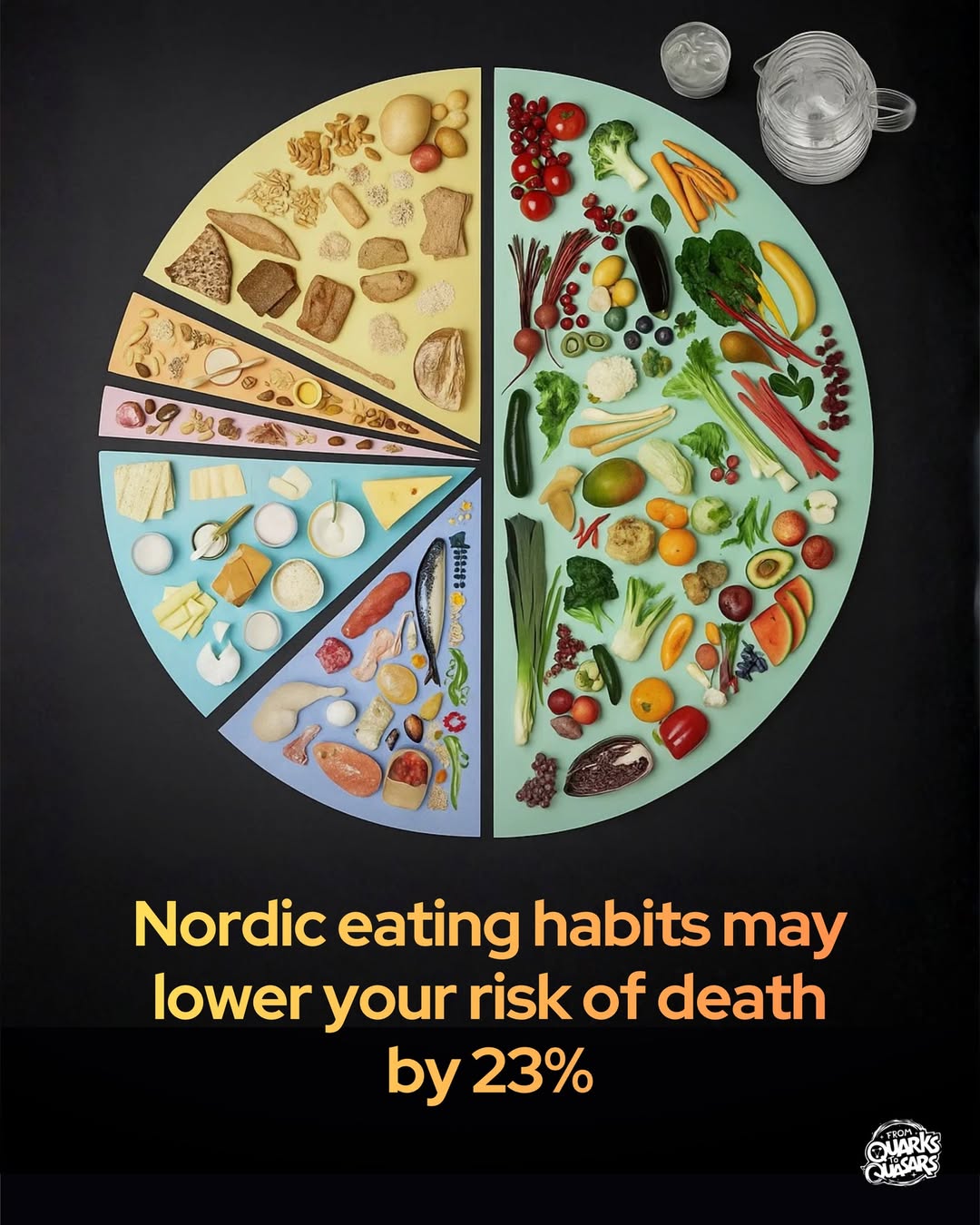
When you look at long-lived populations where significant numbers of people made it to 90 or 100, they all include some combination of carbohydrate from vegetables, fruits, legumes, nuts, seeds, whole grains, fermented dairy, etc. The particular amount of carbohydrate from each of these food groups varies from one long-lived population to another, but they all include SOME.
The outspoken people on social media who are telling you to remove every single scrap of these “healthy carbohydrates” from your diet are turning you into human guinea pigs.
There might be short term benefits to doing this, e.g. with regards to weight loss or treating certain health conditions. (Epilepsy is the classic example.) These possible benefits deserve to be studied. But we have absolutely no idea at all what the long-term consequences are of doing this for a large part of your healthy adult life, especially as it relates to heart disease. It is all speculation and guesses at this point. Betting your entire life on this is a scary proposition.
If you do follow a low carb diet, it is wise to still include some low GI carbohydrate from non-starchy vegetables, legumes, and low-sugar fruits like berries, as well as the little bit of carbohydrate that you get in nuts, seeds, and fermented dairy. These “healthy carbohydrate” foods can all be compatible with a low carb diet, and they will probably make you live a lot longer, compared to totally excluding them.
—————-
Fact checking this text with Gemini Al:
(I encourage everyone to do this to help ensure the accuracy of posts and comments in the group. You can learn how to do this here: ↪ How to fact-check posts and comments with Google Gemini.)
Prompt: Please critique and fact-check this text for scientific accuracy. Do not include tables in your response.
Response:
Overall, this text is scientifically accurate and aligns closely with the current consensus in nutritional science and epidemiology. It correctly distinguishes between short-term clinical interventions and long-term population data, and its warnings about the lack of multigenerational data on zero-carbohydrate diets are entirely valid.
Here is a detailed, section-by-section breakdown and fact-check of the claims made in the text.
- Traditional Diets and Longevity
Claim: There is no long-lived population on earth that ate a diet devoid of carbohydrate... The few documented cases where diets devoid of carbohydrate did naturally occur, e.g. certain Eskimo populations, did not result in particularly long lifespans.
Fact-Check: Accurate
The Inuit/Eskimo Paradox: Traditional Inuit diets were exceptionally high in fat and protein and very low in carbohydrates. However, historical data does not support the idea that these populations experienced longevity. In fact, traditional Inuit faced significant health challenges, including high rates of hemorrhagic stroke and osteoporosis. Furthermore, genetic research has shown that Arctic populations evolved specific adaptations (such as mutations in the CPT1A gene) to process high-fat diets without falling into constant ketosis—meaning their historical diet cannot be seamlessly replicated by people of different genetic backgrounds.
Glycogen Consumption: Even "zero-carb" hunting societies didn't eat literally zero carbohydrates. They consumed raw meat, organs (like liver), and seafood, which contain animal starch called glycogen, alongside seasonal berries, kelp, and tundra vegetation.
- Long Lived Regions and Carbohydrate Consumption
Claim: When you look at long-lived populations where significant numbers of people made it to 90 or 100, they all include some combination of carbohydrate...
Fact-Check: Accurate
The Regions: The parts of the world with the highest concentrations of centenarians (e.g., Okinawa in Japan, Sardinia in Italy, Nicoya in Costa Rica, Ikaria in Greece, and Loma Linda in California) all consume diets where carbohydrates form the foundational backbone.
The Specific Foods: The text correctly identifies vegetables, fruits, legumes, nuts, seeds, and whole grains as staples of these regions. For instance, the traditional Okinawan diet derived upwards of 85% of its calories from carbohydrates, primarily from purple sweet potatoes. The Sardinian and Ikarian diets rely heavily on sourdough whole grains and wild greens.
- Short-Term vs. Long-Term Outcomes
Claim: There might be short term benefits to doing this, e.g. with regards to weight loss or treating certain health conditions. (Epilepsy is the classic example.)... But we have absolutely no idea at all what the long-term consequences are... especially as it relates to heart disease.
Fact-Check: Accurate and Nuanced
Epilepsy: The ketogenic diet was specifically developed in the 1920s as a clinical treatment for drug-resistant epilepsy in children, and it remains a highly effective, scientifically validated medical intervention.
Weight Loss & Metabolic Markers: Short-term trials show that very low-carbohydrate/ketogenic diets can lead to rapid weight loss, improved glycemic control, and reductions in triglycerides.
The Cardiovascular Risk: The text is right to highlight heart disease. While low-carb diets improve some markers, they often cause a sharp spike in LDL cholesterol (apolipoprotein B ) in a subset of the population (often called "lean mass hyper-responders"). Because elevated LDL-C is causally linked to atherosclerosis, scientists are deeply concerned about the decades-long cardiovascular impact of a sustained zero-carb diet. Truly long-term clinical data (spanning 30–50 years) on healthy adults eating zero carbohydrates simply does not exist.
- The Recommendation for Low-GI Carbohydrates
Claim: If you do follow a low carb diet, it is wise to still include some low GI carbohydrate from non-starchy vegetables, legumes, and low-sugar fruits like berries...
Fact-Check: Accurate
The Importance of the Microbiome: A completely zero-carbohydrate diet eliminates dietary fiber and prebiotic starches. The human gut microbiome requires these fibers to produce short-chain fatty acids (SCFAs) like butyrate, which maintain the gut barrier and reduce systemic inflammation.
Low-GI Flexibility: Non-starchy vegetables (like spinach, broccoli, and zucchini) and berries are packed with micronutrients and polyphenols while having a minimal glycemic impact. Incorporating these foods mitigates the primary risks of a low-carb diet (micronutrient deficiencies and gut dysbiosis) while allowing the individual to remain in a low-insulin or ketogenic state if desired.
Minor Areas for Nuance
While the text is excellent, a strict scientific critique notes two minor points:
"Devoid of Carbohydrate": As mentioned, no human diet is ever truly 100% devoid of carbohydrates unless it consists strictly of pure processed fat and isolated protein powder. Even a diet of pure ribeye steaks contains trace amounts of carbohydrates via glycogen.
Fermented Dairy: While a great addition to a healthy diet, fermented dairy is not a major staple in all long-lived populations (for example, it is virtually absent in traditional Okinawa due to high rates of lactose intolerance in East Asian populations), though it is highly prevalent in the Mediterranean regions where people lived long lives.