There is no question that exercise is good for you.
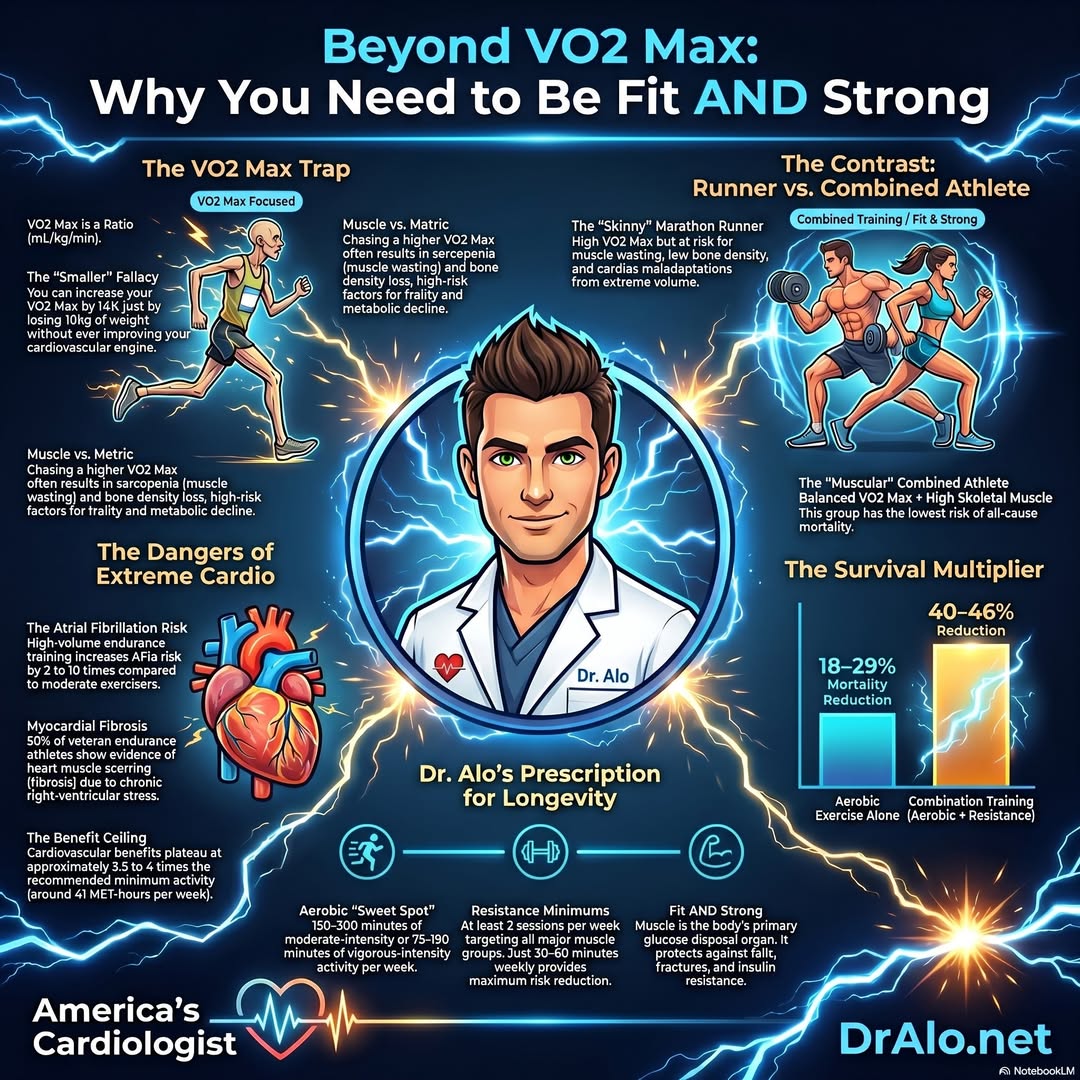
But more and more evidence is suggesting that extreme levels may accelerate development of both soft and hard plaque.
How this translates to actual events is still an open question. There does appear to be an overall mortality benefit to even extreme levels of exercise, so this is a complicated subject.
Both the American College of Cardiology (ACC) and the European Society of Cardiology (ESC) have issued new guidelines on this topic. You can read about them here: ↪ ACC/ESC consensus statement on abnormal cardiovascular findings in masters athletes.
The study that he is discussing in this video was also discussed in a previous post from a few months ago: ↪ Master@Heart: higher wearable-measured training load linked to more coronary plaque.
#exerciseHD #exercisedownsidesHD #cardioHD
Exercise is still good for your heart — but very high-volume endurance training may not be as simple as “more is always better.” 🫀
Lifelong endurance exercisers showed more arterial plaque than people who started exercising later and than lightly active controls.
The surprising part: these were active, apparently healthy people with no previous history of cardiovascular disease.
The concern was not just plaque itself.
They also had more non-calcified and mixed plaque, which are considered more concerning because they are more likely to rupture.
A follow-up study found that plaque tracked more with exercise duration than intensity.
So the issue does not appear to be hard exercise alone.
It appears to be high-volume endurance exercise performed over many years.
But more plaque does not automatically mean more cardiovascular death.
Some studies found more plaque in very fit people without clearly showing more cardiovascular mortality, but those studies focused on calcified plaque.
There is still no data if this translates to more cardiovascular events.
Main Points Summary
Exercise still appears beneficial overall. Light-to-moderate endurance exercise looks low risk and beneficial.
But very high lifelong training volumes, around 10 hours per week, may be associated with more arterial plaque and greater arterial narrowing.
Whether that leads to more heart attacks, strokes, or cardiovascular death is still unresolved.
References
[699]doi:10.1161/CIRCULATIONAHA.125.077117
[703] doi:10.1093/eurheartj/ehad152
[704] doi:10.1371/journal.pmed.1003487
[705] doi:10.1001/jamacardio.2018.4628