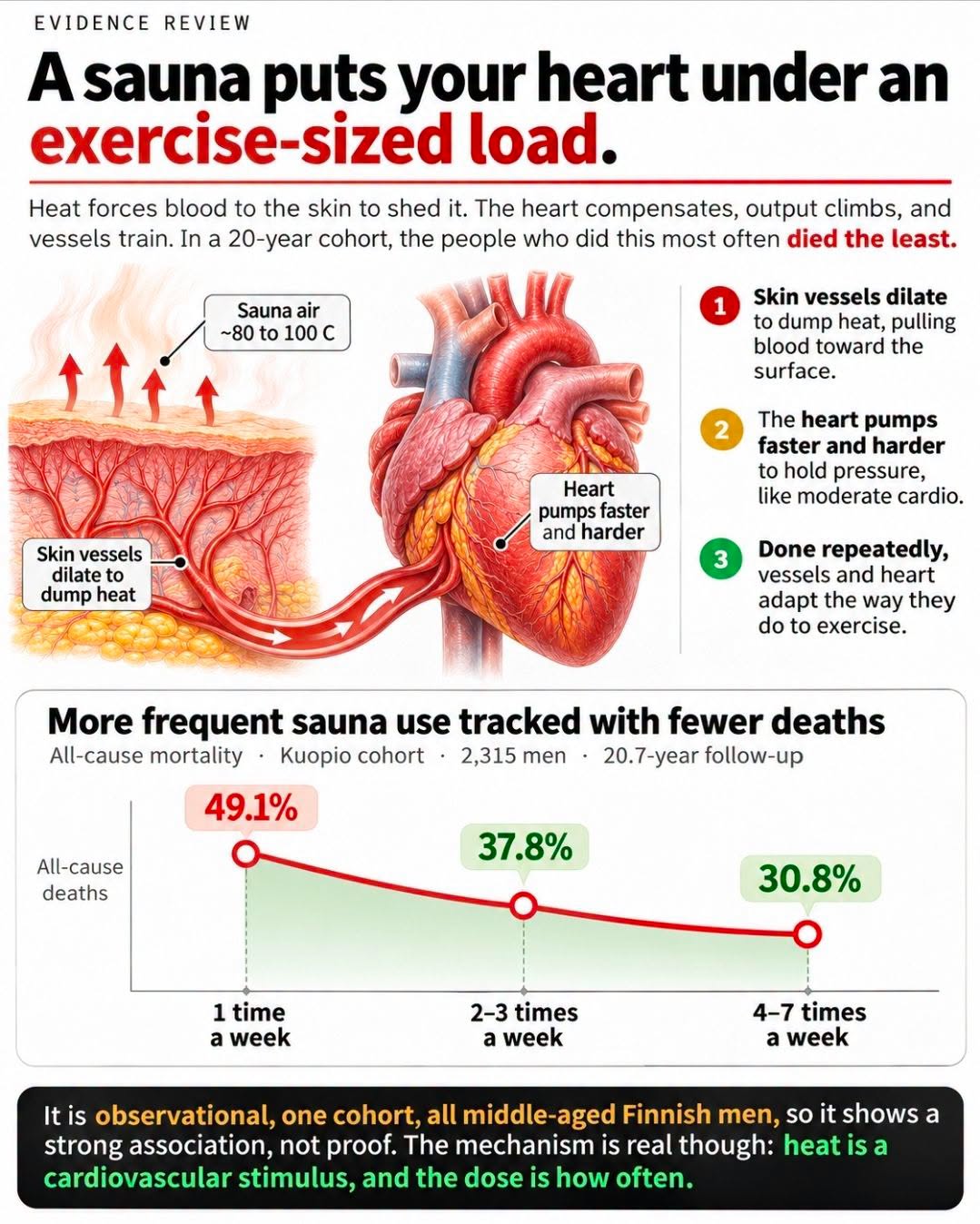
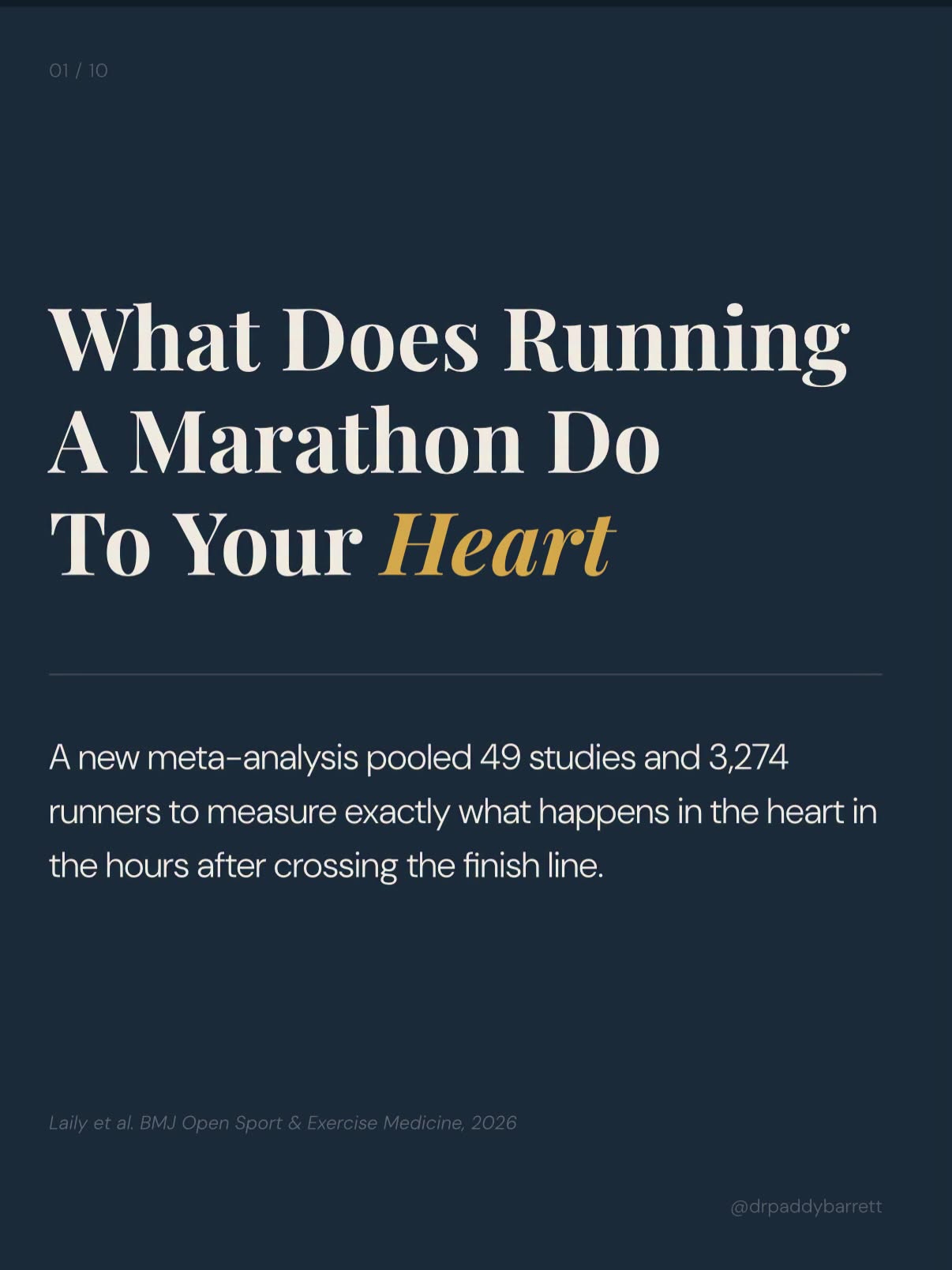
It’s time to start acknowledging the fact that intense exercise has risks, as well as benefits— just like any other intervention.
This is particularly true when high intensity is combined with high volume.
The case for this has been slowly building for years in the cardiology literature. The new study described in this video strengthens the case to the point that it is impossible to ignore anymore.
Reference:
Paper · Circulation · 2026Wearable-Derived Training Load and Coronary Atherosclerosis in Middle-Aged and Older Athletes and Physically Active Controls: A New Perspective From the Master@Heart StudyBACKGROUND: Middle-aged and older endurance athletes have increased prevalence of coronary artery disease (CAD) on coronary computed tomography angiography compared with healthy controls, despite similarly low cardiovascular risk. Previous studies relied on self-reported data to quantify training load (TL), which poorly correlates with objective wearable-derived TL and may bias outcomes. The effect of objective TL…ahajournals.orgWhile the net benefit of high intensity + high volume training seems to be positive for the average person, there are clear risks that might be serious for certain groups of people.
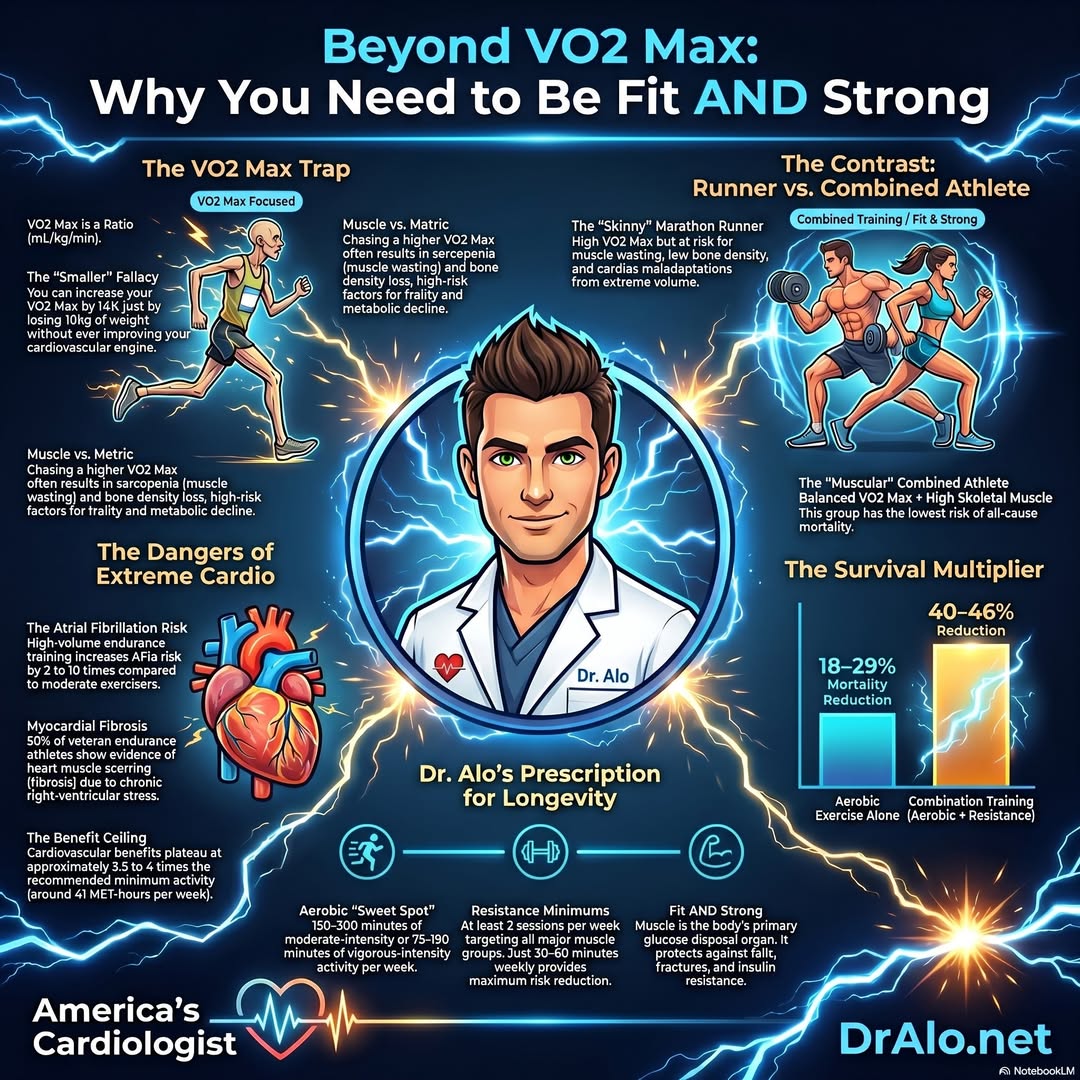
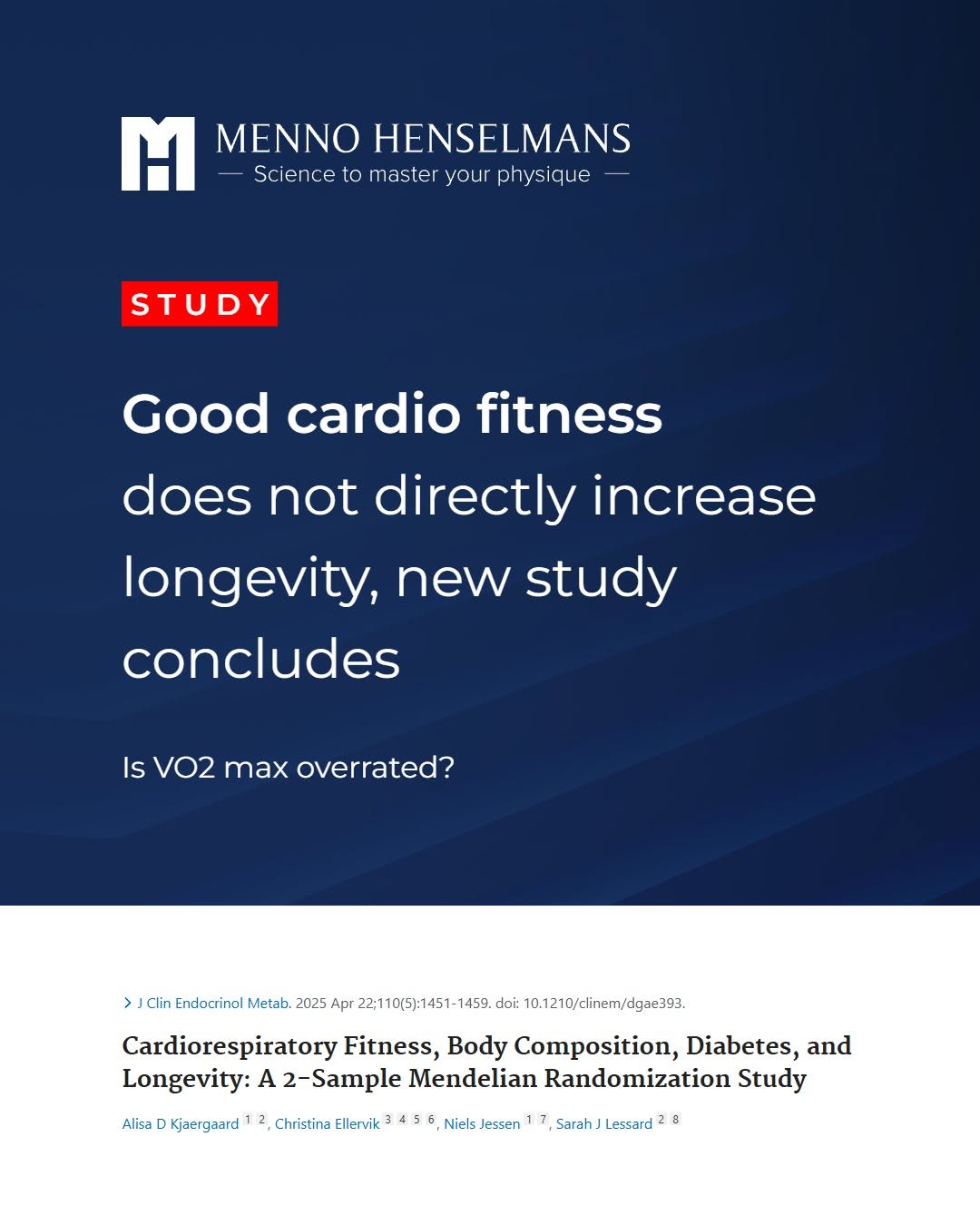
There is a lot of bad information on this subject from influencers (e.g. all the VO2-max nonsense). They make it seem like large amounts of high intensity exercise is a panacea. This is not what the cardiology literature actually shows. There is a benefit, but it likely comes with downsides when the volume is high.
Anyone interested in longevity should familiarize themselves with the cardiology literature on this subject, and consider the risk vs benefit analysis in their own particular situation. This video is a good starting point.
This is a complicated subject that I plan to discuss a lot more in the group.
Please note that we are mainly talking about extremes here, where intense exercise is performed in high volume. The typical person who exercises for general health does not need to be concerned about this. The problem in the vast majority of people is getting too little exercise.
(This video was posted earlier today in the group here: facebook.com/share/p/1FsFgSmFNF. I felt that the subject was important enough to repost it with additional commentary.)
 ▶