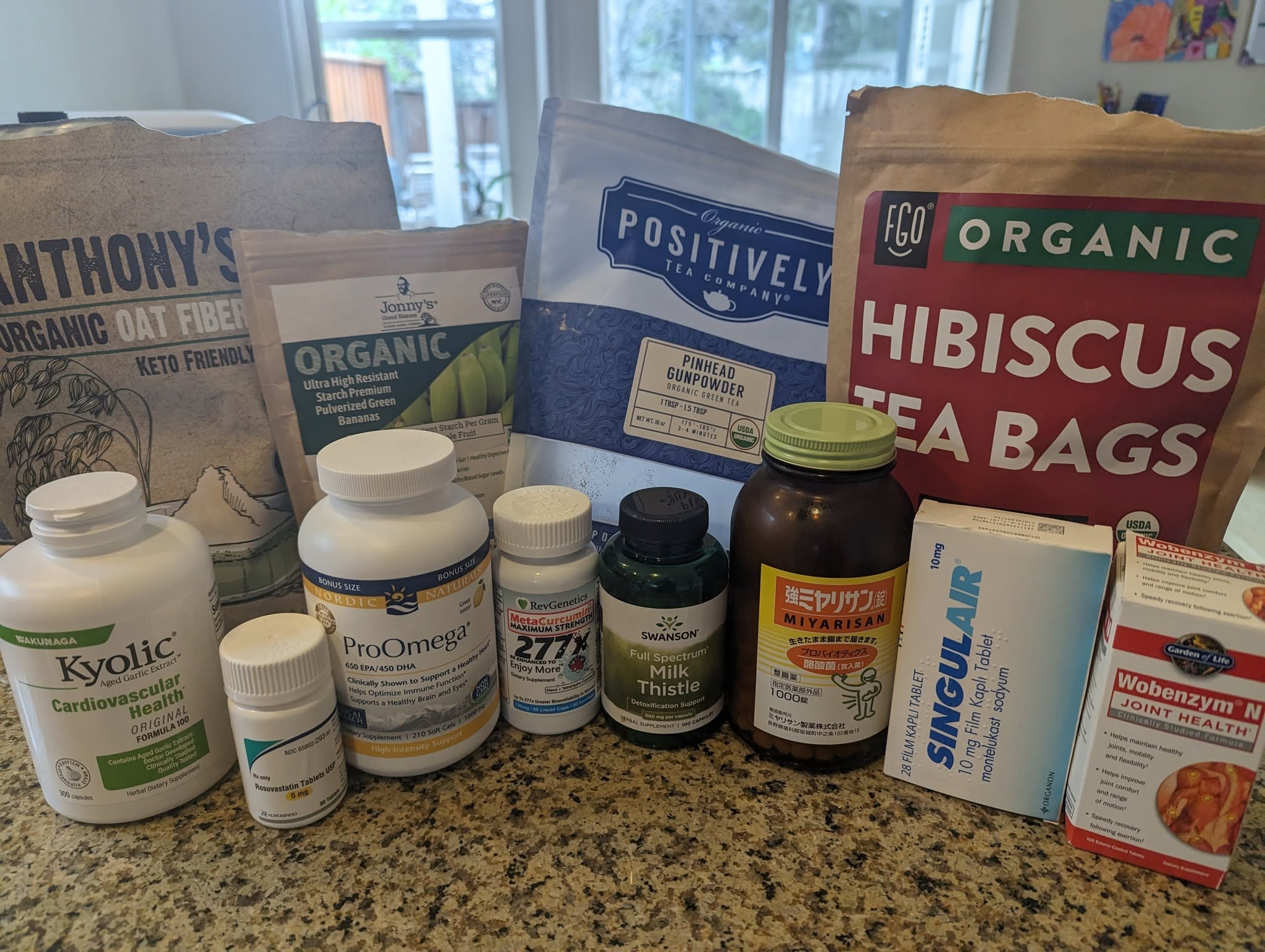
There really is decent evidence that curcumin lowers TNF-alpha in humans.
The clinical implications of this are still unclear.
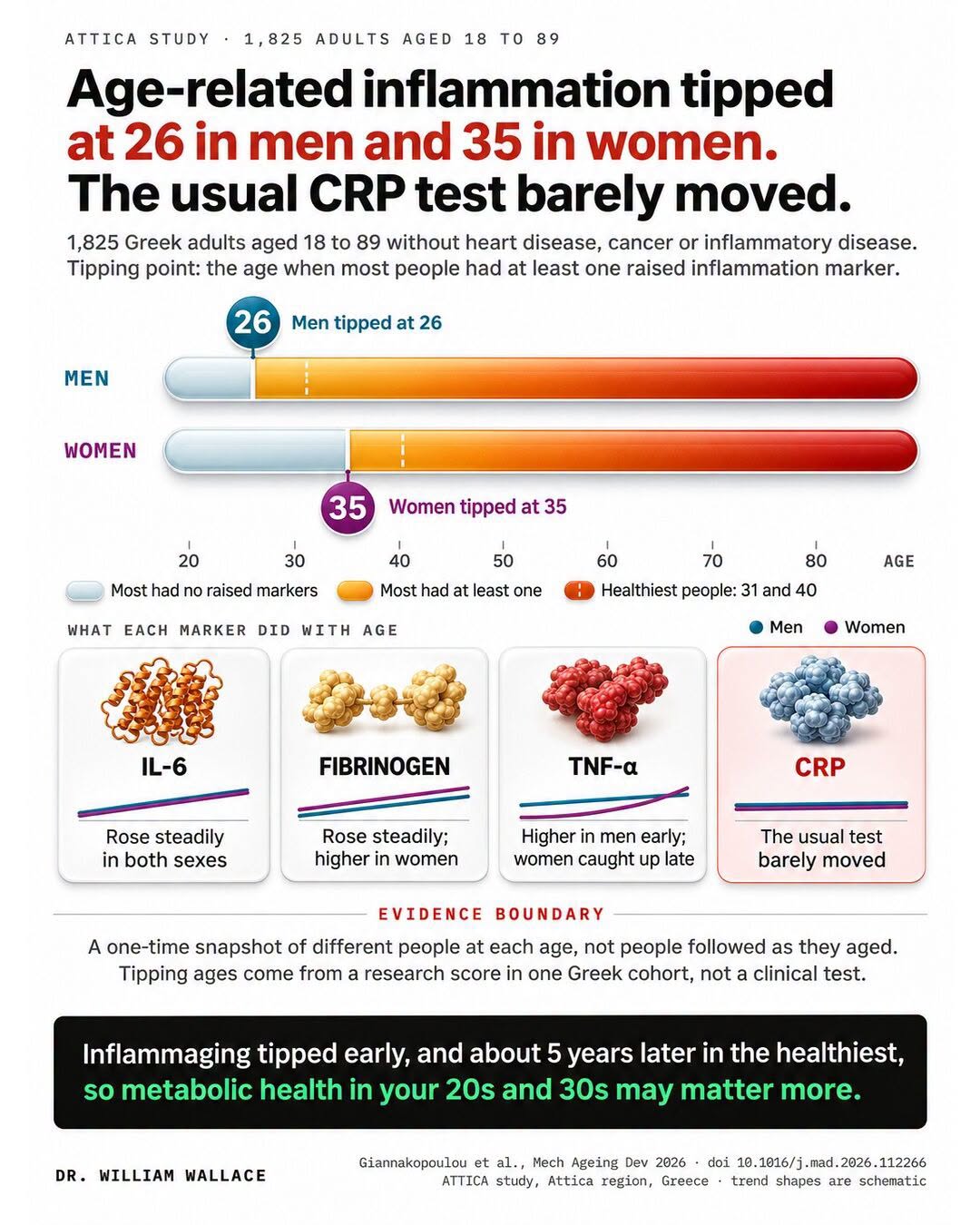
TNF-alpha is an inflammatory cytokine that may play a causal role in the pathogenesis of multiple chronic diseases, including heart disease and the aging process itself.
See this previous post on the topic of curcumin and inflammation: ↪ Scientific American: chronic low-grade inflammation and anti-inflammatory supplements.
As a side note, curcumin has shown very impressive results in decreasing liver fat in a small human randomized trial: ↪ Phytosomal curcumin 1000 mg/day for 8 weeks cut liver fat in an NAFLD randomized trial.
#curcuminHD #tnfalphaHD #inflammationHD #epigeneticclockHD
Curcumin may be one of the most powerful naturally occurring dietary compounds for lowering age-related inflammation
Human studies show it can significantly reduce TNF-alpha, a major inflammatory cytokine that helps drive epigenetic and biological aging
Because elevated TNF-alpha is linked to faster biological aging, lowering it may be one way curcumin supports healthier aging
The phytosomal form is preferred because standard curcumin is rapidly broken down by the liver, while phytosomal delivery makes it far more bioavailable
_
From FoundMyFitness Premium Member Q&A 83:
foundmyfitness.comQa dr rhonda patrickfoundmyfitness.com