Quoted:
It’s absolutely crystal clear that there are benefits of protein to muscle growth and exercise response of active individuals,” study author Dudley Lamming said in a statement. “But because most people are relatively sedentary, many people are likely consuming more protein than they actually need, which probably has negative health consequences.”
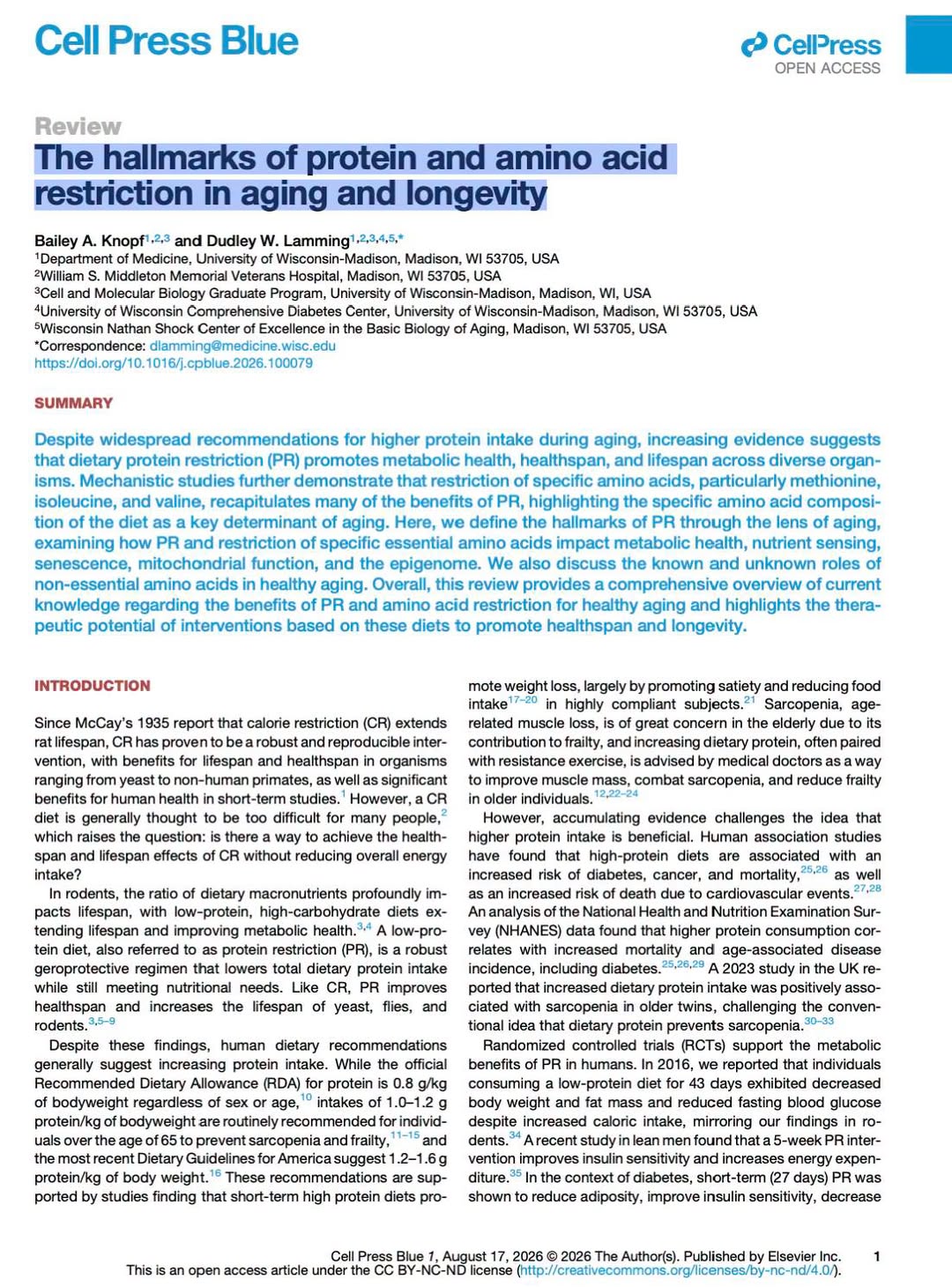
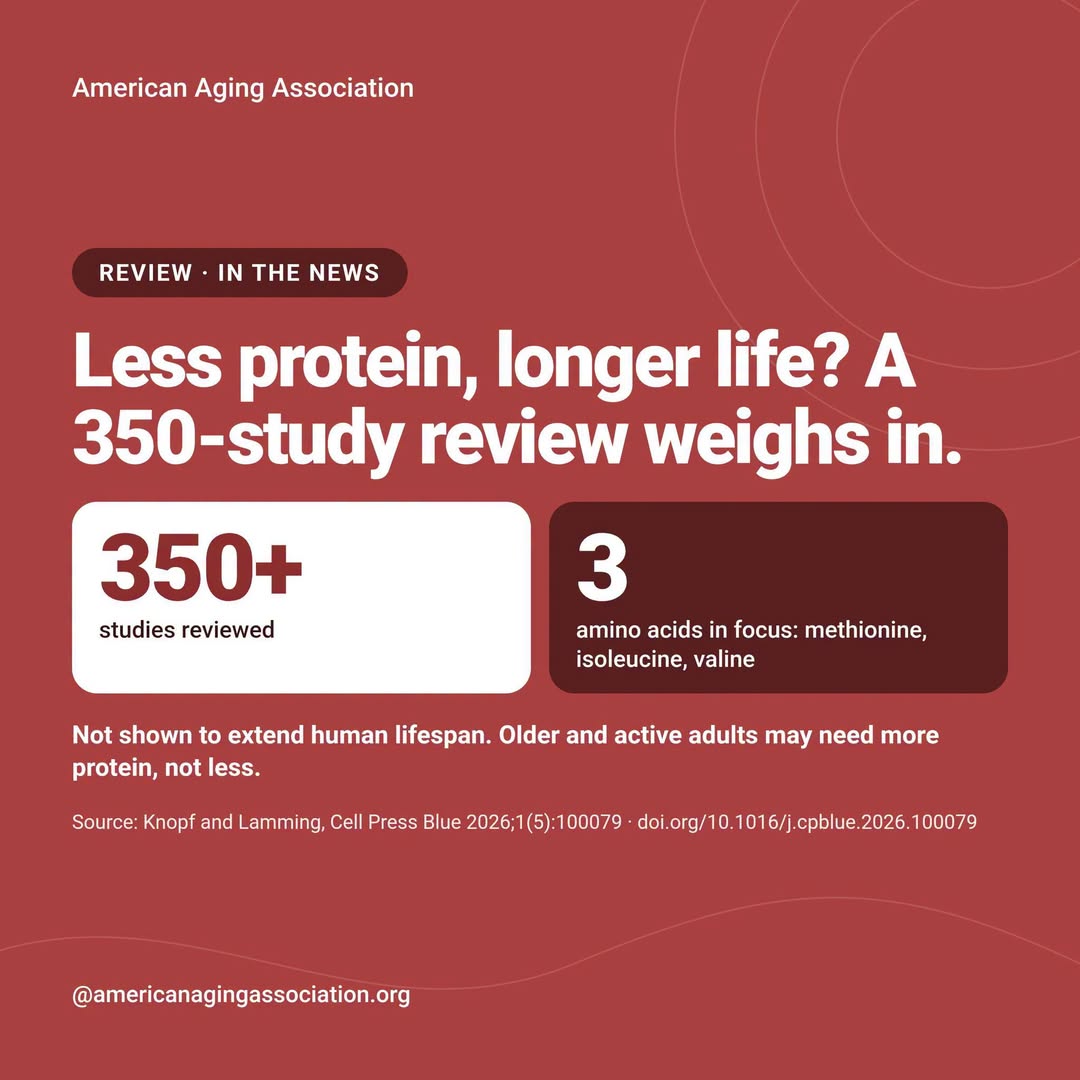
Lamming and his colleague Bailey Knopf, both from the University of Wisconsin-Madison, combed through more than 350 studies involving the effects of a protein-restrictive diet on a variety of organisms. They found that decreasing protein intake is associated with improved metabolism, less cellular damage, and healthier aging, and identified the molecular mechanisms that may be responsible.
One key factor, a hormone produced by the liver called fibroblast growth factor 21 (FGF21), ramps up when protein intake declines. FGF21 can boost the body’s energy expenditure, stabilize blood sugar levels, and reduce inflammation. In mice, at least, more FGF21 translates to a longer lifespan.
The study also found that consuming certain essential amino acids (those your body can’t produce on its own) can also exacerbate common maladies related to aging. Specifically, growth-promoting methionine, isoleucine, and valine can lead to more inflammation, obesity, and age-related diseases, the researchers say. “These studies show that the amount of protein sedentary people are eating today may have negative health consequences, at least at the population level,” Lamming explained.
But what about the individual level?
That, it turns out, is a very important question. More exercise and metabolic activity could very well mean you need more protein, not less. “Recent recommendations have encouraged people to eat more protein, but they’ve also encouraged people to exercise more,” Lamming added. “We probably need to personalize protein recommendations based not just on age, but also on how physically active people are.”
#proteinHD #muscleHD #exerciseHD #dudleylammingHD #proteinsummaryHD #agingHD #longevityHD #fgf21HD #methionineHD #isoleucineHD #valineHD #proteinrestrictionHD