HD-OPM Archive
Topics › Aging & longevity

Longevity clinic promotion for multi-system biological age testing

Louis Nervegna · Aug 17, 2026 · ♥ 7 reactions · 0 comments · original Facebook post
Aging & longevity
AI summary & key facts

Share about a Singapore longevity clinic that combines genetic, epigenetic, metabolic, inflammatory and microbiome measures. Mostly a service promotion with no research data.

This is the future of preventative medicine.

The aging process itself is the biggest risk factor for most diseases. Until we learn to track it properly and intervene early where possible, we are flying blind.

Link to what they are doing:

Chi LongevityLongevity Services | The Maier Method | Virtual & In-ClinicHealthy longevity programmes delivered through the Maier Method. In-clinic and virtual options spanning health assessments and biological age insights, available worldwide.chilongevity.com
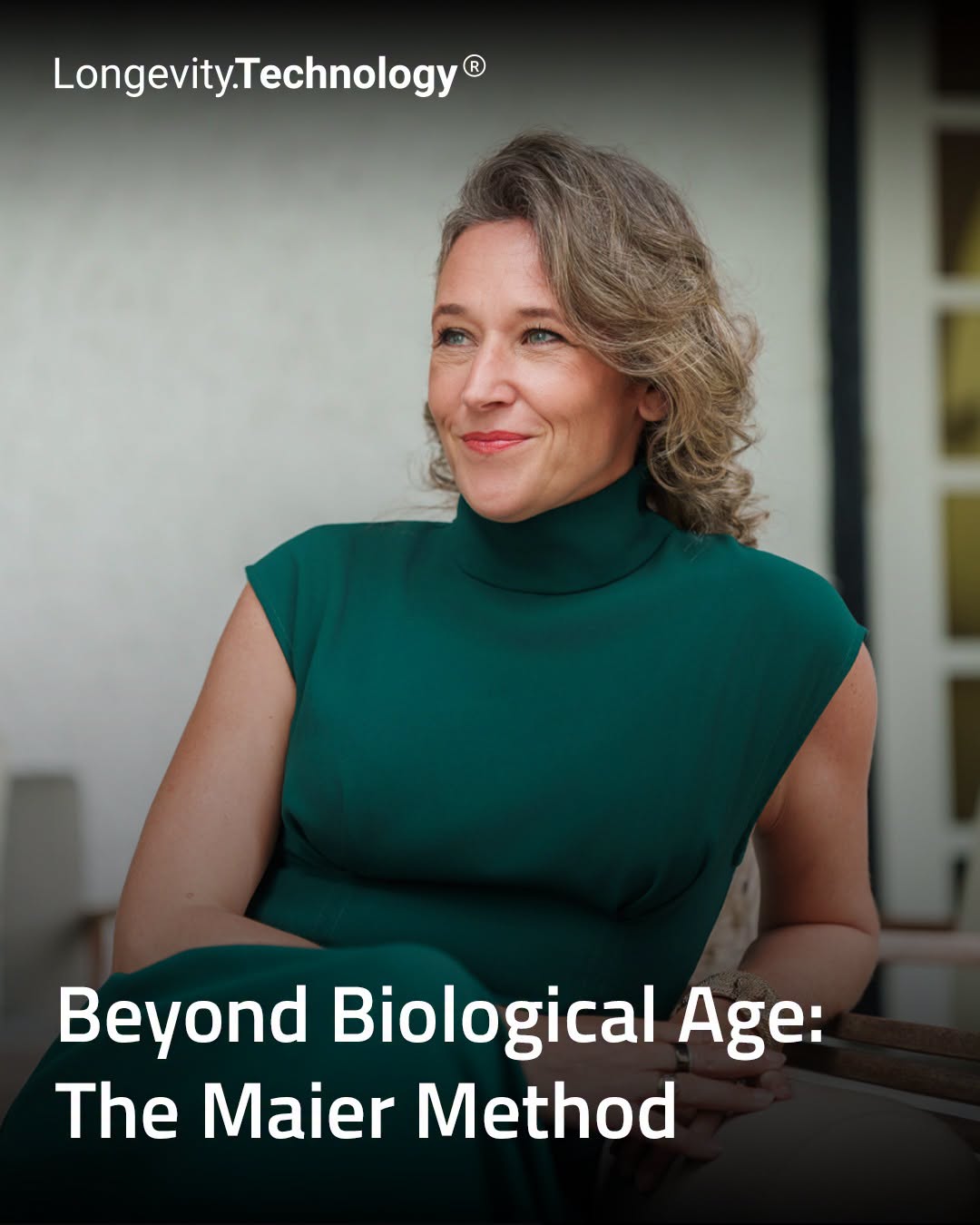
As biological-age testing becomes increasingly common across the longevity sector, Chi Longevity's approach extends beyond biological-age measurements alone by focusing on how those data points connect.

The Singapore clinic's proprietary framework, The Maier Method, brings together genetic, epigenetic, metabolic, inflammatory and microbiome measures, then examines how these biological systems interact to build a more integrated understanding of an individual's health.

Rather than returning a single biological-age result, the framework considers relationships across multiple systems to help inform more personalised interventions.

The framework was developed by Prof. Andrea Maier, Co-Founder of Chi Longevity and a recognised leader in precision geromedicine, reflecting a systems-based approach to understanding healthy longevity.

Link as first comment.

#Longevity #PrecisionMedicine #HealthyAgeing #ChiLongevity Chi Longevity

Woman in a green dress sitting with text overlay: 'Beyond Biological Age: The Maier Method'.
← newer: Daraxonrasib for pancreatic cancer already offered at Mass Golder: Protein restriction paper: author's own comments on muscle ( →