As the cost and radiation levels of CT-angiography continue to drop in the future, the test will become more and more common.
Eventually, we will reach the point where the test becomes standard of care in preventative cardiology. This seems inevitable.
Quoted:
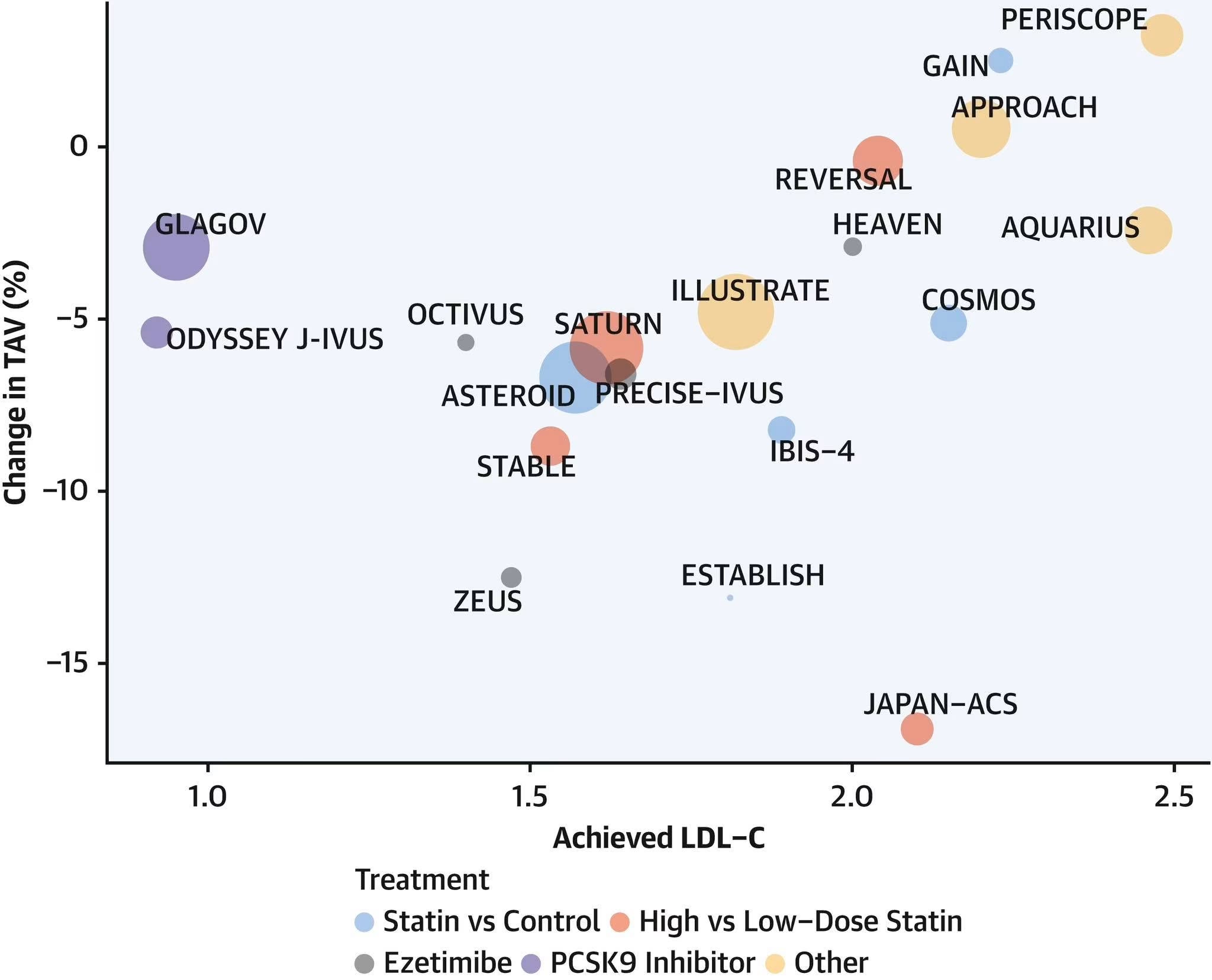
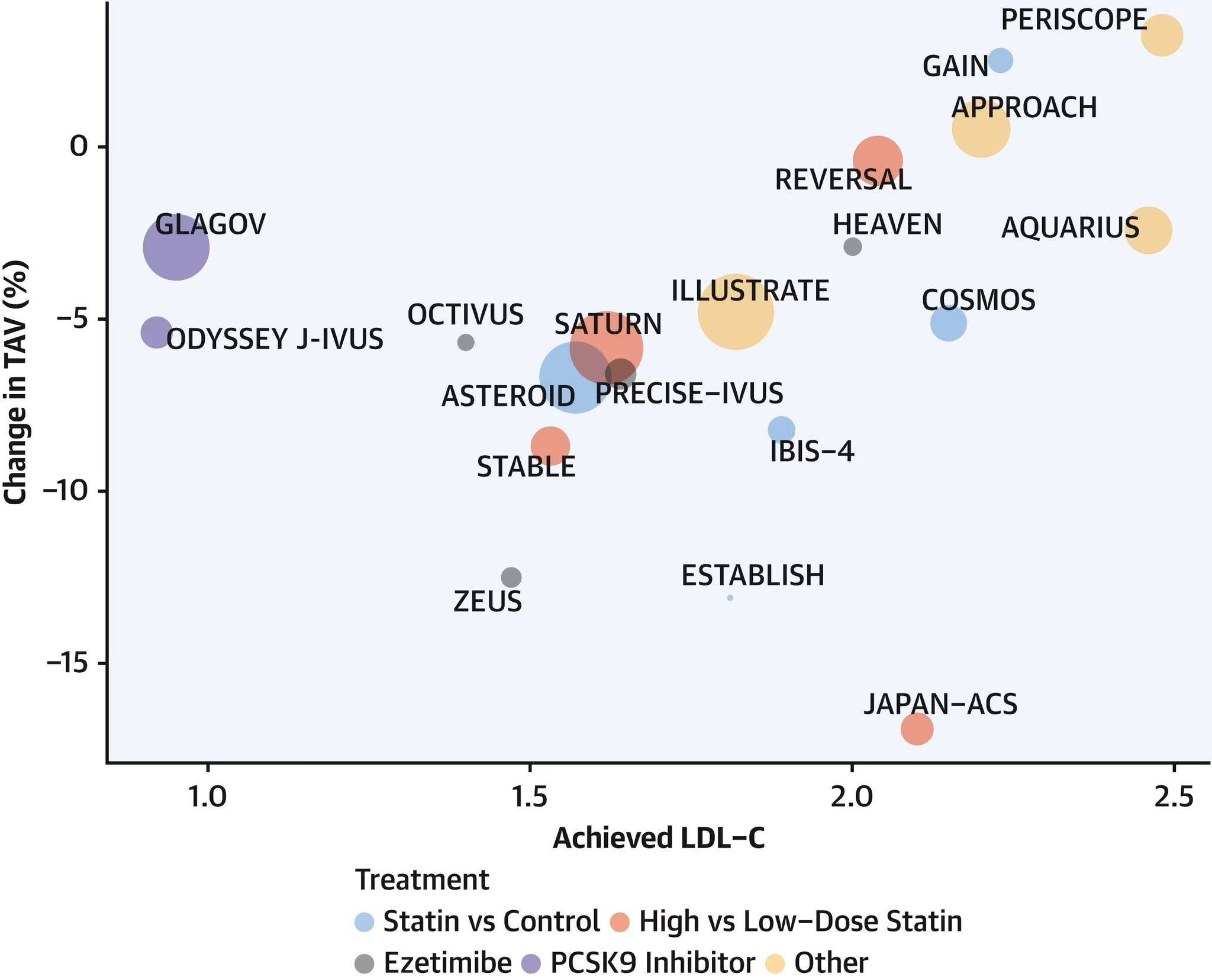
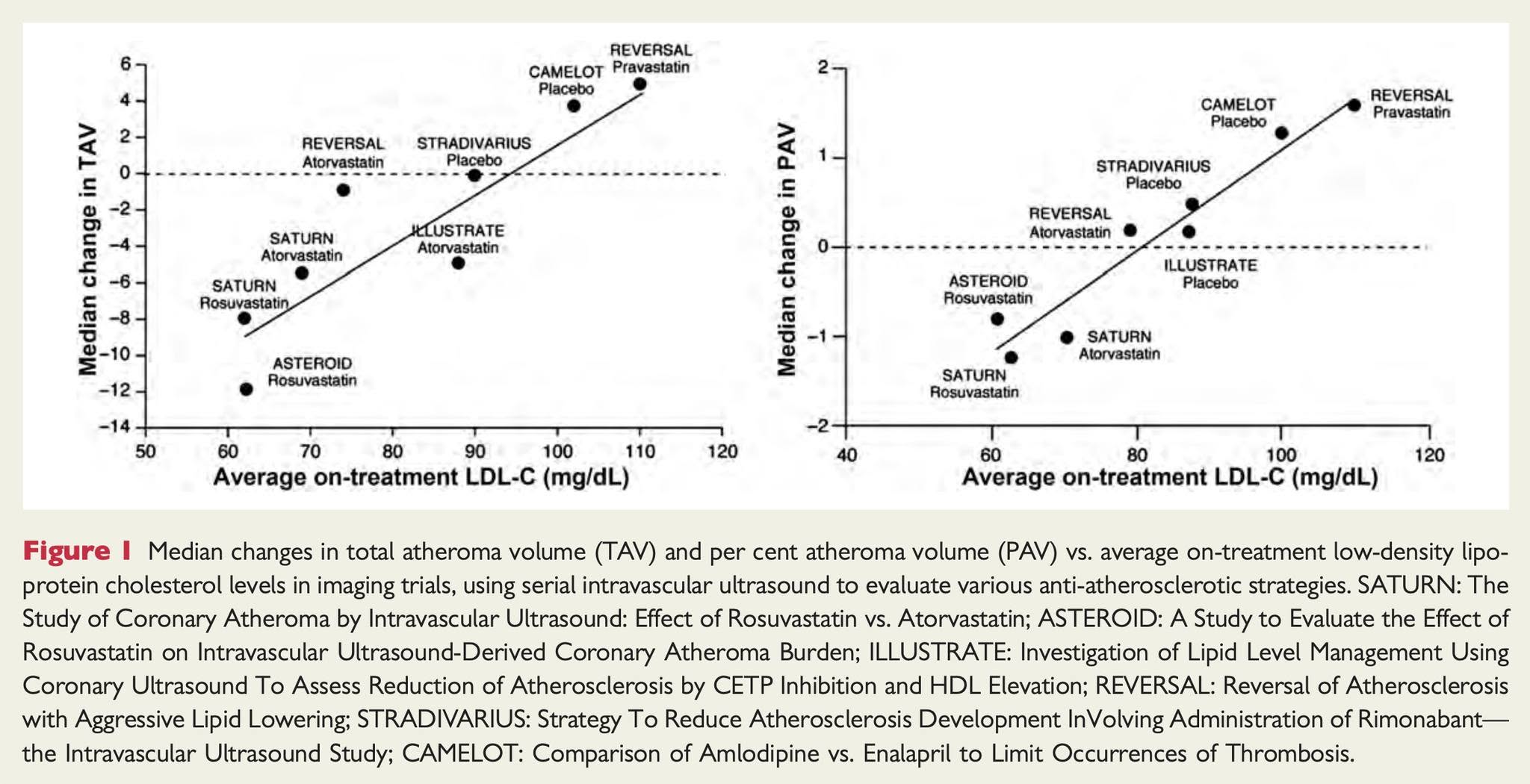
“Perhaps the most provocative observation is that, in large contemporary cohorts, total plaque burden [TAV & PAV] and non-calcified plaque [NCPV] often outperform stenosis severity itself as predictors of future events.
That should make us pause. For years we have been obsessed with narrowing. Meanwhile, the disease was sitting in the vessel wall.”
#plaqueHD #ctaHD #ncpvHD #pavHD #tavHD
Treat the Plaque. Not the Risk Factors.
For decades, preventive cardiology has largely operated under a simple assumption:
Measure risk factors.
- Estimate risk.
- Treat risk.
But there is a problem.
Many myocardial infarctions occur in patients who would never have qualified for aggressive prevention based on conventional risk scores alone. Meanwhile, many individuals with multiple risk factors will never experience a cardiovascular event.
Why?
Because risk factors are not the disease.
Atherosclerosis is the disease.
A patient does not suffer an MI because their SCORE2, PCE, LDL, ApoB, hsCRP, or Lp(a) is elevated.
They suffer an MI because they have developed coronary atherosclerosis.
Yet we continue to spend enormous effort measuring surrogates while often ignoring the organ that actually matters: the coronary arteries.
This review argues that coronary CT may allow a shift from population-based prevention toward disease-based prevention. Not by predicting who might develop atherosclerosis, but by directly visualizing who already has it.
Perhaps the most provocative observation is that, in large contemporary cohorts, total plaque burden and non-calcified plaque often outperform stenosis severity itself as predictors of future events.
That should make us pause.
For years we have been obsessed with narrowing.
Meanwhile, the disease was sitting in the vessel wall.
The future of prevention may not be:
👉 Treat the cholesterol.
👉 Treat the inflammation.
👉 Treat the risk score.
The future may be:
- Identify the plaque.
- Quantify the plaque.
- Track the plaque.
- Treat the plaque.
Everything else is a surrogate.
#CardiacCT #CCTA #Atherosclerosis #PreventiveCardiology #TreatThePlaque #CardiovascularImaging #PrecisionMedicine #PhotonCountingCT #PCCT