Cardiovascular Disease Starts in Periphery
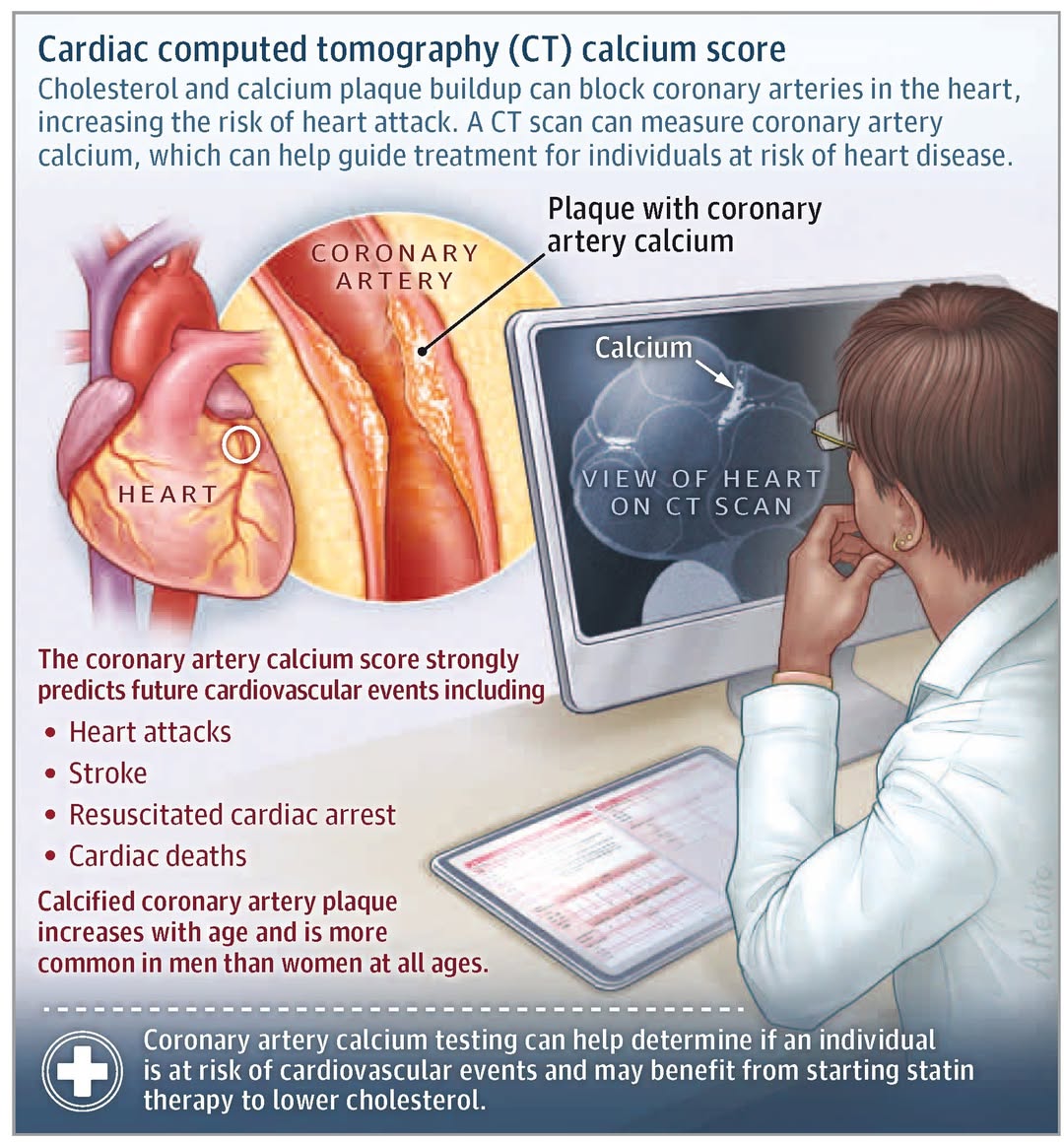
A recent New England Journal of Medicine study of 16,000 asymptomatic individuals reveals that arterial plaque begins accumulating in peripheral areas—specifically the neck and leg arteries—decades before it appears in the heart. Because plaque predominantly forms in these peripheral regions during a person's 20s, 30s, and 40s, traditional heart scans like calcium scores can completely miss the early stages of cardiovascular disease while it actively grows silently. To detect early peripheral plaque, doctors can utilize ultrasounds such as the Carotid Intima-Media Thickness (CIMT) test. Individuals can also estimate meaningful leg artery blockages at home by calculating their Ankle-Brachial Index (ABI), a simple assessment found by dividing the ankle's systolic blood pressure by the highest systolic blood pressure reading from the arms.
 ▶