HD-OPM Archive
Hashtags

#cardiovascular

124 posts

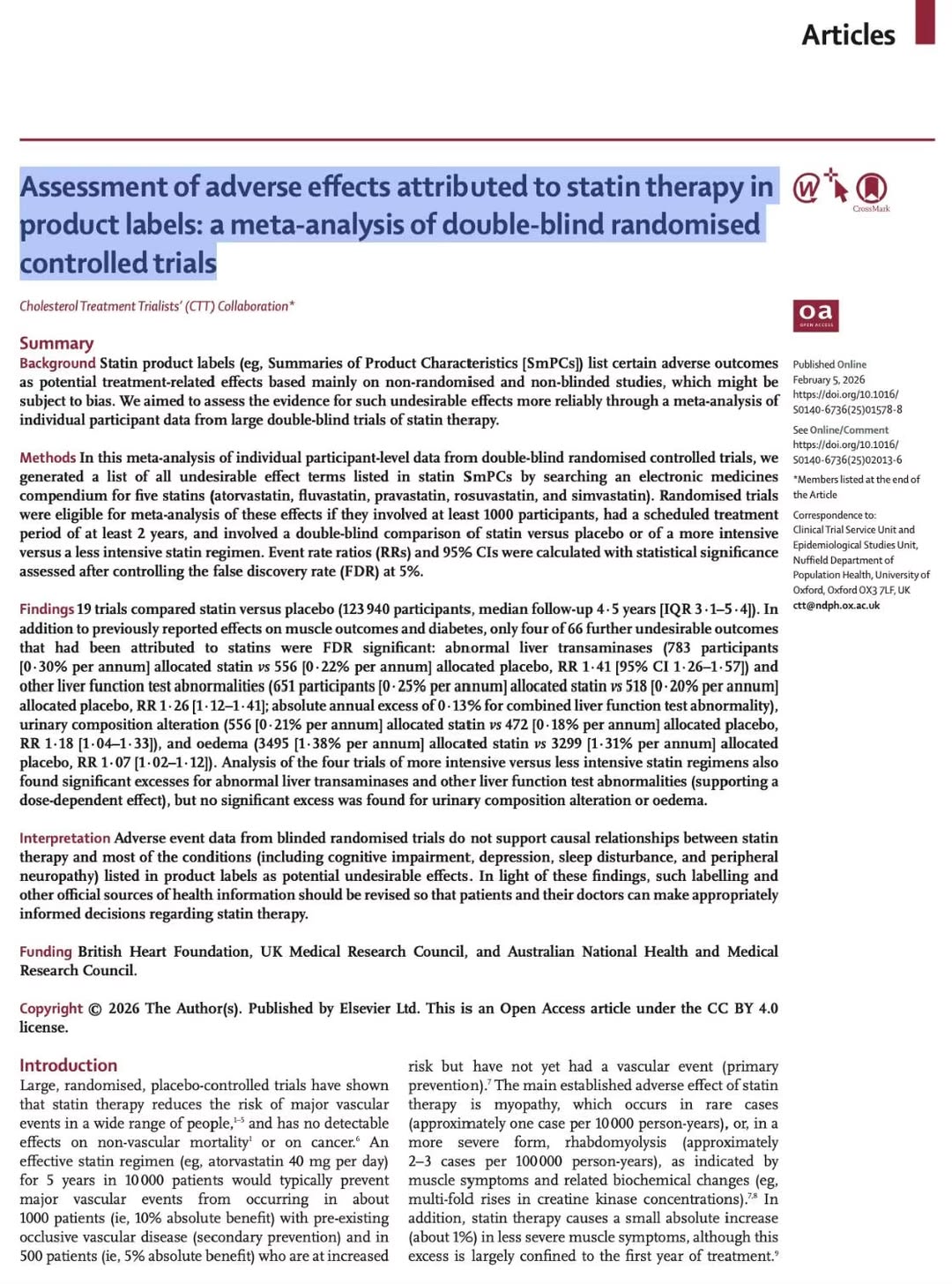
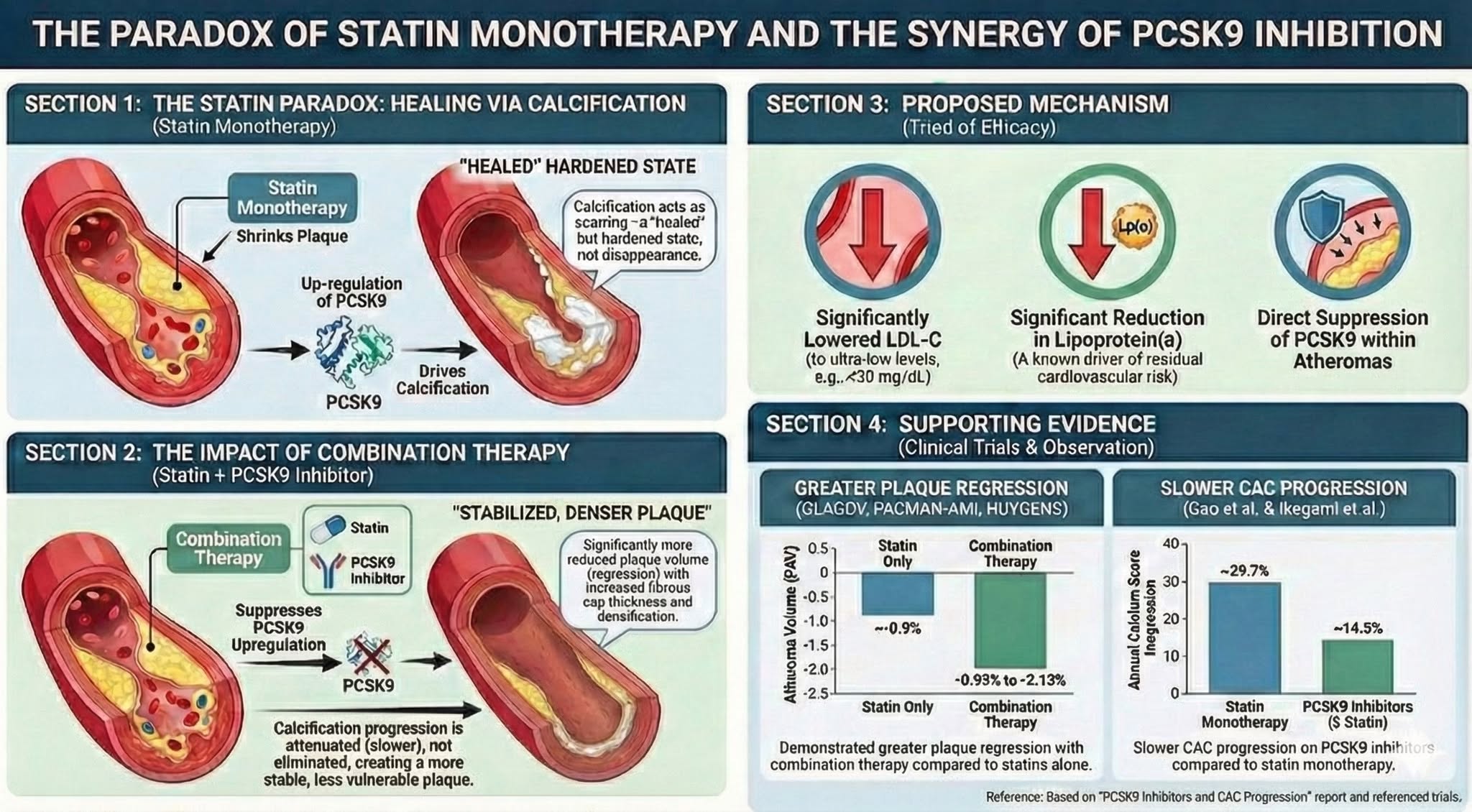
Statins do not slow coronary calcium; severe-calcification odds hit 4.48 after 10+ years

Dec 02, 2025 · Gokhan Can ♥ 17 · 💬 41 Statins

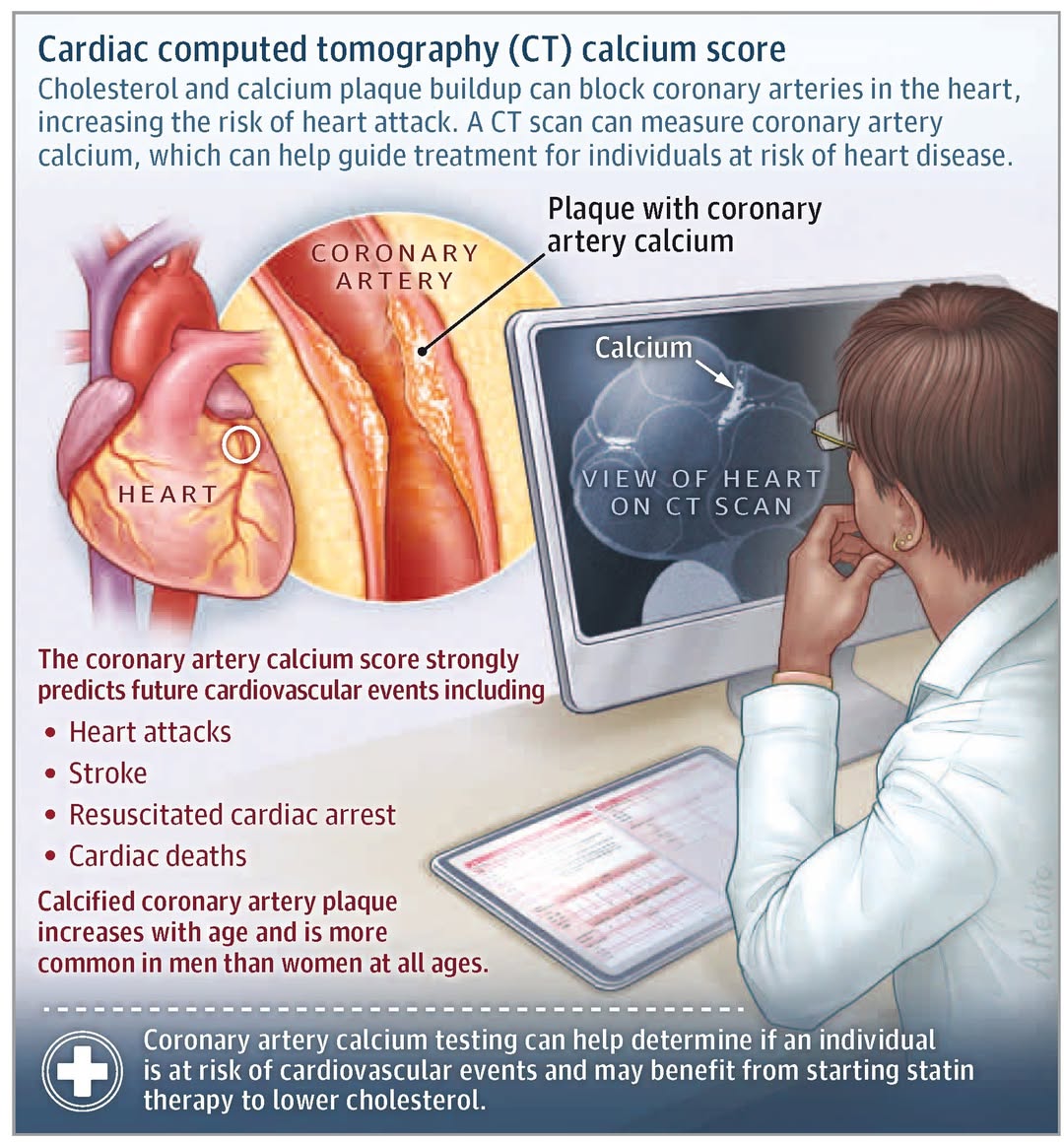
Evidence review concluding statins reduce events and soft plaque but do not slow Agatston CAC progression, and that long-term cohorts show calcification accelerating without plateau, interpreted as plaque repair into stable scar. Trials: St. Francis (CAC unchanged, events down 33%), SALTIRE (progression 26% vs 18%) and BELLES (similar progression, ~11-14%).
Taurine and cardiovascular disease: anti-inflammatory and vascular effects

Jan 27, 2024 · Gokhan Can ♥ 21 · 💬 26 ↩ 2 Supplements & vitamins

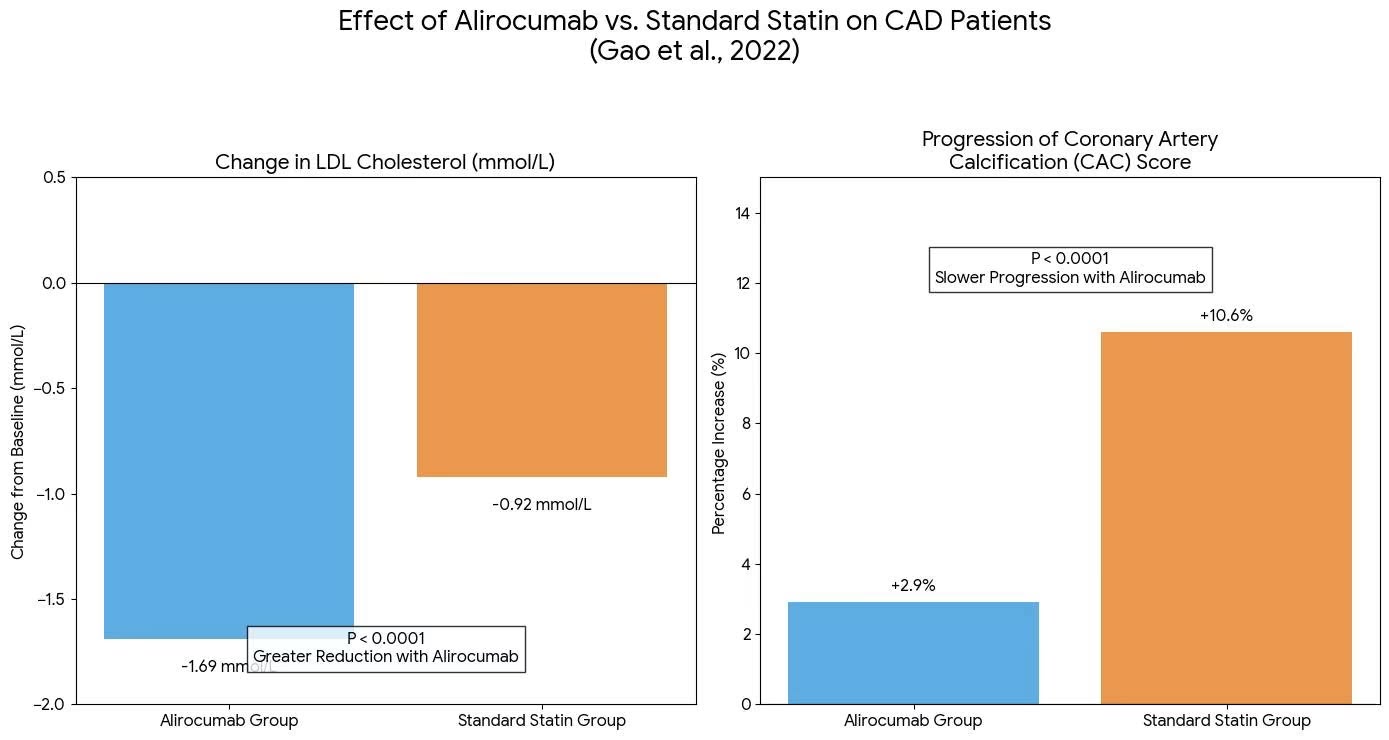
A long evidence summary on taurine: deficiency causes cardiomyopathy in cats and in humans with transporter defects, higher taurine intake correlates with lower coronary disease, and animal studies show reduced atherosclerosis and vessel relaxation. The author is considering a supplement against chronic inflammation; most evidence cited is animal or observational.

Replacing saturated with polyunsaturated fat cut non-fatal heart attacks 25%

Dec 16, 2025 · Louis Nervegna ♥ 15 · 💬 19 ↩ 1 Fats & oils (saturated fat, seed oils, omega-6, olive oil)

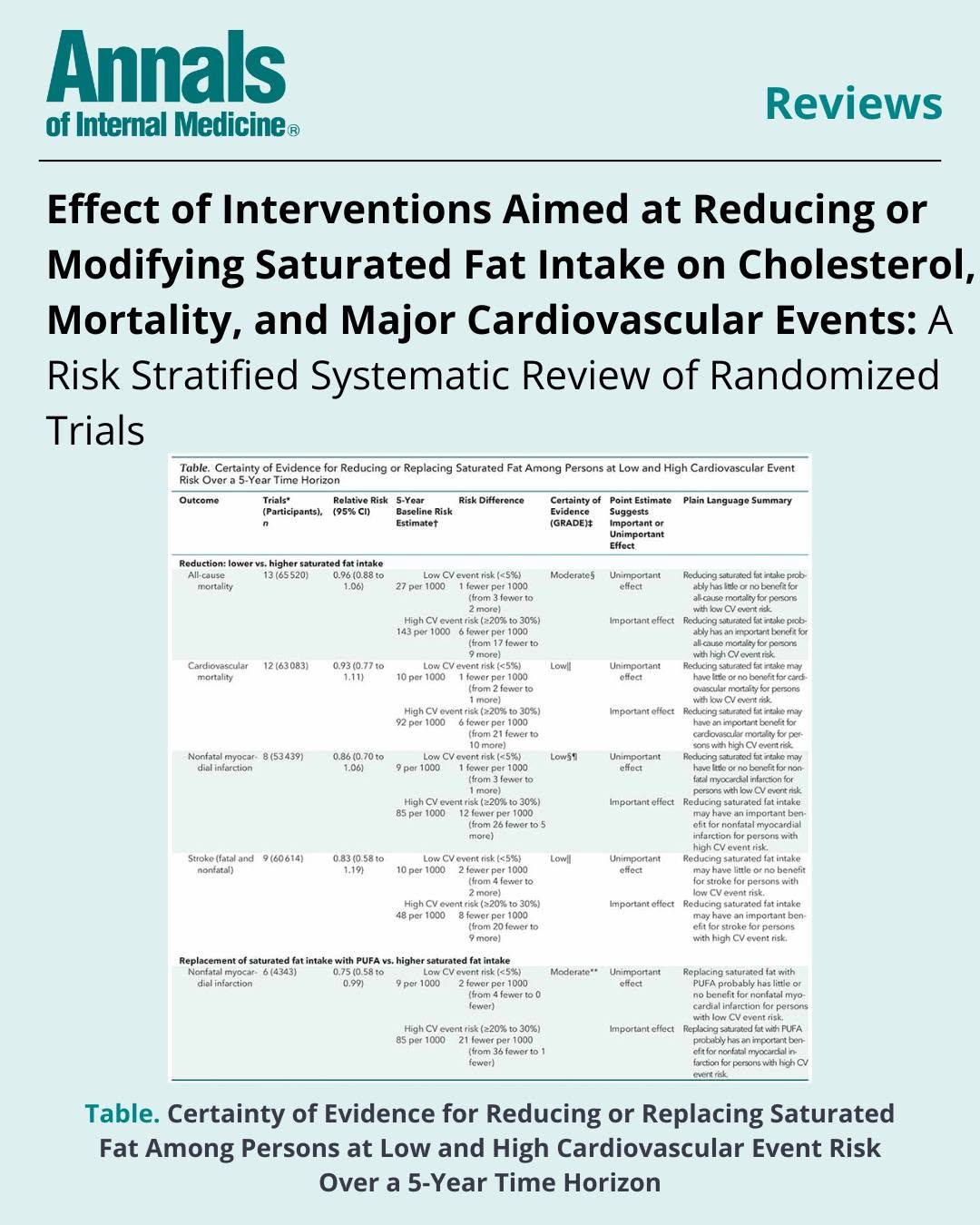
Louis summarizes an Annals of Internal Medicine systematic review of 17 randomized trials with hard endpoints. Replacing saturated fat with polyunsaturated fat lowered non-fatal heart attacks by 25% in higher-risk people over 5 years, similar to a lower-dose statin; other outcomes trended favorably but were not fully significant when the replacement was the general diet.

The longer the lower the better: lifelong LDL lowering and an estimated 60% risk reduction

Nov 20, 2023 · Gokhan Can ♥ 17 · 💬 21 ↩ 2 LDL, ApoB & lipid panel

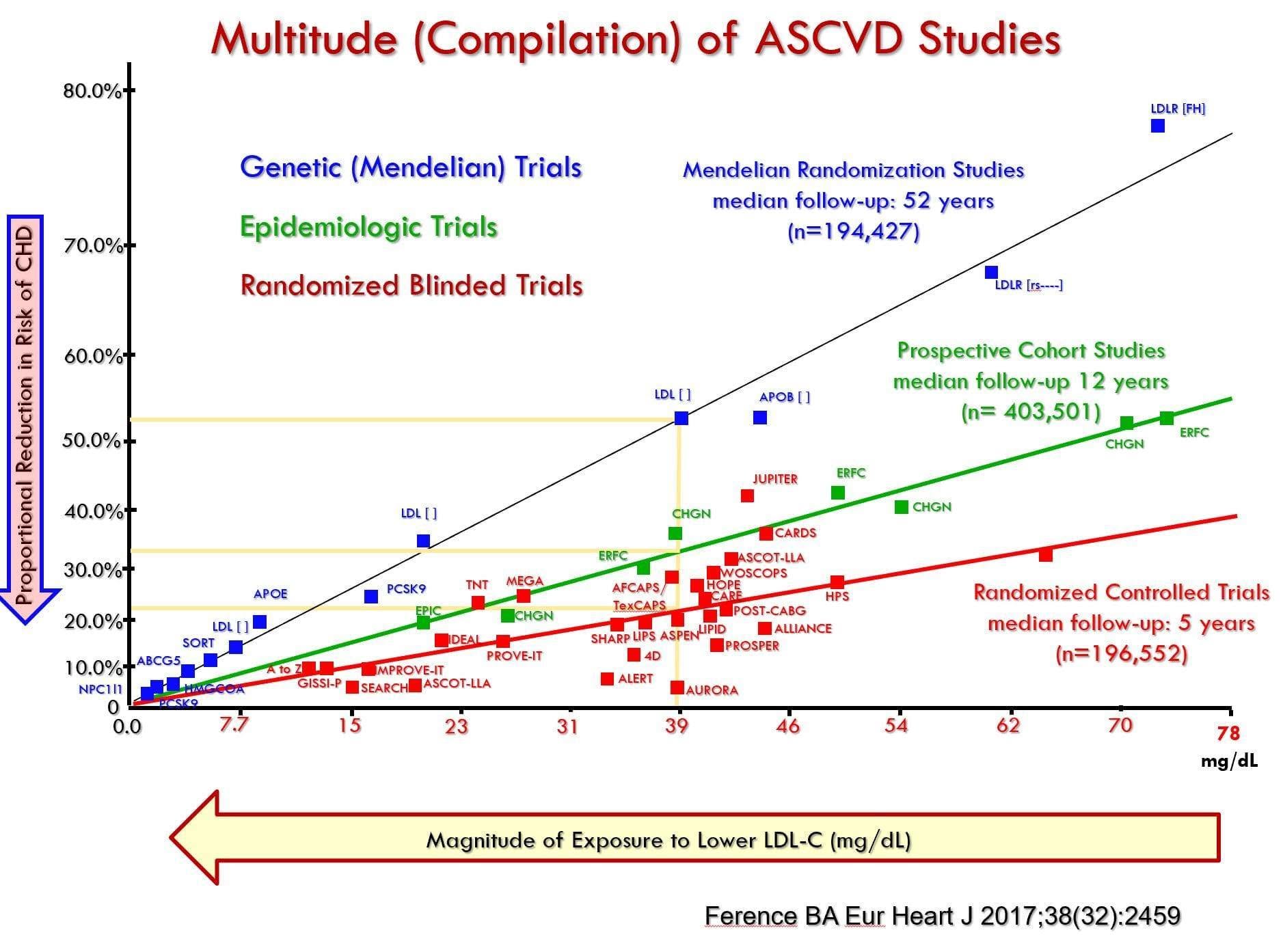
Argues that the benefit of LDL lowering depends on both how much and how long LDL is reduced. The author, one of the group's admins, is betting on very low-dose statins to hold LDL at 70-100 mg/dL, and estimates about 60% lifetime risk reduction from a 70-point lowering sustained for 30 years. The post also cites Charles Grashow as a case of CAC regression.

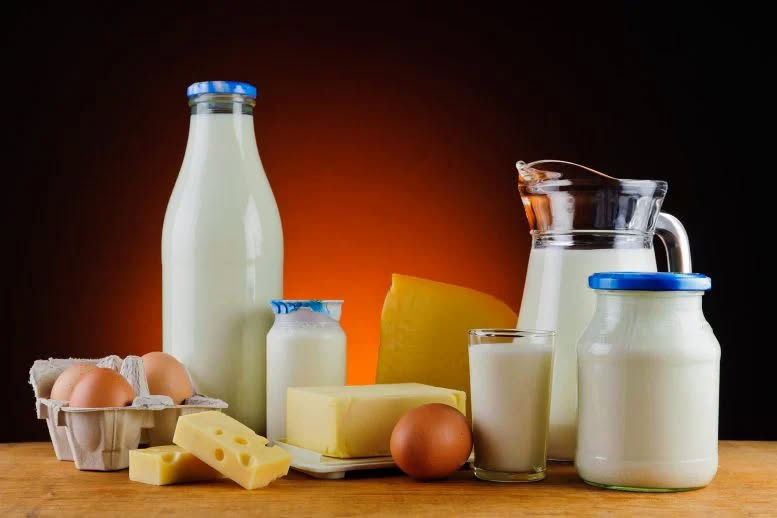
Full-fat yogurt lowered ApoB while low-fat yogurt plus butter raised it in a crossover RCT

Jun 07, 2024 · Louis Nervegna ♥ 21 · 💬 15 ↩ 1 Meat, eggs & dairy

Louis summarizes a randomized crossover trial matching saturated fat between full-fat yogurt and low-fat yogurt with added butter. Despite equal saturated fat, the butter arm raised ApoB while full-fat yogurt lowered it, which the study attributes to the milk fat globule membrane (MFGM) that is intact in yogurt but lost in butter. He suggests this may partly explain why yogurt looks better than other dairy in epidemiology.

Ezetimibe beyond statins: fewer events, no mortality gain in trials, registry benefits

Nov 07, 2024 · Gokhan Can ♥ 11 · 💬 22 PCSK9, ezetimibe & newer drugs

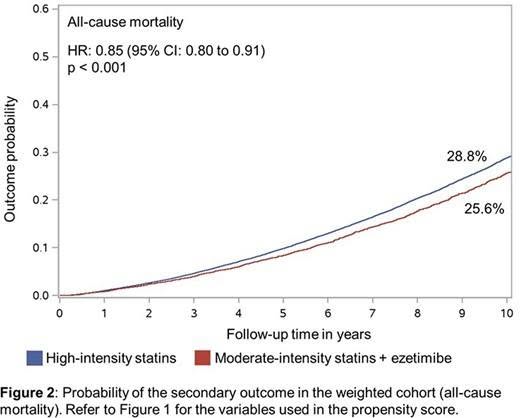
Evidence digest on ezetimibe. A meta-analysis of 15 RCTs (123,785 patients) found add-on lipid lowering cut cardiovascular events 19% versus statins alone but did not improve all-cause mortality. Other data show moderate statin plus ezetimibe matches high-intensity statins, and registry studies hint at lower mortality, with strong LDL-target attainment.

Pomegranate juice and heart health: CIMT, blood pressure and ACE evidence reviewed

Jan 15, 2025 · Gokhan Can ♥ 15 · 💬 16 Nuts, fish, coffee, tea, cocoa & other foods

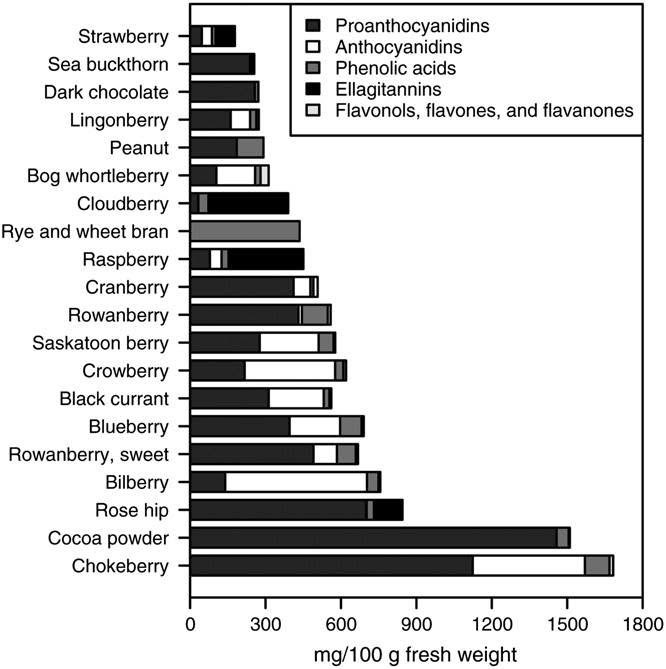
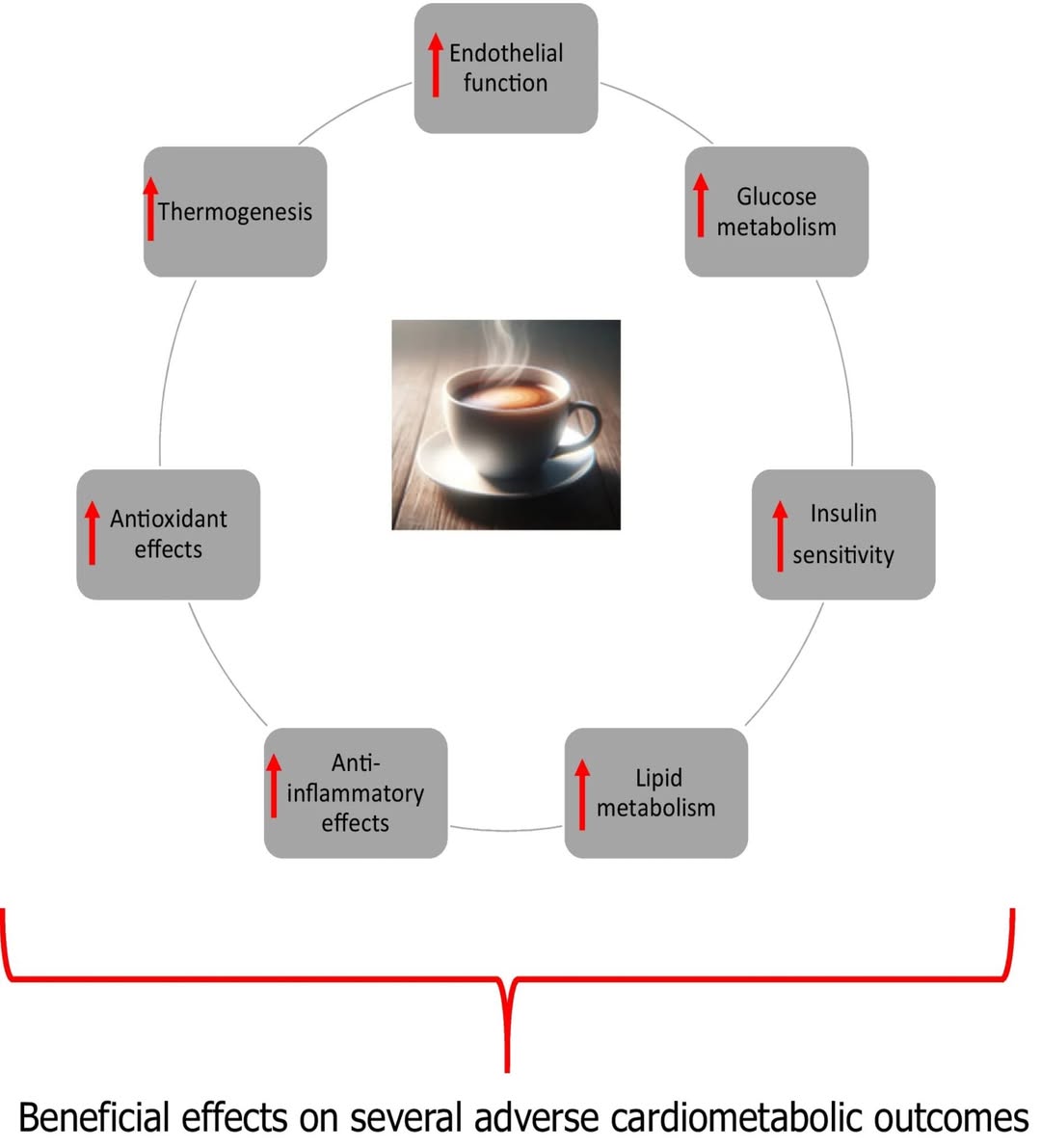
A review of pomegranate juice and cardiovascular disease credits its polyphenols (ellagitannins, punicalagins, anthocyanins). It cites a study where juice for up to a year reduced carotid intima-media thickness by up to 35% in carotid stenosis patients while controls rose 10%, and a meta-analysis of 8 RCTs showing lower blood pressure.
Each daily yogurt serving linked to 14% lower CVD mortality in a 17-cohort meta-analysis

Feb 16, 2025 · Gokhan Can ♥ 19 · 💬 12 Meat, eggs & dairy

A systematic review and dose-response meta-analysis of 17 cohort studies (896,871 participants) found higher yogurt intake was associated with lower all-cause and cardiovascular mortality, with the largest benefit around 0.5 servings per day and no clear further gain above that. No significant association was seen with cancer mortality. As an observational analysis, it shows association, not causation.

2025 ACC statement: inflammation is actionable in CVD, with universal hsCRP screening

Oct 09, 2025 · Gokhan Can ♥ 15 · 💬 13 Inflammation & CRP

Summarises the 2025 ACC Scientific Statement (JACC) concluding the inflammation-ASCVD link is now clinically actionable. It recommends universal hsCRP screening in primary and secondary prevention alongside cholesterol, notes IL-6 and fibrinogen also predict risk, and says CT perivascular fat attenuation is promising but not routine. It contrasts this with a more cautious 2002 CDC/AHA workshop.

Limiting diabetes risk on LDL-lowering drugs: statin risk is modest, alternatives exist

Nov 26, 2025 · Gokhan Can ♥ 7 · 💬 17 Statins

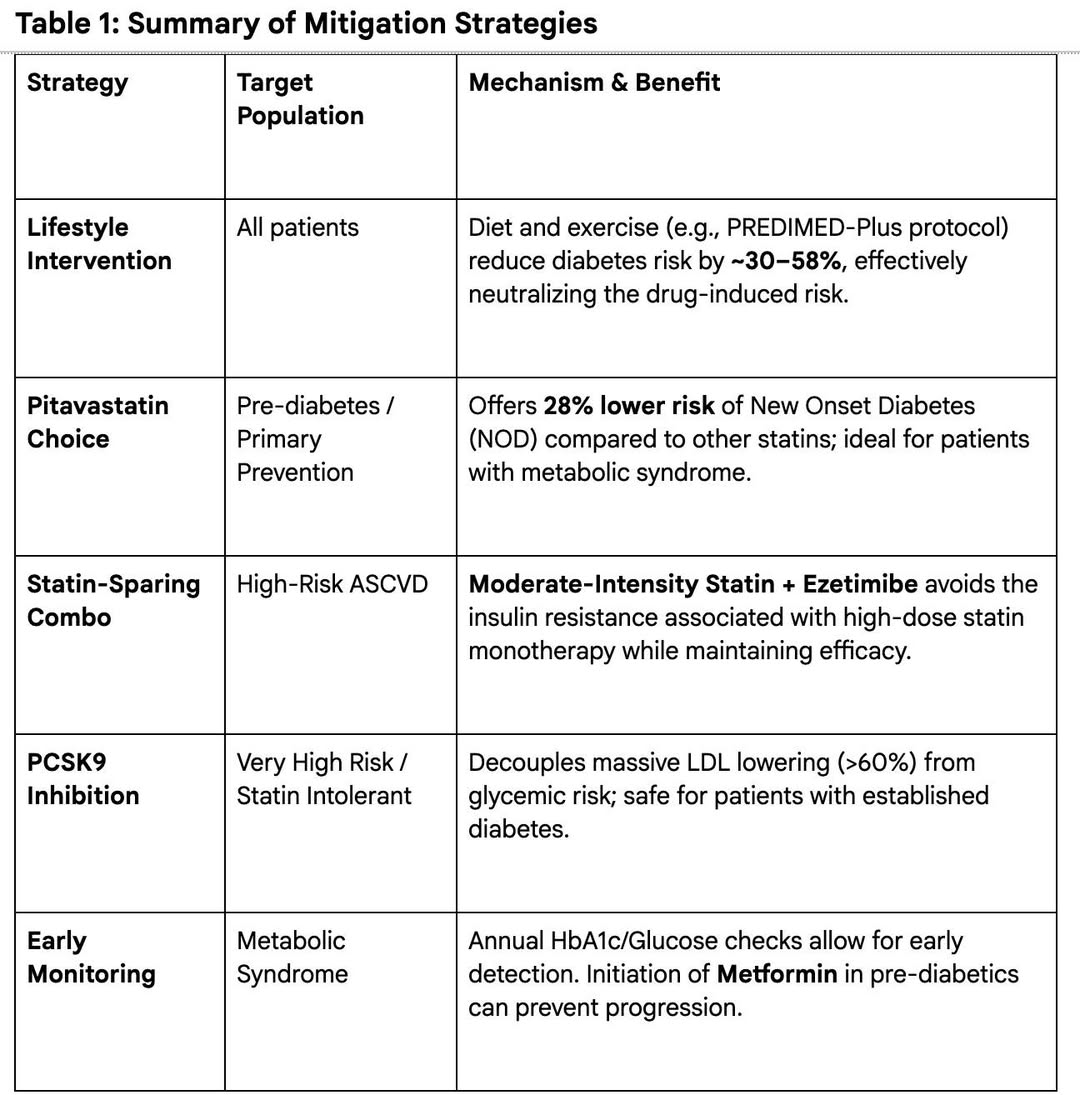
Review explaining that statins modestly increase new-onset diabetes in a dose-dependent way, mostly in people with existing metabolic risk factors, and that cardiovascular benefit clearly outweighs this. It suggests statins mainly bring forward diagnosis in predisposed people, outlines mechanisms (beta-cell dysfunction, insulin resistance) and proposes ezetimibe, PCSK9 inhibitors and pitavastatin as options that limit glycemic harm.

Platelet reactivity score (PRESS) predicts cardiovascular events in PAD patients

Aug 20, 2024 · Gokhan Can ♥ 6 · 💬 19 Aspirin, antiplatelets & blood thinners

NYU researchers developed PRESS, combining platelet aggregation responses and RNA sequencing, to detect platelet hyperreactivity. In PAD patients, hyperreactive platelets predicted more major adverse cardiac or limb events within 30 days of revascularization, and PRESS above the median carried a 90% higher risk of major events over 18 months. It might help target aspirin.

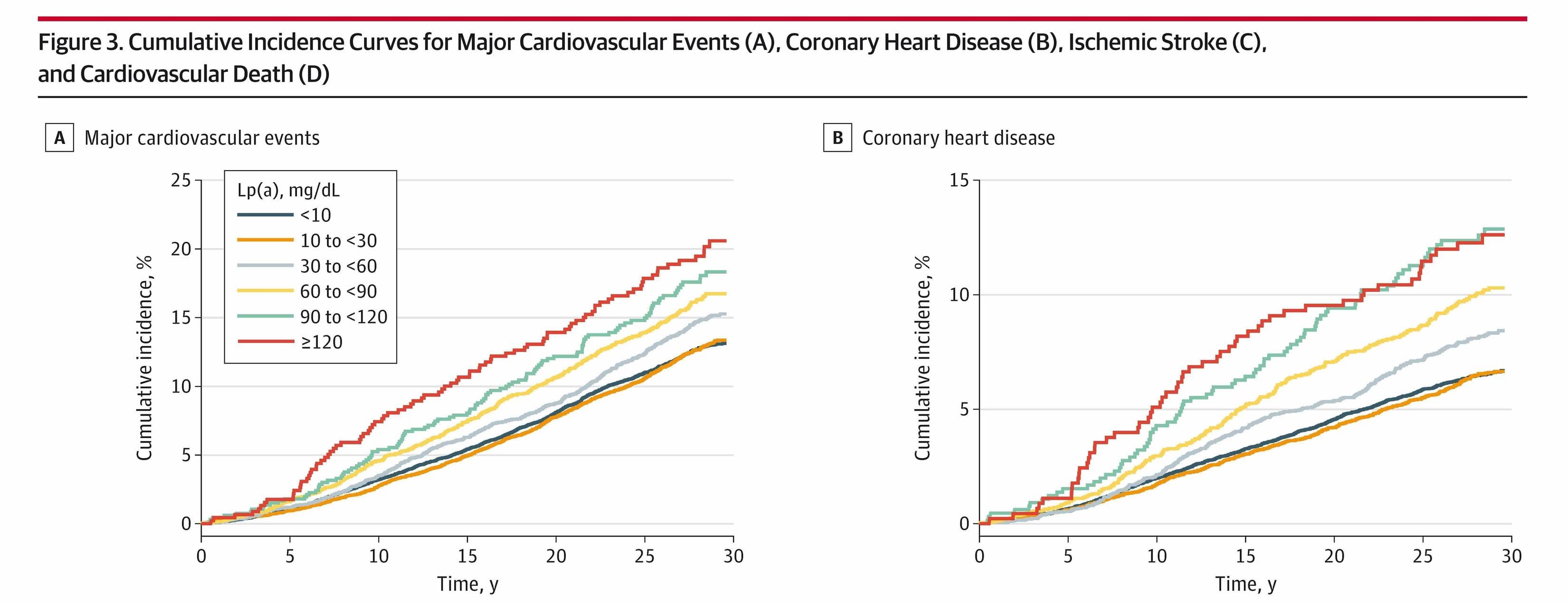
Lipoprotein(a) explained: 80-90% genetic, stable for life, a risk factor beyond LDL

Oct 05, 2024 · Gokhan Can ♥ 12 · 💬 8 Lp(a)

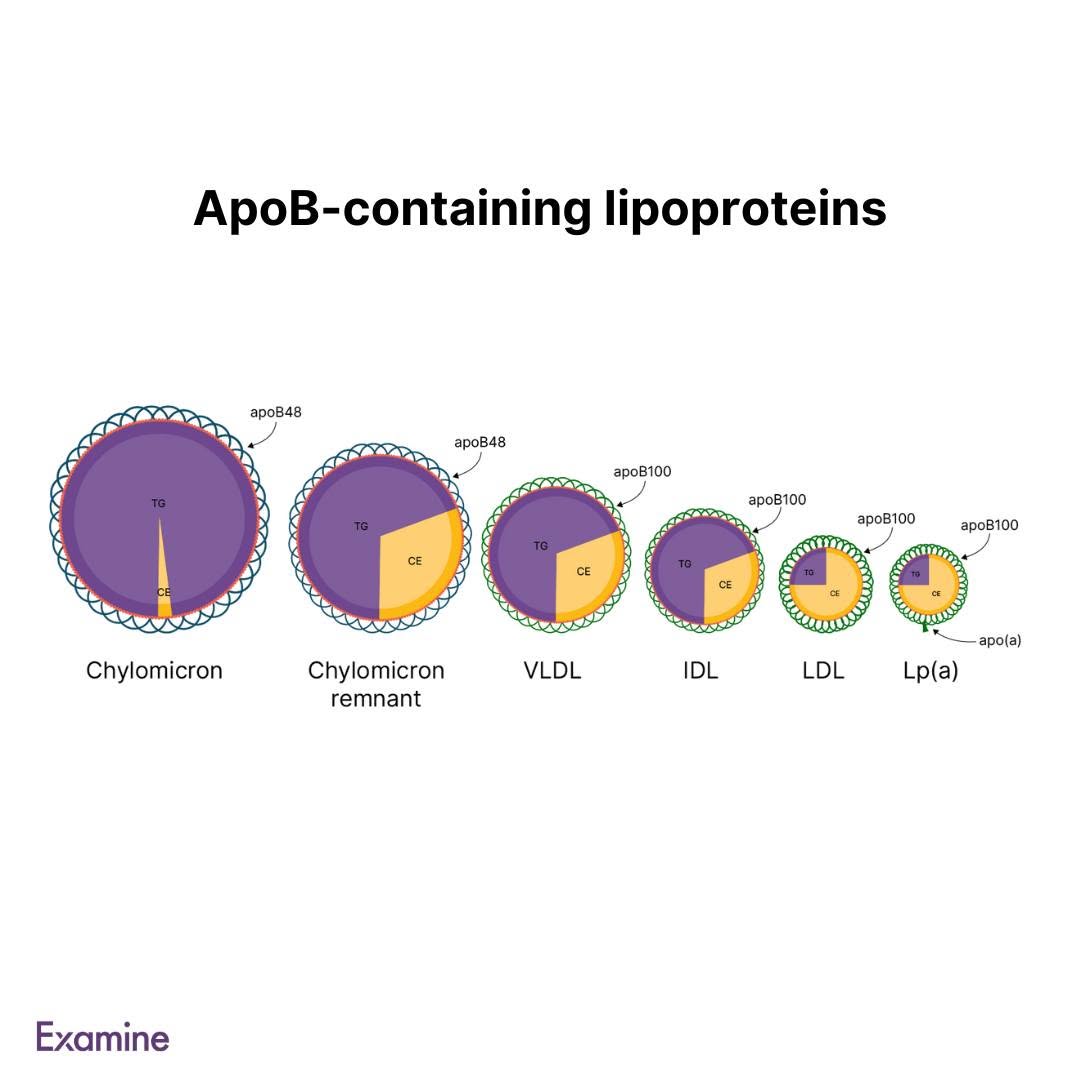
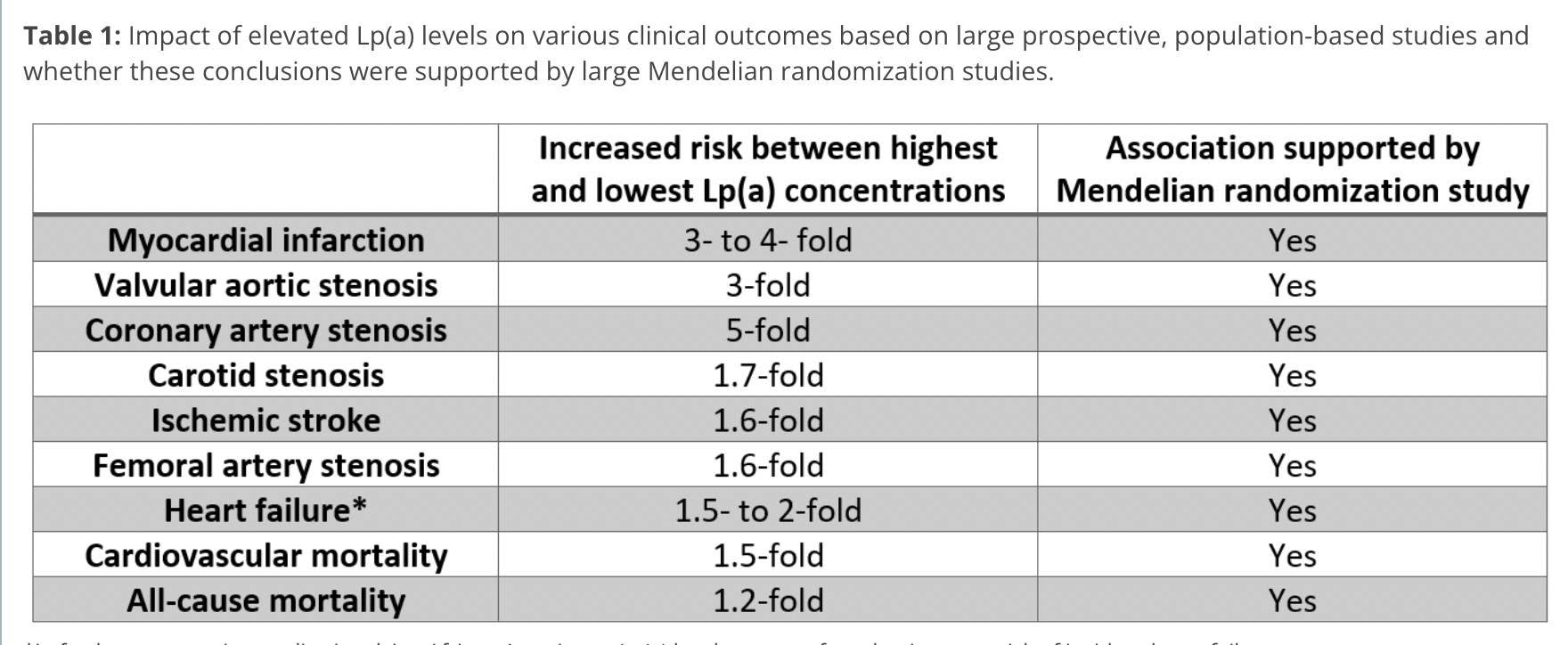
Explainer on Lp(a): an LDL-like particle with apo(a) attached, 80-90% genetically determined, fully expressed by 1-2 years of age, and elevated in about 1 in 5 US individuals (1.4 billion globally). Levels above 50 mg/dL or 125 nmol/L raise ASCVD risk, possibly via impaired fibrinolysis and cholesterol deposition, and may occur with normal lipid panels.

Flu vaccination linked to lower all-cause mortality, per admin's earlier evidence summary

Dec 14, 2025 · Gokhan Can ♥ 10 · 💬 13 Infections & vaccines

Reminder to get vaccinated, linking an earlier admin post. The shared summary lists the flu vaccine with 11-42% lower all-cause mortality in RCTs and prospective cohorts, 43% lower in consistent associations across 40+ studies, and 25-40% lower Alzheimer's risk, citing a cohort study and a systematic review and meta-analysis. Also notes Novavax (non-mRNA) COVID vaccine is no longer available to him.

Charles Grashow's protocol to regress coronary calcium over two years

Dec 02, 2023 · Gokhan Can ♥ 18 · 💬 7 ↩ 2 Plaque, CAC & CT angiography

Describes how Charles Grashow responded to worsening coronary calcium in 2020-2021 with an intensive regimen of lifestyle, high-dose nattokinase, LDL-lowering and anti-inflammatory supplements and off-label drugs. His later scans reportedly showed that the trajectory of his coronary disease had reversed. It is a single-patient story, not a trial.

Plaque starts in neck and leg arteries decades before the heart; calcium scores miss it

Sep 17, 2026 · Gokhan Can ♥ 17 · 💬 5 Plaque, CAC & CT angiography

The post summarises a video describing an NEJM study of 16,000 asymptomatic people showing plaque accumulates first in the neck and leg arteries, during the 20s to 40s, before the heart. Heart scans such as coronary calcium may therefore miss early disease; carotid intima-media thickness ultrasound can detect peripheral plaque, and the ankle-brachial index offers a simple at-home check for leg artery blockage.

How LDL causes atherosclerosis: oxidation, inflammation, foam cells and genetics

May 19, 2024 · Gokhan Can ♥ 12 · 💬 9 LDL, ApoB & lipid panel

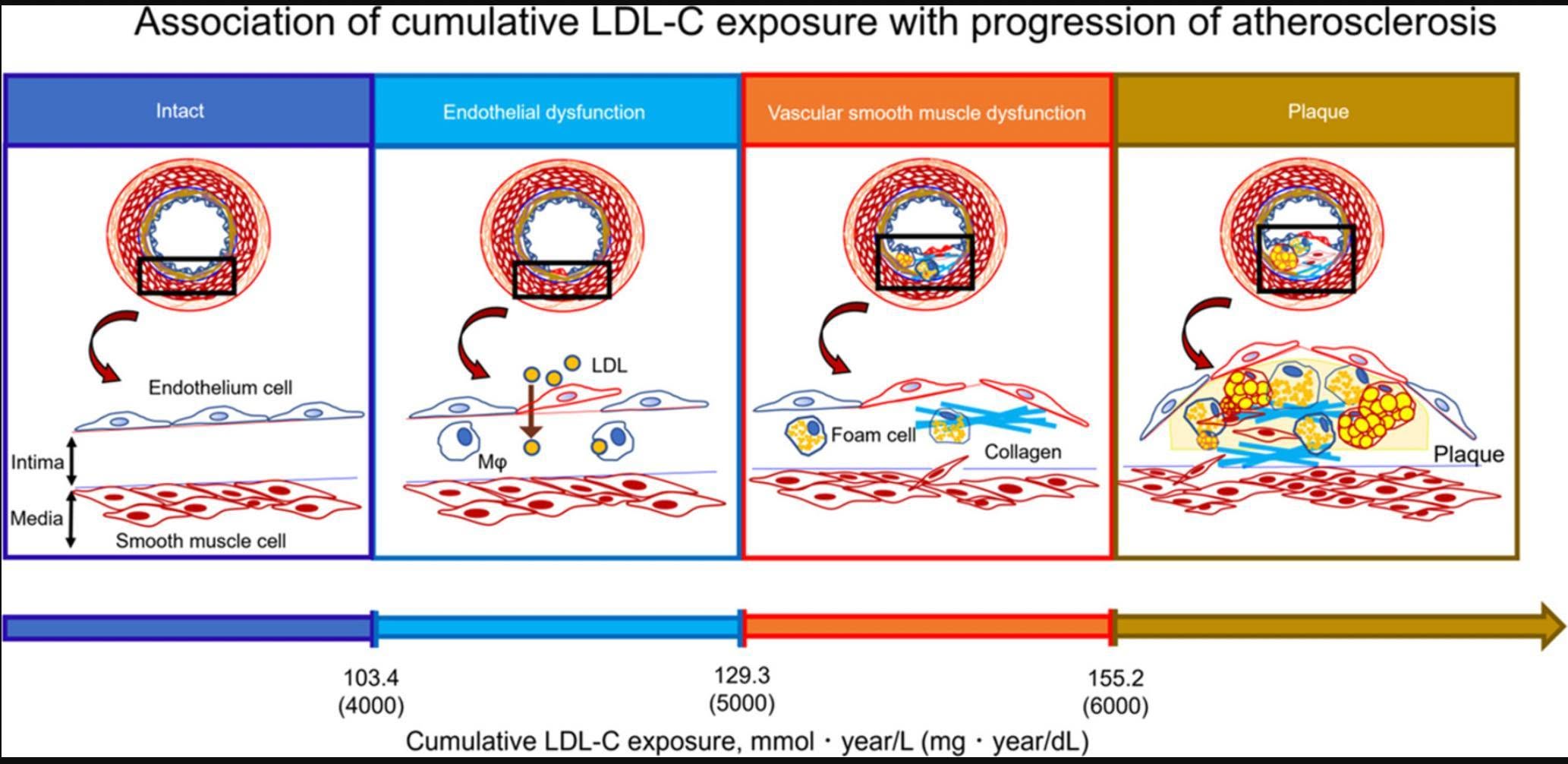
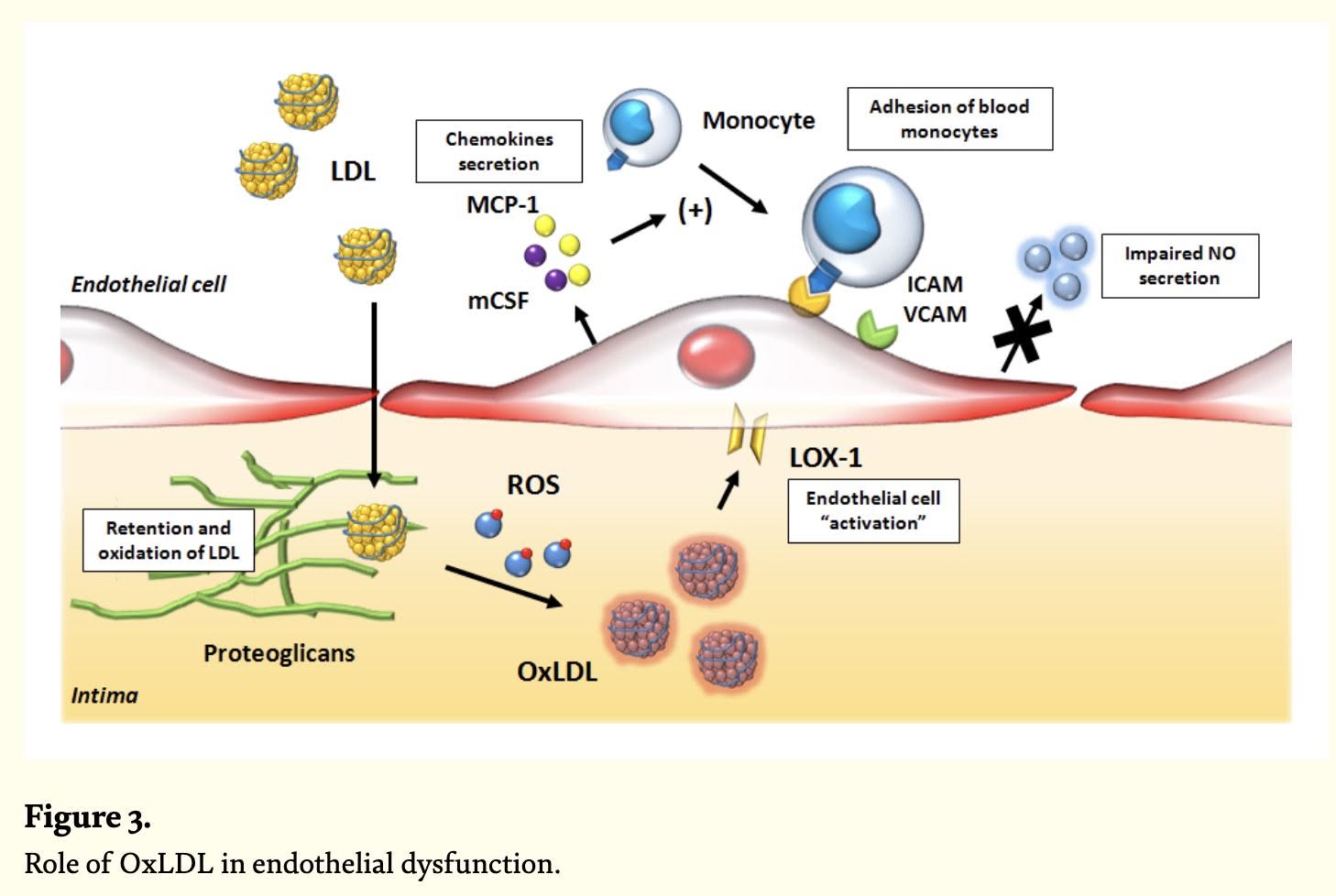
Explains five lines of evidence for a causal role of LDL in atherosclerosis: oxidized LDL in the artery wall, endothelial dysfunction and inflammation, macrophage foam-cell formation, Mendelian randomization and familial hypercholesterolemia, and the benefit of LDL-lowering therapies. Useful as a mechanism overview for readers who doubt that LDL is a cause rather than a bystander.

Sauna works the heart like light cardio and lowered blood pressure after one session

Nov 07, 2026 · Louis Nervegna ♥ 17 · 💬 4 Blood pressure, salt & potassium

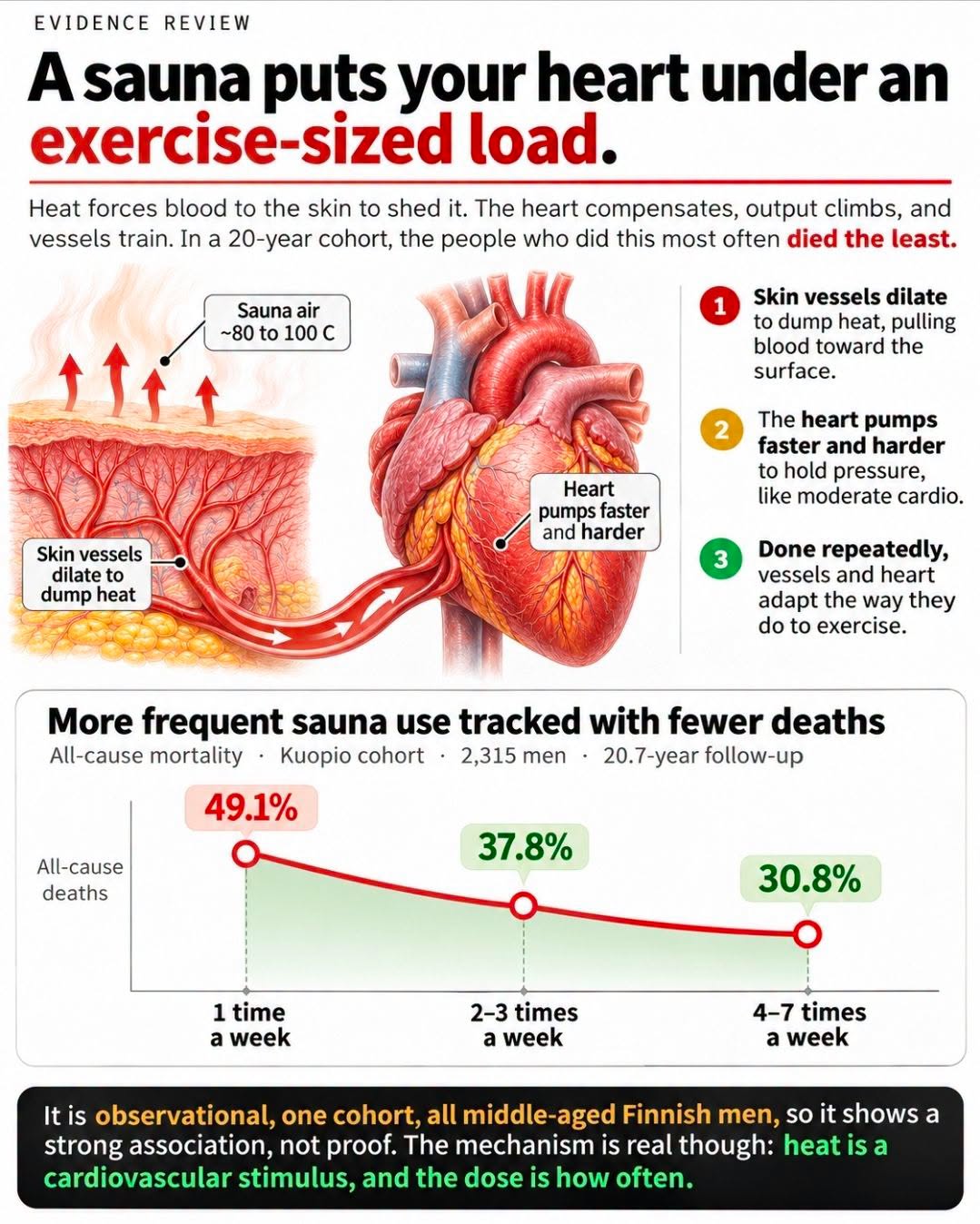
Louis shares a summary of sauna physiology. Heat opens skin vessels, so the heart works harder to hold blood pressure, matching light to moderate exercise. One session lowered arterial stiffness and systolic pressure from 137 to 130 in 102 adults with risk factors, and a Finnish cohort of 2,315 men followed about 20 years showed lower mortality with more frequent sauna use.

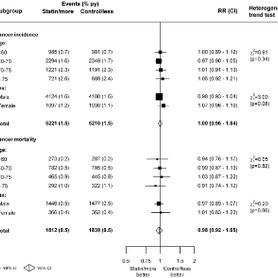
Statins work as well in women as men: 27-trial CTT meta-analysis of 174,000 participants

Dec 19, 2023 · Louis Nervegna ♥ 5 · 💬 11 Statins

Louis rebuts the claim that statins are less effective in women using the Cholesterol Treatment Trialists' meta-analysis of 27 randomized trials. Per 1 mmol/L LDL reduction, proportional reductions in major vascular events and all-cause mortality were similar in women and men, with no adverse effect on cancer or non-CV mortality. Trials averaged 4.9 years, so longer-term benefit is likely larger.

Review: aggressive LDL lowering outweighs theoretical risks, yet few reach <55 mg/dL

Oct 28, 2025 · Gokhan Can ♥ 13 · 💬 5 LDL, ApoB & lipid panel

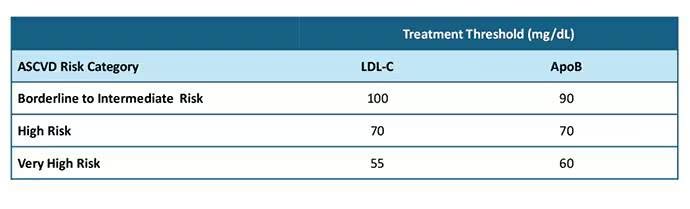
Summarises a July 2025 review: guidelines now target LDL-C <55 mg/dL (<40 after a recurrent event), PCSK9 inhibitors add 59-62% LDL reduction, and evidence (FOURIER, CTT meta-analysis, PCSK9 genetics) supports benefit to very low levels. It says safety concerns such as hemorrhagic stroke, cognitive decline (EBBINGHAUS) and hormone disruption are unsupported, while fewer than one in four high-risk patients reach target.

Aging stem cells open a direct platelet pathway that raises thrombosis risk (Cell 2024)

Jun 09, 2024 · Gokhan Can ♥ 5 · 💬 12 Heart attack, stroke & procedures

Shares the abstract of a Cell paper showing that with age, hematopoietic stem cells increasingly make platelets through a direct route that bypasses the usual progenitor cascade. The platelets from this pathway are more prone to thrombosis and cause higher platelet counts. It offers a possible cellular explanation for why clotting-related cardiovascular disease rises so steeply in older people.

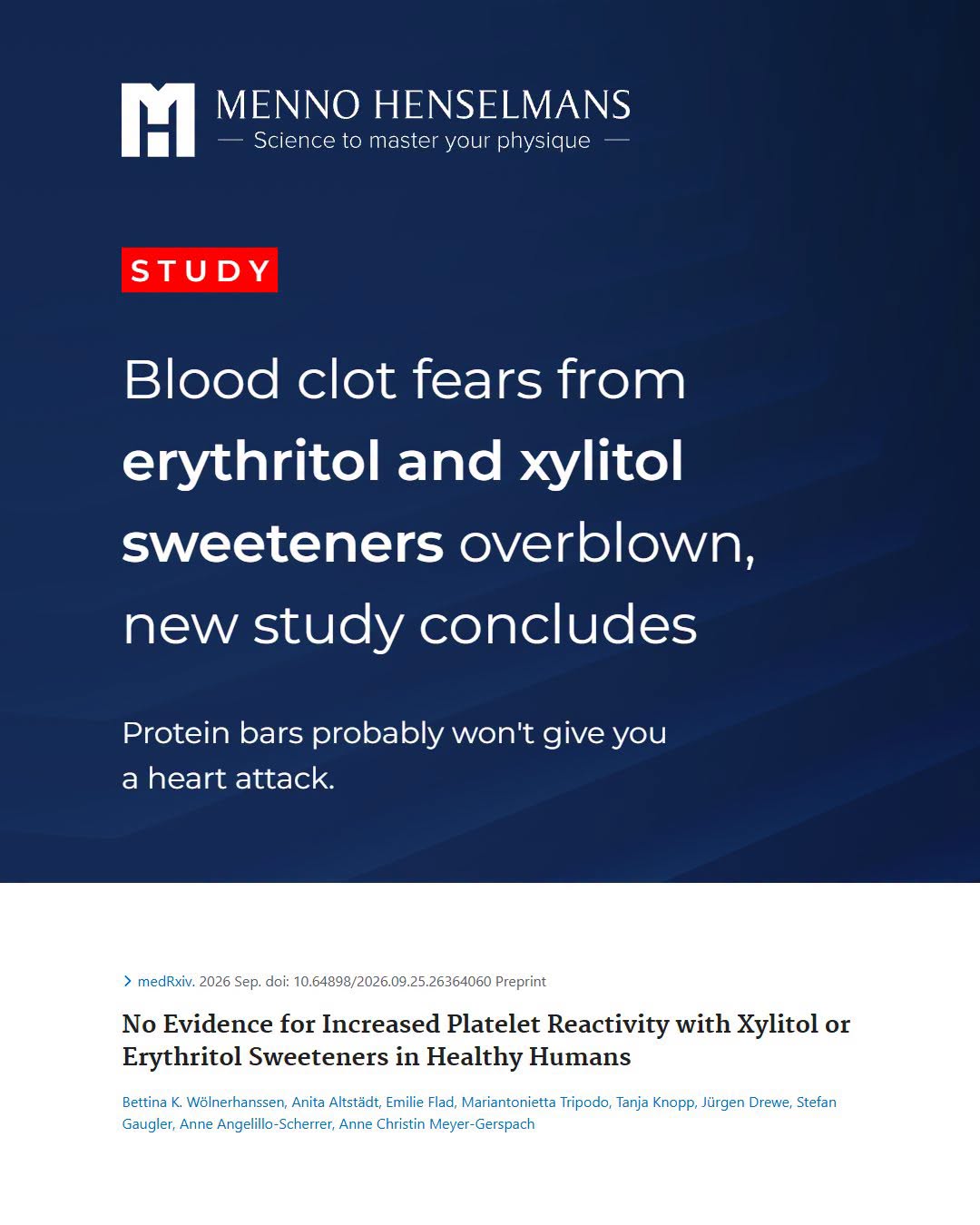
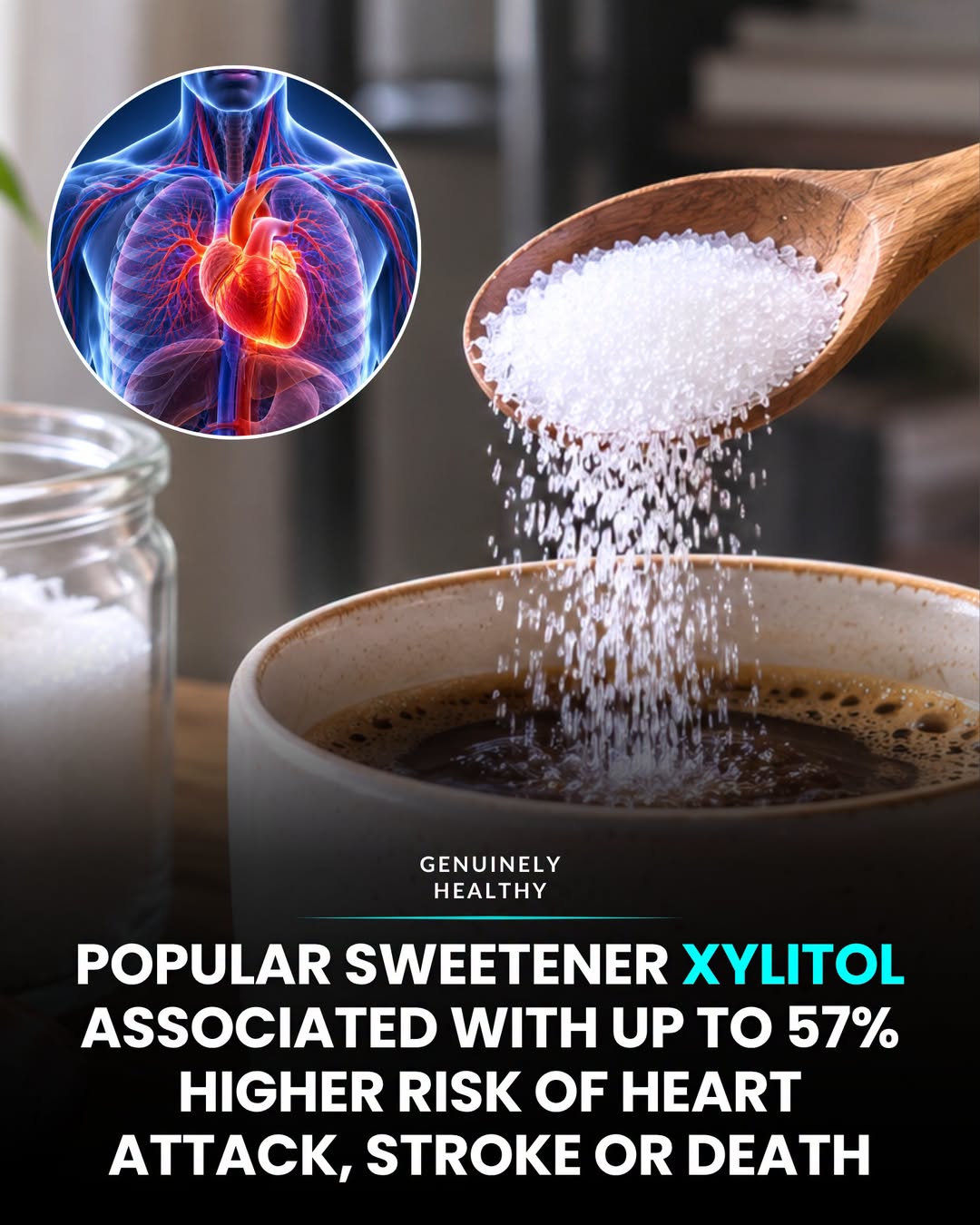
Erythritol and xylitol heart risk is unclear; the Cleveland Clinic studies were limited

Oct 27, 2026 · Louis Nervegna ♥ 7 · 💬 5 Carbs, fiber, sugar & whole grains

Louis notes it is unclear whether sugar alcohols raise CVD risk. A shared post explains that the group linking higher blood erythritol and xylitol to more heart attacks and strokes also showed that 30 g doses made platelets more reactive, but both studies had serious problems, including that the association study did not measure intake.

Small dense HDL tied to coronary calcium in insulin resistance; drugs may offset 40%

Nov 26, 2024 · Louis Nervegna ♥ 7 · 💬 4 Insulin resistance & diabetes

Louis highlights a paper in the International Journal of Cardiology reporting that small HDL particles are associated with prediabetes, diabetes and subclinical coronary atherosclerosis. The authors suggest lipid-lowering drugs may reduce up to 40% of the coronary calcification linked to high small HDL. Louis concludes that high HDL is not always good and that people with insulin resistance considering a statin should read the paper.

Mayo Clinic study: skin generates senescent cells that may age the heart and other organs

Oct 23, 2024 · Louis Nervegna ♥ 18 · 💬 2 Inflammation & CRP

Louis shares a Mayo Clinic study reported by Neuroscience News suggesting skin makes senescent cells that travel to other tissues, including the cardiovascular system, and accelerate aging. He adds that most circulating CRP originates in skin and advises caring for your skin to lower inflammation. The linked article is framed around brain aging, and the CRP claim is Louis's own.

Rapamycin for 8 weeks improved diastolic and endothelial function in six older men

Oct 31, 2025 · Gokhan Can ♥ 7 · 💬 2 Aging & longevity

Summarises a proof-of-concept open-label pilot in six healthy men aged 70-76 taking rapamycin 1 mg daily for 8 weeks. It was safe and well tolerated; systolic function was unchanged but cardiac MRI showed better diastolic function (peak filling rate p=0.014) and endothelial function improved (p=0.020). Very small and uncontrolled; larger placebo-controlled trials are needed.

Fibrates lower triglycerides and may reduce CVD risk in metabolic syndrome

Mar 01, 2024 · Gokhan Can ♥ 5 · 💬 3 LDL, ApoB & lipid panel

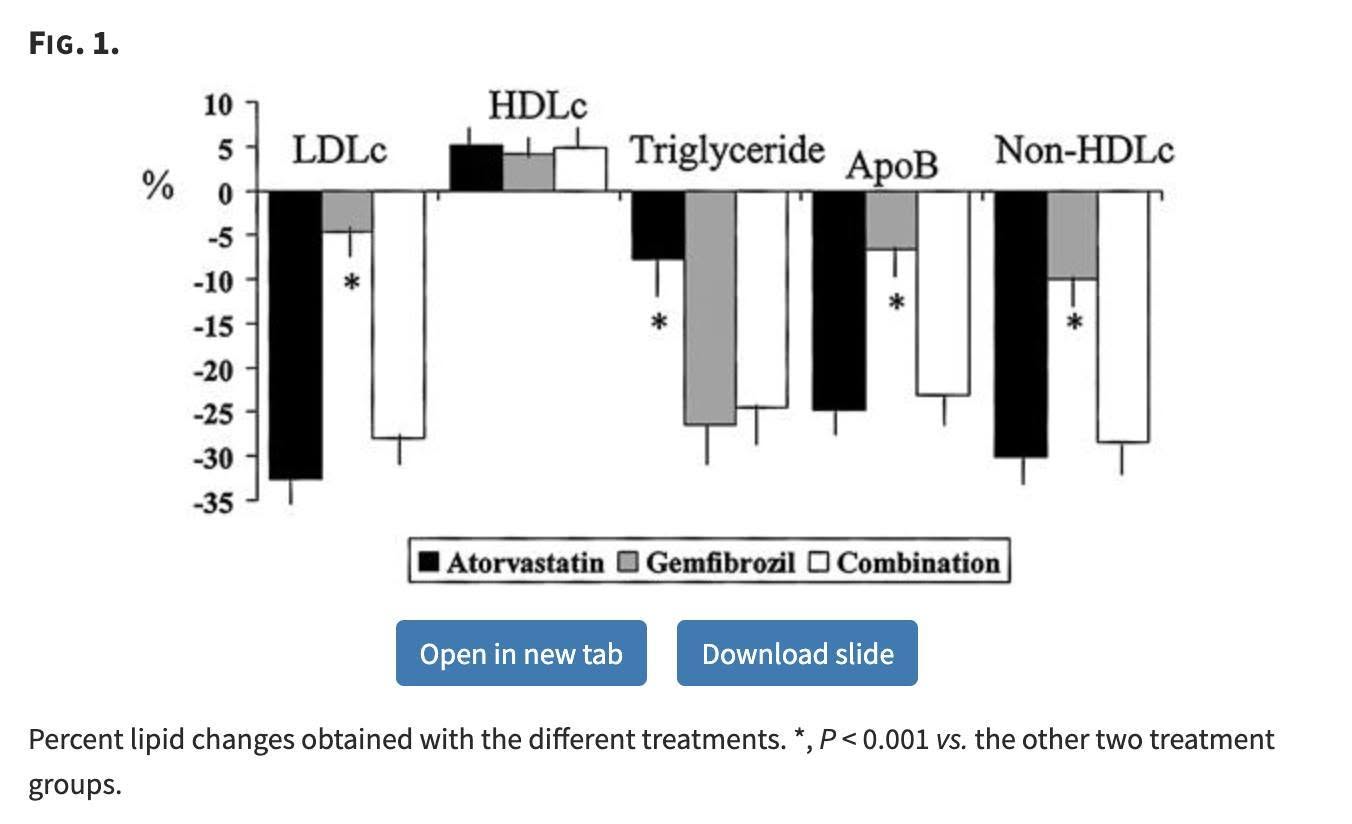
Brief overview of fibrates (fenofibrate, gemfibrozil), PPAR-alpha agonists that lower triglycerides, raise HDL and have anti-inflammatory effects. Meta-analyses and real-world data suggest a role for CVD risk reduction in people with metabolic syndrome, especially high triglycerides and low HDL. A 2020 review notes that several RCTs did not show clear benefit overall.

WOSCOPS 20-year follow-up: 5 years of pravastatin gave lasting mortality and event benefit

Apr 07, 2026 · Gokhan Can ♥ 7 · 💬 1 Statins

Describes the 20-year follow-up of the West of Scotland Coronary Prevention Study: 5 years of pravastatin in middle-aged men with high cholesterol and no prior CHD produced a lasting legacy effect, with reduced all-cause, CV and coronary mortality and fewer heart failure and MI hospitalizations. No excess cancer or non-CV mortality was seen.

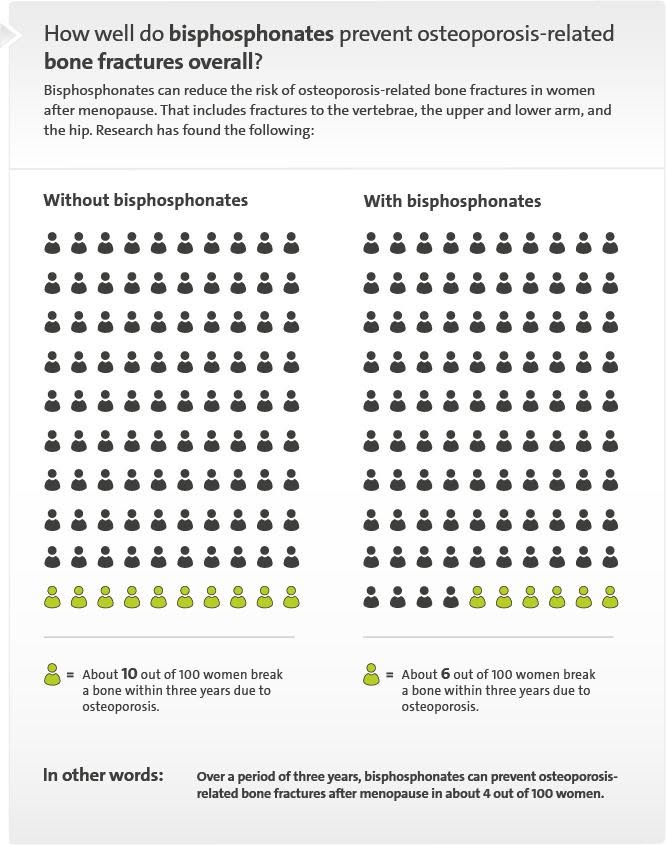
Bisphosphonates for bone loss: fracture reductions summarized

Oct 13, 2024 · Gokhan Can ♥ 4 · 💬 1 ↩ 1 Hormones, women's & men's health

Review of bisphosphonate evidence for osteoporosis. Alendronate cuts vertebral and non-vertebral fractures by about 50% in women with prior vertebral fractures; yearly IV zoledronic acid cuts vertebral fractures 70% and hip fractures 40%; a 2017 meta-analysis found overall fracture OR 0.62. Not a heart topic but relevant to aging.

Long-term ADHD medication linked to 4% higher CVD risk per year of use

Dec 07, 2023 · Louis Nervegna ♥ 2 · 💬 1 Blood pressure, salt & potassium

Louis shares a report on a JAMA Psychiatry nested case-control study from Karolinska Institutet. Long-term ADHD drug use was associated with 4% greater CVD risk per year of use, with the largest rise in the first three years, in children and adults, females and males. Hypertension and arterial disease drove most of the association, and stimulants were also linked. Observational, so association not proof of causation.

Berberine 500 mg twice daily lowered ApoB in two trials; CVD prevention unproven

Oct 29, 2026 · Louis Nervegna ♥ 1 Supplements & vitamins

A shared summary says two randomized trials of 500 mg berberine twice daily reduced ApoB, with a reduction nearly three times greater in women, though across separate trials. A newer study of 84 men identified a 'Berberine Signature' of 92 proteins linked to about 13% lower odds of ischemic heart disease in UK Biobank, but those participants were not necessarily taking berberine, so it does not prove prevention.