HD-OPM Archive
Topics › Heart rhythm & heart failure

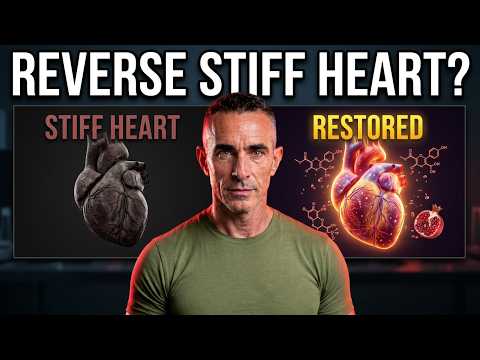
Video explainer: urolithin A and cellular cleanup in HFpEF (preclinical)

Louis Nervegna · Oct 12, 2026 · ♥ 2 reactions · 0 comments · original Facebook post
Heart rhythm & heart failureGut microbiomeSupplements & vitamins
AI summary & key facts

A video from a medical-education channel on how urolithin A, made by gut bacteria from pomegranate and walnut ellagitannins, may help the stiff heart of HFpEF through mitochondrial quality control. The post describes the work as pre-clinical.

#urolithinaHD #heartfailureHD #pomegraniteHD

Shared from AlchePharma · original post

Could a gut-derived metabolite help flip the switch on one of cardiology’s toughest puzzles? 🫀🔬

In Heart Failure with Preserved Ejection Fraction (HFpEF), the heart can still pump—but it struggles to relax. Because standard pump tests often look normal, this "stiff heart" condition is notoriously difficult to manage, with few targeted therapeutic options available.

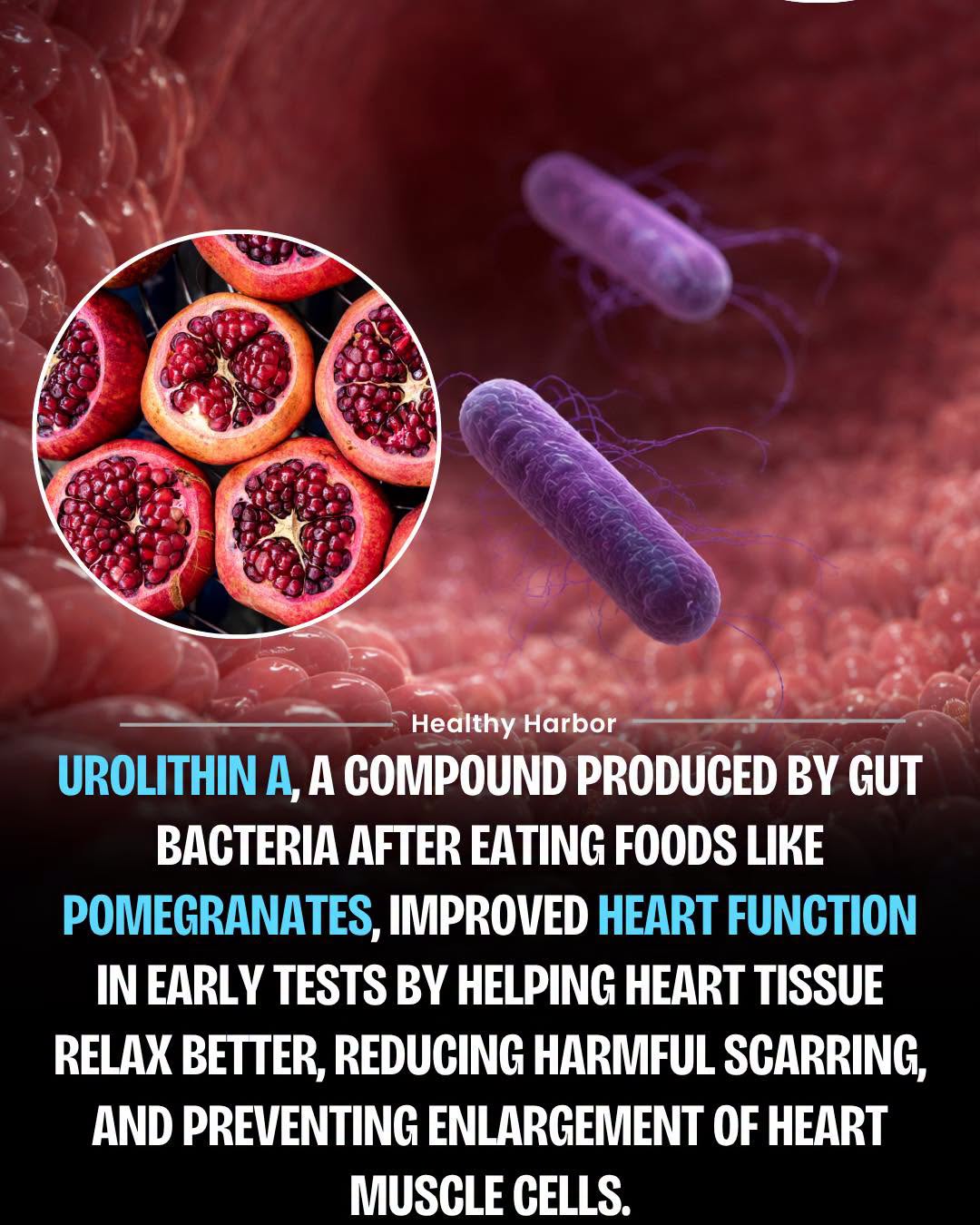
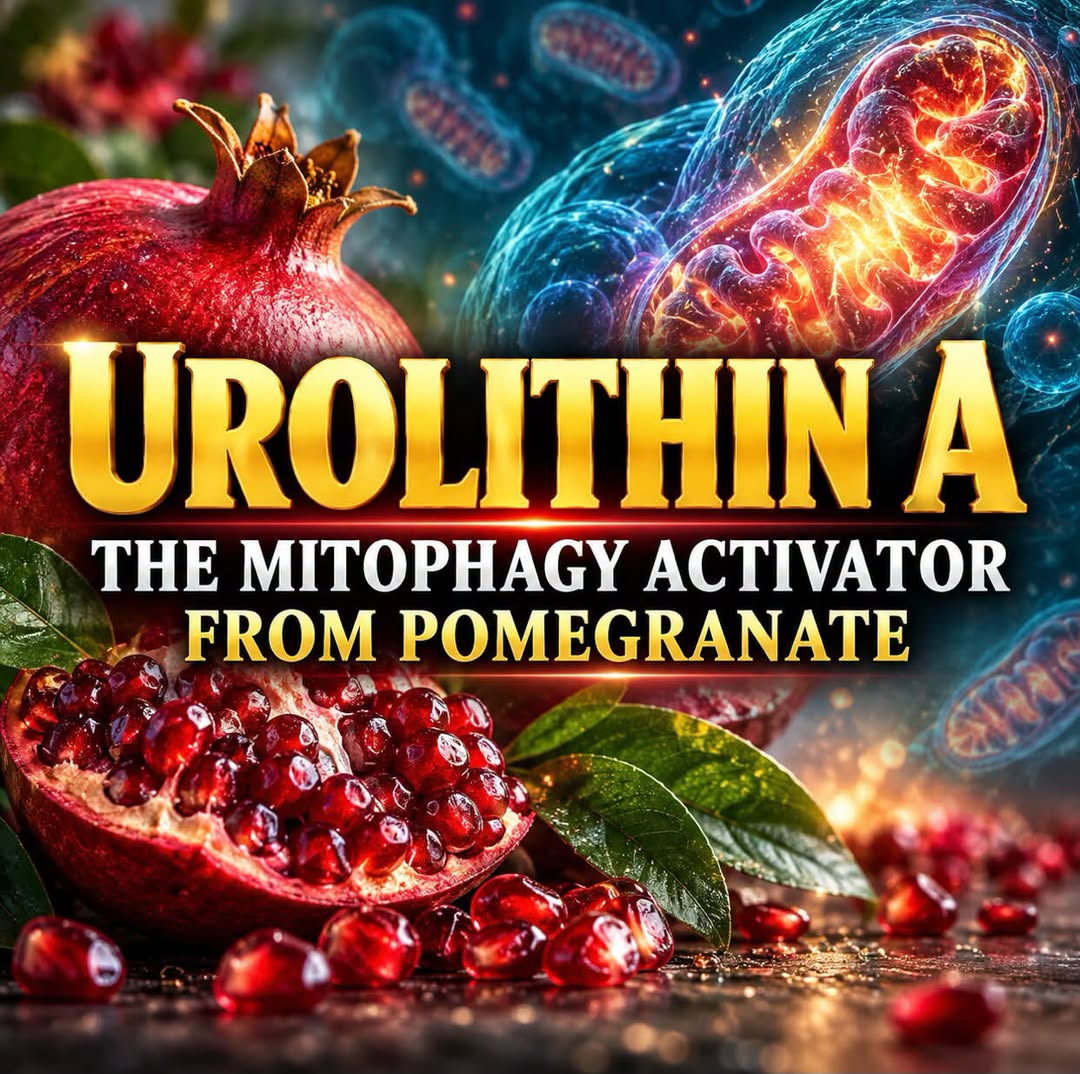
Enter Urolithin A—a compound generated when our gut microbiome metabolizes ellagitannins found in foods like pomegranates and walnuts. 🧬✨

Recent research points to a fascinating mechanism: how cellular cleanup and mitochondrial health might directly influence myocardial relaxation and tissue stiffness.

Can targeting cellular quality control offer a new pathway for diastolic dysfunction?

In our latest deep dive, we break down: 🔬 The biophysical mechanics of myocardial relaxation in HFpEF
🧫 How gut microbes convert dietary precursors into active metabolites
📊 The data behind this promising pre-clinical research

👉 Watch the full episode breakdown here:

▶Video · YouTube · VHFILMThe Stiff-Heart Switch: Urolithin A and Heart Failure (HFpEF) Ep. 1314 OCT 26Why do millions of hearts pump normally yet still leave people breathless? In heart failure with preserved ejection fraction (HFpEF, said "heff-peff"), the heart squeezes fine but is too stiff to relax and refill. It affects an estimated 20 million-plus people worldwide and is hard to spot and hard to treat. A new study from King's College London found a…youtu.be

(Plus, check the pinned comment on the video to view the full explanatory infographic!) 📑

#Cardiology #HeartFailure #HFpEF #CardiovascularHealth #UrolithinA #TranslationalMedicine #MitochondrialHealth #MedicalResearch #GutMicrobiome #clinicalscience

← newer: High-dose niacin shows early promise in glioblastoma: 82% prolder: CoQ10 video share with no description →