HD-OPM Archive
Topics › Aging & longevity

Urolithin A from pomegranate, walnuts and berries acts as a mild mitochondrial stressor

Louis Nervegna · Dec 09, 2025 · ♥ 36 reactions · 29 comments · original Facebook post
Aging & longevityNuts, fish, coffee, tea, cocoa & other foodsSupplements & vitamins
AI summary & key facts

Louis shares a Bredesen post on urolithin A de-aging immune T cells and adds that it is a mild mitochondrial toxin like statins and metformin, creating hormetic stress that activates defense pathways. It is brief and largely a mechanistic opinion with a news link.

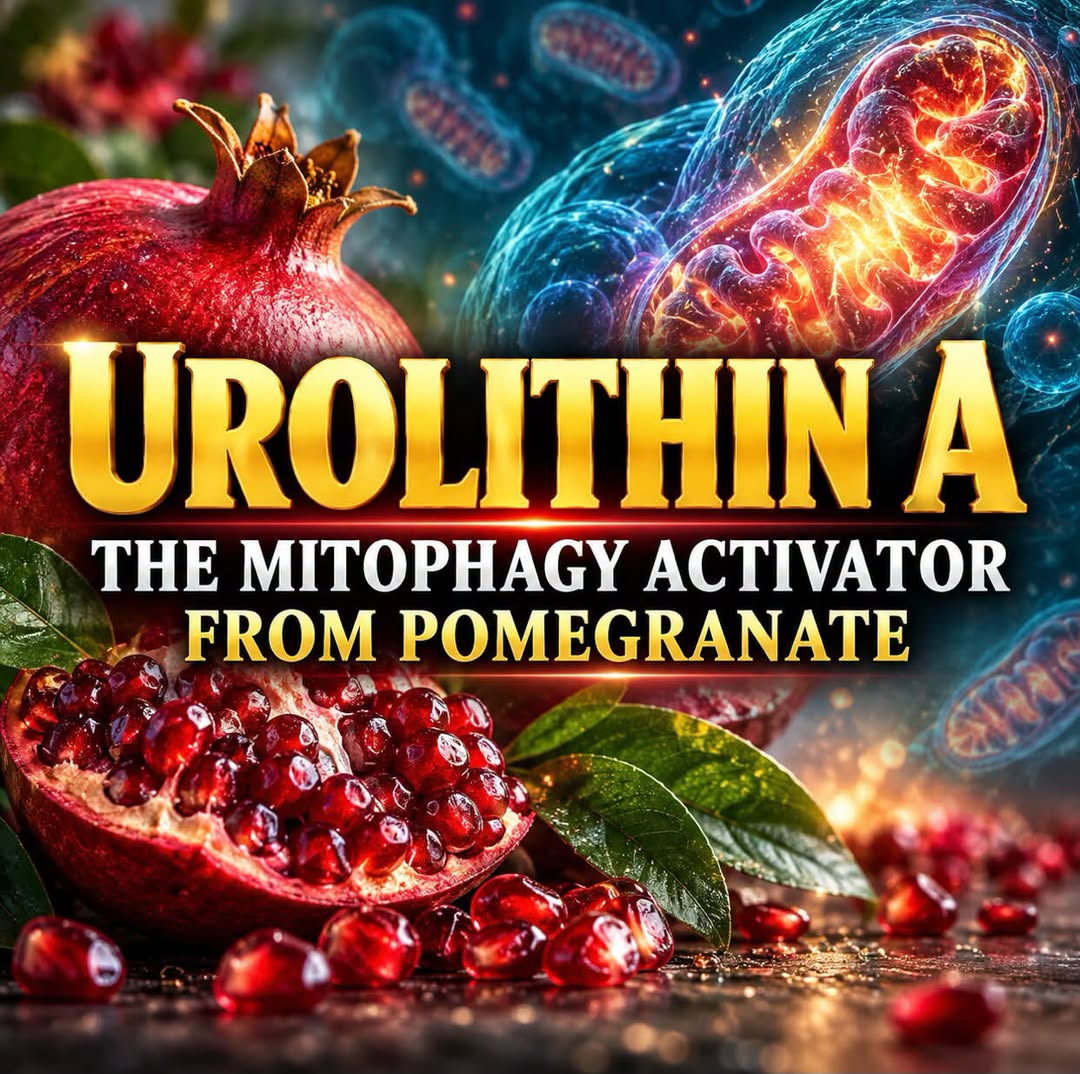
Urolithin A is one of the reasons why pomegranates, walnuts, and berries are good for you.

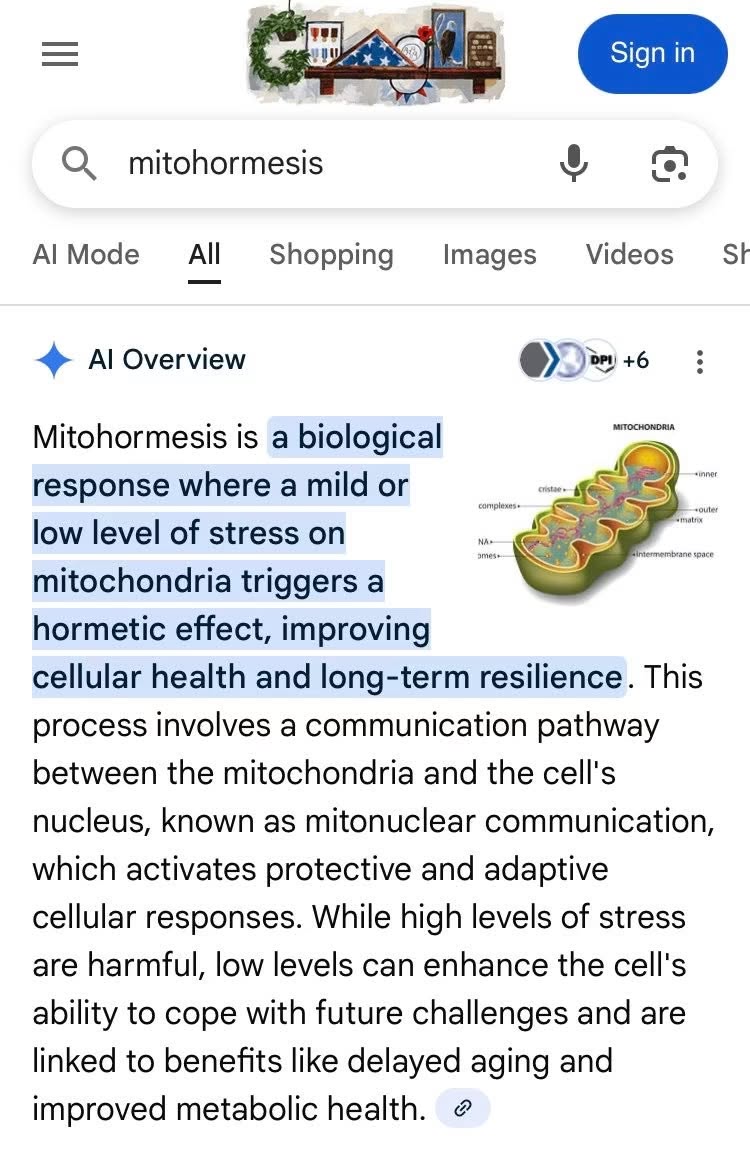
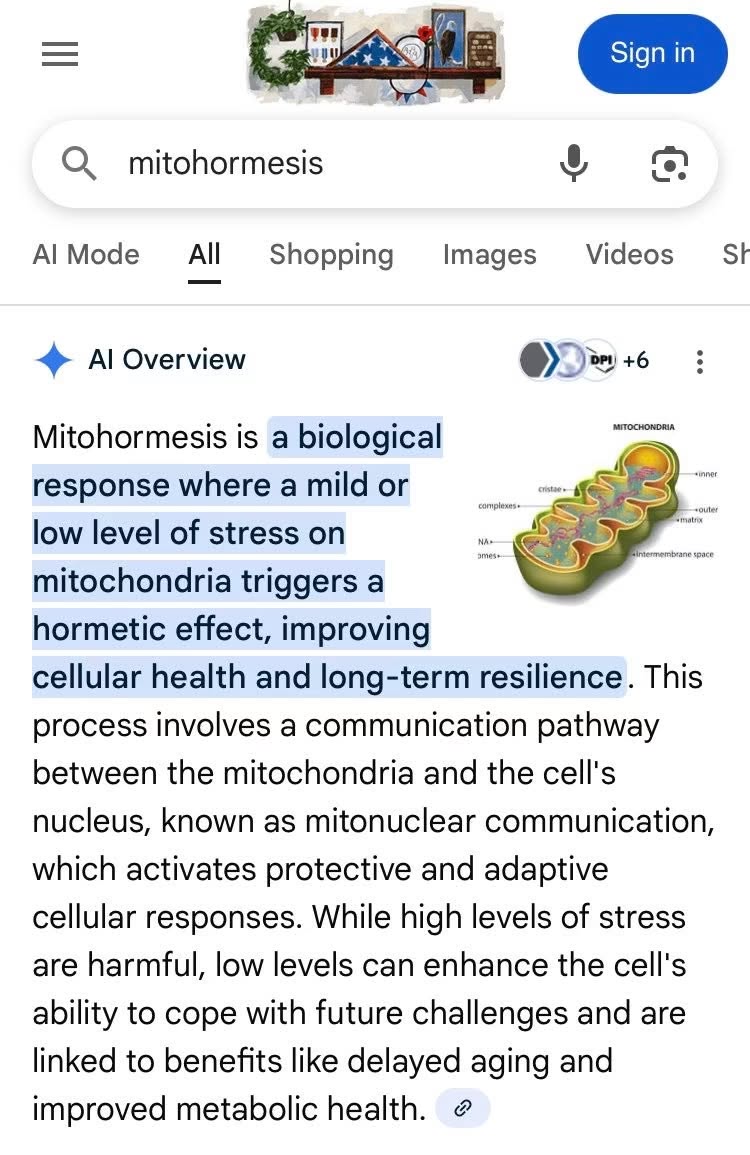
It is a mild mitochondrial toxin, like statins and metformin. It creates hormetic stress in mitochondria through a process called mitohormesis:

↪ Statins create mild mitochondrial stress that triggers protective mitohormesis

↪ Statins activate AMPK via mild mitochondrial stress, which Louis argues is beneficial

This hormetic stress turns on defense pathways in the mitochondria that improve the health of the cell.

#urolithinaHD #hormesisHD #mitohormesisHD #pomegraniteHD #walnutHD #berriesHD #statinsHD #metforminHD

Urolithins, particularly urolithin A, are compounds that have a growing body of research supporting their role in healthy aging. Now, they've been found to "de-age" our immune systems, enhancing mitochondria in specific T-lymphocytes. These healthy compounds are created in your gut from polyphenols found in pomegranates, walnuts, and some berries, and are thus postbiotics. Similarly, prevention of immunosenescence occurs with Himalayan tartary buckwheat, also due to polyphenols. Scientists Found a Compound That Can De-Age Our Immune Systems (Popular Mechanics)

No photo description available.
← newer: Tirzepatide and semaglutide linked to fewer heart attacks, solder: Black cumin meta-analyses show better lipids, BP and glucose →