HD-OPM Archive
Hashtags

#cardiovascularhealth

33 posts

Strategies for lowering TMAO: diet, supplements and repurposed drugs

Aug 29, 2025 · Gokhan Can ♥ 22 · 💬 18 ↩ 1 Gut microbiome

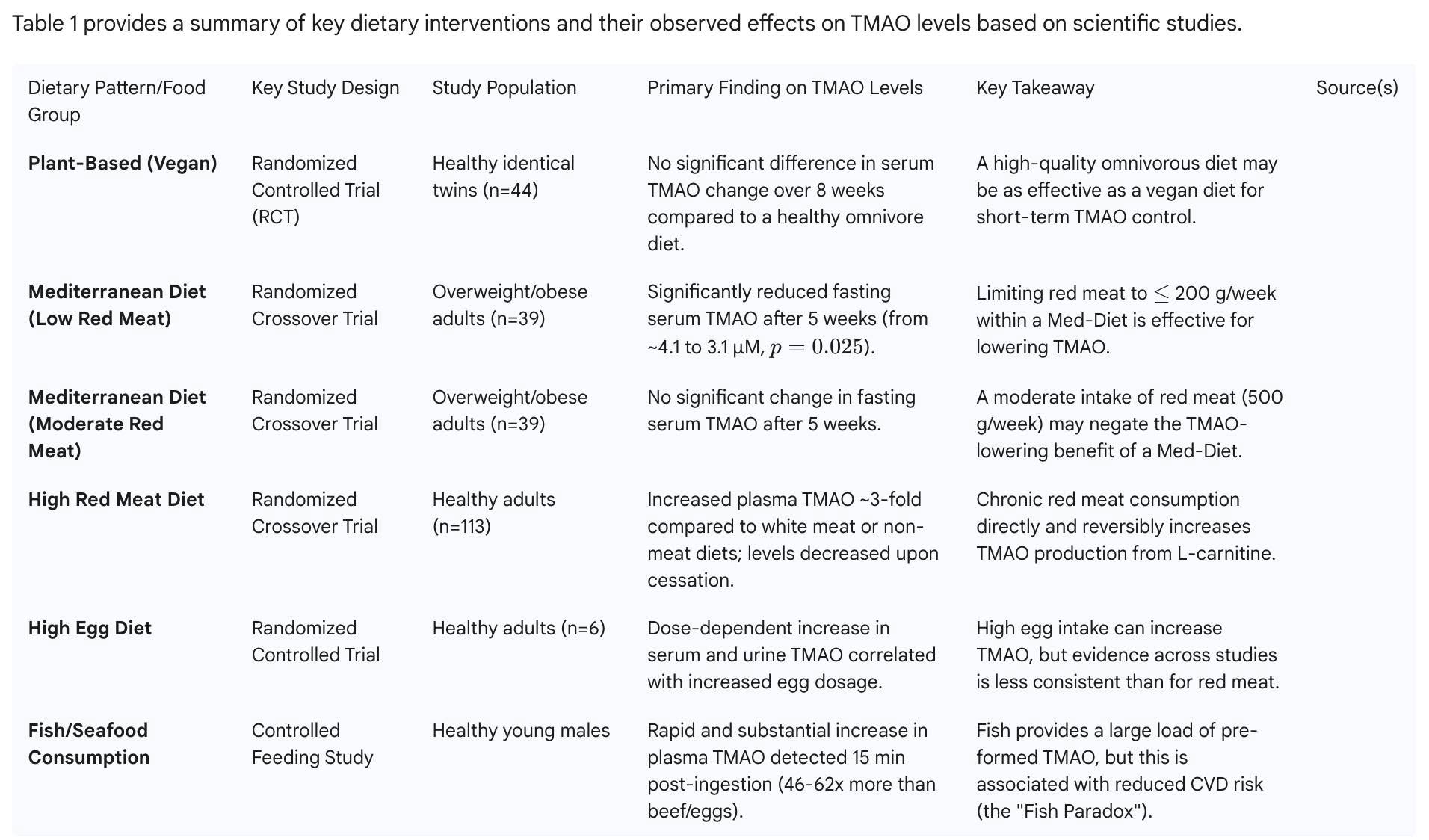
A written review of how TMAO forms from choline and carnitine via gut bacteria and the liver, and how to lower it. It points to less red meat and egg yolk, a fiber-rich Mediterranean-style diet, polyphenols and allicin, and statins and metformin. Gokhan says TMAO is not his top concern but worth knowing; he mentions a small human berberine trial that lowered TMAO and plaque.
Pomegranate juice and heart health: CIMT, blood pressure and ACE evidence reviewed

Jan 15, 2025 · Gokhan Can ♥ 15 · 💬 16 Nuts, fish, coffee, tea, cocoa & other foods

A review of pomegranate juice and cardiovascular disease credits its polyphenols (ellagitannins, punicalagins, anthocyanins). It cites a study where juice for up to a year reduced carotid intima-media thickness by up to 35% in carotid stenosis patients while controls rose 10%, and a meta-analysis of 8 RCTs showing lower blood pressure.

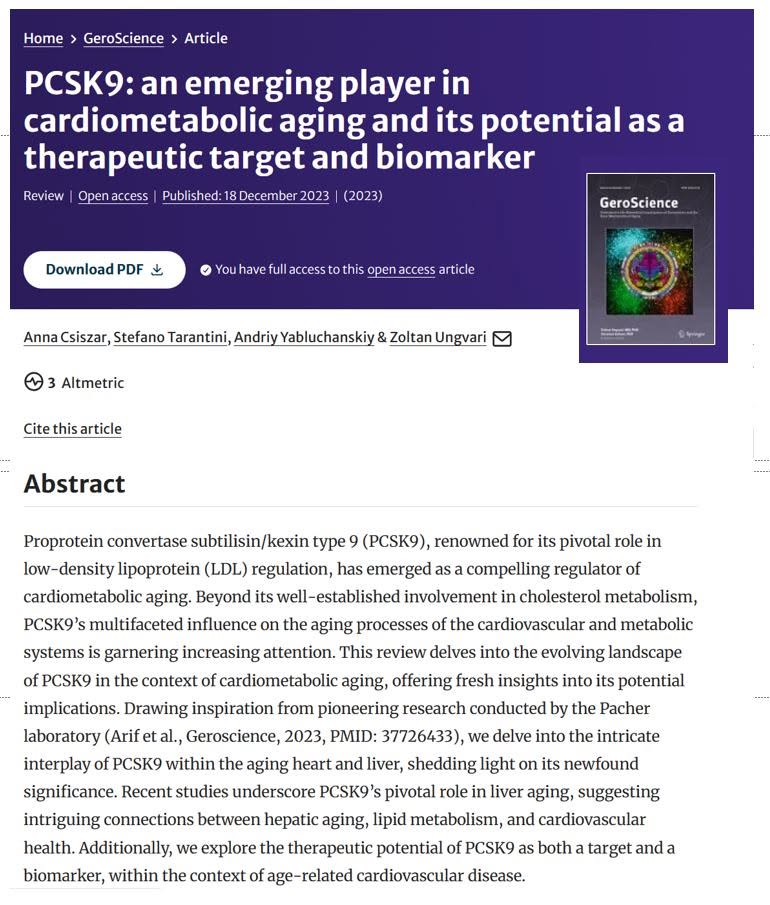
PCSK9 inhibition may slow cardiometabolic aging beyond lowering cholesterol

Dec 21, 2023 · Louis Nervegna ♥ 15 · 💬 11 PCSK9, ezetimibe & newer drugs

Louis highlights a GeroScience open-access review proposing PCSK9 inhibition may ameliorate age-related cardiac and liver pathology, and that a multivariate genome-wide analysis of aging traits identified PCSK9 as a potential drug target for healthy aging. He adds that botanical compounds such as berberine also inhibit PCSK9. The anti-aging role remains an emerging research area.

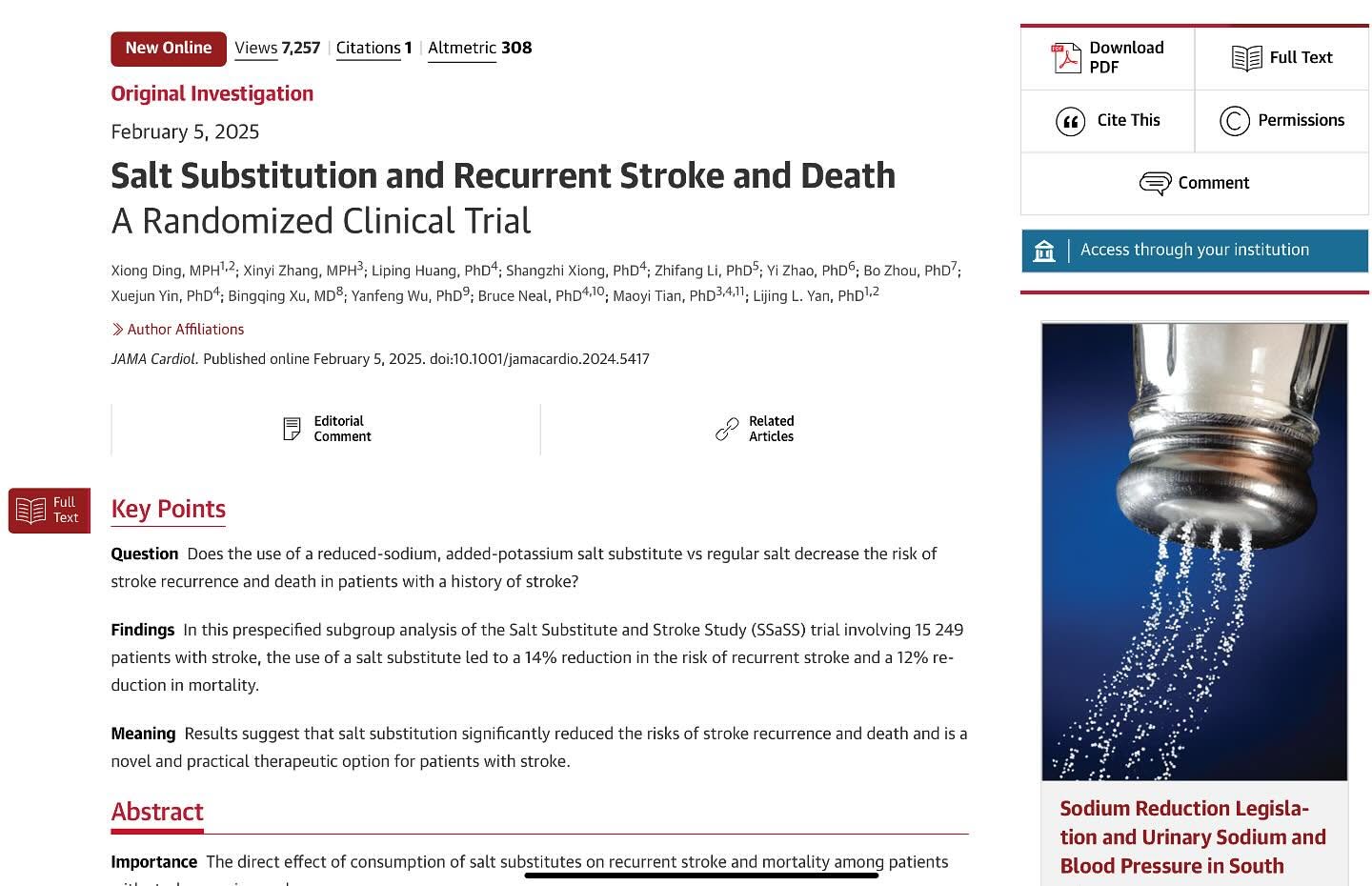
SSaSS in stroke survivors: potassium salt substitute cut recurrent stroke 14%, deaths 12%

Mar 13, 2025 · Louis Nervegna ♥ 10 · 💬 12 Blood pressure, salt & potassium

Louis shares Luigi Fontana's summary of a cluster randomized trial in 15,249 stroke patients in northern China, in which a low-sodium, potassium-enriched salt substitute reduced recurrent stroke and death with no increase in hyperkalemia. Louis personally uses a 50/50 sodium chloride and potassium chloride blend that tastes nearly like regular salt.

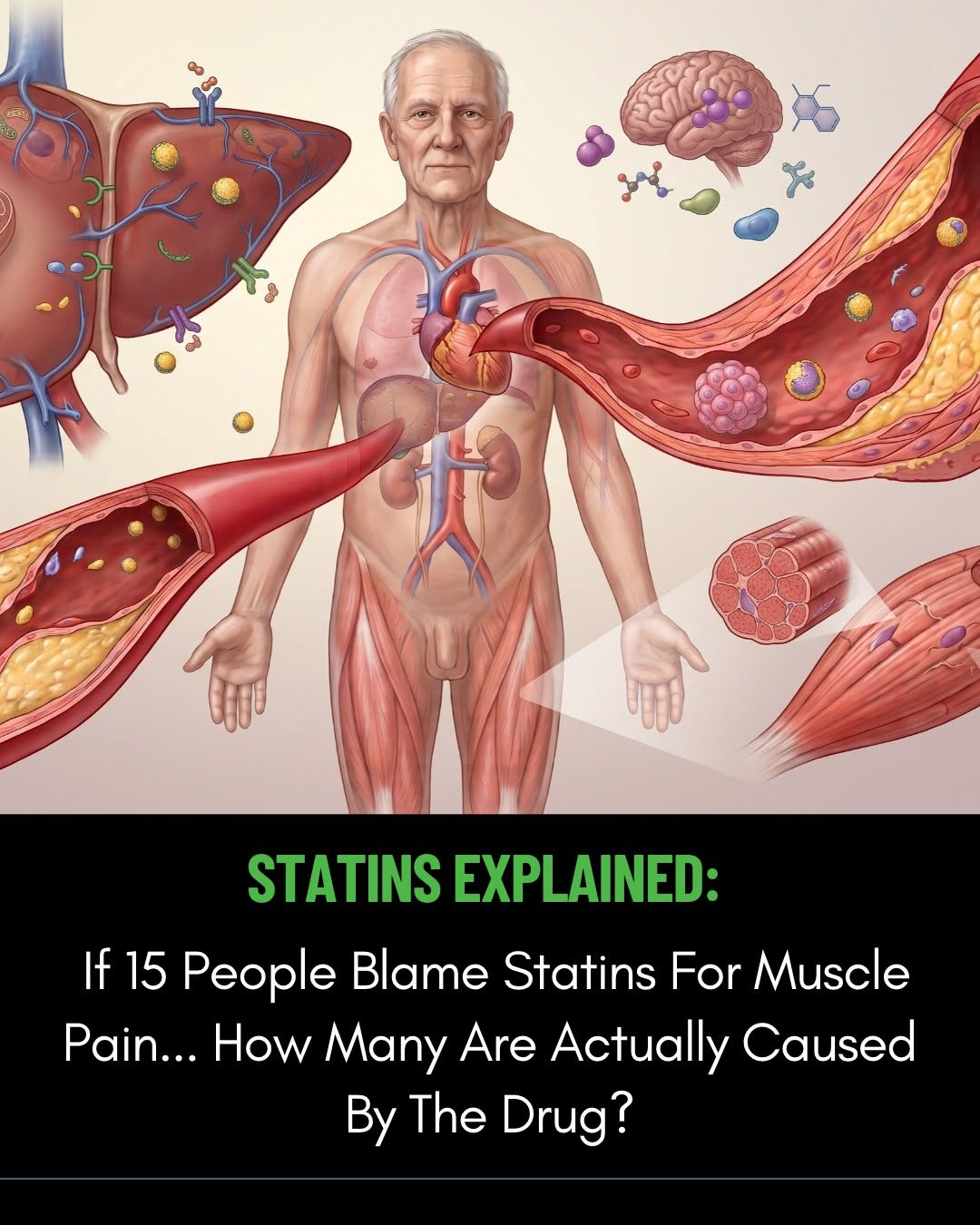
Pooled blinded trials: statins cause only about 1 in 15 reported muscle aches

Oct 23, 2026 · Louis Nervegna ♥ 7 · 💬 12 Statins

A pooled analysis of 19 blinded trials with 123,940 people found that over about four years, 27.1 of 100 on a statin reported muscle pain or weakness versus 26.6 of 100 on placebo. This implies that the vast majority of muscle complaints on statins are not caused by the drug, consistent with a nocebo effect.

Statins neither cause nor cure cancer: meta-analyses of randomized trials show no effect

Dec 31, 2024 · Gokhan Can ♥ 9 · 💬 4 Statins

Reviews the evidence on statins and cancer. A 2012 meta-analysis of 134,537 participants in 22 RCTs found identical cancer incidence (1.4% per year) and mortality (0.5% per year) in statin users and non-users, and a 2023 meta-analysis of 35 RCTs found the same. Anticancer effects in specific contexts remain preclinical or suggestive.

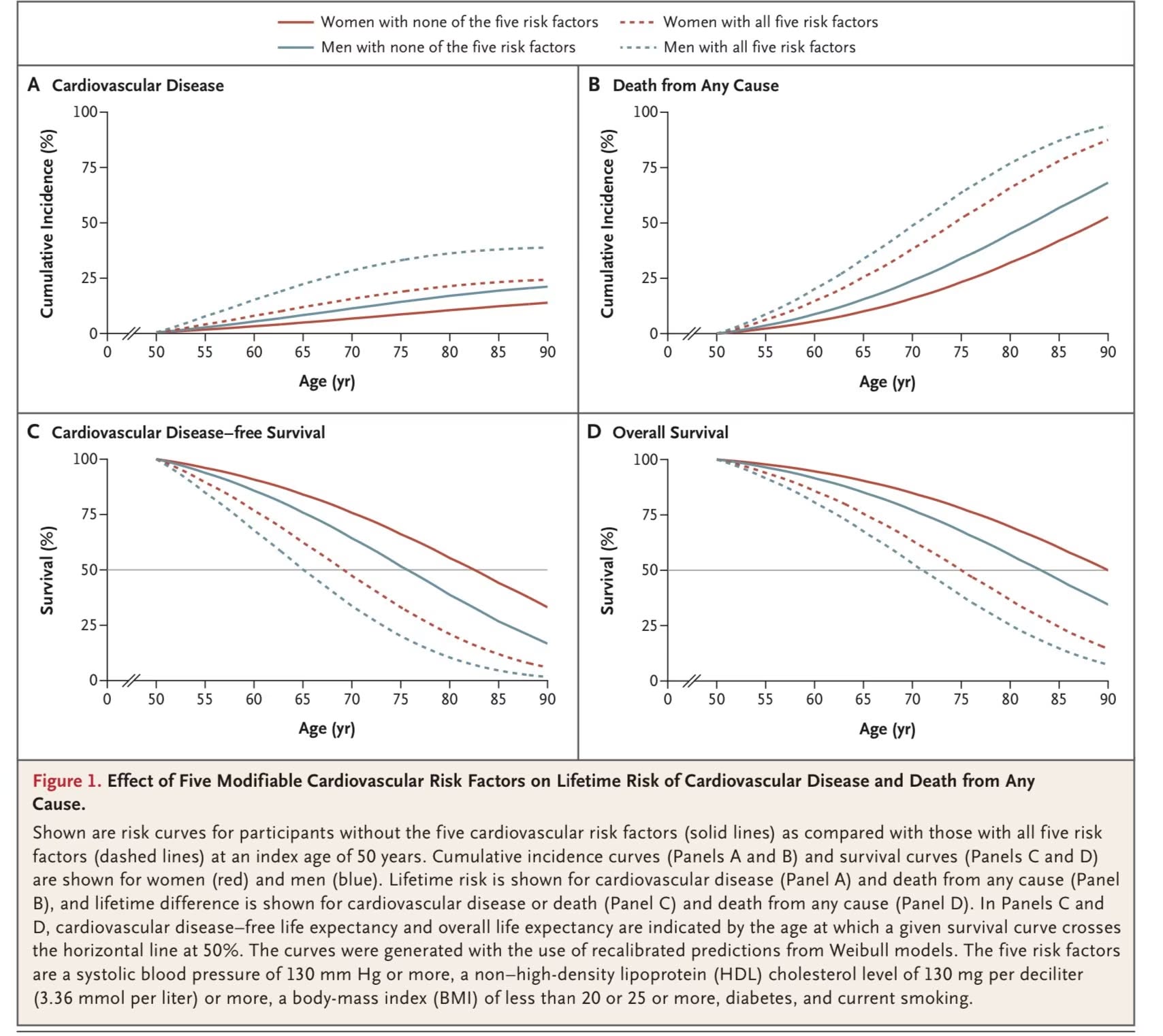
No risk factors at 50 meant up to 13.3 more CVD-free years in a 2M-person NEJM analysis

Apr 25, 2025 · Louis Nervegna ♥ 20 · 💬 1 Cardiovascular disease: the big picture

Luigi Fontana's summary of a NEJM pooled analysis of over 2 million people in 39 countries on blood pressure, non-HDL cholesterol, BMI, diabetes and smoking. At age 50, no risk factors versus all five meant up to 13.3 more CVD-free years and lower lifetime CVD risk; modifying risk factors at 55-60 still helped. Only about half of CVD events are attributable to the five classic factors.

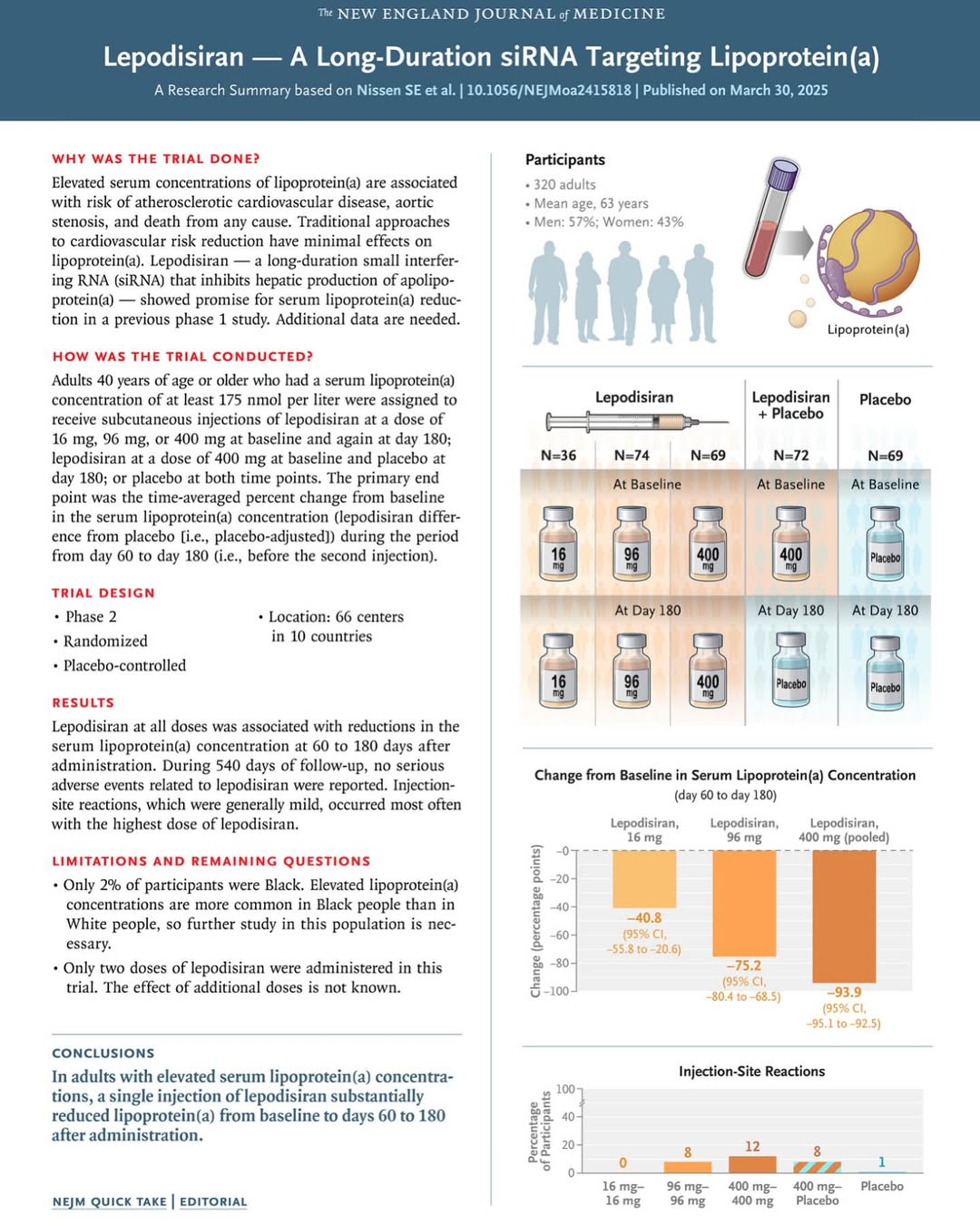
Lepodisiran siRNA cut Lp(a) by 93.9% at 400 mg in a 320-person NEJM trial

May 07, 2025 · Louis Nervegna ♥ 15 · 💬 1 Lp(a)

Luigi Fontana's summary of an NEJM trial of lepodisiran, an siRNA that blocks hepatic Lp(a) production. At the 400 mg dose Lp(a) fell by 93.9% placebo-adjusted, lasting up to a year, with only mild injection-site reactions. It offers a potential option for people with genetically high Lp(a) who cannot lower it with lifestyle or standard drugs.

Anabolic steroid users had 3x heart attack and 8.9x cardiomyopathy risk (Circulation)

Mar 15, 2025 · Louis Nervegna ♥ 4 · 💬 5 Hormones, women's & men's health

Louis notes that excess exogenous testosterone is also an anabolic steroid and shares Luigi Fontana's summary of a Circulation study comparing 1,189 anabolic androgenic steroid users with 59,450 controls over 11 years. Users had several-fold higher risks of heart attack, revascularization, clots, arrhythmias, cardiomyopathy and heart failure.

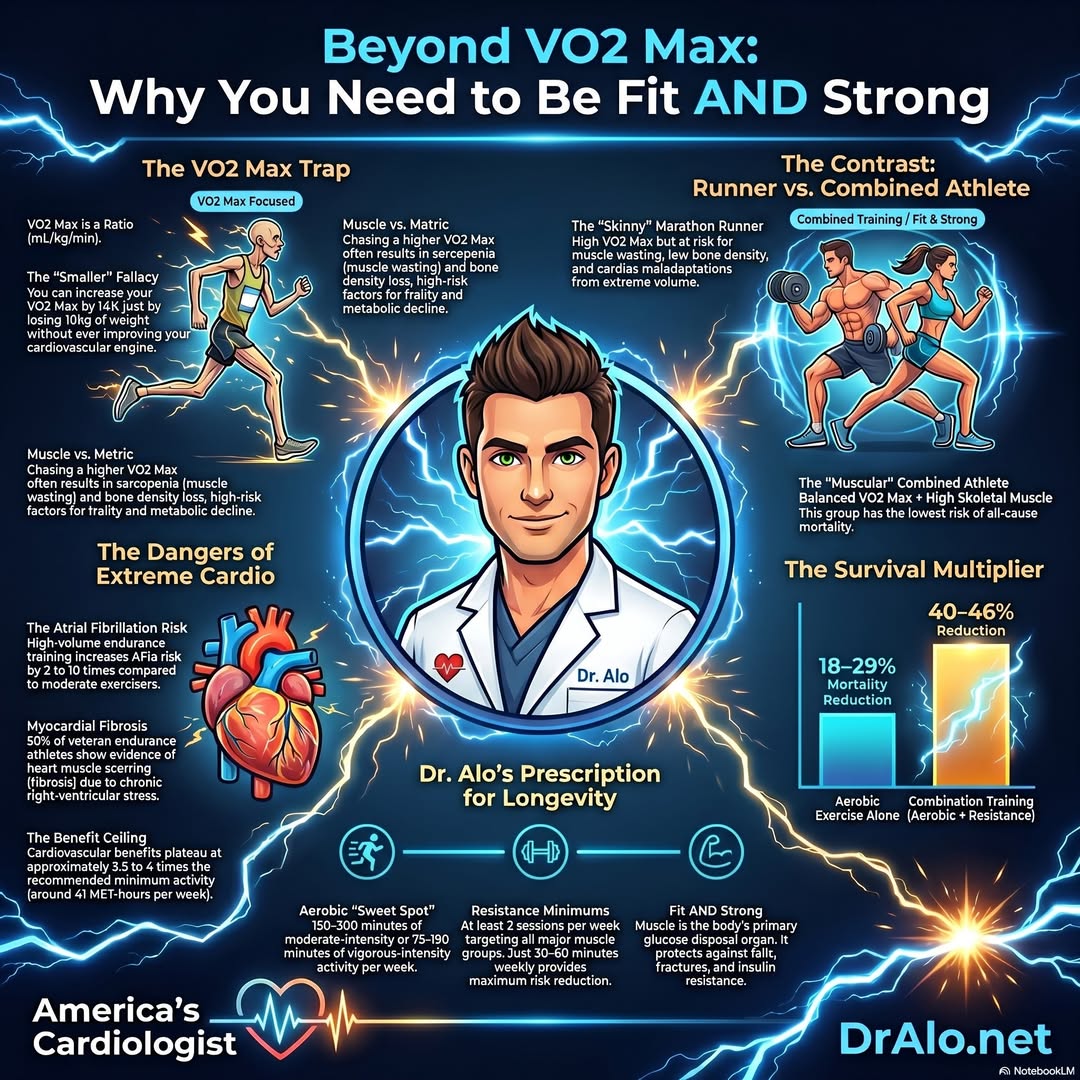
VO2 max is a ratio, and chasing it can mislead about heart health

Jul 19, 2026 · Louis Nervegna ♥ 13 · 💬 1 Exercise & fitness

Louis agrees with a critique of influencers who treat VO2 max as the key heart-health metric. VO2 max is oxygen consumption divided by body weight, so it can rise through weight loss without real fitness gain. He also notes AHA and ACC statements recognizing high-volume intense exercise can have downsides.

WOSCOPS 20-year follow-up: 5 years of pravastatin gave lasting mortality and event benefit

Apr 07, 2026 · Gokhan Can ♥ 7 · 💬 1 Statins

Describes the 20-year follow-up of the West of Scotland Coronary Prevention Study: 5 years of pravastatin in middle-aged men with high cholesterol and no prior CHD produced a lasting legacy effect, with reduced all-cause, CV and coronary mortality and fewer heart failure and MI hospitalizations. No excess cancer or non-CV mortality was seen.

North Karelia: swapping butter for vegetable oils credited with 80%+ fewer coronary deaths

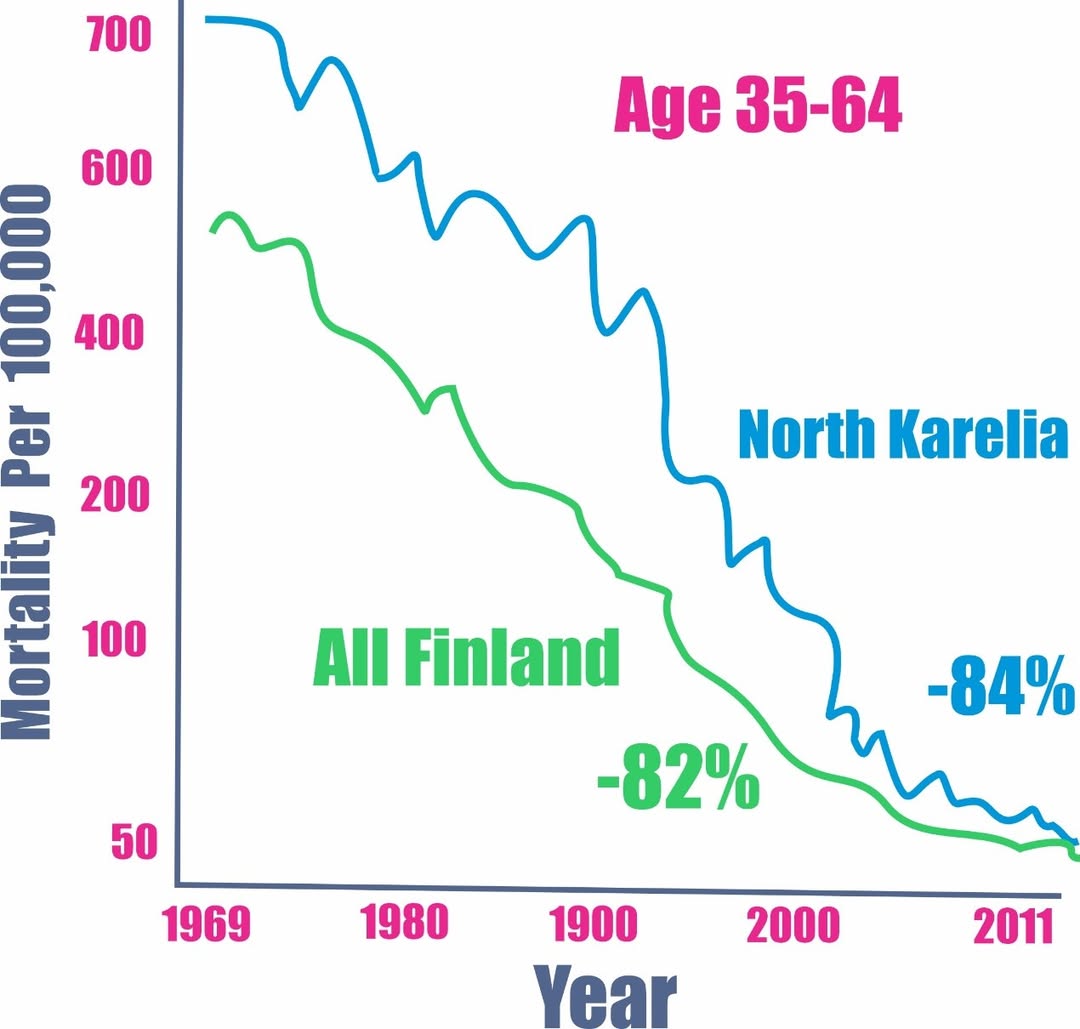
Louis says replacing saturated with unsaturated fat is believed to be a main reason heart deaths dropped in Finland in the 1970s and 1980s. The shared cardiologist's post describes North Karelia's 700 per 100,000 CVD death rate in 1972, with 24% of calories from saturated fat, and a 20% cholesterol drop with coronary deaths in working-age men falling 82%.

Fiber and longevity: observational links plus RCTs showing better risk factors

Oct 06, 2026 · Louis Nervegna ♥ 2 · 💬 1 Carbs, fiber, sugar & whole grains

A summary explaining that most evidence linking fiber to longer life is observational but consistent across countries and populations. Randomized trials, though too short for mortality, show fiber improves glucose, HbA1c, insulin resistance, blood pressure and LDL. The lack of a decades-long mortality trial is not evidence of no benefit.