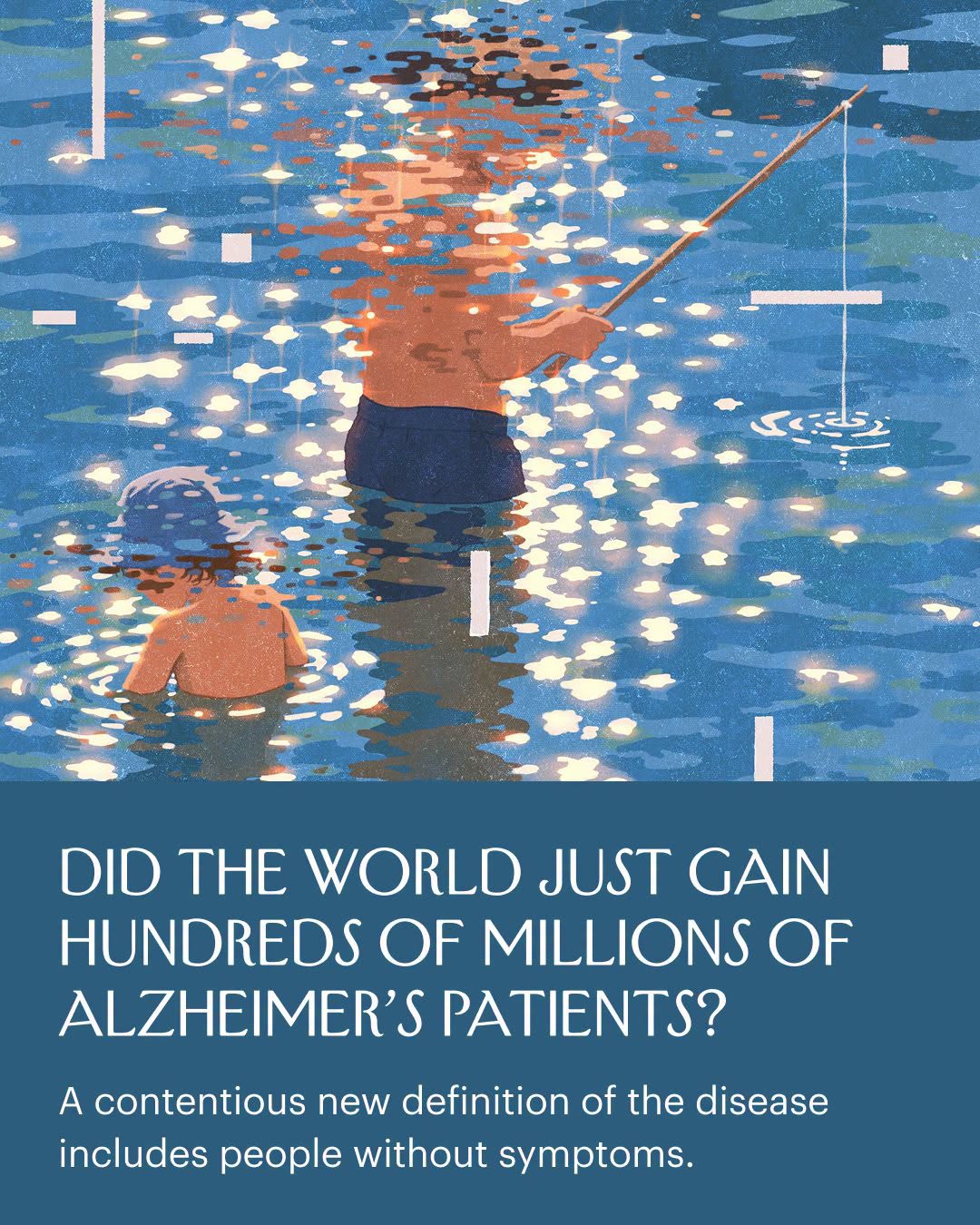
Link that bypasses the paywall:
archive.isArchived web pagearchive.is“A new definition of Alzheimer’s includes people without symptoms. Experts are fiercely divided over whether that makes sense—and whether the new drugs really help.”
Louis shares a New Yorker article about the Alzheimer's Association's new definition, which counts amyloid plaques as disease even without symptoms. Experts are divided over whether the definition makes sense and whether early-intervention drugs help. No studies are cited in the shared text.
Link that bypasses the paywall:
archive.isArchived web pagearchive.is“A new definition of Alzheimer’s includes people without symptoms. Experts are fiercely divided over whether that makes sense—and whether the new drugs really help.”
Donald Kewman is a 76-year-old grandfather and an active birder. He goes to the gym three times a week, and stays socially engaged. Cognitively, he is not at all impaired. Yet, by some definitions of the disease, he has Alzheimer's. Kewman’s brain contains amyloid plaques, accumulations of a certain protein. A contentious new definition of Alzheimer’s, published recently by the Alzheimer's Association, considers that fact enough to establish the disease. With this understanding, a crop of new treatments propose to intervene early. Still, the medical community remains fiercely divided over whether this new definition makes any sense—or whether the new drugs are effective at all. “The question of where risk ends and disease begins leaves room for interpretation,” Manvir Singh writes. He recounts the long history of Alzheimer's, and reports on the disease’s hotly debated new frontier: Did the World Just Gain Hundreds of Millions of Alzheimer’s Patients? (The New Yorker)
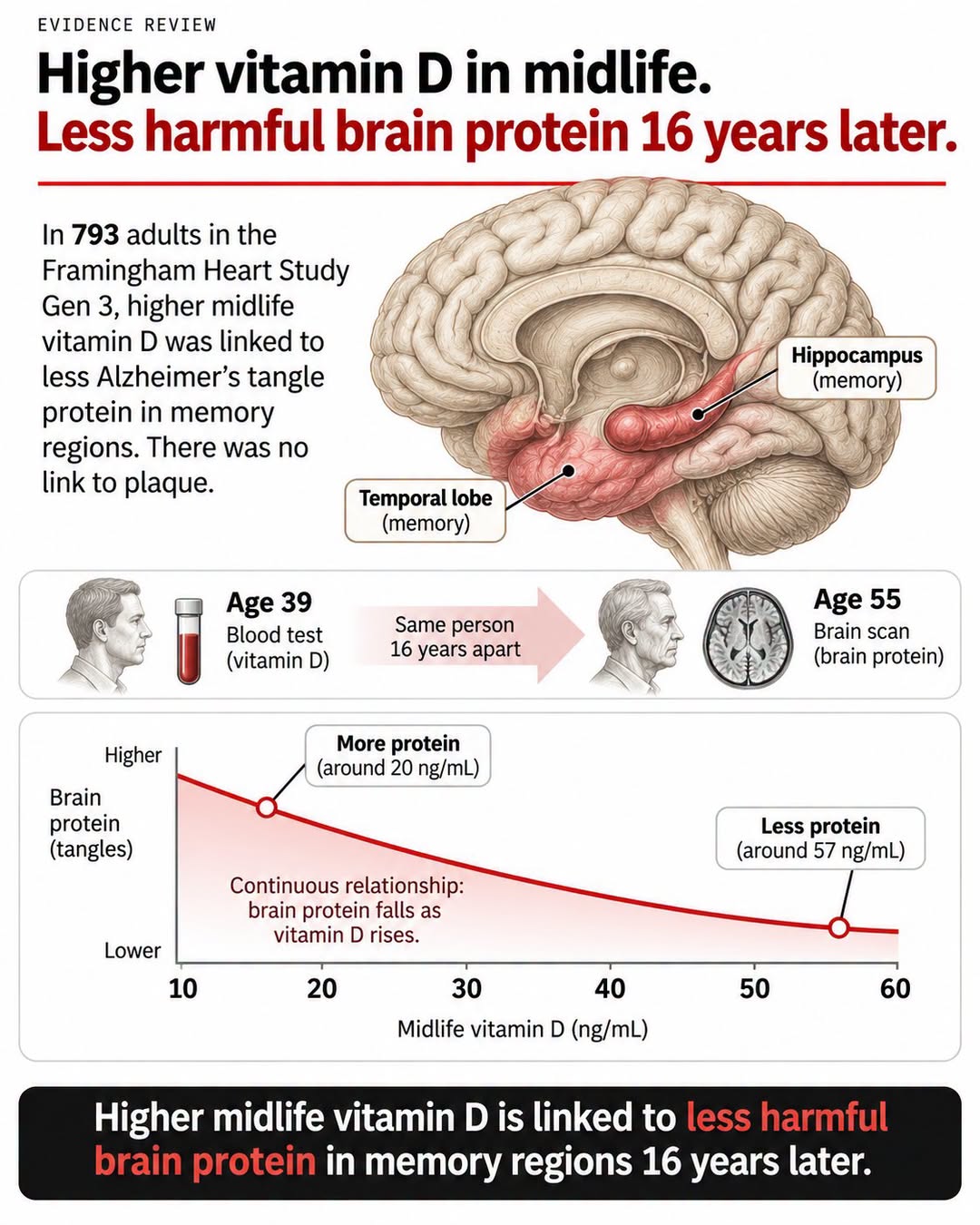
A Framingham Heart Study analysis followed 793 adults for 16 years, starting at average age 39. Vitamin D was measured in 2002-2005 and brains were scanned in 2016-2019, and higher midlife vitamin D was linked to lower tau tangles but not to amyloid. The post notes vitamin D acts like a steroid hormone with receptors in memory regions.
A shared Frontiers in Medicine review argues that the amyloid protein that accumulates in Alzheimer's brains can cross a leaky blood-brain barrier, accumulate in the heart and help drive heart failure, linking brain and cardiac disease. It is a hypothesis-generating review rather than outcome evidence.
Louis explains Lumipulse, approved in 2025, measures the pTau217/beta-amyloid 1-42 ratio, one of three tests (with PET and spinal tap) that can confirm amyloid for diagnosis.
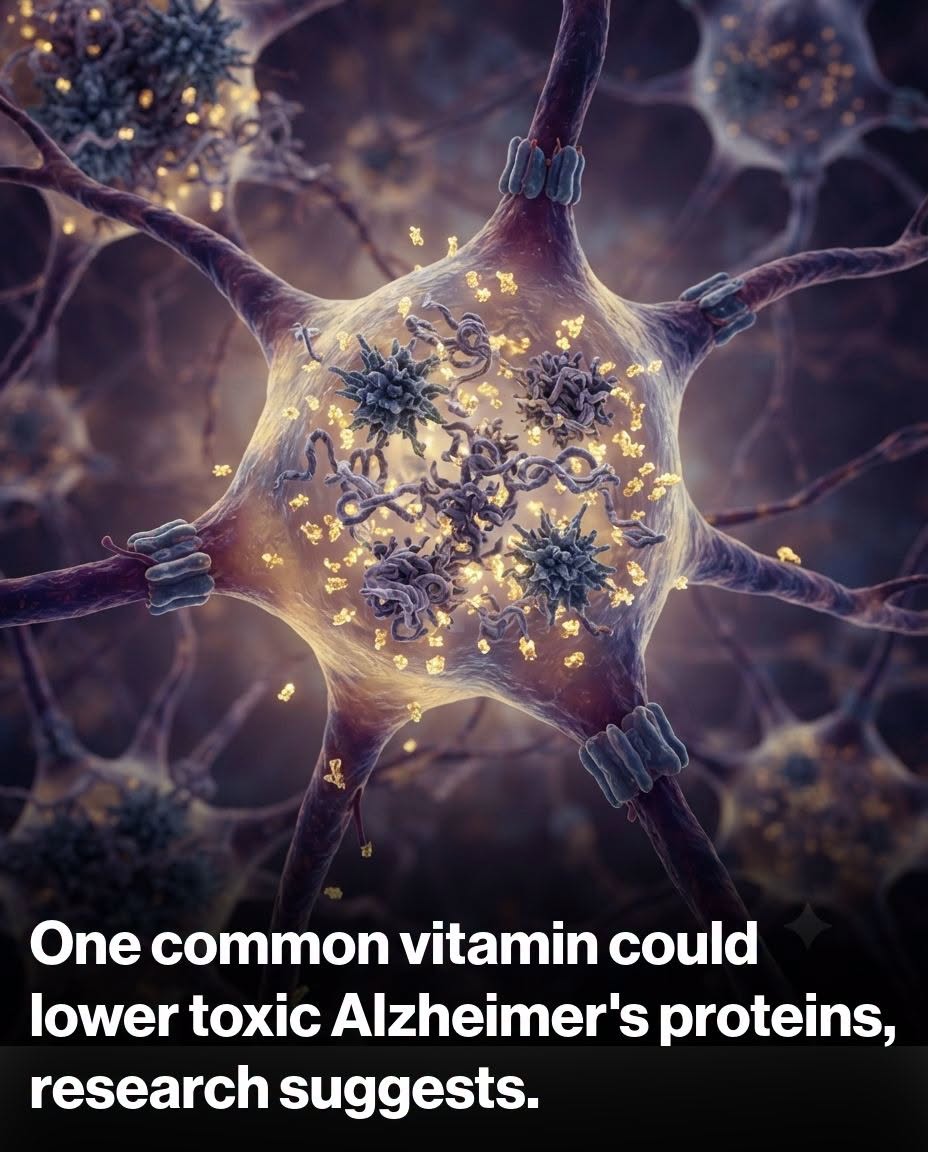
Researchers analyzed vitamin D in nearly 800 Framingham adults without dementia (mean age 39) and tau-PET scans about 16 years later. Louis notes a 20-year RCT is unlikely, so cohorts are the best option, though they cannot prove causation.
A secondary analysis of the 3-year MIND trial in 602 adults aged 65-84 found that cognitive effects of the MIND diet differed by baseline blood levels of amyloid-beta 40 and p-tau181. Louis highlights the largest benefit in those with high biomarkers suggestive of early Alzheimer's.
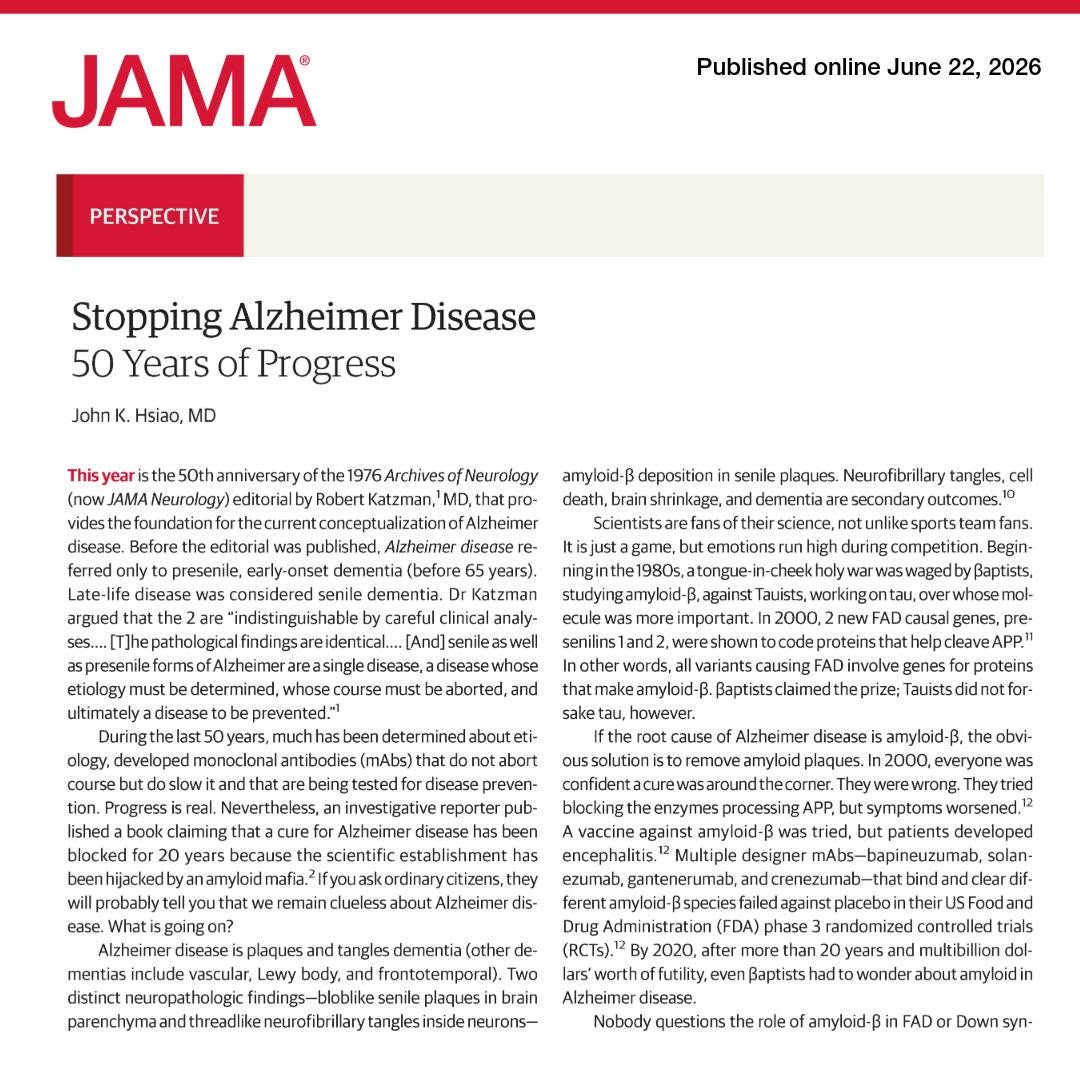
Louis shares a JAMA perspective noting that lecanemab and donanemab clear brain amyloid and slow cognitive decline by roughly 30% in early disease, supporting a causal role for amyloid. The effects remain modest and are limited by amyloid-related imaging abnormalities.