(no text — see the shared post below)
Some people with very high Lp(a) have clean arteries.
This article talks about why.
The section about OxPL seems particularly important.
Quoted:
“The mystery of why some people with high Lp(a) avoid cardiovascular disease highlights the complexity of human biology. Genetic variability, OxPL content, protective mechanisms, and lifestyle all shape individual outcomes.
As research uncovers more about this enigmatic lipoprotein, we gain new tools to predict and prevent cardiovascular disease. If you have high Lp(a), focus on what you can control while staying optimistic about future advancements.”
Quoted:
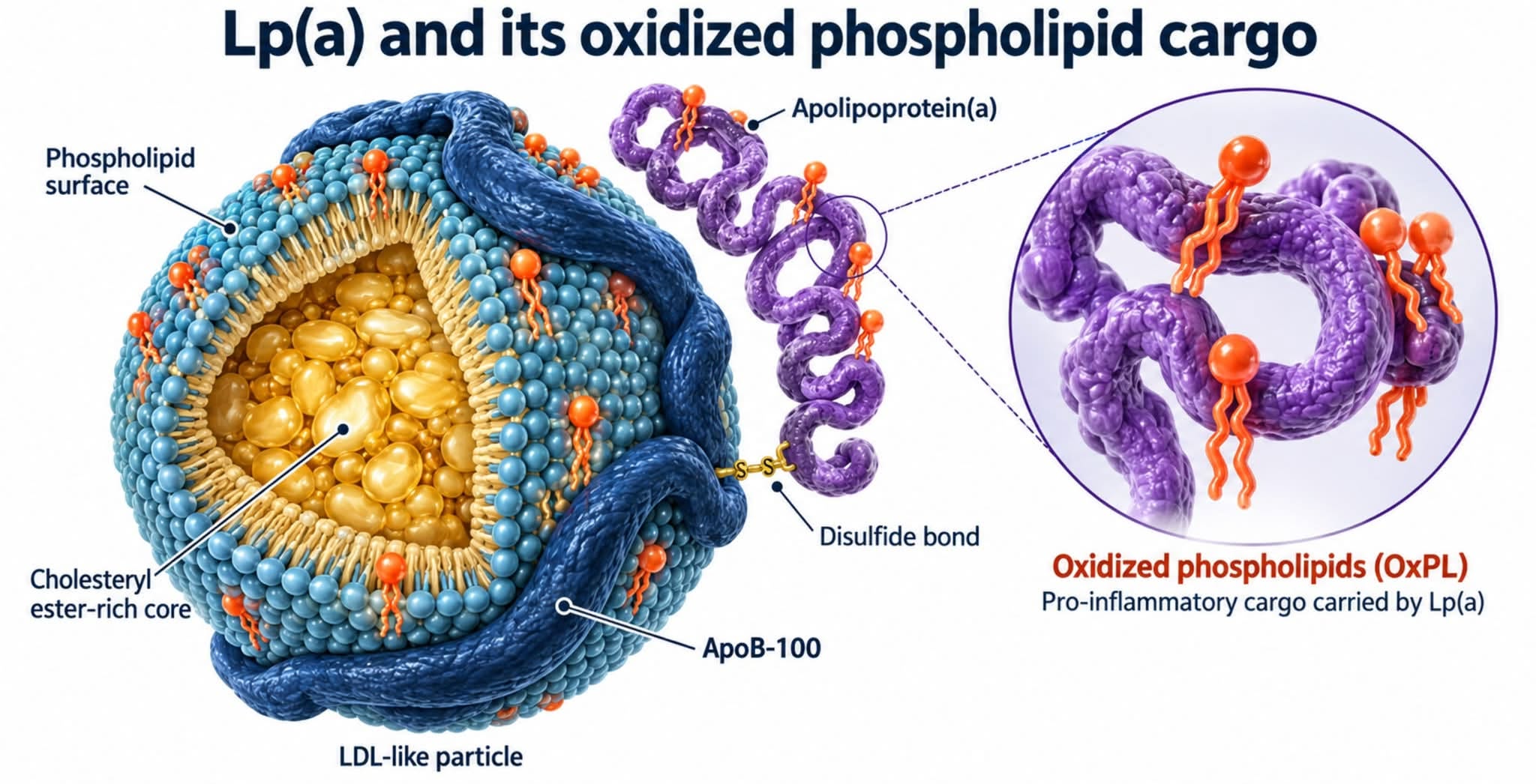
“One of the key ways Lp(a) promotes cardiovascular disease is through oxidized phospholipids (OxPL), highly inflammatory molecules that trigger immune responses and drive plaque formation.
Some individuals with high Lp(a) have lower OxPL content, reducing inflammation and limiting arterial damage.
Studies suggest that OxPL may be a better predictor of cardiovascular risk than Lp(a) itself. Measuring OxPL levels alongside Lp(a) could provide a clearer risk assessment.
This variation in OxPL content could explain why some people with very high Lp(a) remain free from cardiovascular disease despite their lab results.”
#lpaHD #oxplHD