New study shows that dementia can still be prevented by diet and lifestyle, even if early pathological signs of Alzheimer’s (beta amyloid and tau tangles) are already present in the brain. It’s not too late to stop it.
Dementia and heart disease are inextricably linked, so it’s not surprising that the same healthy diet and lifestyle can prevent both at the same time.
(Note that light to moderate alcohol consumption was shown to be protective against dementia in this study. See comments.)
——
“But what if your brain already has signs of beta amyloid or tau — two of the hallmark signs of Alzheimer’s and other brain pathologies? Will a healthy lifestyle still protect you from cognitive decline?
The answer is yes, according to observational research that examined the brains of 586 people during autopsies and compared the findings with up to 24 years of data on their lifestyles.”
“People in the study were categorized as living a low-risk or healthy lifestyle if they scored top marks in five different categories: they did not smoke; they did moderate to vigorous exercise for at least 150 minutes a week; they kept their alcohol consumption to about one drink a day for women and two for men; and they regularly stimulated their brain by reading, visiting museums, and playing games like cards, checkers, crosswords or puzzles.
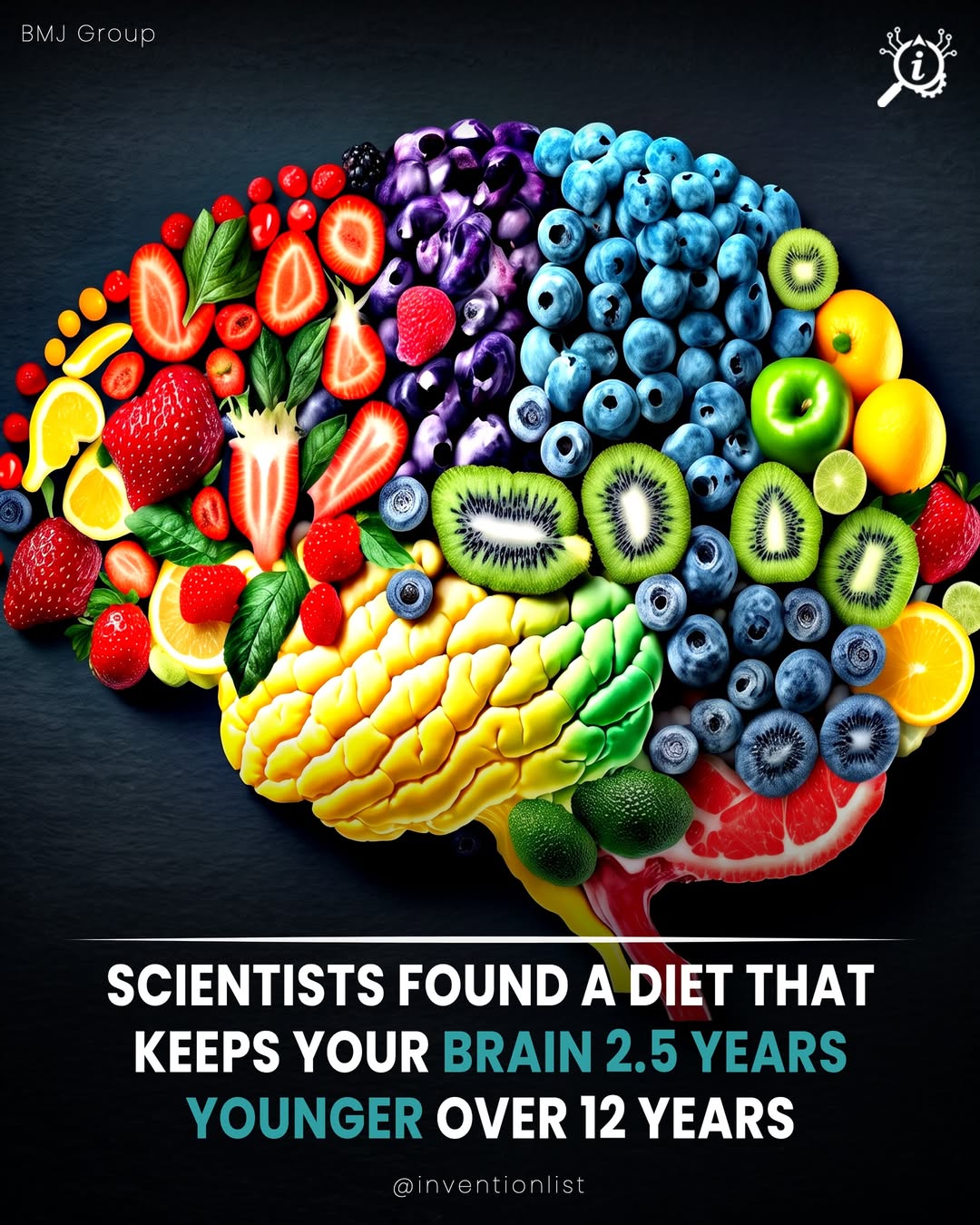
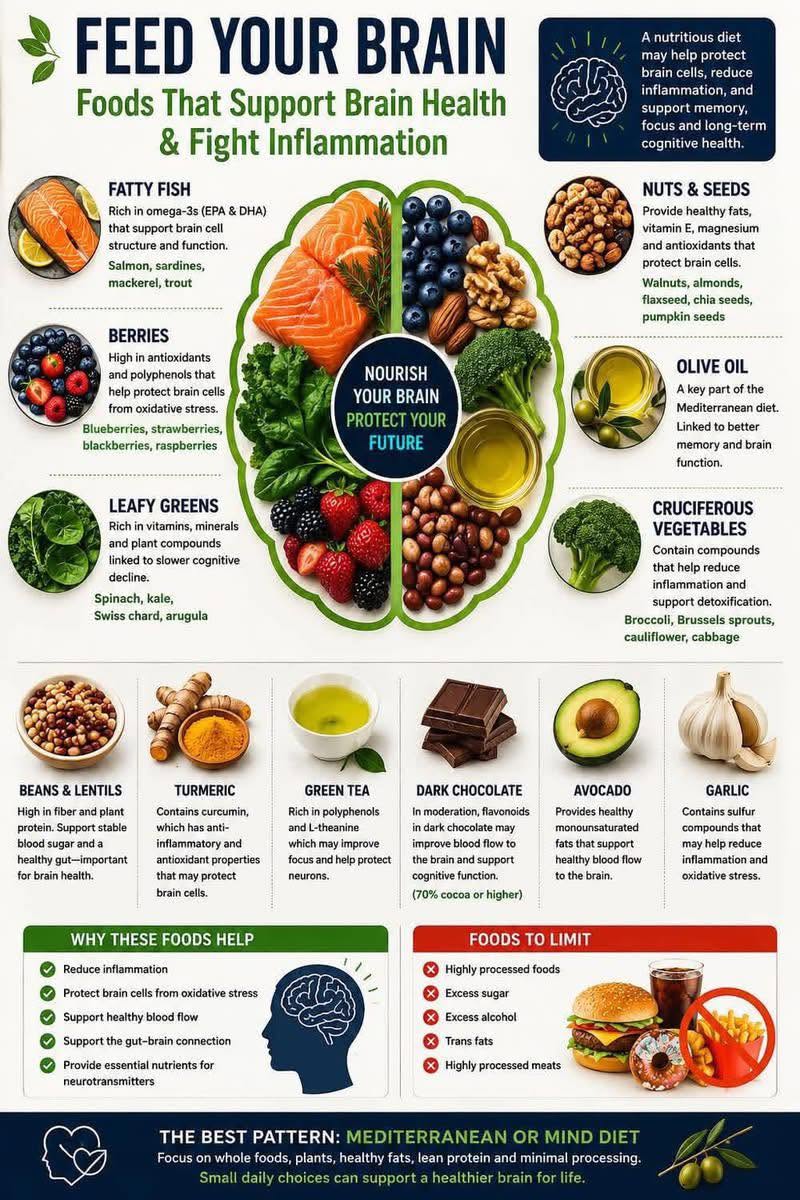
The fifth category measured how well they followed the Mediterranean-DASH Diet Intervention for Neurodegenerative Delay or MIND diet. Developed in 2015 by researchers at Rush University in Chicago, the MIND diet incorporates much of the plant-based Mediterranean diet, which focuses on fruits, vegetables, whole grains, beans, seeds, nuts and a lot of extra-virgin olive oil. Red meat and sweets are eaten rarely, but fish, which are packed with good-for-you omega-3 fatty acids, are a staple.”
 cnn.comHealthy living may battle cognitive decline even with signs of dementia in the brain, study suggests | CNNCan healthy habits protect your cognition as you age, even if you have clinical signs of Alzheimer’s or other types of dementia? A new study said yes.cnn.com